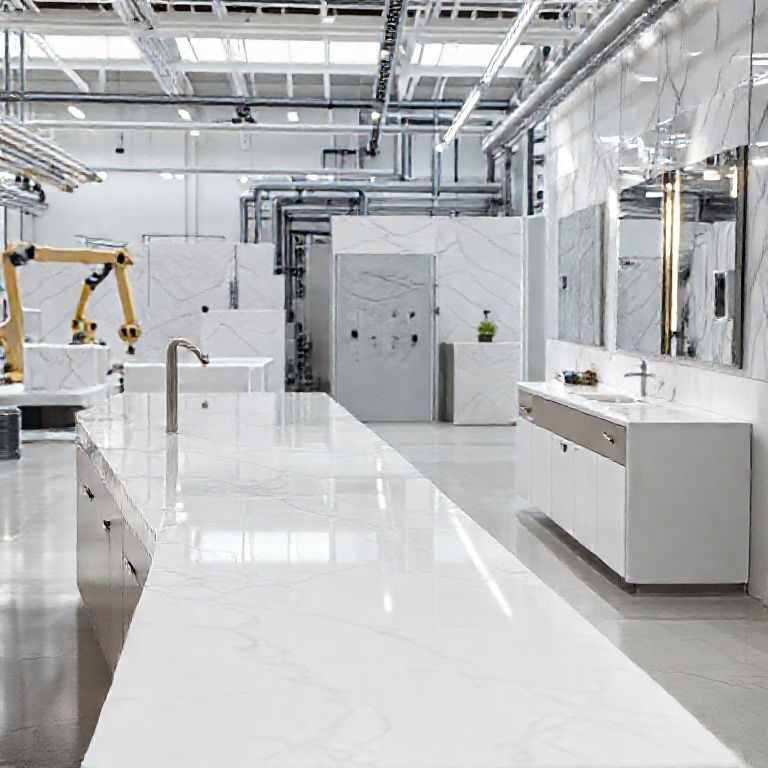
In the world of design and construction, artificial marble has emerged as a revolutionary material, reshaping the way we approach countertops, tabletops, and decorative elements. Often referred to as cultured marble, this synthetic stone is crafted through a meticulous process that blends natural marble with resins and pigments. This combination results in a material that mirrors the beauty of natural stone while offering unparalleled advantages. In this first part, we delve into the distinctive features of artificial marble, focusing on its durability, design flexibility, and cost-effectiveness.
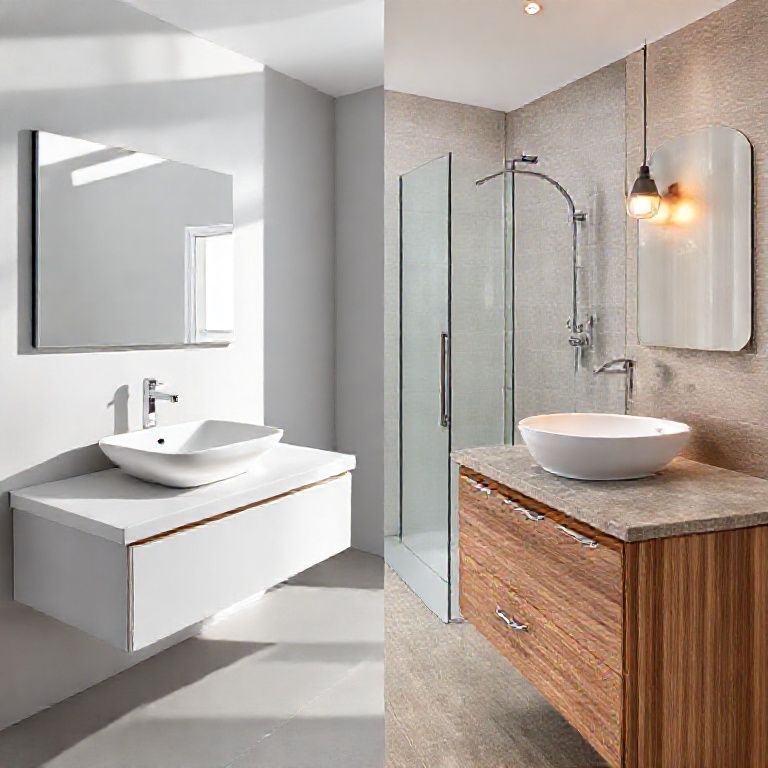
Durability: The Ultimate Resilient Material
One of the most compelling features of artificial marble is its remarkable durability. Unlike natural marble, which is susceptible to scratches, chips, and stains, artificial marble is engineered to withstand a variety of wear and tear. This resilience is largely due to its composition—a blend of natural marble dust, polymer resins, and pigments. The polymer resin acts as a binding agent that locks the marble dust into a solid, uniform structure, making the material far more robust.
Artificial marble countertops are particularly praised for their resistance to acids, liquids, and thermal shock. This makes them ideal for high-traffic areas where durability is paramount. Unlike natural stone, which can suffer from water spots or become discolored over time, artificial marble maintains its pristine appearance indefinitely. Additionally, it is less prone to cracking, which can be a significant issue with natural marble when exposed to extreme temperatures.
Design Flexibility: The Canvas of Creativity
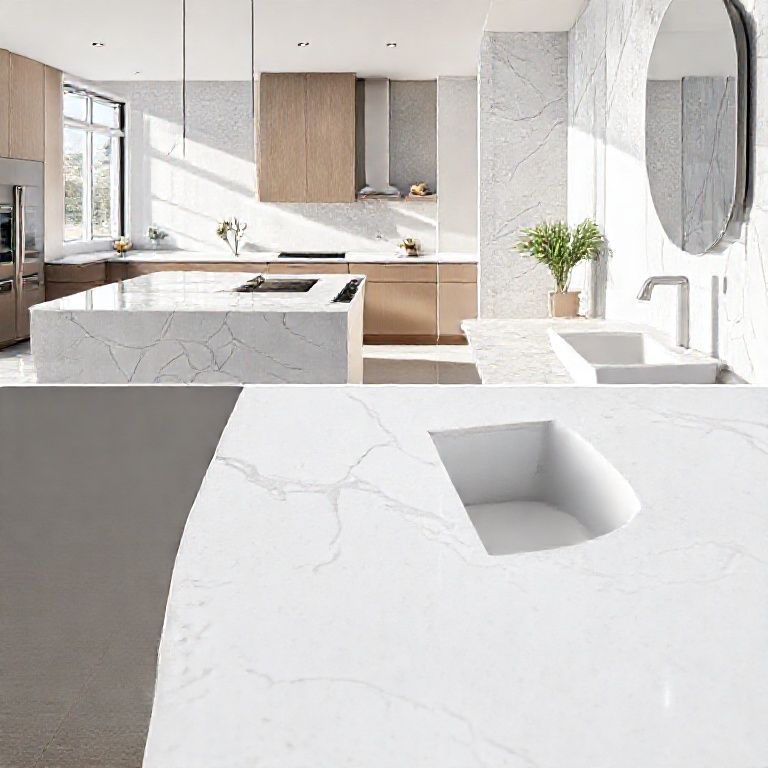
Artificial marble offers an unparalleled level of design flexibility that is unmatched by natural stone. The process of creating artificial marble allows designers and manufacturers to explore a vast array of colors, patterns, and finishes. This flexibility is not just aesthetic but also functional, enabling the creation of custom designs that can be tailored to specific project requirements.
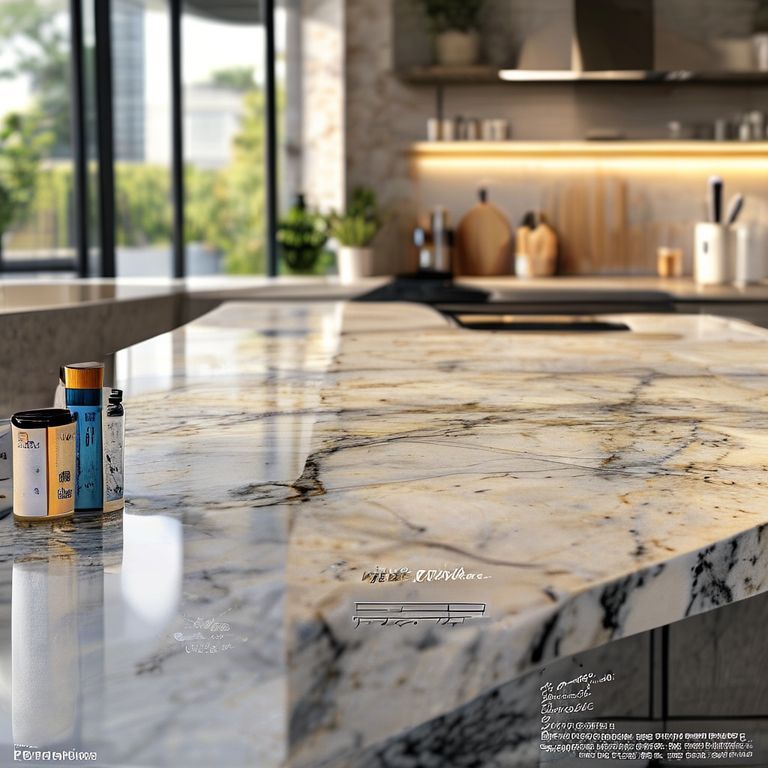
One of the most exciting aspects of artificial marble is its ability to mimic natural stone while allowing for unique, custom designs that would be impossible with natural marble. This is achieved by mixing various pigments and resins to create a bespoke material that can replicate the intricate veins and colors of natural marble, granite, or quartz. Moreover, artificial marble can be engineered to have a specific texture or finish, ranging from smooth and sleek to rugged and textured, providing limitless creative possibilities.
Cost-Effectiveness: A Superior Alternative
Cost is often a significant factor in material selection, especially in commercial and residential projects. Artificial marble offers a cost-effective alternative to natural stone without compromising on quality or aesthetics. The production process of artificial marble is more economical than that of natural stone, which involves extensive mining and quarrying operations.
Additionally, the durability of artificial marble translates to long-term cost savings. Since artificial marble is less prone to damage and does not require frequent maintenance, the overall cost of ownership is significantly lower compared to natural stone. For businesses and homeowners, this means fewer repairs and replacements, resulting in a more economical choice in the long run.
Environmental Impact: Sustainable Choices
In an era where sustainability is at the forefront of design and construction, artificial marble offers an environmentally friendly option. The production of natural stone involves significant environmental impacts, including habitat disruption, carbon emissions from quarrying, and the use of water and other resources in polishing and finishing processes.
In contrast, artificial marble is produced using a closed-loop process that minimizes waste and reduces the need for extensive natural resources. The use of recycled marble dust further enhances its environmental credentials. Additionally, the material does not require the volatile organic compounds (VOCs) that are often associated with natural stone finishes, contributing to a healthier indoor environment.
Conclusion
Artificial marble stands out as a material that combines the aesthetic allure of natural stone with superior durability, design flexibility, cost-effectiveness, and environmental benefits. Its ability to mimic natural stone while offering customizable designs and long-lasting performance makes it a compelling choice for modern design and construction needs. In the next part of this exploration, we will further examine the applications of artificial marble in various sectors, highlighting its versatility and transformative potential in different environments.
In the second part of our comprehensive exploration of artificial marble, we delve into its wide-ranging applications across various sectors. From residential kitchens and bathrooms to commercial spaces and architectural projects, artificial marble’s versatility and transformative potential make it an ideal choice for numerous design and construction needs. We will also discuss its maintenance requirements, compare it with other popular countertop materials, and highlight its role in sustainable design practices.
Applications in Residential Spaces
Kitchens and Bathrooms
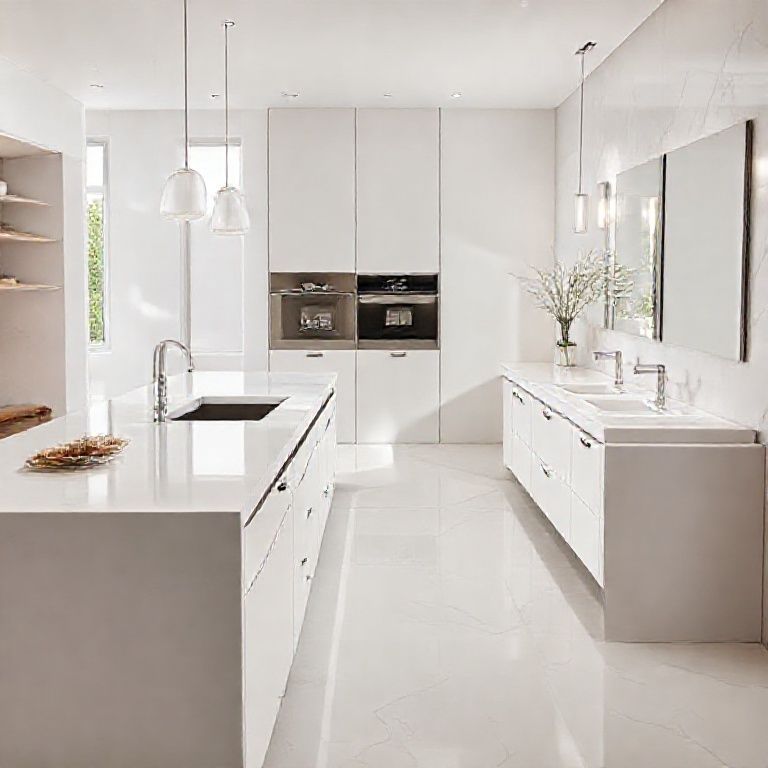
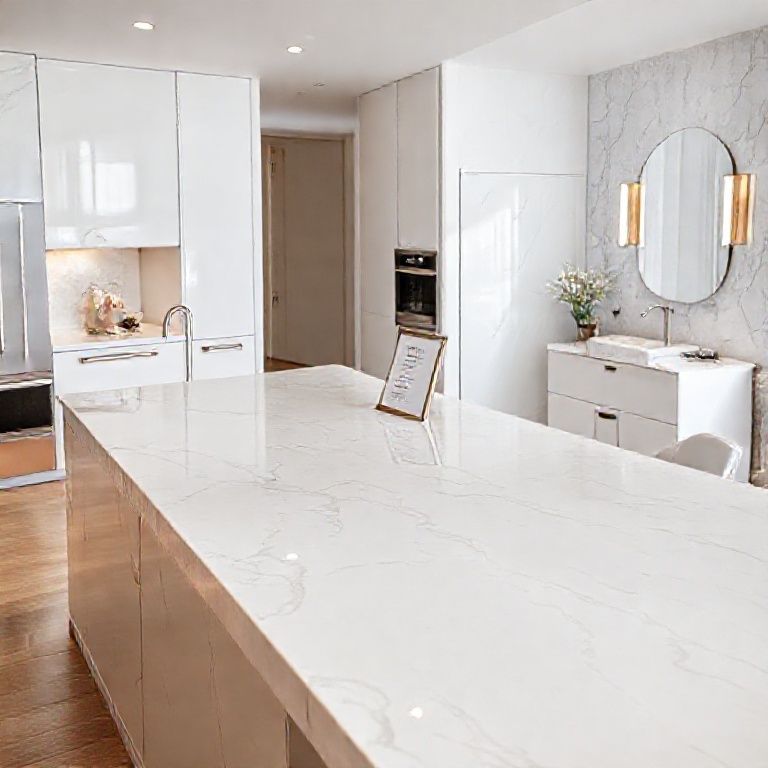
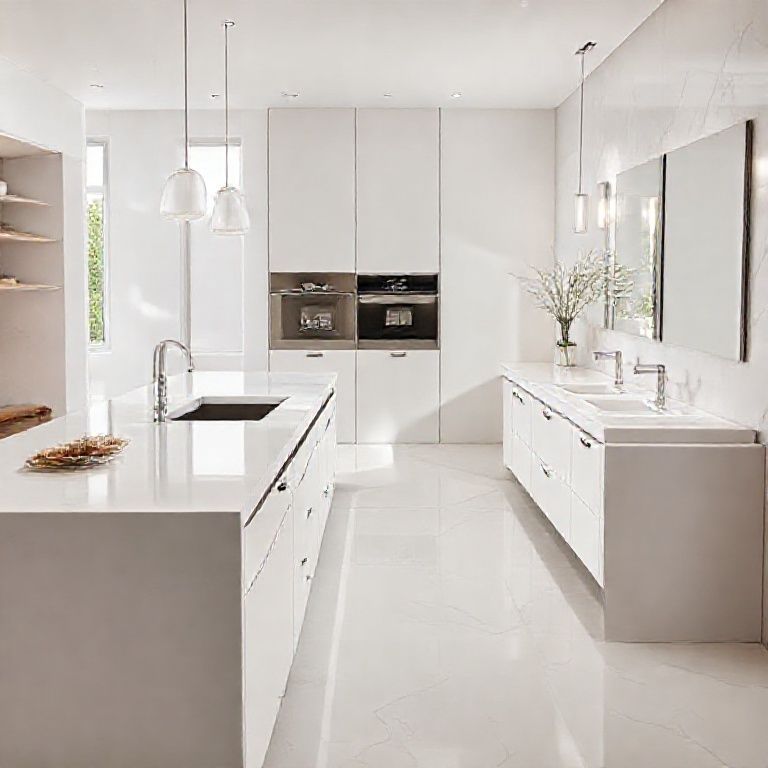
Artificial marble has become a popular choice for kitchen and bathroom countertops due to its aesthetic appeal and practical benefits. In kitchens, artificial marble offers a sleek, modern look that can complement a variety of design styles, from traditional to contemporary. Its durability ensures that it can withstand the daily wear and tear of cooking and cleaning activities without showing signs of wear or damage.
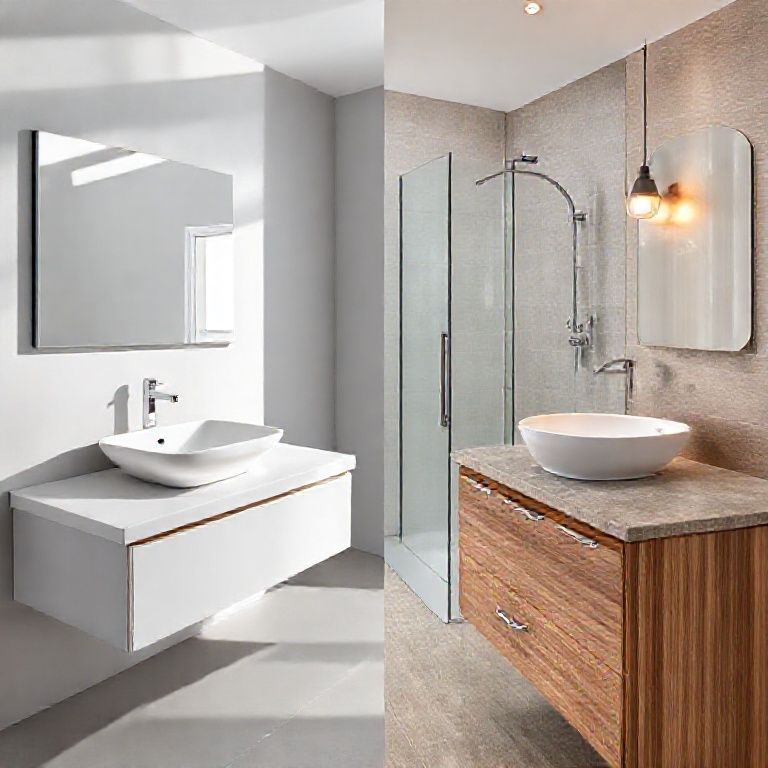
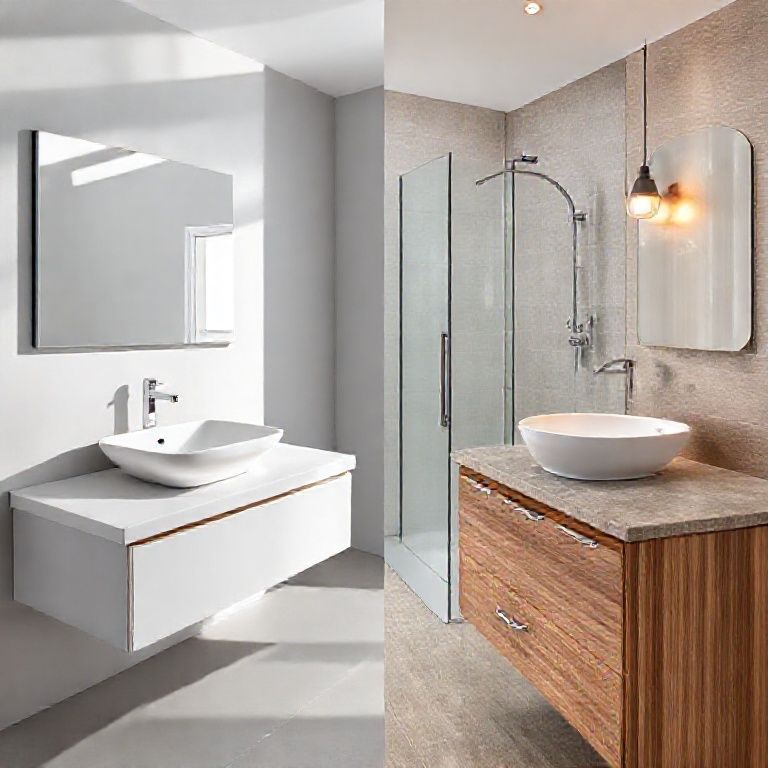
In bathrooms, artificial marble is often used for sinks, vanities, and countertops. Its resistance to water and stains makes it an ideal material for high-moisture environments. Additionally, its customizable nature allows for the creation of unique designs that can match the overall aesthetic of the bathroom space.
Living Spaces and Bedrooms
Beyond kitchens and bathrooms, artificial marble is increasingly being used in living spaces and bedrooms. Its elegant appearance and durability make it suitable for creating statement pieces such as coffee tables, dressers, and bedside tables. The ability to achieve intricate designs and finishes means that artificial marble can add a touch of luxury and sophistication to any room.
Applications in Commercial Spaces
Restaurants and Cafes
In the commercial sector, artificial marble is a favorite choice for restaurants and cafes. The material’s ability to mimic the beauty of natural stone while offering superior durability and ease of maintenance makes it perfect for high-traffic areas where food and liquids are frequently served. Its resistance to stains and scratches ensures that the countertops maintain their pristine appearance, even in busy environments.
Offices and Workspaces
Artificial marble is also widely used in office spaces, including reception areas, executive offices, and communal workspaces. Its modern look and professional appearance help create a positive impression on clients and visitors. Moreover, its durability and low maintenance requirements make it an ideal choice for busy office environments where surfaces are frequently touched and exposed to various substances.
Retail Spaces
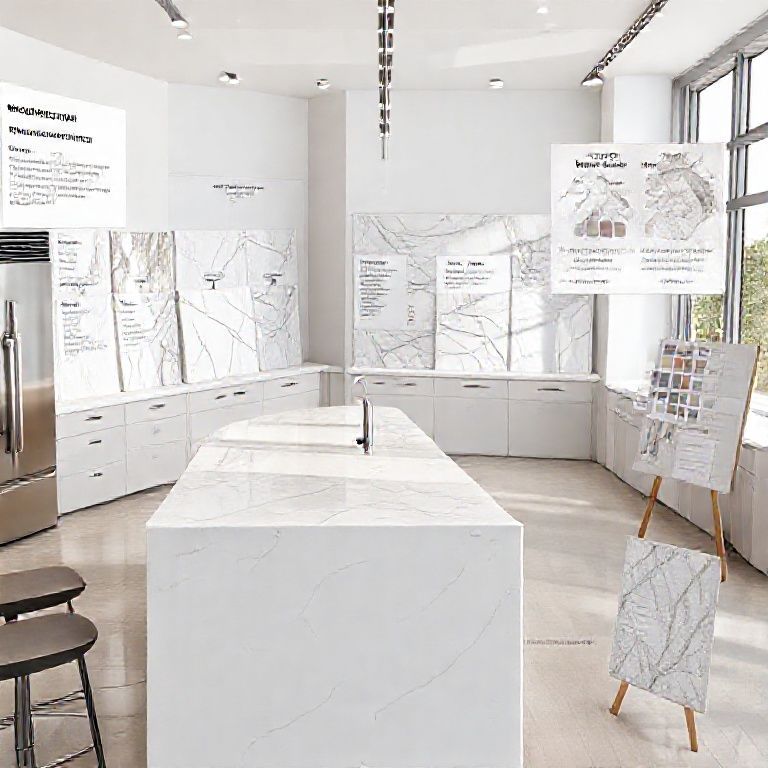
In retail environments, artificial marble can be used for display counters, shelving, and even flooring. Its versatile nature allows for creative designs that can enhance the visual appeal of the store while providing robust functionality. The material’s ability to be easily cleaned and maintained ensures that retail spaces remain inviting and hygienic.
Applications in Architectural Projects
Interior Design
Artificial marble plays a significant role in interior design, where its versatility and aesthetic appeal are utilized to create stunning interior spaces. From walls to flooring to decorative elements, artificial marble can be used in various forms to add elegance and sophistication. Its customizable nature allows designers to create cohesive and unique interiors that meet specific design visions.
Exterior Design
While artificial marble is typically associated with interior applications, it can also be used in exterior design projects. Its durability and resistance to weather elements make it suitable for outdoor structures such as garden features, patios, and outdoor dining areas. The ability to achieve a wide range of colors and finishes means that artificial marble can blend seamlessly with natural stone and other materials used in outdoor design.
Maintenance Requirements
One of the significant advantages of artificial marble is its low maintenance requirements. Unlike natural stone, which often requires sealing and regular maintenance to prevent stains and damage, artificial marble is generally low-maintenance. To keep artificial marble surfaces looking their best, it is recommended to clean them with mild soap and water. For tougher stains, a specialized cleaner designed for artificial stone can be used. It is also important to avoid using abrasive cleaners or scrub brushes that can scratch the surface.
Comparison with Other Countertop Materials
Granite
Granite is another popular choice for countertops, known for its natural beauty and durability. However, it is more prone to staining and requires regular sealing to maintain its appearance. Unlike artificial marble, granite does not offer the same level of design flexibility, as it comes in a limited range of colors and patterns. Additionally, granite is generally more expensive than artificial marble.
Quartz
Quartz countertops are known for their durability and resistance to stains, making them a favored choice in many kitchens and bathrooms. However, like granite, quartz requires sealing to prevent staining. Quartz also tends to be more expensive than artificial marble and offers less design flexibility compared to the customizable nature of artificial marble.
Solid Surface Materials
Solid surface materials like Corian and Durastone are alternatives to artificial marble. While these materials offer durability and design flexibility, they may not match the aesthetic appeal of artificial marble. Additionally, solid surfaces can be more challenging to work with and may require specialized installation techniques.
Role in Sustainable Design Practices
Artificial marble plays a vital role in sustainable design practices by providing a more environmentally friendly alternative to natural stone. The production of natural stone involves significant environmental impacts, including habitat disruption, carbon emissions, and extensive use of natural resources. In contrast, artificial marble is produced using a closed-loop process that minimizes waste and reduces the need for extensive natural resources.
The use of recycled marble dust in the生产过程进一步增强了其环保特性。人造大理石在使用寿命内不需要频繁维护和修复,这也意味着减少了对环境有害的化学品和材料的使用。这些因素使得人造大理石在可持续发展和环保方面具有显著优势。
创新与未来趋势
随着材料科学的不断进步,人造大理石也在不断创新,以满足现代设计和建筑的需求。未来,我们可以期待看到更多高性能、更环保的人造大理石产品。例如,通过添加更多的再生材料和使用新型的低碳技术,人造大理石将在更广泛的应用领域中展现其潜力。
结论
人造大理石以其卓越的耐用性、设计灵活性、成本效益和环保特性,正在逐渐取代传统的天然石材。它不仅满足了现代设计的多样化需求,还为建筑行业提供了一个更加可持续的选择。随着技术的进步和对环境保护的日益重视,人造大理石必将在未来的建筑和设计领域中扮演更加重要的角色。
无论是在家庭装修还是大型建筑工程中,人造大理石都展现出了其独特的优势和广阔的应用前景。如果您正在考虑新的装修材料,人造大理石无疑是一个值得考虑的优质选择。