The Timeless Elegance of White Marble
Marble has long been revered for its unparalleled beauty and versatility, standing as a symbol of luxury and sophistication in the world of interior and exterior design. One of the most celebrated types of marble is the classic white marble, known for its pure, pristine elegance. This timeless hue has graced grand palaces, cathedrals, and modern homes, serving as the epitome of refined taste and opulence.
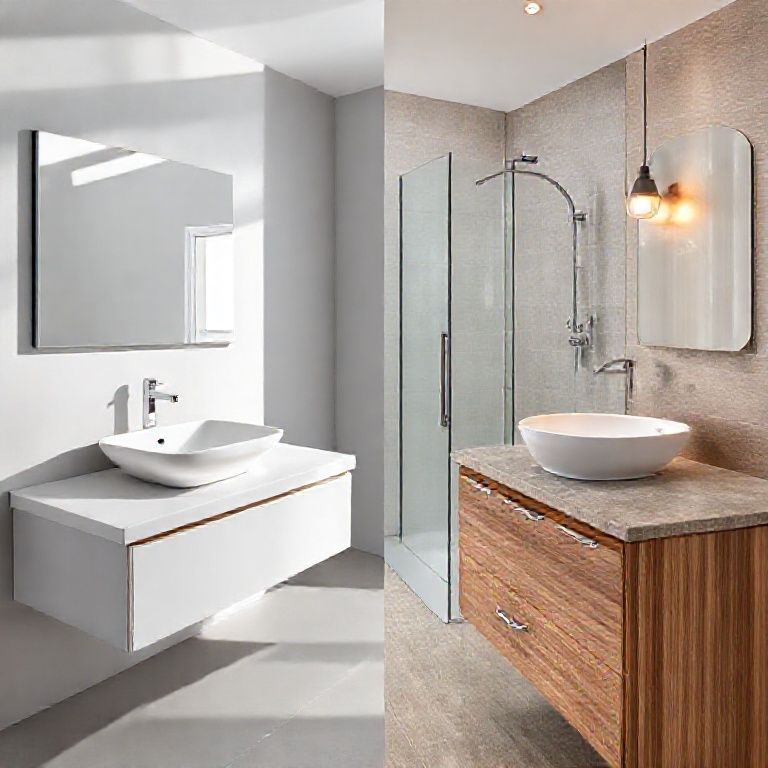
The Purity of White Marble
The white marble’s pristine color is what sets it apart as a favorite in both historical and contemporary designs. Its immaculate hue provides a backdrop that enhances any form of artistic expression, be it intricate carvings, grand columns, or elegant countertops. The natural veins and patterns that each piece of white marble possesses add a unique touch, making every slab a masterpiece in its own right. These veins, often in shades of gray, blue, or green, provide a subtle contrast that complements the purity of the white, adding depth and character without overshadowing its elegance.
Historical Significance
White marble has been a preferred choice for centuries. The ancient Greeks and Romans used it extensively in their most significant structures, from the Parthenon to the Roman Colosseum. Its use in these monumental buildings underscores the marble’s association with grandeur and durability. Today, white marble continues to be a staple in high-end architecture and interior design, from luxurious homes to iconic public buildings.
Modern Applications
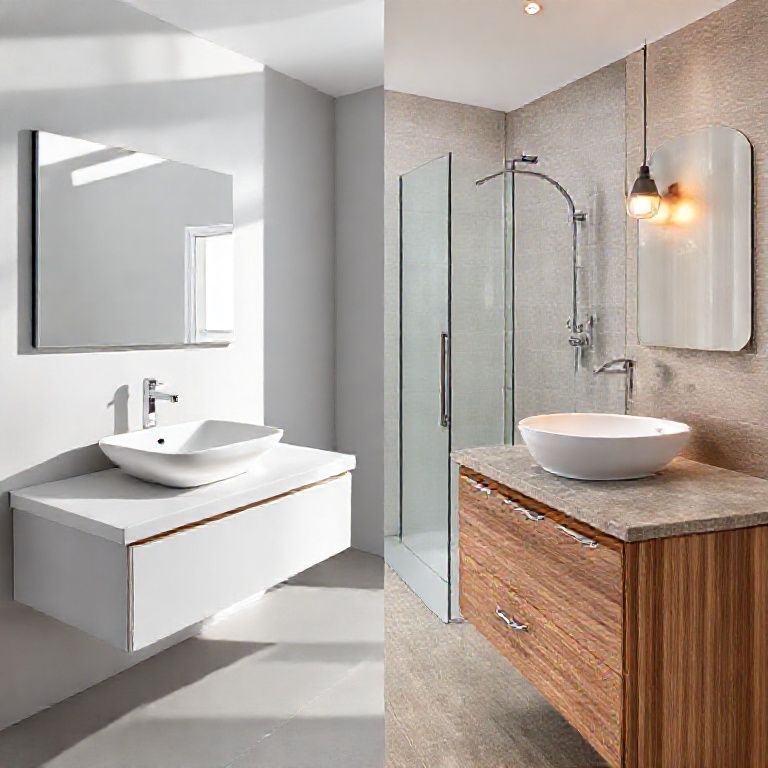
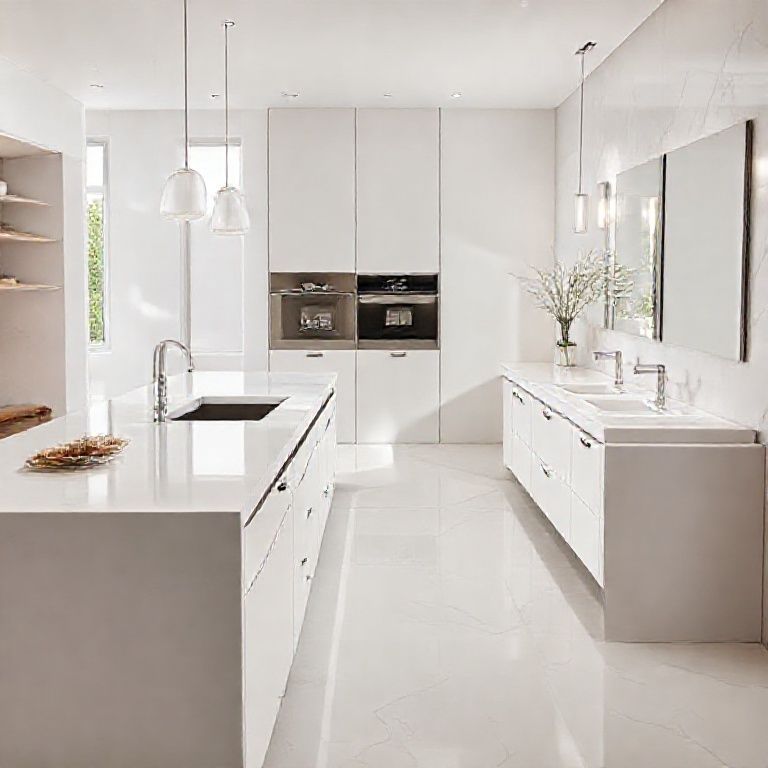
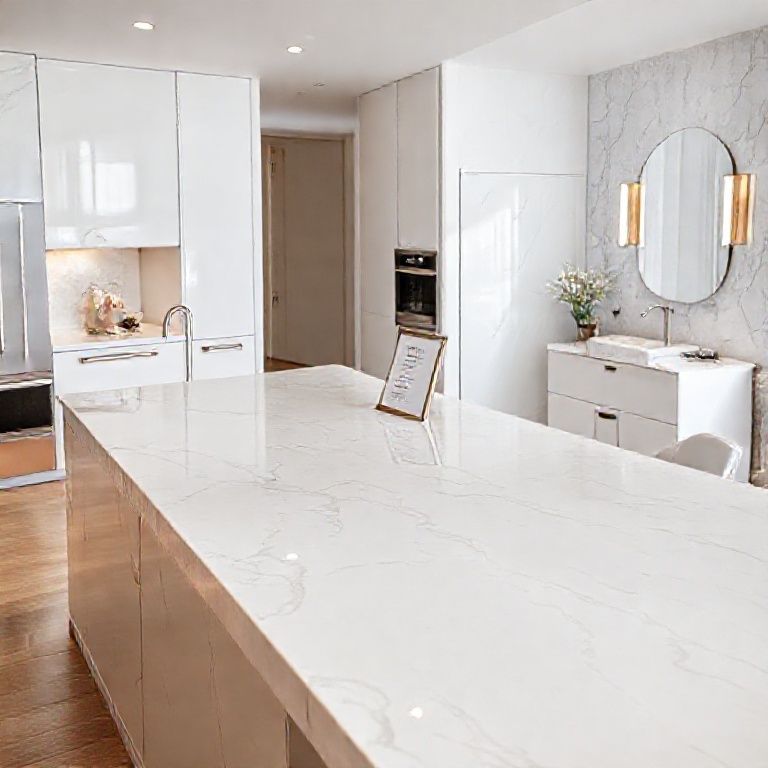
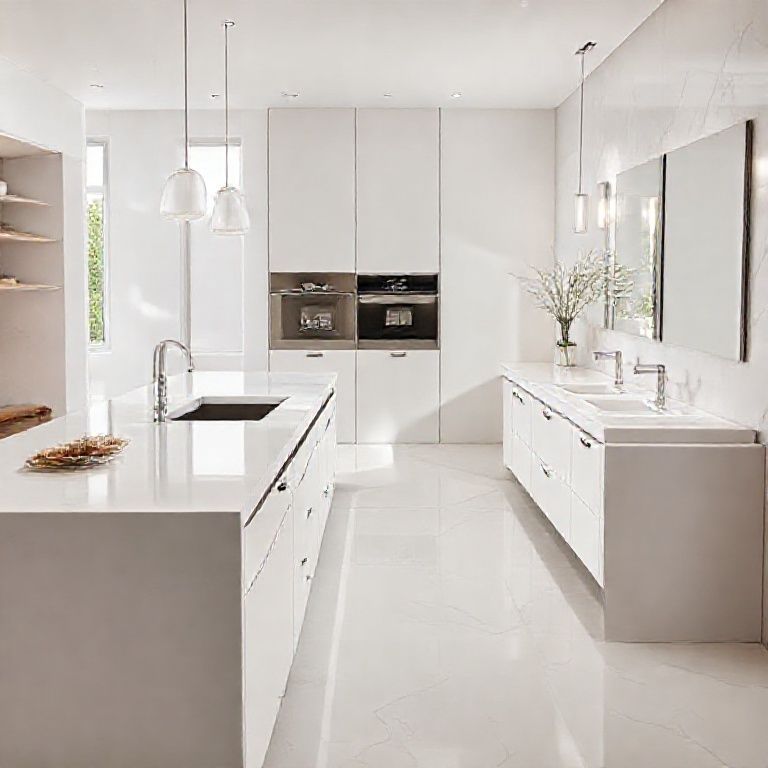
In contemporary design, white marble remains a popular choice for various applications. It is often used in kitchen countertops, bathroom vanities, and flooring. Its clean, crisp appearance provides a fresh and inviting atmosphere, making it ideal for modern, minimalist spaces. In luxury settings, white marble is combined with other materials like gold or brass to create stunning, opulent designs that reflect the pinnacle of contemporary craftsmanship.
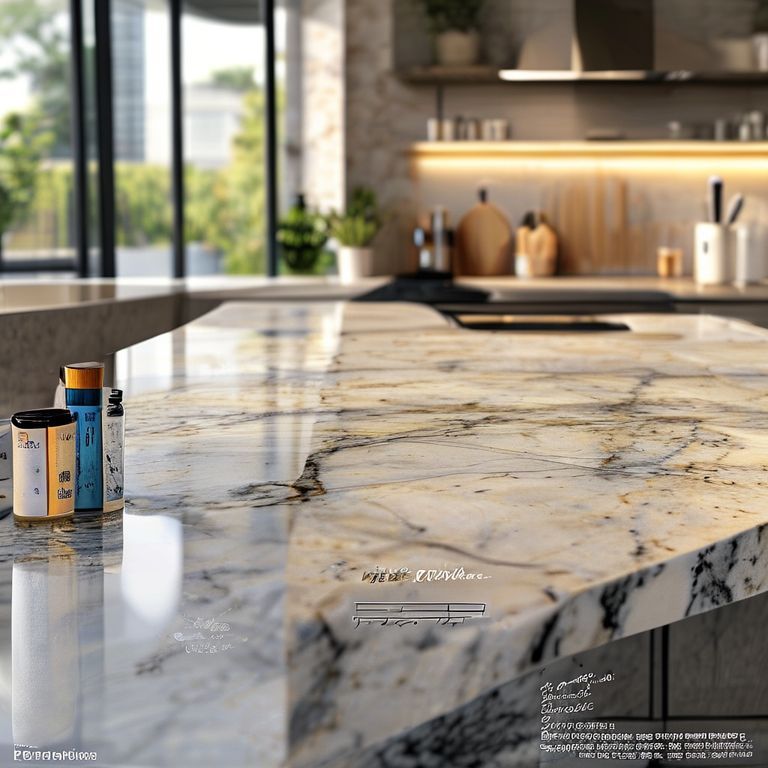
The Appeal of Black Marble
While white marble holds a revered place in the marble world, black marble has emerged as a striking alternative that commands attention with its bold and exotic allure. Black marble, or “nero marquina,” as it is often called, is renowned for its deep, rich color and luxurious sheen. This type of marble offers a dramatic contrast to lighter hues, creating a powerful visual impact.
The Exotic Charm of Black Marble
Black marble’s striking color is not just visually arresting but also highly versatile. Its deep, velvety appearance is reminiscent of the night sky, offering a sense of mystery and elegance. The subtle variations in black marble can range from a deep charcoal to a glossy black, each piece possessing its own unique character. This diversity makes black marble highly desirable for those looking to add a touch of the exotic to their design.
Historical and Contemporary Use
Black marble has been utilized in some of the world’s most iconic buildings, from the ancient Roman Pantheon to the grand staircases of the Palace of Versailles. Its use in historical contexts underscores its timeless appeal and durability. In modern design, black marble is frequently used in flooring, wall cladding, and decorative elements. Its ability to absorb light and create a sense of depth makes it particularly effective in spaces where a dramatic effect is desired.
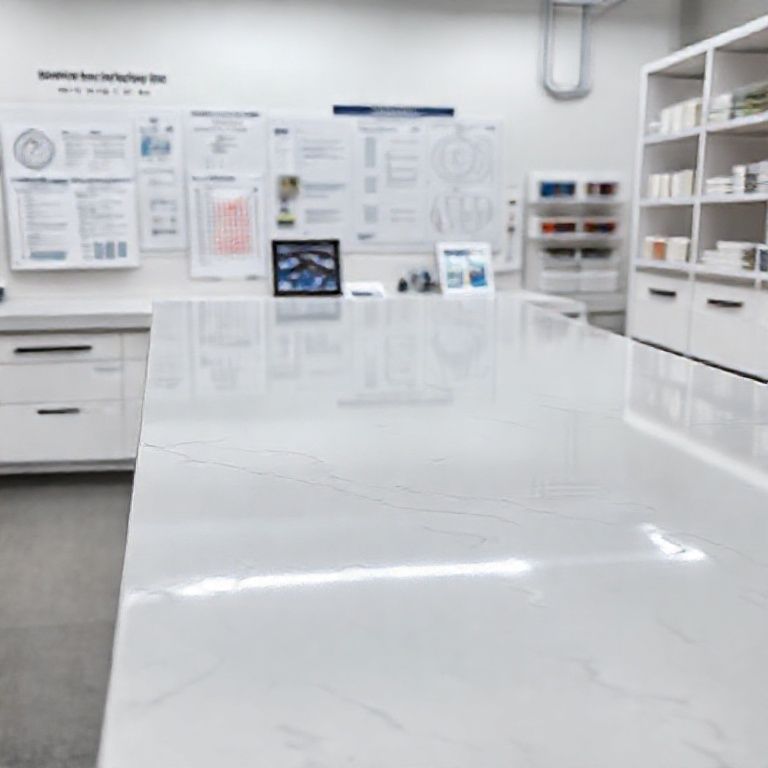
Combining with Other Materials
One of the key features of black marble is its versatility when combined with other materials. When paired with metals like gold or brass, or even with white marble, it creates a striking contrast that enhances the overall aesthetic. This combination is particularly popular in luxury settings such as high-end restaurants, hotels, and private residences, where a bold and sophisticated design is sought after.
The Natural Beauty of Grey Marble
Grey marble is another captivating variety that offers a unique blend of sophistication and natural beauty. This versatile stone comes in a range of shades, from light dove grey to deep charcoal, making it suitable for a wide array of design applications.
The Subtlety of Grey Marble
Grey marble’s versatility lies in its ability to seamlessly blend with both warm and cool color palettes. Its neutral tone provides a perfect backdrop for both contemporary and traditional designs. Whether used in flooring, countertops, or decorative elements, grey marble adds a touch of understated elegance and versatility.
Historical and Modern Uses
Grey marble has been a favorite in both historical and modern settings. Its classic appeal can be seen in the grand staircases and walls of historic palaces and in contemporary minimalist designs. In modern architecture, grey marble is often used in both residential and commercial spaces, from offices to luxury hotels.
Creating a Cohesive Look
One of the key benefits of grey marble is its ability to create a cohesive look when combined with other materials. Its neutral tone works well with a variety of colors and textures, making it a popular choice for designers looking to create a harmonious and balanced design. Whether used in combination with white, black, or even vibrant colors, grey marble provides a stable and elegant foundation.
The Rich Colors of Colored Marble
Colored marble is a category that encompasses a vast array of hues and tones, each with its own unique charm and appeal. From vibrant reds and pinks to rich greens and even blue, colored marble offers a diverse palette that can cater to a wide range of design tastes and preferences.
The Diversity of Colored Marble
The appeal of colored marble lies in its ability to offer something for everyone. Each piece of colored marble is unique, with its own distinctive color and pattern. This uniqueness makes it highly desirable for those looking to add a personal and expressive touch to their design. Whether it’s the fiery reds of Rosso Sanremo or the lush greens of Verde Marquina, colored marble provides a rich and dynamic visual experience.
Historical and Contemporary Uses
Colored marble has been used in some of the most magnificent structures throughout history, from the Taj Mahal to the gardens of Versailles. Its use in these contexts highlights its ability to create stunning and long-lasting visual effects. In modern design, colored marble is often used in flooring, countertops, and decorative elements. Its vibrant colors can add a sense of excitement and dynamism to any space.
Combining with Other Materials
One of the key advantages of colored marble is its versatility when combined with other materials. Its rich colors can create striking contrasts when paired with lighter or neutral tones, enhancing the overall aesthetic. This combination is particularly effective in luxury settings, where a bold and expressive design is desired.
The Versatile Beauty of Pink Marble
Pink marble is a captivating variety that offers a unique blend of warmth and elegance. This beautiful stone comes in a range of shades, from soft pastels to deep, rich pinks, making it suitable for a variety of design applications.
The Warmth of Pink Marble
Pink marble’s warm, inviting color makes it a popular choice for those looking to add a touch of romance and warmth to their design. Its subtle variations can range from delicate blush pinks to vibrant rose reds, each piece offering its own unique character. This diversity makes pink marble highly desirable for those seeking a personal and expressive touch.
Historical and Modern Uses
Pink marble has been used in some of the most magnificent structures throughout history, from ancient Roman temples to modern luxury homes. Its use in these contexts highlights its ability to create stunning and long-lasting visual effects. In contemporary design, pink marble is often used in flooring, countertops, and decorative elements. Its warm color can add a sense of comfort and elegance to any space.
Combining with Other Materials
One of the key benefits of pink marble is its versatility when combined with other materials. Its warm tones can create a harmonious and balanced design when paired with neutral or darker colors. This combination is particularly effective in creating a cozy and inviting atmosphere.
The Exotic Allure of Green Marble
Green marble is a stunning variety that offers a unique blend of nature’s beauty and elegance. This beautiful stone comes in a range of shades, from light mint greens to deep forest greens, making it suitable for a variety of design applications.
The Natural Beauty of Green Marble
Green marble’s natural, earthy color makes it a popular choice for those looking to incorporate a touch of nature into their design. Its subtle variations can range from delicate light greens to rich, dark greens, each piece offering its own unique character. This diversity makes green marble highly desirable for those seeking a natural and serene aesthetic.
Historical and Modern Uses
Green marble has been used in some of the most magnificent structures throughout history, from ancient temples to modern luxury homes. Its use in these contexts highlights its ability to create stunning and long-lasting visual effects. In contemporary design, green marble is often used in flooring, countertops, and decorative elements. Its natural color can add a sense of tranquility and harmony to any space.
Combining with Other Materials
One of the key benefits of green marble is its versatility when combined with other materials. Its earthy tones can create a balanced and harmonious design when paired with neutral or lighter colors. This combination is particularly effective in creating a peaceful and calming atmosphere.
The Vibrant Appeal of Red Marble
Red marble is a striking variety that offers a unique blend of boldness and elegance. This beautiful stone comes in a range of shades, from soft corals to deep reds, making it suitable for a variety of design applications.
The Boldness of Red Marble
Red marble’s vibrant color makes it a popular choice for those looking to add a touchof drama and excitement to their design. Its subtle variations can range from delicate blush pinks to vibrant rose reds, each piece offering its own unique character. This diversity makes red marble highly desirable for those seeking a bold and expressive touch.
Historical and Modern Uses
Red marble has been used in some of the most magnificent structures throughout history, from ancient palaces to modern luxury homes. Its use in these contexts highlights its ability to create stunning and long-lasting visual effects. In contemporary design, red marble is often used in flooring, countertops, and decorative elements. Its vibrant color can add a sense of power and dynamism to any space.
Combining with Other Materials
One of the key benefits of red marble is its versatility when combined with other materials. Its bold tones can create striking contrasts when paired with lighter or neutral colors, enhancing the overall aesthetic. This combination is particularly effective in luxury settings, where a bold and expressive design is desired.
The Timeless Charm of Beige Marble
Beige marble is a versatile variety that offers a unique blend of neutrality and elegance. This beautiful stone comes in a range of shades, from light cream to deep tans, making it suitable for a variety of design applications.
The Neutrality of Beige Marble
Beige marble’s neutral tone makes it a popular choice for those looking to create a cohesive and balanced design. Its subtle variations can range from delicate cream to rich tans, each piece offering its own unique character. This diversity makes beige marble highly desirable for those seeking a timeless and versatile aesthetic.
Historical and Modern Uses
Beige marble has been used in some of the most magnificent structures throughout history, from ancient temples to modern luxury homes. Its use in these contexts highlights its ability to create stunning and long-lasting visual effects. In contemporary design, beige marble is often used in flooring, countertops, and decorative elements. Its neutral color can add a sense of calm and harmony to any space.
Combining with Other Materials
One of the key benefits of beige marble is its versatility when combined with other materials. Its neutral tones can create a balanced and harmonious design when paired with both warm and cool colors. This combination is particularly effective in creating a serene and inviting atmosphere.
The Exotic Beauty of Blue Marble
Blue marble is a striking variety that offers a unique blend of depth and elegance. This beautiful stone comes in a range of shades, from light blues to deep navy, making it suitable for a variety of design applications.
The Depth of Blue Marble
Blue marble’s rich, deep color makes it a popular choice for those looking to add a touch of mystery and elegance to their design. Its subtle variations can range from delicate sky blues to vibrant navy blues, each piece offering its own unique character. This diversity makes blue marble highly desirable for those seeking a bold and sophisticated aesthetic.
Historical and Modern Uses
Blue marble has been used in some of the most magnificent structures throughout history, from ancient temples to modern luxury homes. Its use in these contexts highlights its ability to create stunning and long-lasting visual effects. In contemporary design, blue marble is often used in flooring, countertops, and decorative elements. Its rich color can add a sense of depth and tranquility to any space.
Combining with Other Materials
One of the key benefits of blue marble is its versatility when combined with other materials. Its deep tones can create striking contrasts when paired with lighter or neutral colors, enhancing the overall aesthetic. This combination is particularly effective in luxury settings, where a bold and sophisticated design is desired.
The Unique Appeal of Marble Veins
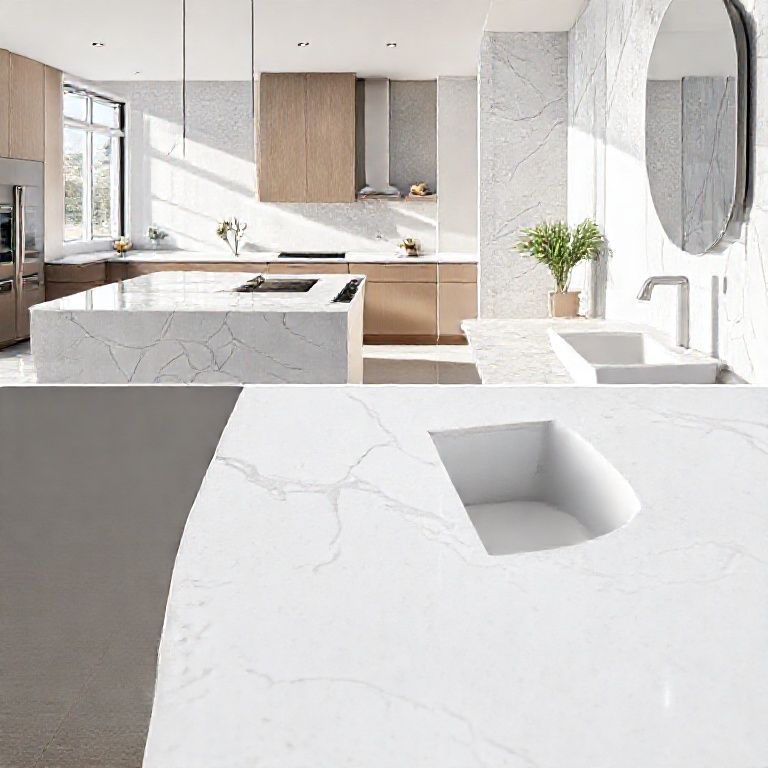
One of the most fascinating aspects of marble is its unique veins and patterns. These natural features add a touch of individuality and character to each piece of marble, making it a truly unique material. The veins can come in a variety of colors, including gray, green, blue, and even red, providing a natural and organic look that enhances the beauty of the marble.
Historical Significance
The unique veins and patterns of marble have been admired for centuries. Ancient craftsmen used these natural features to create stunning works of art and architecture. Today, these veins continue to be a key feature in modern design, adding a touch of authenticity and natural beauty.
Modern Applications
In contemporary design, marble veins are often highlighted and accentuated to create stunning visual effects. Whether used in flooring, countertops, or decorative elements, the natural veins of marble add a unique and elegant touch that enhances the overall aesthetic. In luxury settings, marble veins are often combined with other materials to create striking contrasts and harmonious designs.
Conclusion
The diverse palette of marble colors offers a rich and varied world of possibilities for designers and homeowners alike. From the timeless elegance of white marble to the exotic allure of black and colored marble, each variety brings its own unique charm and appeal. Whether you are looking to add a touch of sophistication, drama, or natural beauty to your space, marble provides a versatile and timeless choice that can cater to a wide range of design tastes and preferences.
By understanding the unique characteristics and applications of different marble colors, you can make informed decisions and create stunning, personalized designs that reflect your personal style and vision.