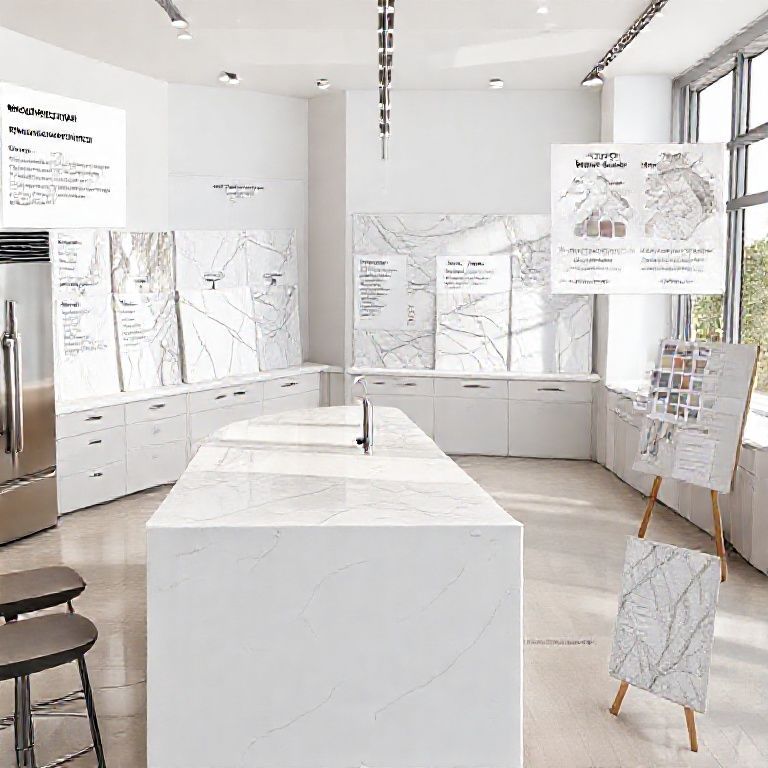
Unveiling the Construction and Benefits of Engineered Marble
Introduction: When it comes to selecting high-quality materials for home and commercial renovations, engineered marble stands out as a popular and versatile choice. But the question on many minds is, “Is engineered marble as sturdy as natural marble?” In this part, we’ll delve into the construction, benefits, and the inherent strength of engineered marble to help you make an informed decision.
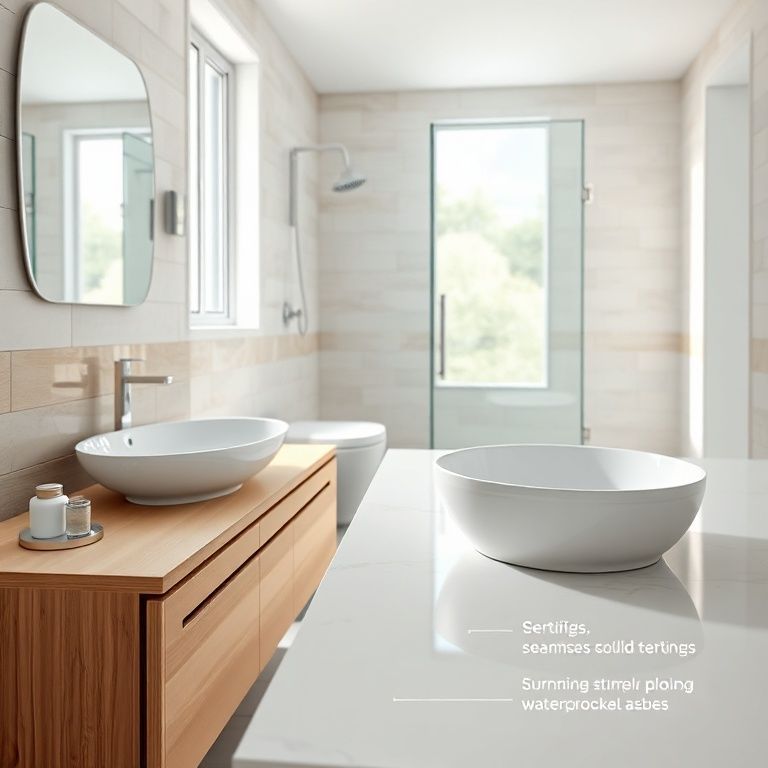
What is Engineered Marble? Engineered marble, also known as artificial or synthetic marble, is a composite material crafted from natural marble and other substances. Typically, it consists of a top layer of marble dust bound together with a resin. This combination results in a product that mimics the aesthetic appeal of natural marble while incorporating the added benefits of durability and cost-effectiveness.
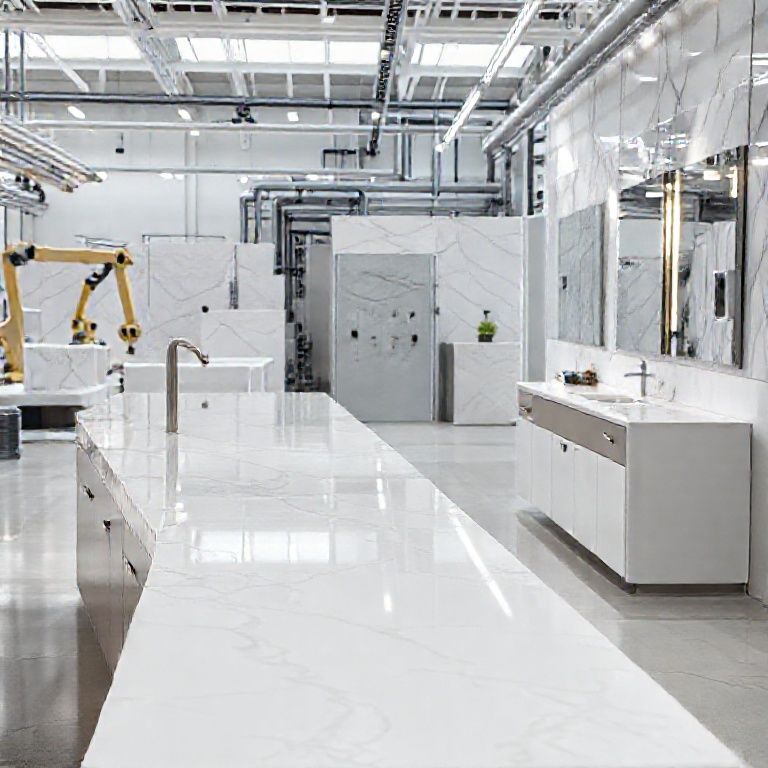
Construction Process: The creation of engineered marble begins with the meticulous extraction of marble dust from natural marble quarries. This dust is then mixed with a high-quality resin, which acts as a binder to form a solid, cohesive material. The mixture is pressed into shape and left to cure under high pressure and temperature, resulting in a product that is both visually stunning and structurally sound.
Benefits of Engineered Marble:
Durability: One of the key advantages of engineered marble is its superior durability compared to natural stone. The resin binder used in its construction provides enhanced resistance to scratches, chips, and stains, making it an ideal choice for high-traffic areas such as countertops and flooring.
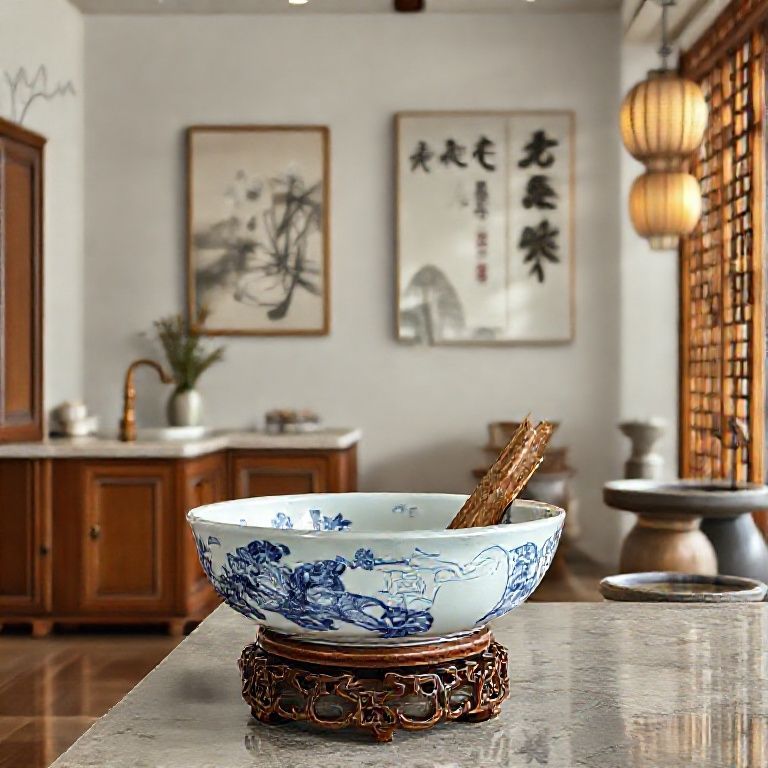
Cost-Effectiveness: Engineered marble is generally more affordable than natural marble, making it an attractive option for both residential and commercial projects. The lower cost is due to the efficient manufacturing process and the use of less expensive materials.
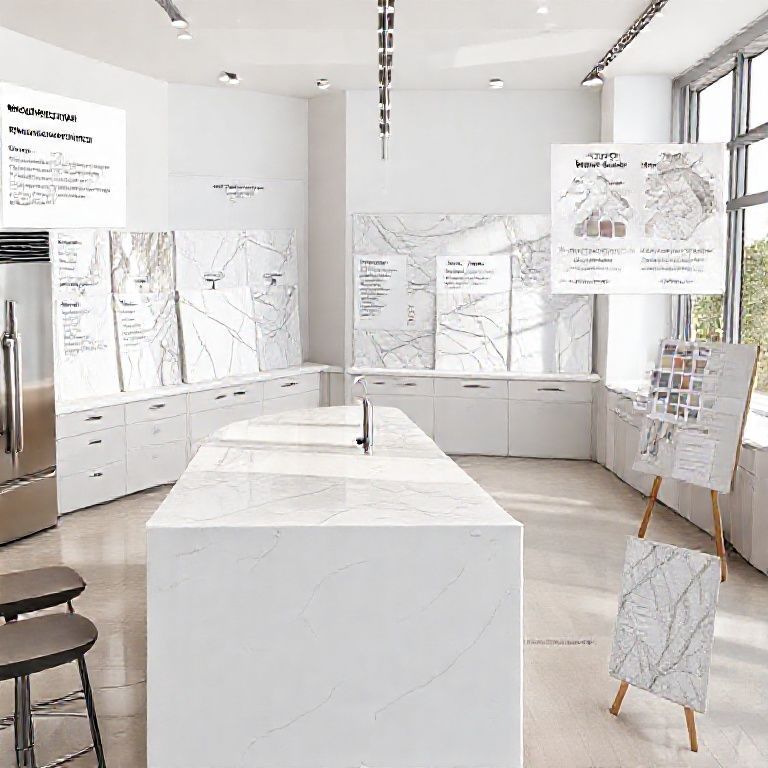
Customization: Engineered marble can be tailored to meet specific design requirements. It offers a wide range of colors, patterns, and finishes, allowing for limitless creative possibilities. This customization is particularly beneficial for architects and designers who seek unique and personalized solutions.
Weight: Unlike natural stone, engineered marble is significantly lighter. This makes it easier to install and transport, reducing labor costs and time.
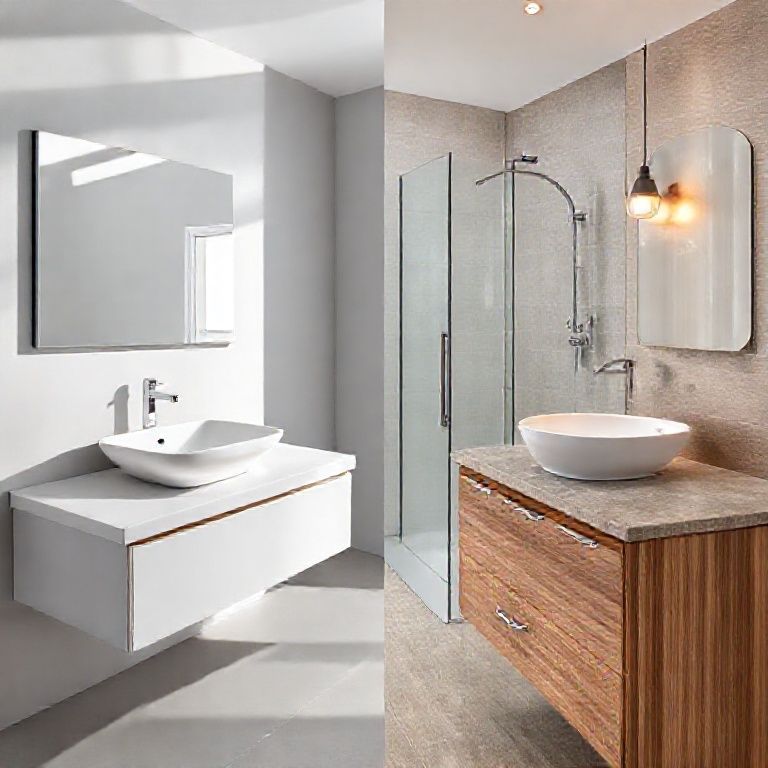
Maintenance: The resin binder in engineered marble provides a protective layer that resists moisture and stains, requiring less maintenance compared to natural marble. Regular cleaning with mild soap and water typically suffices to keep engineered marble looking pristine.
Applications of Engineered Marble: Engineered marble’s versatility makes it suitable for various applications, including:
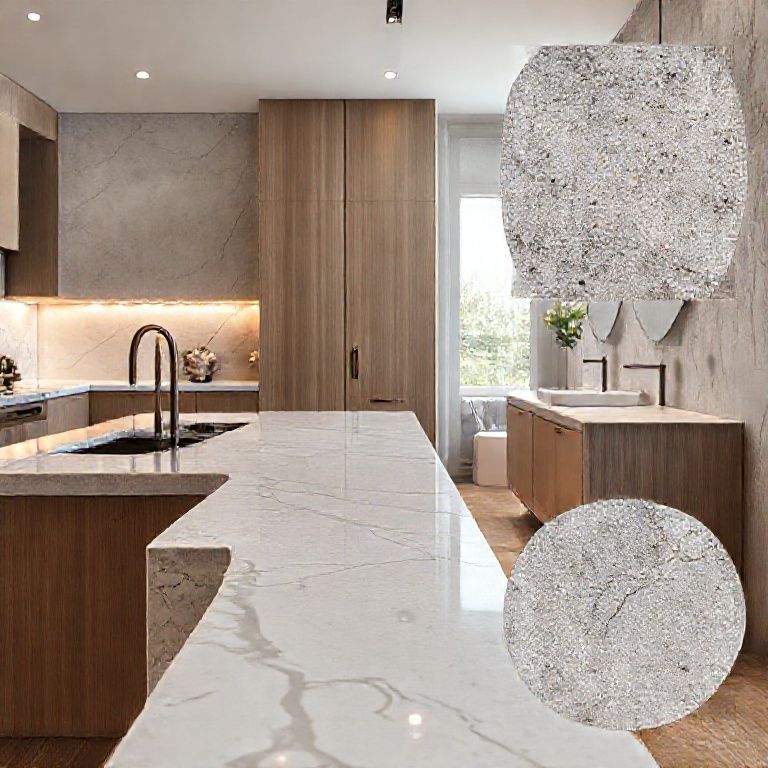
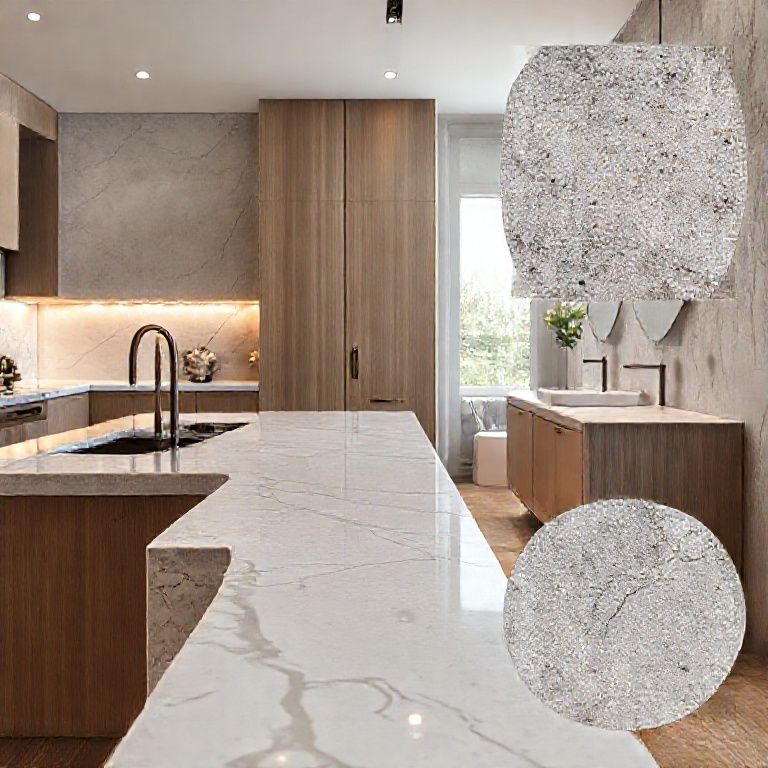
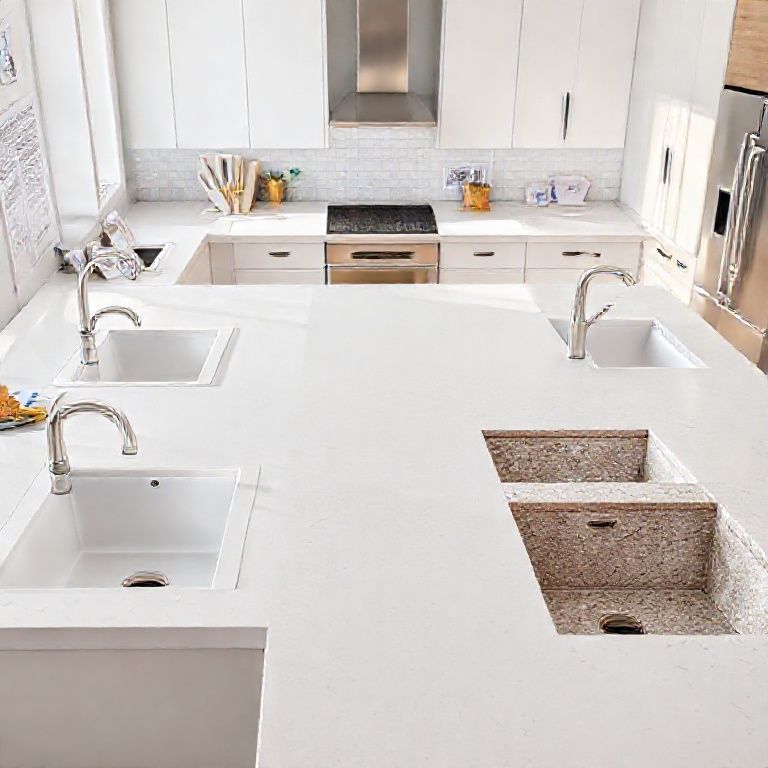
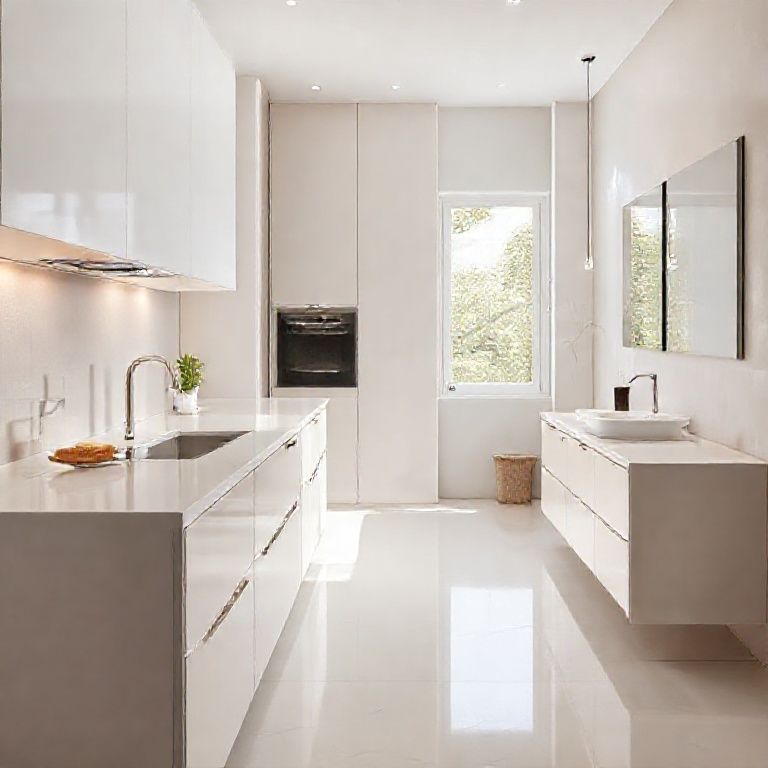
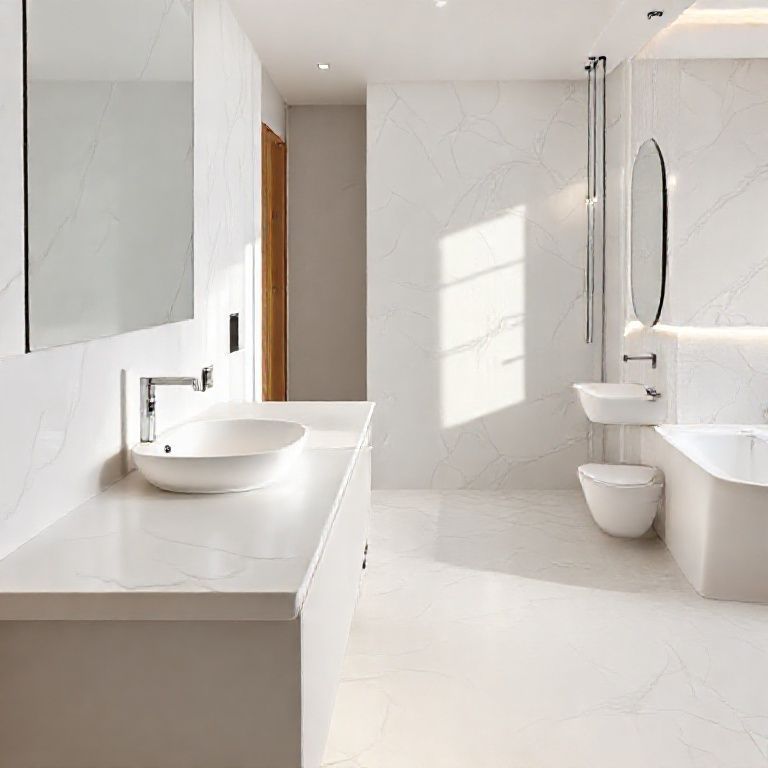
Countertops: Engineered marble countertops are popular in kitchens and bathrooms due to their durability and aesthetic appeal. They offer the look of luxury marble at a fraction of the cost.
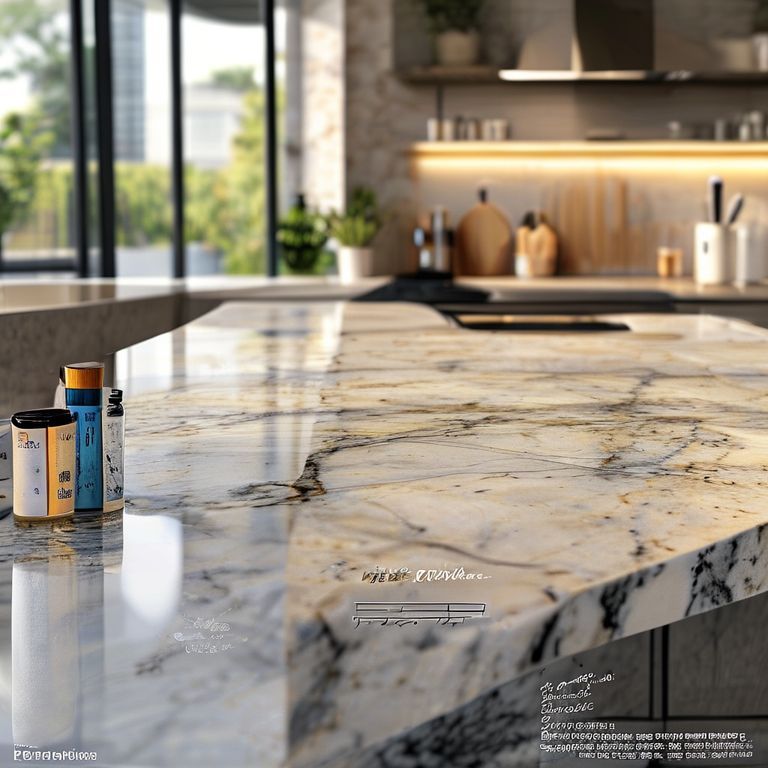
Flooring: High-quality engineered marble tiles can be used for flooring, providing a sophisticated and durable option for both residential and commercial spaces.
Tabletops: Engineered marble tabletops are increasingly used in dining tables, coffee tables, and desks, combining durability with an elegant appearance.
Wall Cladding: Used for wall cladding, engineered marble adds a touch of elegance and modernity to interior and exterior spaces.
Conclusion: Engineered marble is a remarkable material that combines the beauty of natural marble with the advantages of modern technology. Its construction process ensures a product that is not only visually appealing but also highly durable and cost-effective. In the next part of this guide, we will explore the comparative analysis of engineered marble versus natural marble, delve into installation tips, and provide insights into the long-term care and maintenance of engineered marble.
Comparing Engineered Marble to Natural Marble and Maintenance Insights
Introduction: Having explored the construction, benefits, and applications of engineered marble in Part 1, we now turn our attention to comparing engineered marble with natural marble. Understanding the differences and similarities between these two materials will help you make an informed decision about which is best suited for your needs. Additionally, we will provide valuable maintenance tips to ensure the longevity and beauty of engineered marble.
Comparative Analysis: Engineered vs. Natural Marble
Aesthetic Appeal: Both engineered and natural marble offer stunning visual appeal, but there are differences in texture and pattern.
Engineered Marble: Engineered marble is crafted to mimic the appearance of natural marble, often with exceptional precision. The top layer of marble dust and resin creates a surface that can replicate the intricate veining and color variations found in natural marble. While engineered marble can achieve a high degree of realism, it lacks the unique imperfections that characterize natural marble.
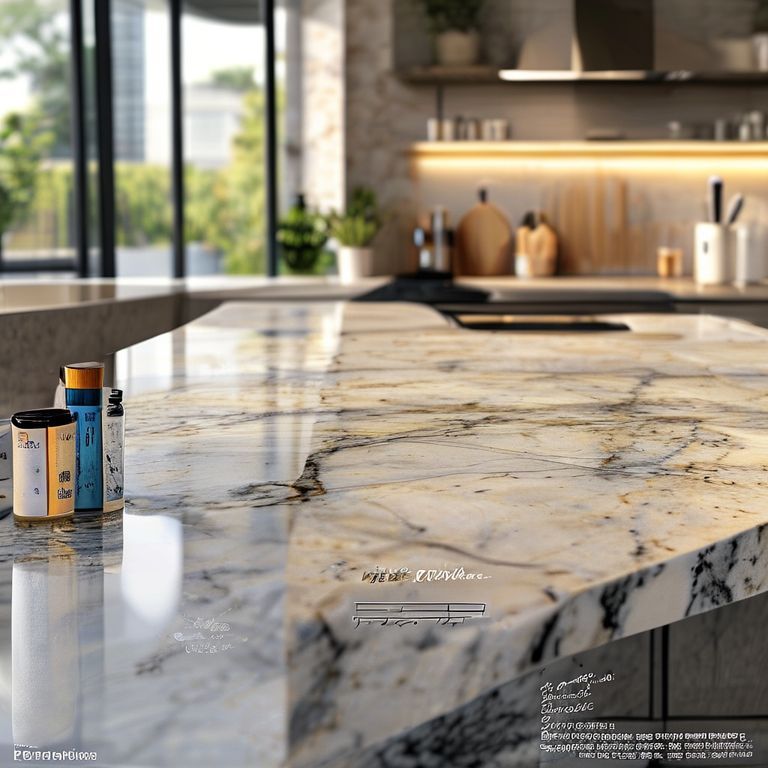
Natural Marble: Natural marble is prized for its one-of-a-kind appearance. Each piece features distinct veins, swirls, and color variations that make it unique. The natural imperfections add character and authenticity, making natural marble highly desirable for those seeking a genuine, non-repetitive look.
Durability: Durability is where engineered marble often edges out natural marble, thanks to the resin binder used in its construction.
Engineered Marble: The resin binder in engineered marble provides significant resistance to scratches, chips, and stains. This makes it a durable option for high-traffic areas such as countertops and flooring. Engineered marble is also less prone to cracking and splitting, which can occur in natural marble due to natural fractures and imperfections.
Natural Marble: While natural marble is beautiful, it is more susceptible to damage. It requires sealing to prevent staining and can be prone to chips and cracks, especially in areas subjected to heavy use or accidental impacts.
Maintenance: Proper maintenance is crucial for preserving the beauty and durability of both engineered and natural marble.
Engineered Marble: Engineered marble’s resin binder offers excellent resistance to moisture and stains. Regular cleaning with a mild soap and water solution is typically sufficient to maintain its appearance. It is important to avoid using abrasive cleaners or sharp objects that can scratch the surface.
Natural Marble: Natural marble requires more meticulous care. It needs to be sealed regularly to prevent staining, and it is more susceptible to damage from spills and impacts. Using a marble-specific cleaner and applying a protective sealant every few months can help maintain its beauty and longevity.
Installation Tips:
Engineered Marble Countertops: When installing engineered marble countertops, it’s important to follow the manufacturer’s guidelines for cutting, fitting, and sealing. Proper installation ensures that the material remains protected against scratches and stains. It’s also advisable to use a waterproof adhesive and sealant to enhance durability.
Natural Marble Installation: Installing natural marble requires careful planning to account for its natural imperfections. It’s important to work with experienced professionals who can ensure precise fitting and sealing to protect against damage.
Long-Term Care and Maintenance:
Regular Cleaning: Regardless of whether you choose engineered or natural marble, regular cleaning is essential. Use a soft cloth with a mild soap and water solution to wipe down surfaces. Avoid using acidic or abrasive cleaners that can damage the material.
Stain Protection: For natural marble, regular sealing is crucial to protect against stains and moisture. Engineered marble benefits from periodic cleaning but does not require frequent sealing. However, it’s still important to apply a protective sealant every few years to maintain its durability.
Handling Spills: Both materials require prompt attention to spills. Blot up liquids immediately to prevent stains and damage. For natural marble, applying a sealant can help restore its protective barrier. For engineered marble, regular cleaning is usually sufficient.
Avoiding Heat Sources: To prevent discoloration, avoid placing hot pots, pans, or other heat sources directly on marble surfaces. Use trivets or heat-resistant pads to protect the material.
Conclusion: Engineered marble offers a compelling combination of the aesthetic appeal and durability of natural marble with added benefits such as cost-effectiveness, customization, and reduced maintenance. While natural marble has its unique charm, engineered marble often provides a practical and long-lasting alternative. Proper installation and regular maintenance are key to ensuring that your choice of marble remains beautiful and durable for years to come. Whether you choose engineered or natural marble, both materials can enhance the elegance and functionality of your space.