Origins, Sustainability, and Initial Environmental Impact
In the world of home decor, the choice between granite and marble for a dining table often becomes a significant decision not just for aesthetics, but also for functionality and sustainability. Let’s start by delving into the origins and initial environmental impacts of both materials.
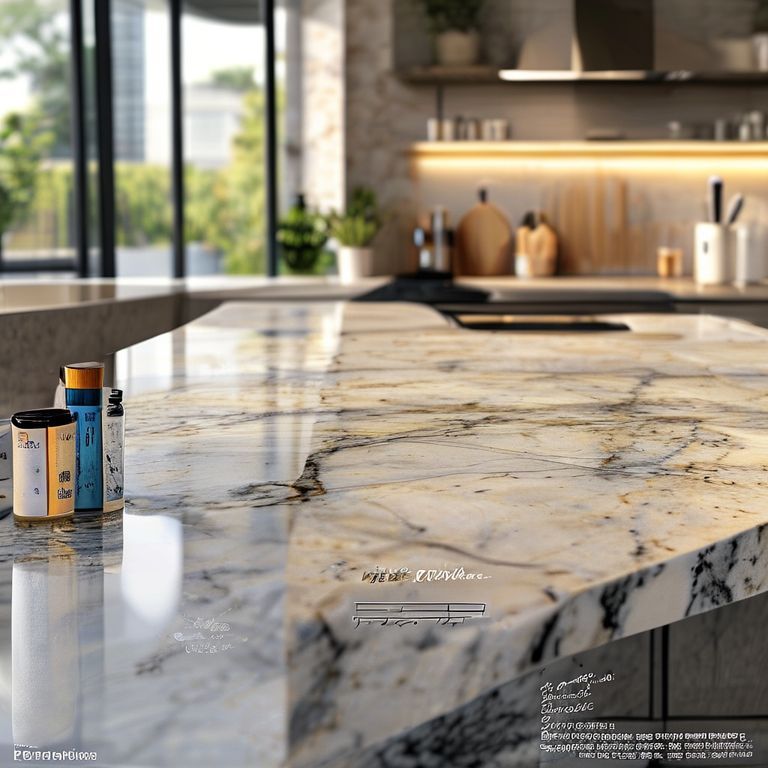
Understanding Granite and Marble
Granite: Granite is a robust, naturally occurring igneous rock composed mainly of quartz, feldspar, and mica. It’s renowned for its durability, strength, and a wide range of colors and patterns. Quarried from deep within the earth, granite is formed under high-pressure conditions over millions of years.
Marble: Marble, on the other hand, is a metamorphic rock that originates from the transformation of limestone due to intense heat and pressure. Its characteristic beauty lies in its veining and patterns, which can vary dramatically from one piece to another. Marble is formed over millions of years as limestone is metamorphosed.
Initial Environmental Impact
When considering the environmental impact, it’s essential to take a closer look at the mining and quarrying processes involved in extracting these materials.
Granite: The extraction of granite involves extensive quarrying activities that can disrupt local ecosystems. While granite mining doesn’t require extensive processing after extraction, it does generate significant dust and noise pollution. Additionally, the transportation of granite from quarries to manufacturing facilities can have a carbon footprint due to the distance traveled.
Marble: Marble mining also involves significant ecological disruption, often leading to habitat destruction and soil erosion. Unlike granite, marble requires considerable processing to achieve its characteristic finish, which includes cutting, sawing, and polishing. These processes are energy-intensive and generate substantial waste and pollution.
Sustainability and Resource Management
Granite: Granite is a highly durable material that often requires minimal maintenance, thus reducing the frequency of replacement and the associated environmental costs. However, it’s important to note that not all granite sources are created equal. Ethically sourced granite that minimizes environmental disruption and supports local communities can be a more sustainable choice.
Marble: Marble’s environmental footprint is higher due to its processing needs and the ecological damage caused by quarrying. However, some marble sources have implemented more sustainable practices, such as reducing waste and employing cleaner production methods. It’s crucial to research the specific mines and manufacturers to ensure that the marble you choose is harvested and processed in an environmentally responsible manner.
Sourcing and Certification
For both materials, sourcing plays a crucial role in their sustainability. Certifications such as the Responsible Minerals Initiative (RMI) and GreenGuard can help identify suppliers who adhere to sustainable and ethical practices. When purchasing granite or marble for your dining table, look for products that have these certifications to ensure they’re as eco-friendly as possible.
Conclusion
While both granite and marble offer stunning aesthetic qualities, their environmental footprints differ significantly. Granite tends to be more sustainable due to its durability and lower processing needs. Marble, although beautiful, typically has a higher initial environmental impact due to extensive processing and ecological disruption. The next part of this article will delve deeper into long-term sustainability, maintenance, and overall eco-friendliness, helping you make an informed decision for your dining table.
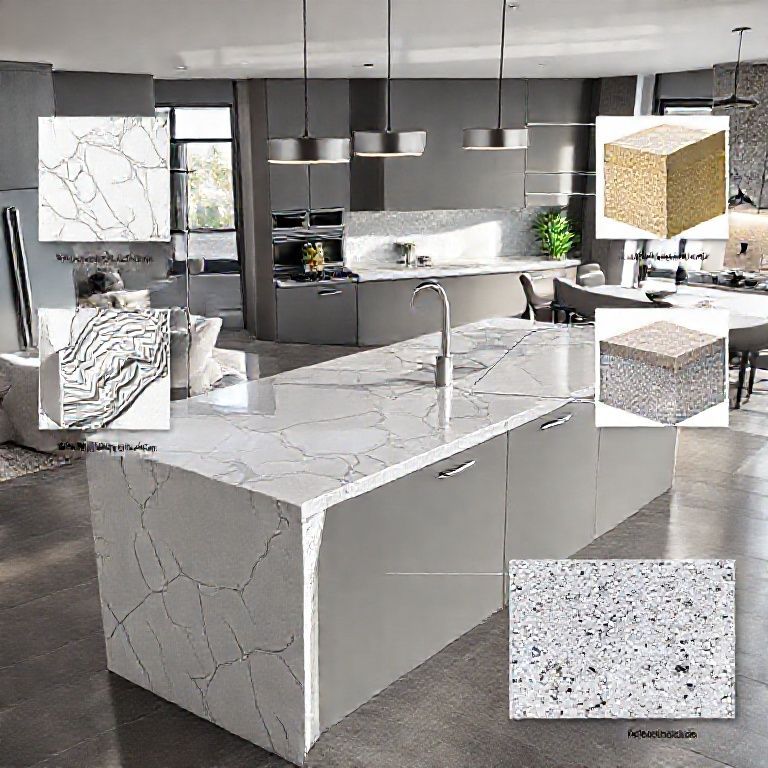
Long-Term Sustainability, Maintenance, and Eco-Friendliness
In the previous part, we explored the origins and initial environmental impact of granite and marble. Now, let’s delve deeper into long-term sustainability, maintenance, and overall eco-friendliness to help you make a truly informed decision for your dining table.
Long-Term Sustainability
Granite:
Durability and Longevity: Granite is known for its exceptional durability. A granite dining table can last for decades, often even centuries, with proper care. This longevity means fewer replacements over time, reducing the need for continual mining and quarrying. The long lifespan of granite also means less waste generation and lower overall environmental impact.
Low Maintenance: Granite requires minimal maintenance. It’s highly resistant to scratches, stains, and heat, which means it doesn’t need frequent cleaning or special treatments. This low-maintenance nature contributes to its sustainability as it reduces the need for chemical cleaners and additional resources for maintenance.
Recycling and Reuse: Granite is a non-renewable resource, but when it does need to be replaced, recycling and reusing old granite can be a more sustainable option. Many manufacturers offer recycling programs where old granite countertops can be ground down and repurposed, reducing waste.
Marble:
Aesthetic Appeal vs. Durability: Marble, while stunning, is less durable compared to granite. It’s susceptible to scratches, stains, and acid damage. This necessitates regular maintenance, including sealing and cleaning, which can involve the use of chemicals and additional resources. The shorter lifespan of a marble table means more frequent replacements, leading to higher environmental costs.
Recycling Challenges: Marble recycling is more complex compared to granite. The metamorphic nature of marble makes it difficult to recycle without significant loss of quality. This complexity often results in less recycling and more waste.
Maintenance and Eco-Friendliness
Granite:
Low Chemical Use: Granite’s resistance to stains and heat means it rarely needs chemical treatments. The low chemical use contributes to its eco-friendliness by reducing the environmental impact associated with chemical production and disposal.
Long-Lasting Elegance: The natural beauty of granite doesn’t require additional treatments or frequent replacement. This longevity means fewer resources are used over time, making granite a more sustainable choice in the long run.
Marble:
Frequent Chemical Treatments: Marble requires frequent sealing to protect its surface from stains and acids. These sealing treatments involve chemicals that can be harmful to the environment if not disposed of properly. The need for regular maintenance increases the overall environmental impact.
Shorter Lifespan: Given its lower durability, marble tables typically need more frequent replacements. This higher replacement rate means more quarrying, processing, and waste generation over time.
Ethical Sourcing and Certifications
Granite: As previously mentioned, ethical sourcing is crucial for granite. Look for granite that is sourced from mines that adhere to sustainable practices and support local communities. Certifications such as RMI and GreenGuard can help identify responsibly sourced granite.
Marble: For marble, it’s essential to research the specific sources and manufacturers. Opt for marble that is harvested and processed in a way that minimizes environmental disruption. Look for certifications and ethical practices that ensure sustainable sourcing.
Environmental Footprint and Carbon Emissions
Granite: The carbon footprint of granite is relatively low once it’s extracted and processed. Its durability means it doesn’t need frequent replacement, which reduces the overall carbon emissions associated with its lifecycle.
Marble: The carbon footprint of marble is higher due to the energy-intensive processes required to transform limestone into marble. Additionally, marble’s shorter lifespan means more frequent replacements, leading to a higher overall carbon footprint.
Conclusion
In conclusion, when it comes to choosing between granite and marble for your dining table, the sustainability and eco-friendliness of both materials present distinct advantages and challenges. Granite offers superior durability, low maintenance, and long-term sustainability, making it a more environmentally responsible choice. On the other hand, marble’s maintenance needs and shorter lifespan contribute to a higher environmental impact.
By considering the long-term sustainability, maintenance requirements, and overall eco-friendliness of both materials, you can make an informed decision that aligns with your environmental values. Whether you choose granite for its durability and low maintenance or marble for its aesthetic appeal, ensuring ethical sourcing and responsible practices will help minimize the environmental footprint of your dining table.
When making your choice, always look for certifications and ethical practices that support sustainability and environmental responsibility. By doing so, you can enjoy the beauty and functionality of your dining table while also contributing to a healthier planet.