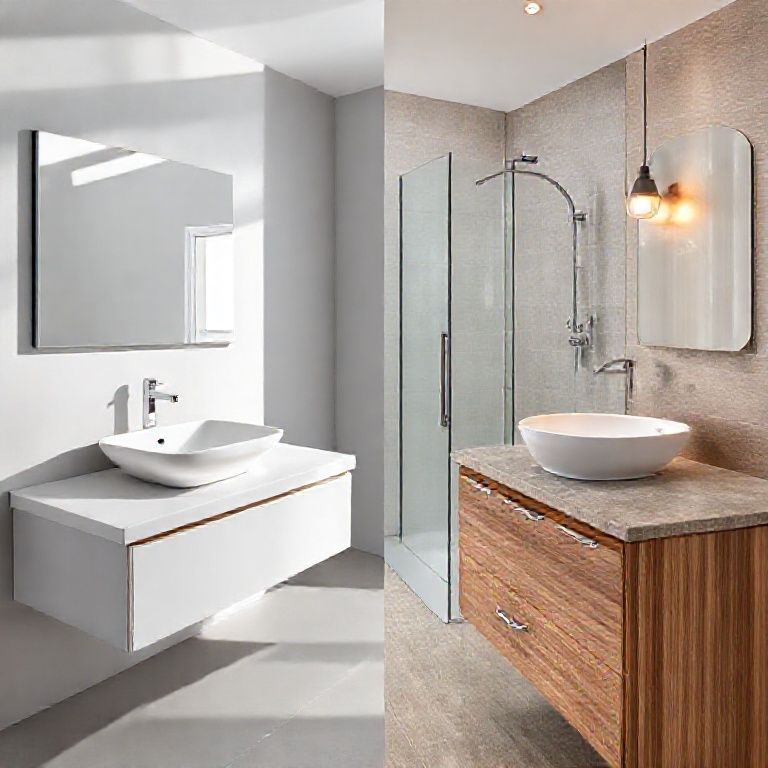
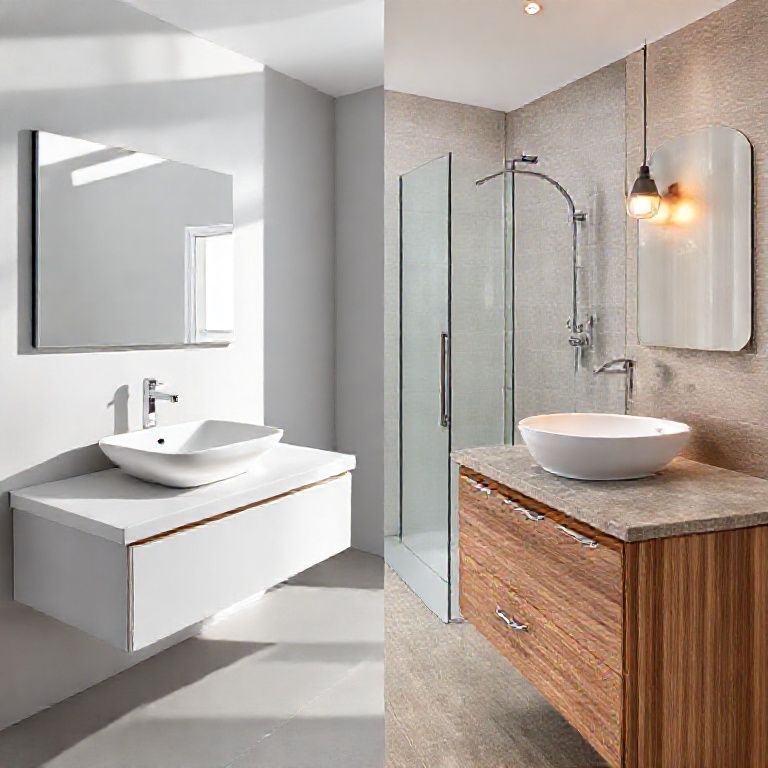
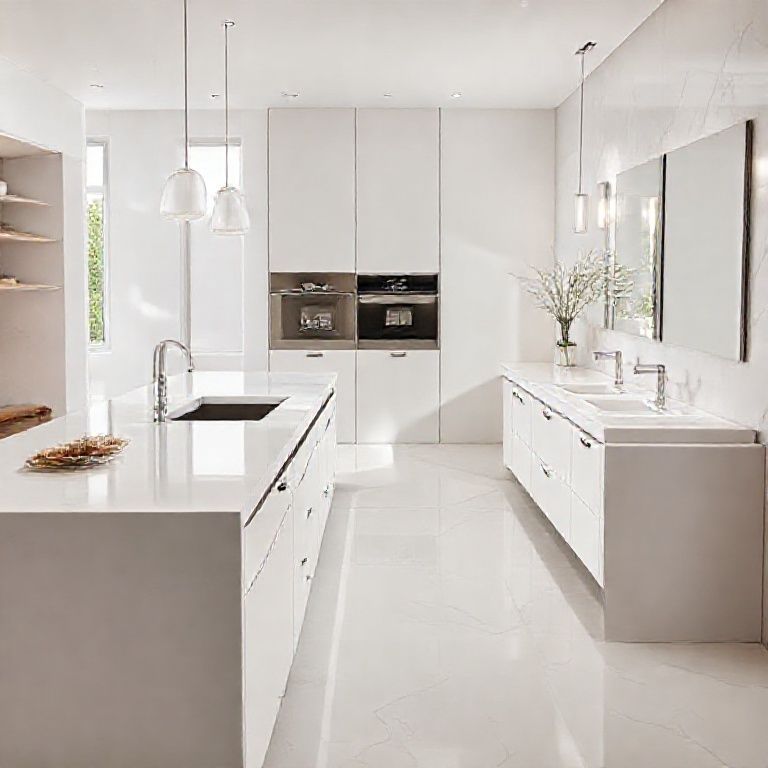
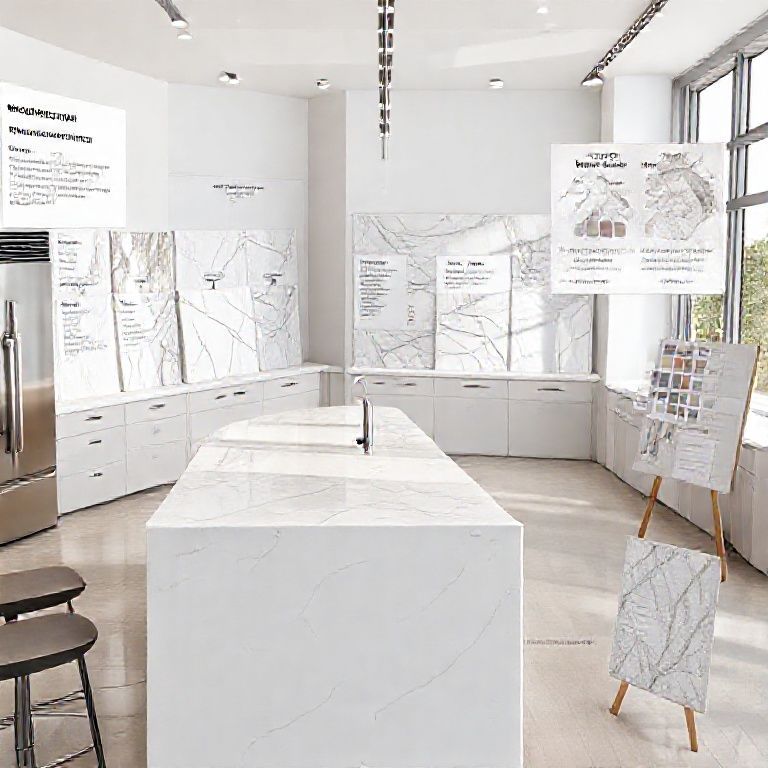
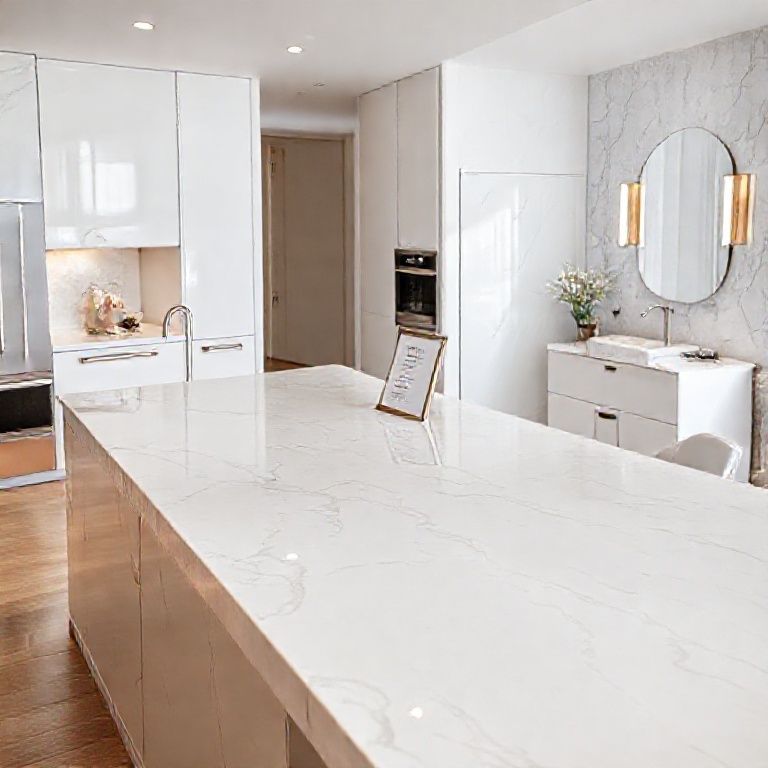
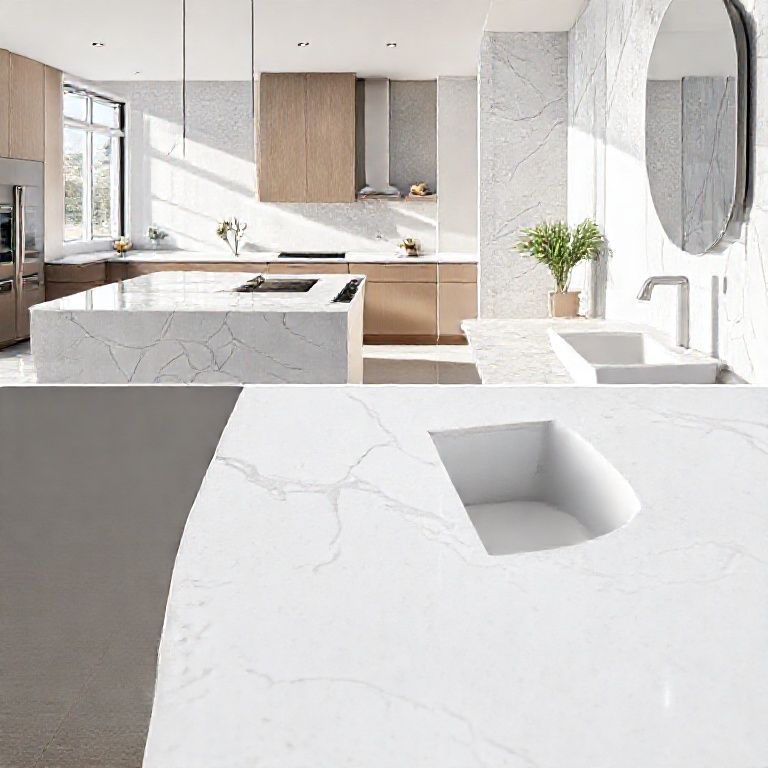
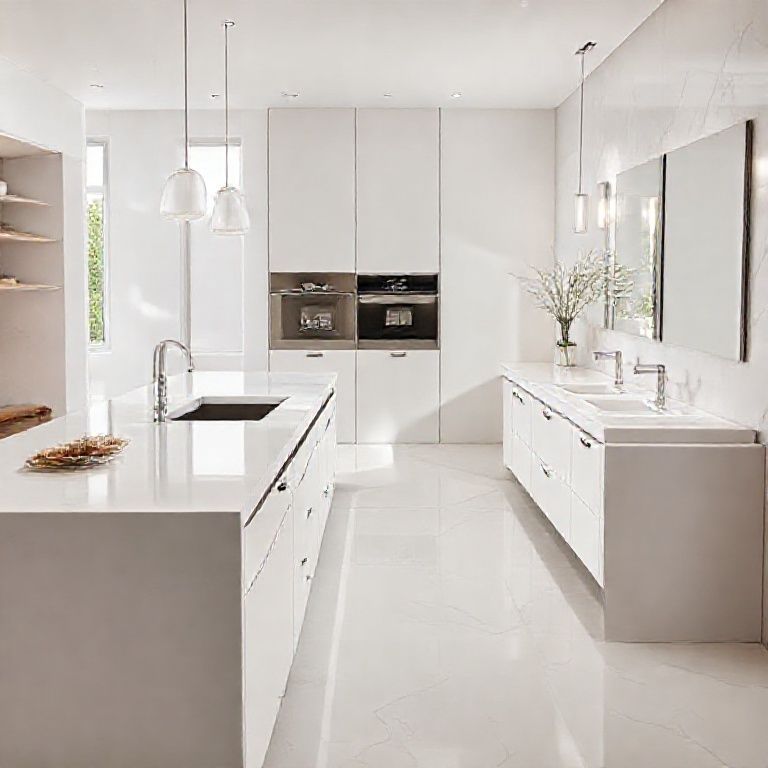
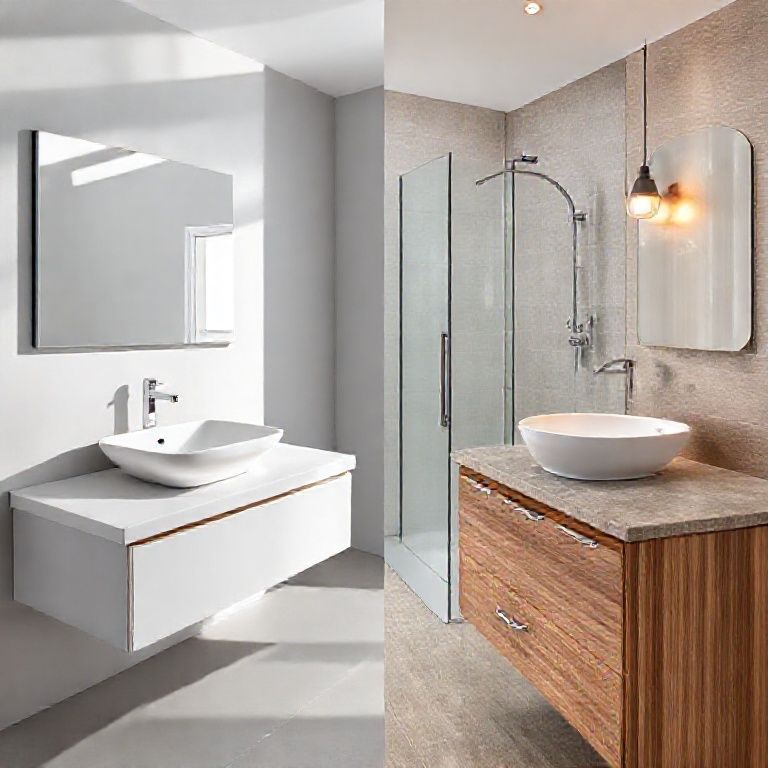
When it comes to selecting the perfect countertop for your kitchen or bathroom, the decision between Corian and Quartz often presents a significant dilemma. Both materials have their unique benefits and drawbacks, but understanding their fundamental properties can help you make an informed choice. In this part, we will explore the durability and aesthetic aspects of Corian and Quartz in detail.
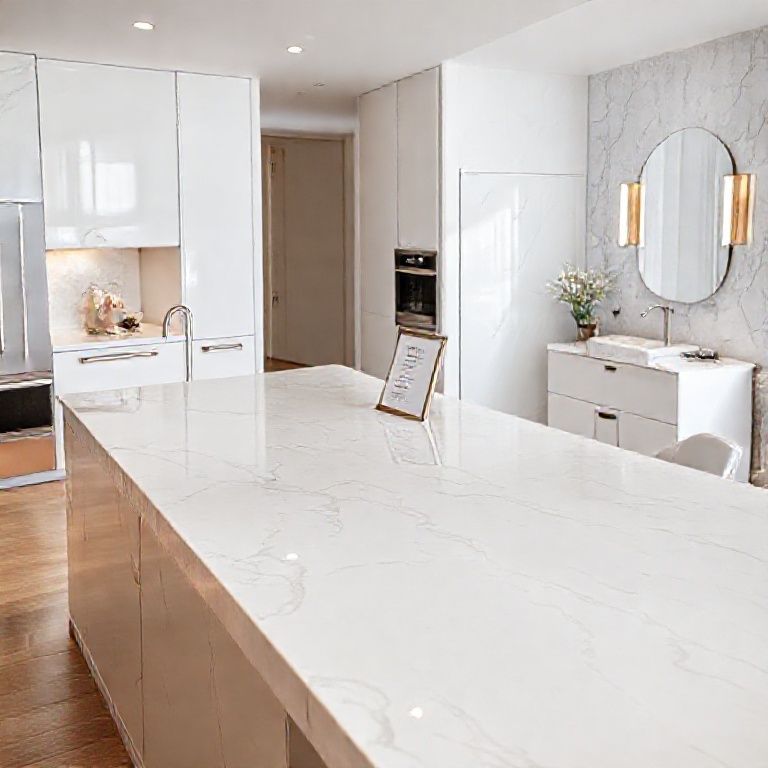
Durability: The Battle of the Titans
Corian: Corian, manufactured by DuPont, is a type of solid surface material made from a combination of acrylic resins and minerals. Known for its impressive durability, Corian is highly resistant to scratches, stains, and chemical spills. Its hardness, on the Mohs scale, measures 3, which means it can withstand daily wear and tear remarkably well.
One of Corian’s standout features is its ability to handle high temperatures. It can resist thermal shock, meaning it won’t crack if subjected to sudden temperature changes. Corian also features a smooth, non-porous surface that makes it easier to clean and maintain. This material is particularly favored in areas where spills and splashes are common, such as kitchens.
Quartz: On the other hand, Quartz countertops are made from 93% quartz crystals that are fused together with resin. This process results in a material that is extremely hard and scratch-resistant. Quartz has a hardness of 7 on the Mohs scale, making it one of the hardest materials available for countertops. This means that Quartz is exceptionally resistant to scratches, making it a popular choice for high-traffic areas.
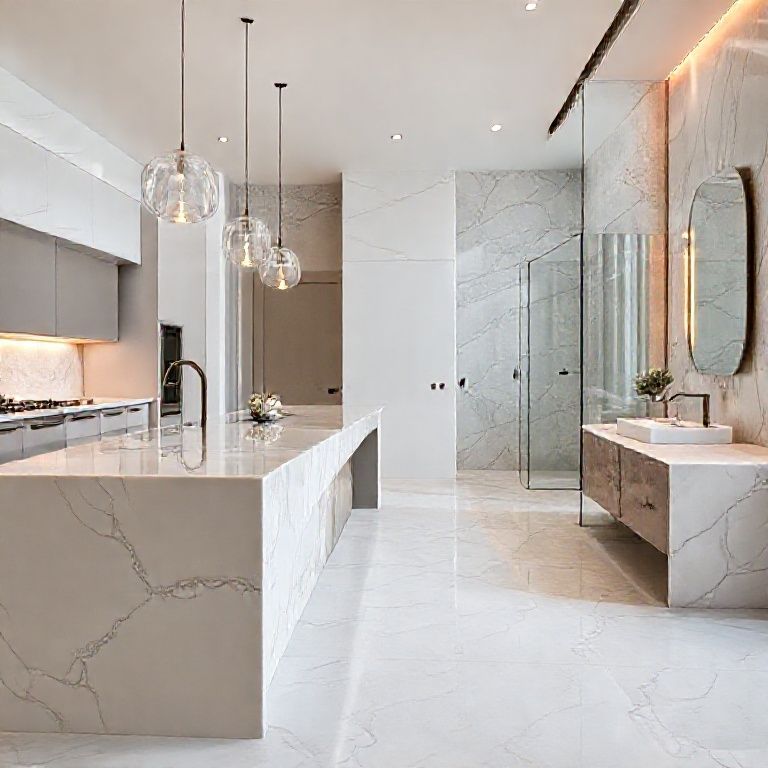
Moreover, Quartz is also resistant to stains and chemicals, though it is slightly less so than Corian in terms of chemical resistance. However, its scratch resistance more than makes up for this. Quartz is also highly durable against thermal shock, maintaining its integrity even when exposed to hot pots and pans.
Aesthetic Appeal: A Visual Feast
Corian: Corian offers a wide array of colors and patterns, allowing for a high degree of customization. Its surface can be polished to a high sheen, giving it a sleek and modern look. Corian’s versatility means it can mimic various materials, from marble to wood, providing a unique aesthetic appeal that can complement a variety of design styles.
One of the significant advantages of Corian is its flexibility in design. Whether you prefer a sleek, contemporary look or something more rustic, Corian can be molded into various shapes and sizes. Additionally, its color options are extensive, allowing for a tailored appearance that suits your exact aesthetic preferences.
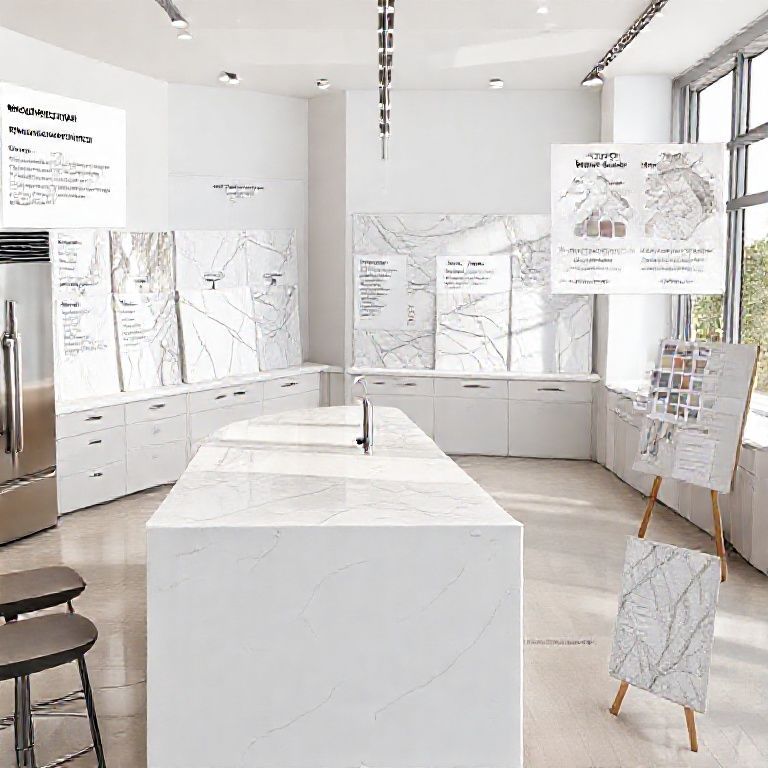
Quartz: Quartz countertops are renowned for their stunning visual appeal. The material offers a vast range of colors, patterns, and textures, which are achieved through a process called “matrix technology.” This technology allows manufacturers to infuse quartz with different colors and patterns, resulting in a visually striking surface that can mimic natural stones like marble and granite.
Quartz’s aesthetic versatility is one of its biggest selling points. The material can be crafted into various textures, from sleek and smooth to more intricate and detailed designs. This flexibility means that Quartz can fit seamlessly into a wide range of design styles, from modern and minimalist to traditional and ornate.
Maintenance: Ease of Care
Corian: Corian is relatively low-maintenance compared to natural stone countertops. Its non-porous surface means it does not absorb liquids, making spills easy to clean. Simply wipe with a damp cloth and mild detergent, and your Corian countertop will look as good as new. Corian also does not yellow or tarnish over time, maintaining its appearance with minimal effort.
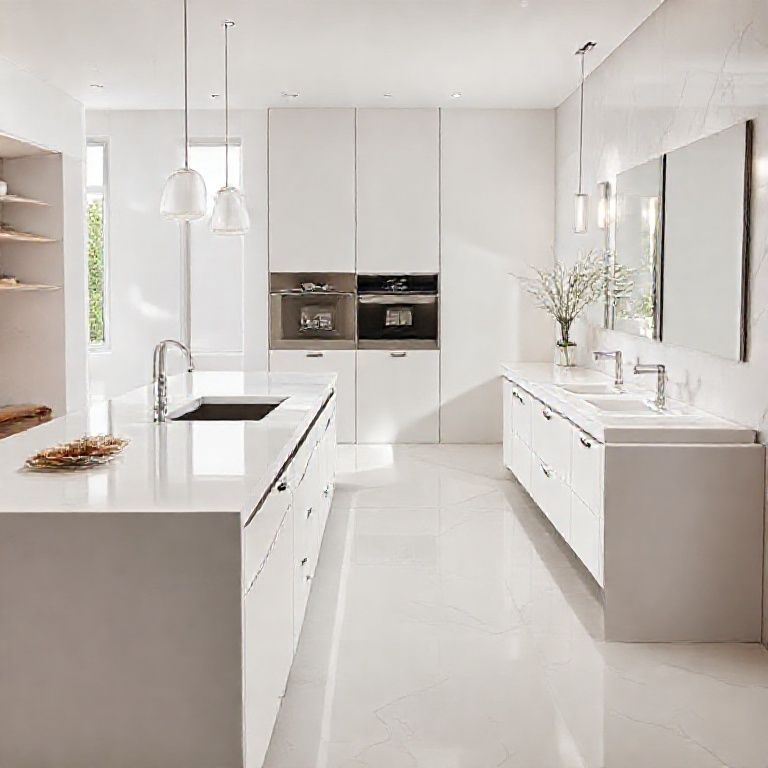
However, Corian’s edges are not as scratch-resistant as its surface. If you’re particularly rough with your utensils, you may find small scratches at the edges. To prevent this, it’s advisable to use cutting boards and place trivets under pots and pans.
Quartz: Quartz countertops are equally low-maintenance due to their non-porous nature. Cleaning is straightforward; a simple wipe with a damp cloth and mild soap will suffice. Quartz does not absorb liquids, stains, or yellow, ensuring that your countertop remains pristine with minimal effort.
Quartz’s surface is also highly scratch-resistant, meaning that it won’t show scratches from everyday use. However, it’s important to avoid using abrasive cleaners or scrubbing with harsh tools, as this can damage the surface.
Conclusion
Both Corian and Quartz offer excellent durability and aesthetic appeal, making them top choices for kitchen and bathroom countertops. Corian’s versatility and resistance to chemicals make it ideal for areas prone to spills and splashes. Quartz, with its superior scratch resistance and vast color options, provides a sleek and modern look that is hard to beat. Ultimately, the choice between Corian and Quartz will depend on your specific needs and preferences.
In the next part of this series, we will delve into the cost, installation, and maintenance of both materials to provide a comprehensive overview that will help you decide which countertop material is the ultimate choice for your home.
Continuing our detailed exploration of Corian and Quartz countertops, this part will focus on cost, installation, and maintenance. Understanding these factors will provide you with a comprehensive view of each material’s long-term benefits and challenges, aiding in your decision-making process.
Cost: Investing in Durability and Aesthetics
Corian: Corian is generally more affordable than Quartz. The cost of Corian countertops typically ranges from $35 to $65 per square foot, depending on the design and complexity of the installation. Corian’s wide range of colors and patterns adds to its versatility but may also increase the cost slightly. However, its durability and low maintenance often justify the initial investment.
Quartz: Quartz countertops are on the higher end of the price spectrum, with costs ranging from $45 to $125 per square foot. The price difference is mainly due to the extensive range of colors and patterns available, which often require more sophisticated manufacturing processes. However, Quartz’s superior scratch resistance and aesthetic appeal make it a worthwhile investment for many homeowners.
Installation: Ease and Expertise
Corian: Corian’s installation process is relatively straightforward. It can be cut and shaped using standard tools, making it easier for contractors to install. However, due to its softer nature compared to Quartz, Corian requires more careful handling to avoid scratches and damage during installation. It’s advisable to hire experienced professionals to ensure a smooth installation process.
Quartz: Quartz installation is more complex due to its hardness. The material requires specialized tools and techniques for cutting and shaping. Because Quartz is harder, it can be more challenging to work with, but it also means that once installed, it is less likely to be damaged during the installation process. Contractors need to have expertise in handling hard materials to ensure proper installation.
Maintenance: Effortless Care
Corian: As previously mentioned, Corian’s non-porous surface makes it easy to maintain. Cleaning Corian countertops involves simply wiping them down with a damp cloth and mild soap. It’s important to avoid using abrasive cleaners or harsh scrubbing tools, as these can scratch the surface. Corian’s resistance to stains and chemicals ensures that it remains looking new with minimal effort.
Quartz: Similar to Corian, Quartz’s non-porous surface makes it simple to clean. A damp cloth and mild soap are sufficient for most cleaning needs. It’s crucial to avoid abrasive cleaners and harsh scrubbing, which can scratch the surface. Quartz’s resistance to stains, chemicals, and scratches ensures that it maintains its pristine appearance with minimal upkeep.
Long-Term Financial Implications
Corian: Corian’s lower initial cost and durability make it a cost-effective choice in the long run. While it may require more frequent replacement of cutting boards and trivets to avoid edge scratches, the overall maintenance cost remains relatively low. Corian’s longevity and resistance to everyday wear and tear help in reducing long-term expenses.
耐用性和长期价值
Corian: Corian具有出色的耐用性,但其硬度相对较低,虽然它对刮擦和污渍的抵抗能力强,但在高频使用的区域,例如厨房,它可能需要更频繁的维护和修复。尽管如此,Corian的耐用性和其他优点使其成为许多人在预算有限的情况下的理想选择。
Quartz: Quartz以其极高的硬度和耐用性著称,能够长时间保持其新的外观和功能。由于其卓越的抗刮擦性能,Quartz在高流量使用的区域表现尤为出色。由于其较高的初始成本,用户需要考虑到其长期价值和保养成本。尽管如此,Quartz的耐用性和其他特点通常会在多年的使用中回报其高初始投资。
环保和健康因素
Corian: Corian由于其合成材料的特性,在生产过程中可能会释放微量的VOC(挥发性有机化合物)。这些化学物质的释放量相对较小,且其制造过程已经采取了一些措施来减少这种影响。对于关注室内空气质量的用户来说,Corian提供了一个相对较好的选择,但仍需注意其环保属性。
Quartz: Quartz是由天然石英和树脂混合制成的,因此其环保特性较好,几乎不含有害化学物质。这使得Quartz成为那些关注健康和环保的人士的首选,因为它不仅对家庭成员无害,而且对环境的影响也较小。
设计和定制化
Corian: Corian在设计和定制化方面具有很大的灵活性。它可以被切割成各种形状和尺寸,并且可以提供多种颜色和图案。这使得Corian在设计独特和个性化的空间时非常受欢迎。
Quartz: Quartz同样提供了高度的设计灵活性,尤其是在颜色和图案方面。其“matrix technology”使得创造各种独特和复杂的设计成为可能。Quartz可以模仿自然石材的外观,并且可以制作出非常精致和复杂的图案。
结论
在选择Corian或Quartz时,考虑到你的预算、使用频率、设计需求以及对环保和健康因素的关注度是非常重要的。Corian提供了经济实惠、设计灵活且耐用的选择,而Quartz则以其卓越的耐用性、环保特性和美观性赢得了众多用户的青睐。
无论选择哪种材料,都应该考虑到其在你家庭环境中的长期表现和维护需求。在做出最终决定前,建议咨询专业的设计师或建筑师,以获得更具体和个性化的建议。