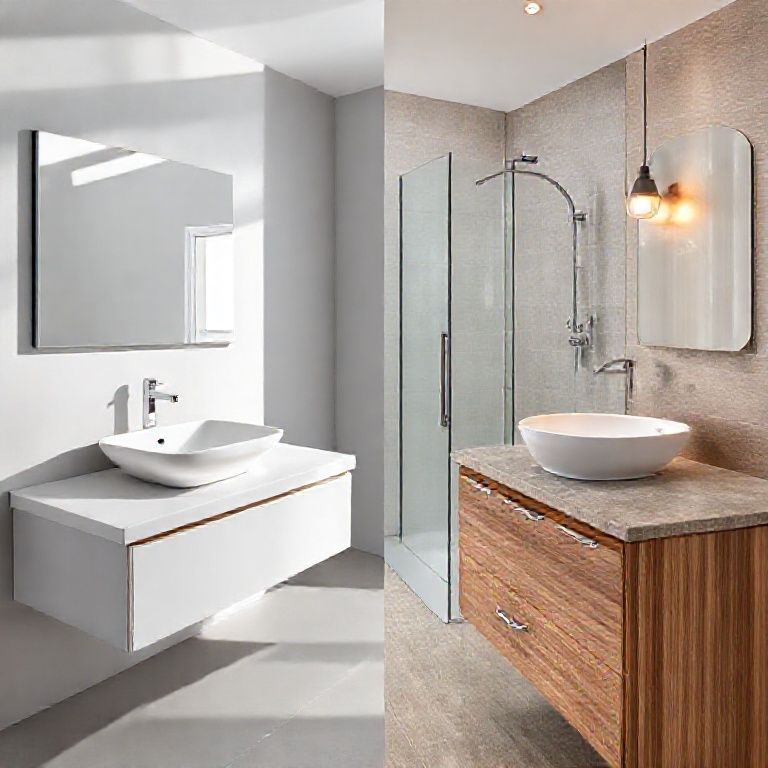
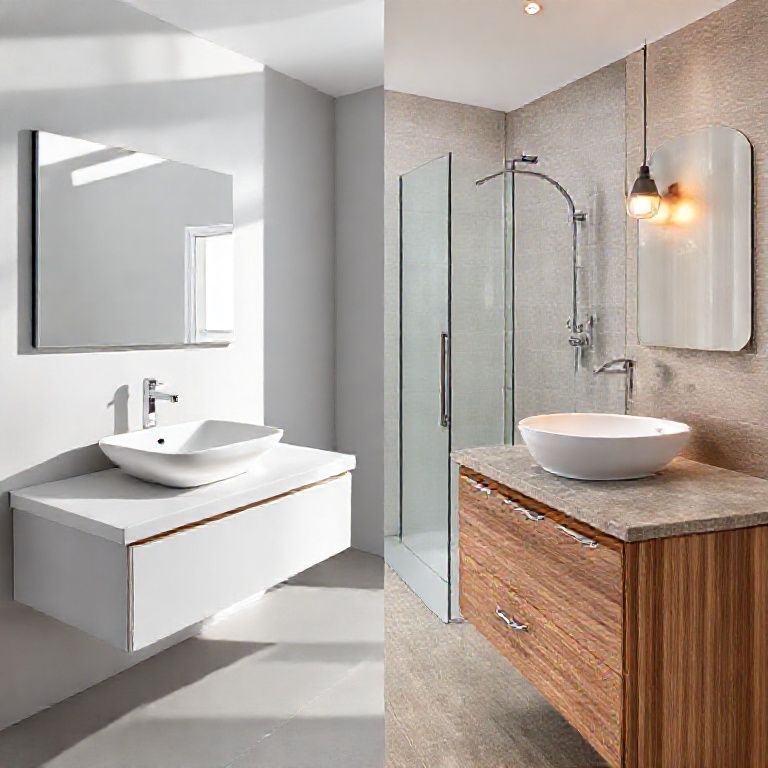
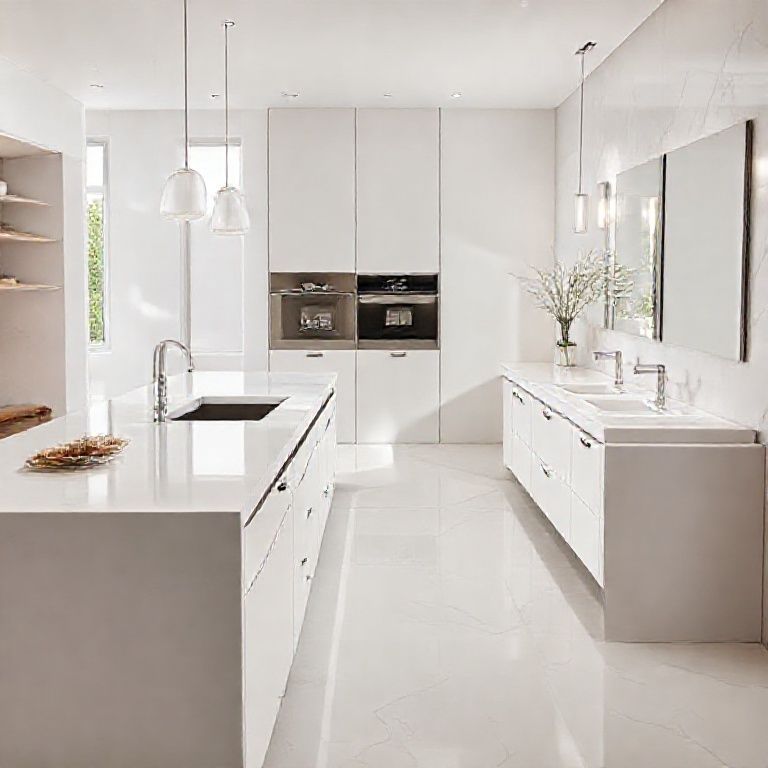
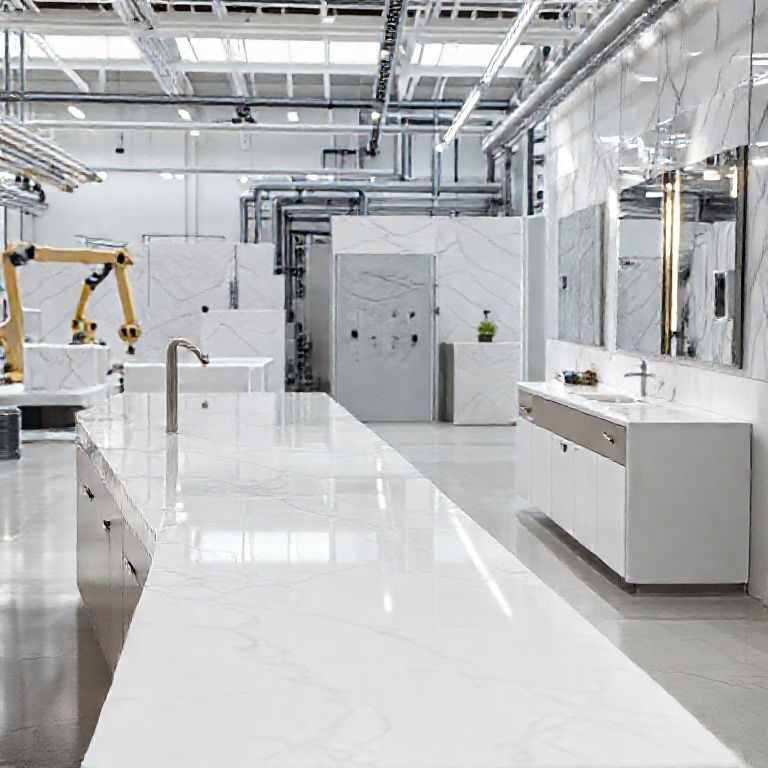
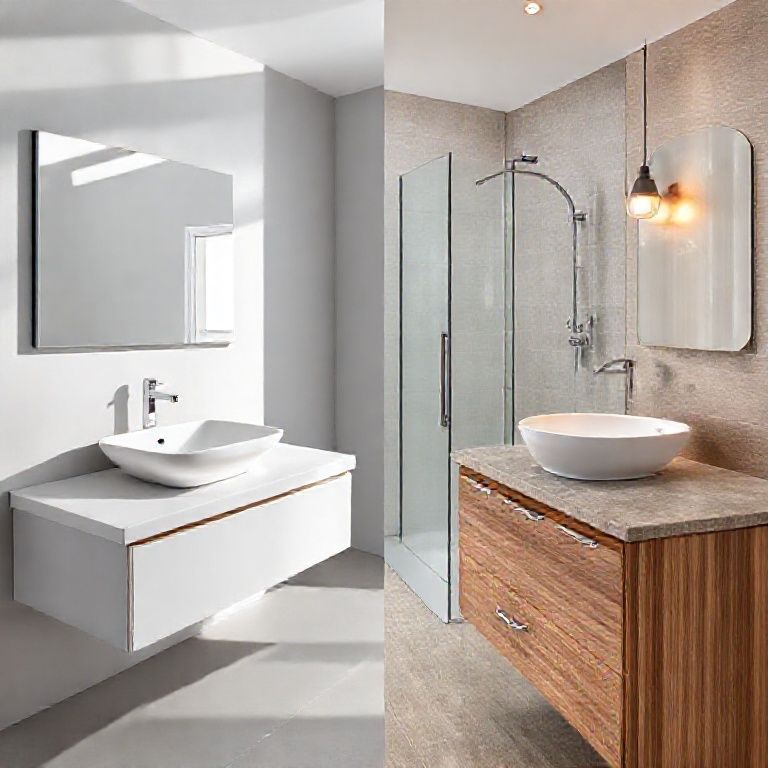
When considering the materials for your kitchen and bathroom countertops, two names frequently appear at the forefront: Corian and Quartz. Both materials have carved a niche in the industry for their exceptional qualities, making it essential to understand what sets them apart.
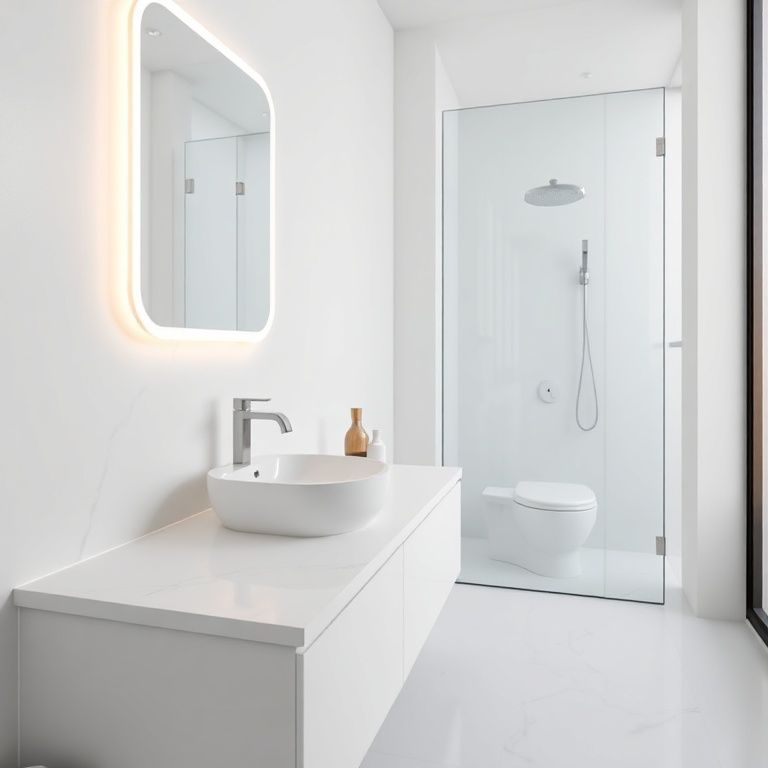
Corian: The High-Performance Polymer
Origins and Composition
Corian is a brand name for a high-performance polymer countertop material developed by DuPont. Introduced in the early 1970s, Corian has since become a popular choice for its unique blend of durability and aesthetic versatility. The material is composed of acrylic resins and mineral fillers, which are combined and processed under high pressure and temperature to create a solid, homogeneous surface.
Properties and Benefits
1. Versatility in Design: One of the standout features of Corian is its versatility in design. Available in a wide range of colors and finishes, Corian can mimic the look of natural stone, wood, and metal, allowing for virtually limitless design possibilities. This makes it an excellent option for those who desire a custom look tailored to their specific aesthetic preferences.
2. Durability: Corian is renowned for its scratch resistance and durability. Unlike traditional stone or wood, Corian does not absorb liquids, meaning spills and stains are easily wiped away without leaving marks. This makes it a practical choice for high-traffic areas like kitchens and bathrooms.
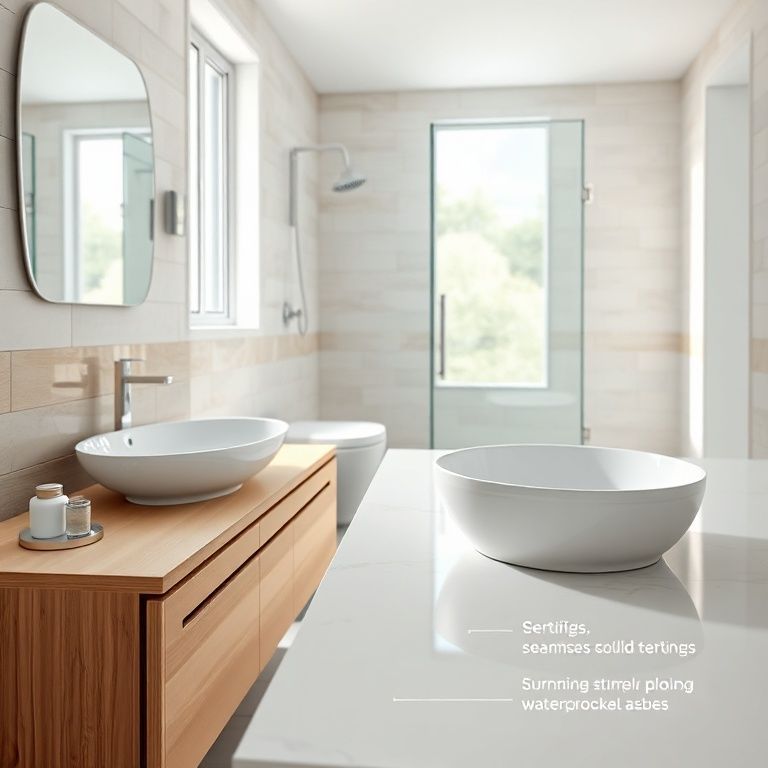
3. Low Maintenance: The non-porous nature of Corian means it is easy to clean and maintain. Regular cleaning with a mild soap and water solution is typically sufficient to keep Corian surfaces looking pristine. Additionally, Corian is resistant to bacteria and mold, making it a hygienic choice for kitchen and bathroom spaces.
4. Safety: Corian is a non-toxic material, making it safe for both the environment and your household. It does not emit harmful volatile organic compounds (VOCs), ensuring a healthier indoor air quality.
Quartz: The Modern Stone Alternative
Origins and Composition
Quartz, on the other hand, is a composite material made from 93% quartz stone and 7% resin. Manufactured by companies like Silestone and Quartzite, this material has gained popularity due to its impressive strength and beauty. Unlike natural stone, quartz is lab-created, allowing manufacturers to produce uniform pieces with consistent quality.
Properties and Benefits
1. Unmatched Strength: Quartz countertops are incredibly strong and durable. The high percentage of quartz particles makes them highly resistant to scratches, stains, and impact. This durability makes Quartz an excellent choice for kitchens where heavy use is common.
2. Natural Aesthetics: Quartz offers a stunning, natural aesthetic that can’t be replicated by most other materials. With a wide array of colors and veining patterns, Quartz can mimic the appearance of natural stone while providing a more uniform look. This makes it a popular choice for those looking to add a touch of natural elegance to their space.
3. Low Maintenance: Like Corian, Quartz is non-porous, meaning it does not absorb liquids or stains. This makes it relatively easy to clean and maintain. Regular cleaning with a mild soap and water solution is usually sufficient to keep Quartz surfaces looking their best.
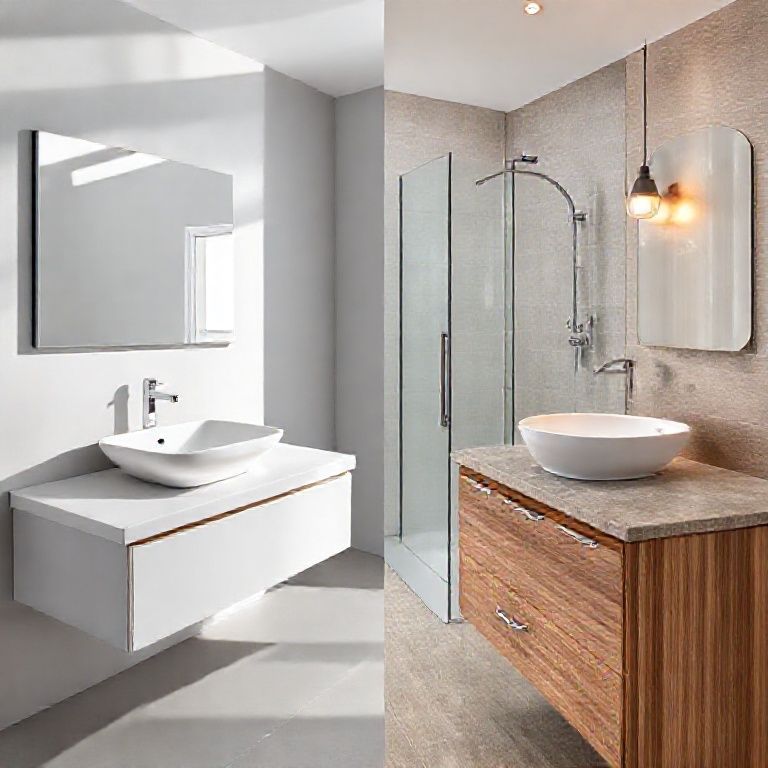
4. Environmental Impact: Quartz is a more sustainable option compared to natural stone. Since it is lab-created, it does not require the extensive quarrying and processing associated with natural stone, resulting in a lower environmental footprint.
Design Versatility
Corian
Corian’s design versatility is one of its most significant advantages. The material can be crafted into virtually any shape, making it an excellent choice for custom designs. Whether you prefer sleek, modern lines or intricate, detailed patterns, Corian can be molded to fit your vision. Its ability to mimic various materials allows for a wide range of design possibilities, from traditional to ultra-modern styles.
Quartz
Quartz also offers a high degree of design versatility, though it leans more towards a natural aesthetic. The unique veining and coloration of each piece of Quartz can add a touch of individuality to your design. While Quartz may not mimic other materials as closely as Corian, its natural beauty can complement a variety of design styles, from rustic to contemporary.
Practical Considerations
Cost
When it comes to cost, Corian and Quartz can vary significantly based on the specific product, design, and customization level. Generally, Corian tends to be more affordable than Quartz due to its production process. However, prices can fluctuate based on the desired color, finish, and design complexity. Quartz, with its higher quartz content and natural aesthetics, typically carries a higher price tag.
Installation
Both Corian and Quartz require professional installation to ensure a seamless and durable finish. While both materials are relatively easy to install compared to natural stone, it’s essential to work with experienced installers who understand the specific requirements of each material. Proper installation is crucial to maximize the longevity and aesthetic appeal of your countertops.
Sustainability
In terms of sustainability, both materials have their merits. Corian’s non-toxic nature and low environmental impact during production make it a more eco-friendly option. Quartz, while lab-created, reduces the need for extensive quarrying, making it a more sustainable choice compared to natural stone.
Conclusion
Choosing between Corian and Quartz ultimately depends on your specific needs, preferences, and design goals. Corian offers unparalleled versatility and affordability, making it an excellent choice for those looking for a customizable, low-maintenance material. Quartz provides unmatched strength and a stunning, natural aesthetic, making it ideal for those who prioritize durability and beauty. Both materials have their unique advantages, and the decision will largely hinge on your priorities and design vision.
In the next part of our comparison, we will delve deeper into maintenance, cost considerations, and specific use cases to help you make a well-informed decision about which material is best for your home. Stay tuned for more insights and expert advice!