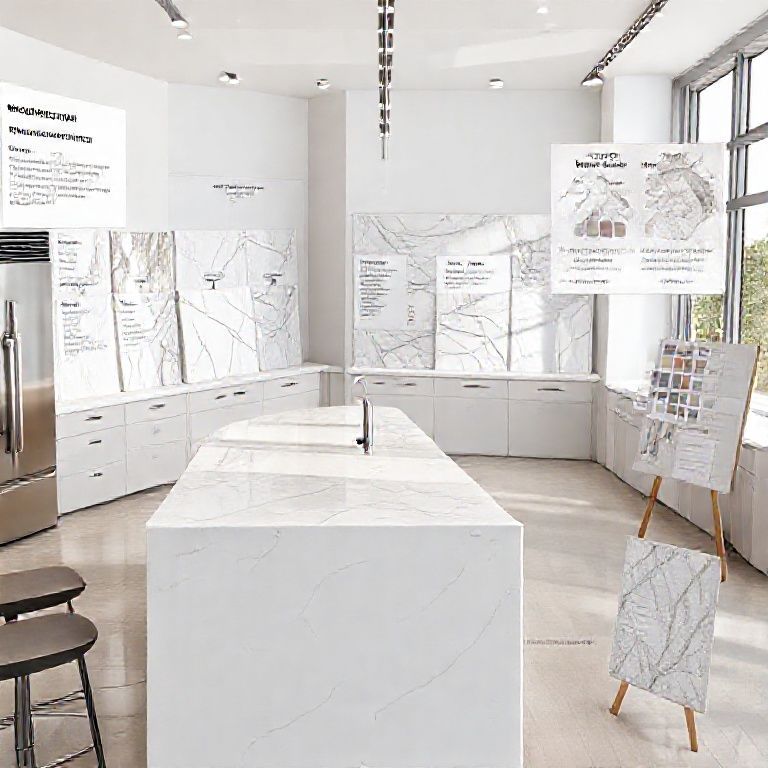
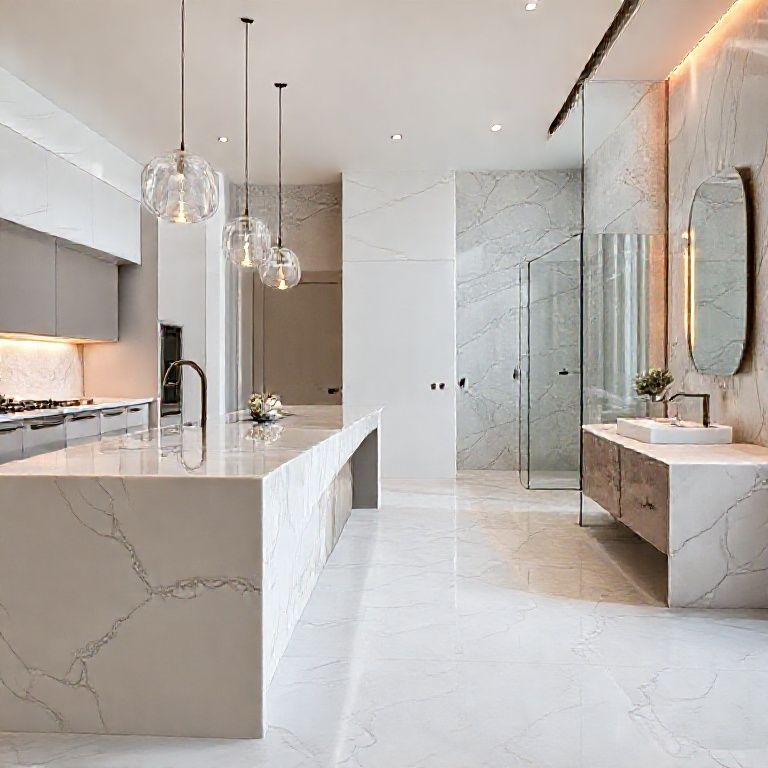
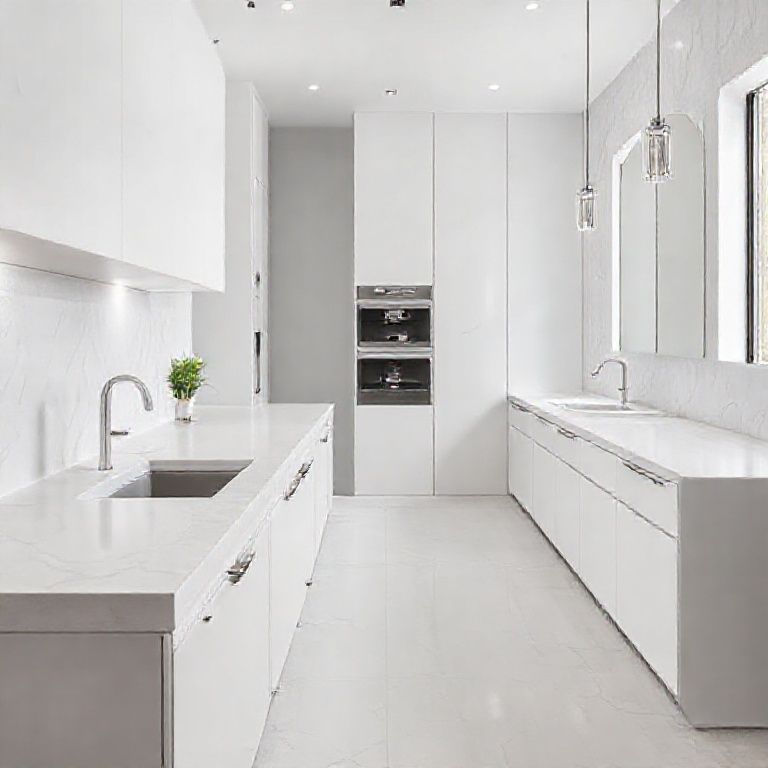
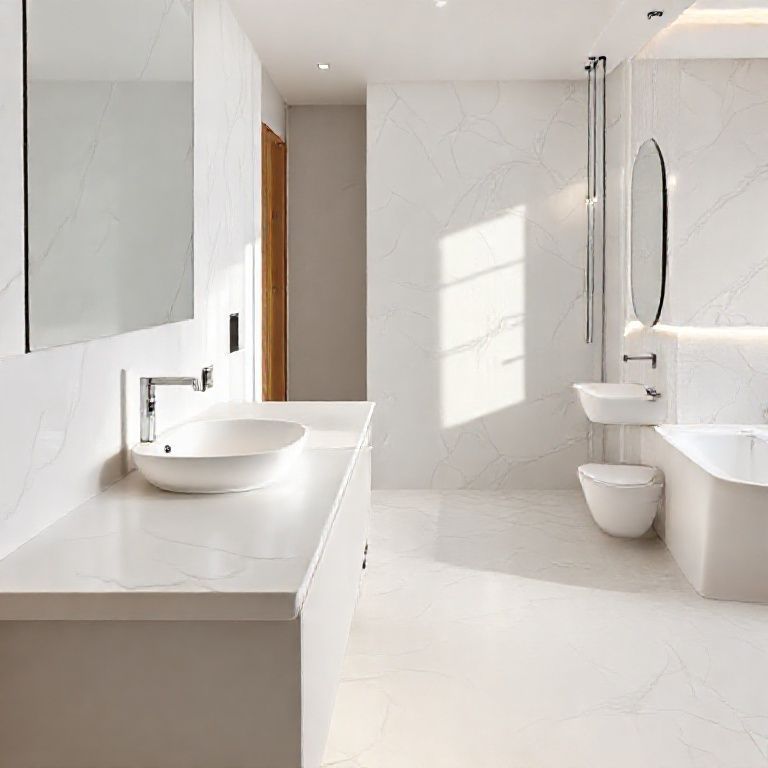
Durability and Aesthetics
When it comes to selecting the perfect material for your home or commercial space, durability and aesthetics are two of the most critical factors to consider. In this first part of our comprehensive guide, we’ll delve deep into the durability and aesthetic qualities of both man-made marble and natural marble.
Durability
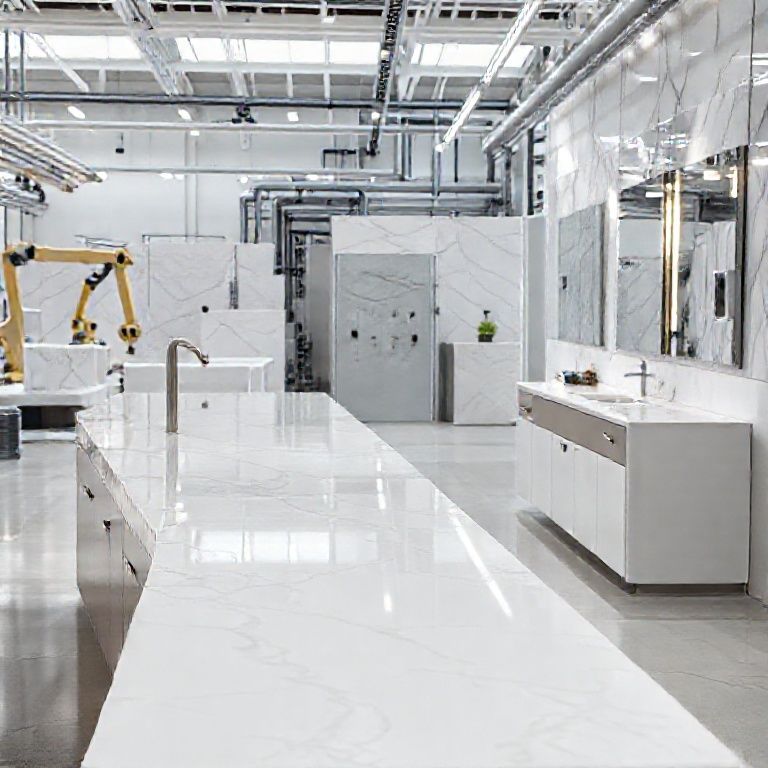
Man-Made Marble: Man-made marble, often referred to as synthetic or engineered marble, has revolutionized the way we think about durability. This type of marble is created by combining a resin base with marble dust, quartz, or other natural stone particles. The result is a material that’s remarkably tough and resilient.
Scratch Resistance: Man-made marble is highly resistant to scratches and stains, making it an excellent choice for high-traffic areas. Its uniformity means that scratches are less likely to stand out, providing a consistently polished look. Temperature Resistance: Synthetic marble can withstand high temperatures without warping or cracking, ensuring longevity even in kitchens and bathrooms where heat is frequent. Chemical Resistance: It’s highly resistant to a wide range of chemicals, including cleaning agents, making it easy to maintain and ideal for commercial spaces like restaurants and offices.
Natural Marble: Natural marble, on the other hand, is formed through a geological process that takes millions of years. This time-honored material boasts an unmatched level of authenticity and natural beauty.
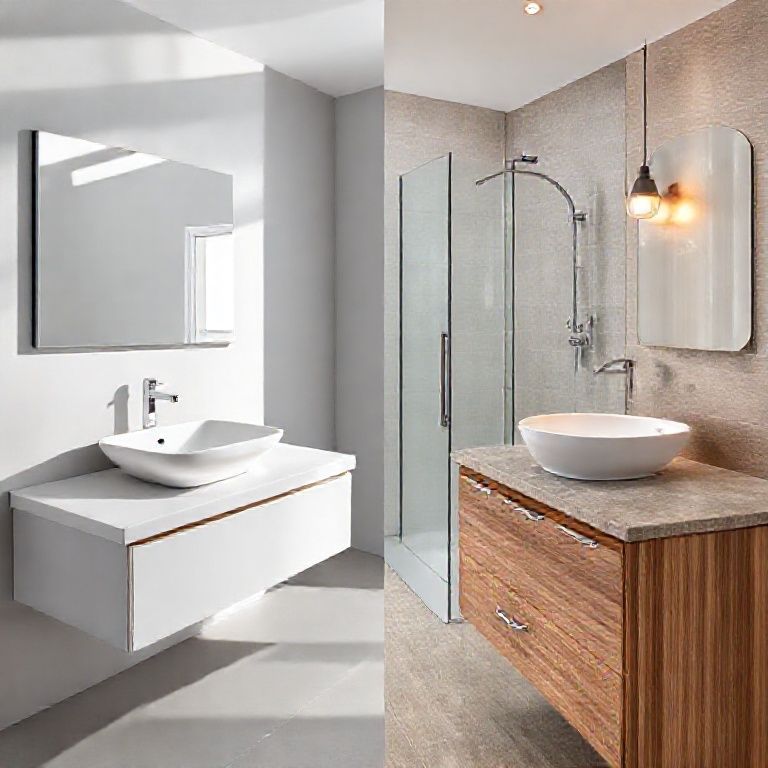
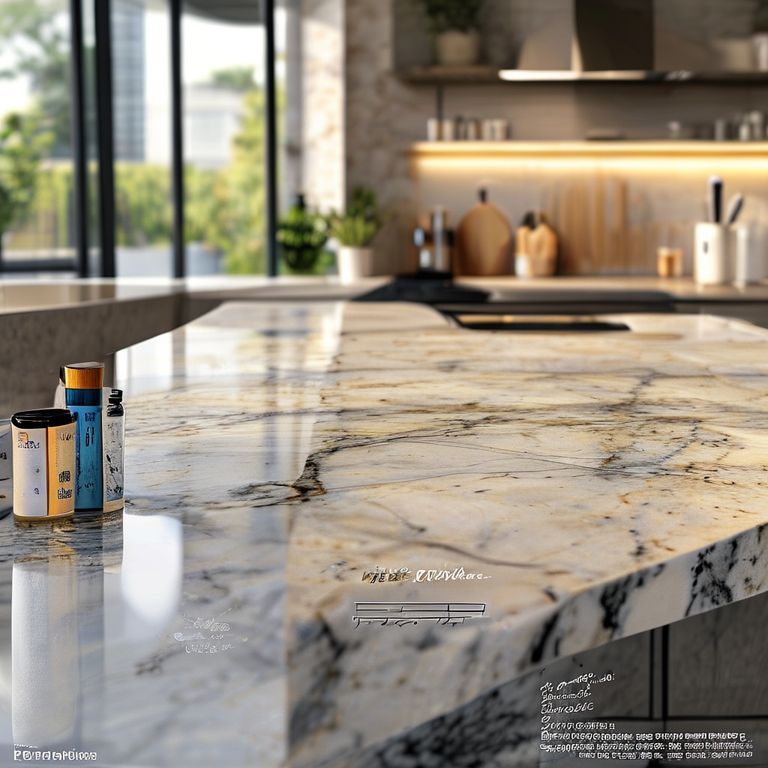
Unique Patterns: Each piece of natural marble is unique, featuring intricate patterns and veins that are impossible to replicate. This natural variability adds to its aesthetic appeal and exclusivity. Strength: While natural marble is tough, it can be prone to cracking under extreme pressure. It also requires regular sealing to maintain its durability against stains and chemicals. Aging: Over time, natural marble can develop a patina that enhances its beauty. However, this aging process is unpredictable and can sometimes be undesirable.
Aesthetics
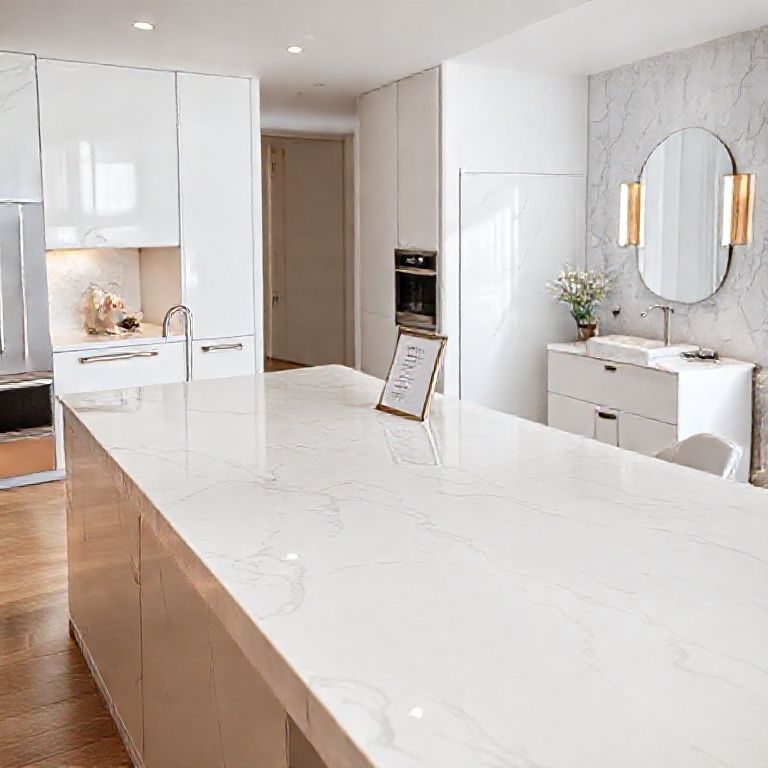
Man-Made Marble: The aesthetic appeal of man-made marble lies in its ability to mimic the look of natural marble while offering more uniformity and control over color and finish.
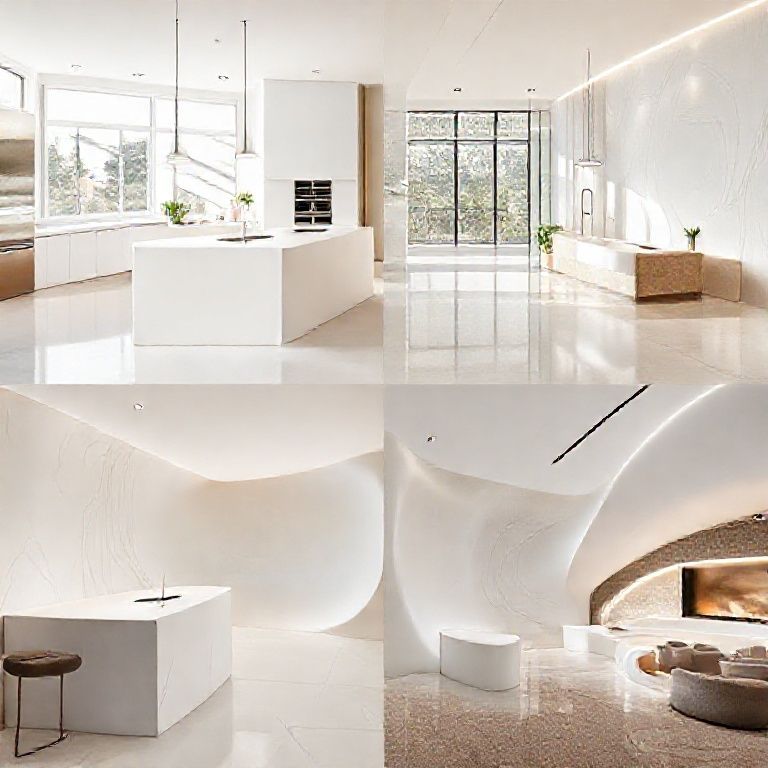
Color Options: Man-made marble comes in an extensive range of colors and patterns, allowing for precise customization to match any design vision. Whether you want a classic white, a bold black, or a unique design, synthetic marble can be engineered to fit your needs. Finish: The surface finish of man-made marble can be polished, matte, or textured, providing versatility in design applications. It’s perfect for modern, sleek designs as well as more traditional looks. Consistency: The uniform composition of synthetic marble ensures a consistent aesthetic across large installations, reducing the need for matching and blending.
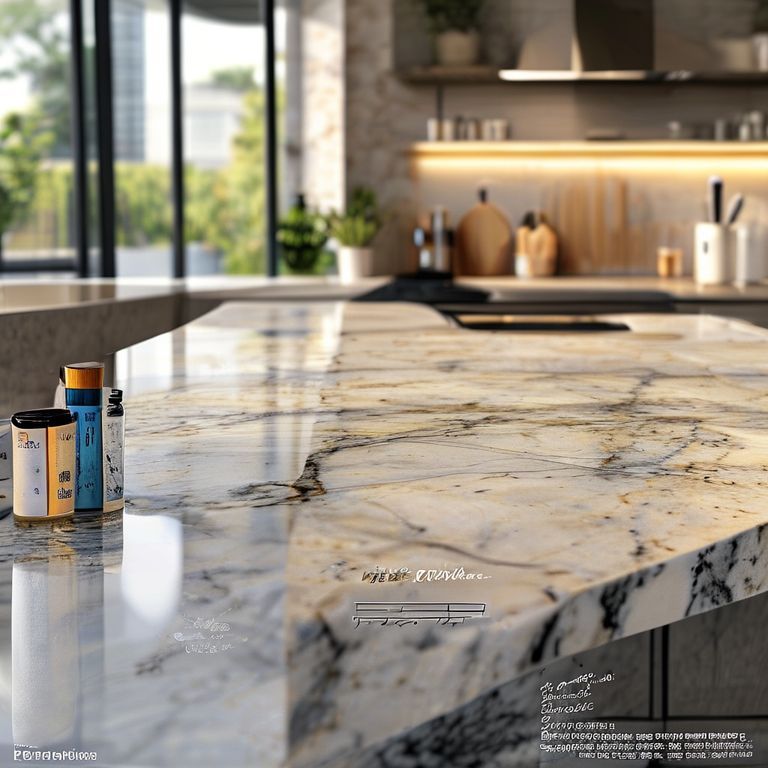
Natural Marble: Natural marble’s allure is rooted in its authenticity and the unique beauty of its natural formations.
Variability: The natural veining and color variations in natural marble make each piece one-of-a-kind. This variability is often seen as a mark of luxury and exclusivity, adding character to any space. Historical Appeal: The time-honored nature of natural marble gives it a timeless appeal that can complement both modern and traditional decor. Its historical authenticity often elevates the perceived value of a space. Color and Texture: Natural marble’s rich colors and textures can evoke a sense of elegance and sophistication. From the creamy whites of Carrara marble to the deep, rich hues of black marble, natural marble offers a diverse palette that can be tailored to various design themes.
Conclusion:
In the first part of our exploration, we’ve seen that both man-made and natural marble offer unique advantages in terms of durability and aesthetics. Man-made marble excels in uniformity, scratch resistance, and chemical resistance, making it a practical choice for modern applications. In contrast, natural marble’s unique patterns and timeless beauty make it a preferred choice for those seeking an authentic, luxurious touch. In the next part, we’ll delve into cost-effectiveness, maintenance, and environmental impact to provide a holistic view of these two materials.
Cost-Effectiveness, Maintenance, and Environmental Impact
In the second part of our comprehensive guide, we’ll focus on cost-effectiveness, maintenance, and environmental impact to provide a well-rounded understanding of the pros and cons of man-made marble versus natural marble.
Cost-Effectiveness
Man-Made Marble: One of the most significant advantages of man-made marble is its cost-effectiveness.
Material Cost: Synthetic marble is generally less expensive than natural marble. The process of creating synthetic marble involves less rare material sourcing, which translates into lower costs. Installation Costs: The uniformity and consistency of man-made marble reduce installation costs. Since each piece is manufactured to exact specifications, there’s less need for on-site cutting and matching, which simplifies the installation process. Long-Term Savings: While the initial investment may be lower, man-made marble’s durability means fewer replacements and repairs over time, leading to long-term savings.
Natural Marble: Natural marble commands a premium price due to its rarity and the extensive processes involved in its extraction and transportation.
Material Cost: The cost of natural marble can be significantly higher than synthetic alternatives, especially for high-quality varieties. Prices can vary widely based on the type and origin of the marble. Installation Costs: The irregular shapes and sizes of natural marble pieces can increase installation costs. Custom cutting and fitting may be required, adding to the overall expense. Value Retention: Despite its higher initial cost, natural marble often retains its value well over time, particularly in high-end properties where its rarity and beauty are highly valued.
Maintenance
Man-Made Marble: The low maintenance aspect of man-made marble is one of its most compelling features.
Ease of Cleaning: Man-made marble is easy to clean and maintain. Its resistance to stains and chemicals means that everyday cleaning routines are sufficient to keep it looking pristine. Low Repair Costs: Due to its durability and resistance to scratches and chips, man-made marble requires minimal repairs and replacements, resulting in lower long-term maintenance costs. Low Skill Requirements: The uniformity of man-made marble means that it doesn’t require specialized skills for maintenance, making it accessible for a range of users.
Natural Marble: While natural marble’s beauty is undeniable, it does come with higher maintenance requirements.
Sealing: Natural marble requires regular sealing to protect against stains and chemical damage. This maintenance task must be performed by professionals to ensure effectiveness. Cleaning: Although natural marble can be cleaned with basic household cleaners, it’s important to avoid abrasive materials that can scratch the surface. Repair Costs: In the event of damage, repairing natural marble can be costly and complex. Replacement may be the only viable option, given the material’s natural variability.
Environmental Impact
Man-Made Marble: The environmental impact of man-made marble is a critical consideration in today’s eco-conscious world.
Manufacturing Process: The production of synthetic marble involves the use of resins and other chemicals, which can have environmental implications. However, advancements in manufacturing processes are continually improving sustainability. Recyclability: Man-made marble can be recycled, reducing its environmental footprint. Leftover pieces can often be repurposed for smaller projects or used in less visible areas. Energy Use: While the energy used in creating synthetic marble is higher compared to extracting natural marble, the durability of man-made marble can offset this by reducing the need for frequent replacements.
Natural Marble: The environmental considerations of natural marble are more complex.
Extraction Impact: Mining natural marble is an environmentally intensive process that can lead to significant ecological disruption. The extraction of large quantities of marble can result in habitat destruction and other environmental concerns. Transport: Natural marble often needs to be transported over long distances, contributing to a carbon footprint. Sustainability: While natural marble is a natural resource, its non-renewable nature means that it’s not a sustainable option in the long term. The finite supply of natural marble highlights the need for responsible sourcing and usage.
Conclusion:
In this second part of our exploration, we’ve looked at the cost-effectiveness, maintenance, and environmental impact of man-made versus natural marble. Man-made marble offers significant advantages in terms of cost, low maintenance, and recyclability, making it a practical and sustainable choice for many applications. Natural marble, while unparalleled in its beauty and authenticity, comes with higher costs, maintenance requirements, and environmental considerations.
By weighing these factors, you can make a more informed decision that aligns继续我们对人造大理石和天然大理石的全面比较,本文将探讨其实际应用场景和长期使用效果,帮助你在不同的项目中做出最适合的选择。
实际应用场景
人造大理石: 人造大理石因其优异的性能和多样化的设计,广泛应用于多个领域。
厨房和浴室: 由于其耐污、耐热、抗化学腐蚀等特性,人造大理石非常适合用于厨房和浴室台面。它能够抵抗油污、水渍和化学清洁剂,维护简单,清洁方便。 办公室和商业空间: 在办公室和商业环境中,人造大理石常用于会议室的会议桌、柜台和装饰墙面。其高耐用性和现代美观的外观使其成为商业空间的理想选择。
建筑装饰: 人造大理石也被广泛用于建筑装饰,如楼梯扶手、护栏和墙面装饰。其高强度和耐磨性能使其在公共建筑中非常受欢迎。
天然大理石: 天然大理石因其独特的美学价值和高端的质感,主要用于以下场景。
高端住宅和豪华装饰: 天然大理石常用于高端住宅的地板、墙面和浴室装饰。其天然的纹理和颜色为空间增添了奢华感和独特的美感。 历史建筑和文化遗产: 由于其历史悠久和文化价值,天然大理石常用于历史建筑和文化遗产的修复和保护。它的使用能够保持建筑的原貌和历史风貌。
艺术品和雕塑: 天然大理石是雕塑和艺术品制作的首选材料。其高质量和可雕性使其成为雕刻艺术家的最爱。
长期使用效果
人造大理石:
耐用性和耐用性: 人造大理石具有高度的耐用性和耐用性,能够长期保持其美观和功能。其耐磨性和抗污性能使其在高频使用的区域(如厨房和浴室)中表现出色。 维护简单: 由于其耐污性和易清洁的特性,人造大理石的维护非常简单。日常清洁只需普通的清洁剂和湿布,无需特殊处理。
价格稳定: 由于其生产工艺相对成熟,人造大理石的价格相对稳定,不易受到市场波动影响。
天然大理石:
独特美感和高端感: 天然大理石的独特纹理和天然色彩为空间增添了高端感和独特美感,使其成为高端装修和历史建筑的首选材料。 质量和稳定性: 天然大理石的质量和价格因矿物质含量和采掘地点的不同而有所差异。尽管其美观和质感无可替代,但也需要谨慎选择供应商以确保质量。
维护需求: 天然大理石需要定期进行专业的保养和封闭处理,以防止污渍和化学腐蚀。这些维护措施可能增加了使用成本和维护复杂性。
结论
在选择人造大理石和天然大理石时,需要综合考虑项目的具体需求、预算、长期维护成本和美学偏好。人造大理石以其耐用性、易清洁和价格稳定性受到广泛欢迎,适合于需要高频使用和简单维护的场所。而天然大理石则以其独特的美感和高端感受到高端装修和历史建筑的青睐,尽管其维护要求更高,但其不可替代的质感和历史价值使其在特定应用中依然不可或缺。
通过对这两种材料的详细比较,希望能为你在选择材料时提供有价值的参考。无论你选择哪一种,都能为你的项目带来独特的美感和持久的耐用性。