Understanding Natural and Synthetic Marble
When it comes to choosing between natural and synthetic marble, it’s important to understand what each type entails. Both have their unique attributes that make them appealing for various applications, from countertops to flooring. Here, we will explore the differences, pros, and cons of natural and synthetic marble to help you make an informed decision.
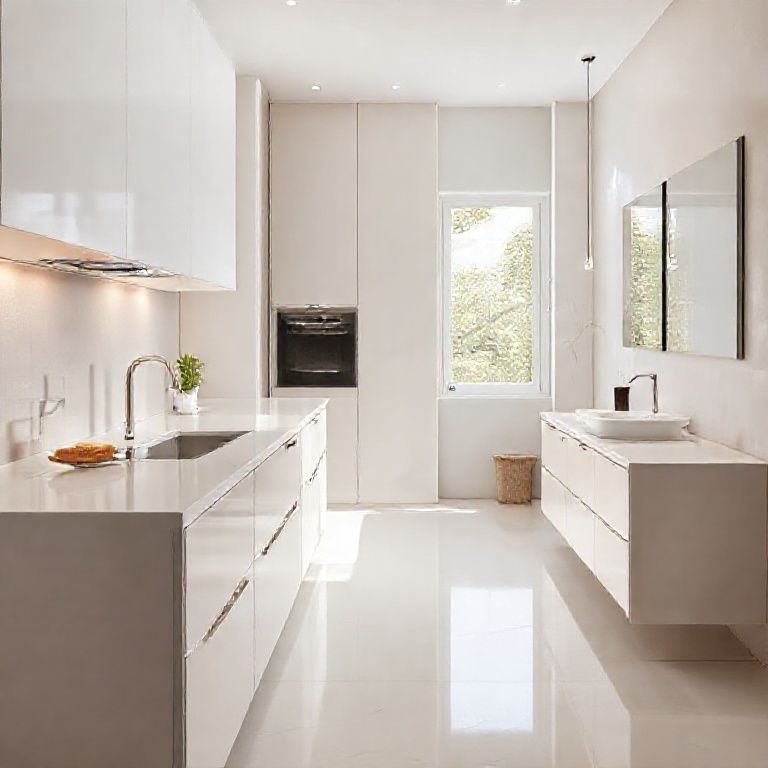
Natural Marble: The Timeless Choice
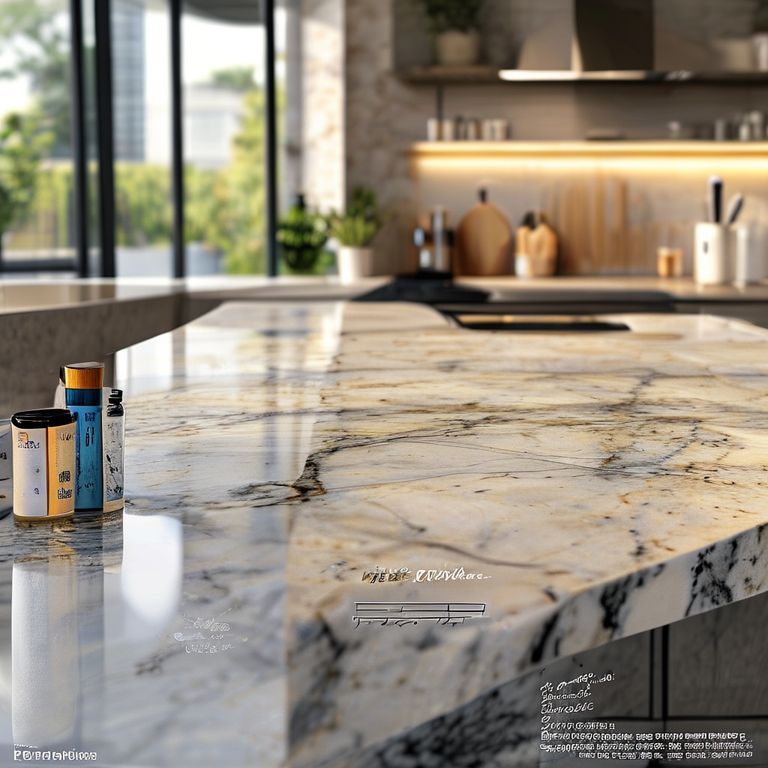
Natural marble is a type of stone formed from limestone that has been subjected to high pressure and heat over millions of years. This process creates a stunning array of colors and patterns, making natural marble a highly sought-after material for luxury interiors.
Pros of Natural Marble:
Aesthetic Appeal: Natural marble boasts an unmatched beauty with unique veining and patterns that are one-of-a-kind. Its natural appearance adds elegance and sophistication to any space. Durability: While natural marble is naturally hard and durable, it can be prone to scratching and staining. However, with proper maintenance, it can last for decades. Value: The rarity and uniqueness of natural marble often make it a more valuable choice, adding long-term worth to your property.
Cons of Natural Marble:
Cost: Natural marble can be significantly more expensive than synthetic options due to its rarity and the cost of extraction and processing. Maintenance: Natural marble requires regular sealing to protect against stains and scratches. It is also sensitive to acidic substances, which can cause etching. Variability: Each piece of natural marble is different, making it harder to achieve a uniform look across large installations.
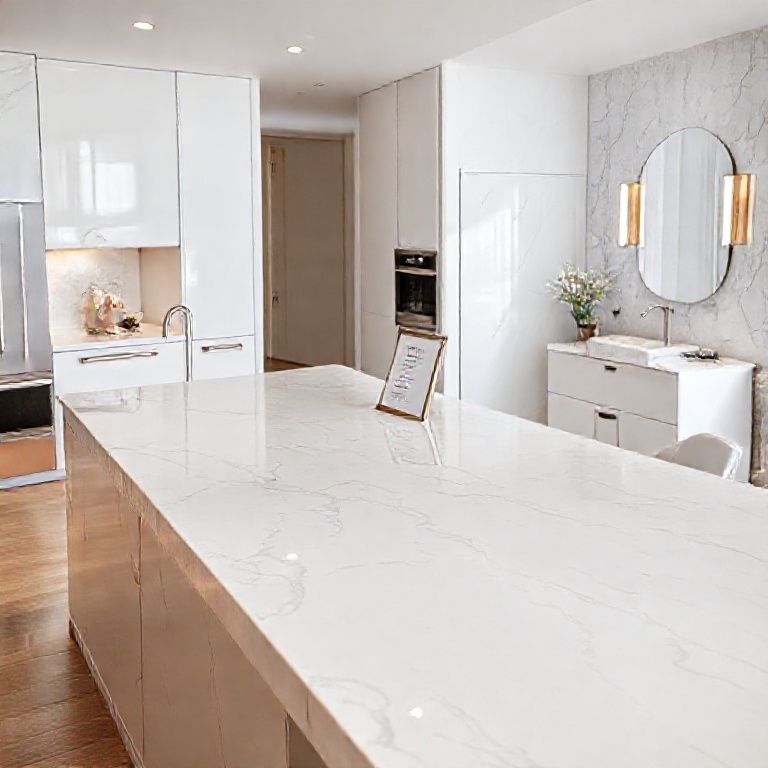
Synthetic Marble: The Modern Alternative
Synthetic marble, also known as cultured marble or quartz, is a composite material made from a mixture of minerals, resins, and pigments. This allows manufacturers to create a product that mimics the appearance of natural marble but with added benefits.
Pros of Synthetic Marble:
Cost-Effectiveness: Synthetic marble is generally more affordable than natural marble due to the controlled manufacturing process and the use of less expensive materials. Consistency: Synthetic marble can be produced in large quantities with consistent patterns and colors, making it easier to achieve a uniform look across larger installations. Durability: While it may not be as scratch-resistant as natural marble, synthetic marble is less prone to staining and etching, making it easier to maintain. Design Flexibility: Synthetic marble can be engineered to mimic any natural marble pattern or color, offering endless design possibilities.
Cons of Synthetic Marble:
Aesthetic Limitations: Despite its versatility, synthetic marble cannot fully replicate the unique beauty and natural veining of genuine marble. Weight: Synthetic marble is often heavier than natural marble, which can be a consideration for certain applications. Maintenance: While easier to clean than natural marble, synthetic marble still requires regular maintenance to prevent wear and maintain its appearance.
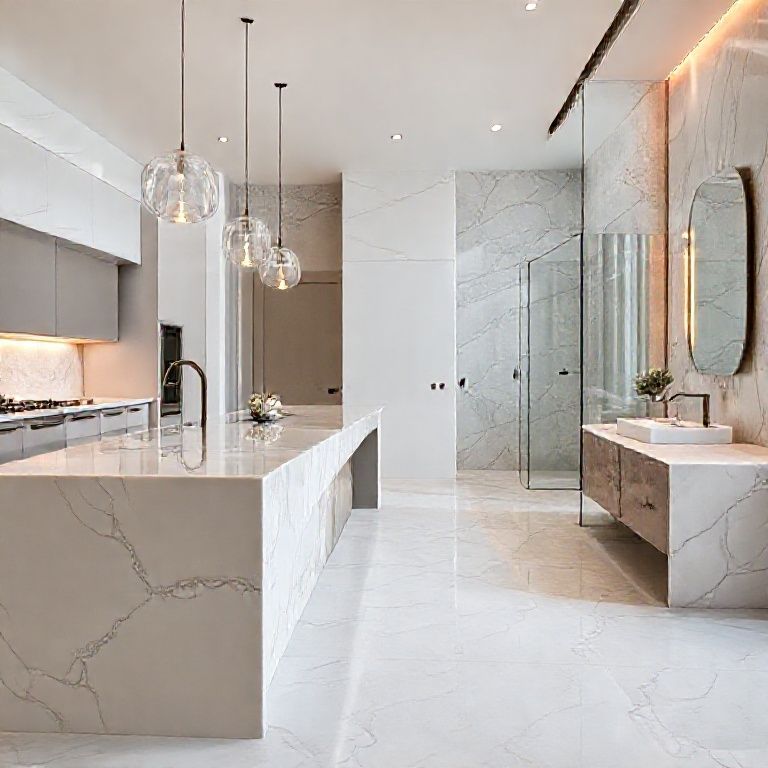
Factors to Consider When Choosing Between Natural and Synthetic Marble
When deciding between natural and synthetic marble, several factors must be taken into account to ensure the best choice for your specific needs.
1. Budget:
Natural marble is significantly more expensive. If budget constraints are a concern, synthetic marble might be a more feasible option. However, consider the long-term costs of maintenance and potential repairs.
2. Aesthetics:
If the unique, natural beauty of genuine marble is paramount, natural marble is the way to go. For those looking for a cost-effective yet visually appealing option, synthetic marble offers a compelling alternative.
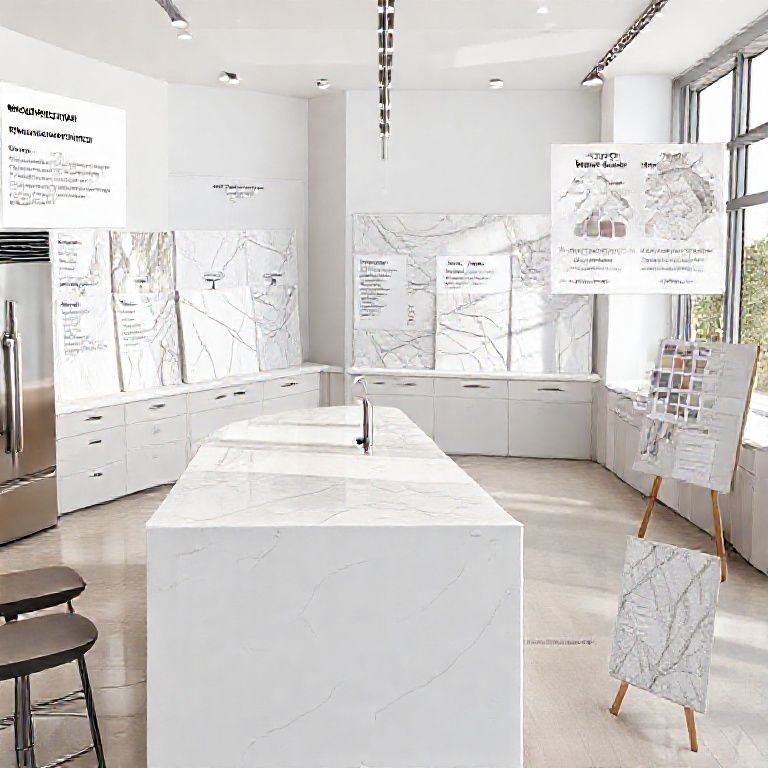
3. Durability and Maintenance:
Natural marble, though beautiful, requires careful maintenance to preserve its appearance. Synthetic marble is more resistant to staining and easier to clean, making it a practical choice for high-traffic areas.
4. Space and Design Needs:
Consider the scale and design of the space. Synthetic marble’s consistency and design flexibility can be advantageous for large installations or modern designs, while natural marble’s unique patterns can add character to classic or traditional spaces.
5. Environmental Impact:
For those conscious of environmental impact, synthetic marble often involves less environmental disruption compared to the extraction processes required for natural marble.
Conclusion: The choice between natural and synthetic marble hinges on your priorities and specific requirements. Natural marble offers unparalleled beauty and value, while synthetic marble provides cost-effectiveness, consistency, and ease of maintenance. Understanding these factors will help you make a well-informed decision that best suits your needs.
The Practicalities of Installation and Long-Term Care
Having explored the fundamental differences between natural and synthetic marble, it’s time to delve into the practicalities of installation and long-term care. This will ensure that your choice, whether natural or synthetic, is a successful one in terms of aesthetics, functionality, and durability.
Installation Considerations
1. Professional Expertise:
Regardless of whether you choose natural or synthetic marble, professional installation is crucial. Trained professionals ensure that the marble is cut, fitted, and installed correctly, maximizing its appearance and longevity.
2. Substratum Preparation:
Proper preparation of the substrate is essential. Whether it’s wood, concrete, or another type of surface, it must be clean, level, and suitable for the marble installation. This often involves additional steps like using adhesives or underlayment.
3. Customization:
For natural marble, customization can be challenging due to its unique patterns. However, professionals can still ensure a seamless fit. Synthetic marble, on the other hand, offers more flexibility for custom cuts and shapes.
4. Environmental Factors:
Consider the environmental conditions of the installation area. Factors like humidity and temperature can affect both natural and synthetic marble, influencing the choice of sealants and adhesives.
Long-Term Care and Maintenance
1. Natural Marble:
Sealing: Natural marble needs regular sealing to protect against stains and scratches. This process typically involves applying a specialized marble sealant and polishing the surface. The frequency of sealing depends on the usage level of the area.
Cleaning: Use a mild, pH-neutral cleaner to avoid etching. Regular cleaning with a soft cloth can maintain the marble’s luster.
Avoiding Acids: Natural marble is susceptible to acids, which can cause irreversible damage. It’s crucial to use protective mats under items that contain acids, like lemon juice or vinegar.
2. Synthetic Marble:
Cleaning: Synthetic marble is easier to clean than natural marble. Use a soft cloth with mild soap and water to keep the surface clean. For tougher spots, specialized marble cleaners are available.
Avoiding Scratches: While more durable than natural marble, synthetic marble can still scratch. Use coasters and placemats to protect it from sharp objects.
Maintenance: Regular dusting and periodic deep cleaning with a mild cleaner will maintain the appearance of synthetic marble.
Designing with Marble: Creative Applications
1. Countertops:
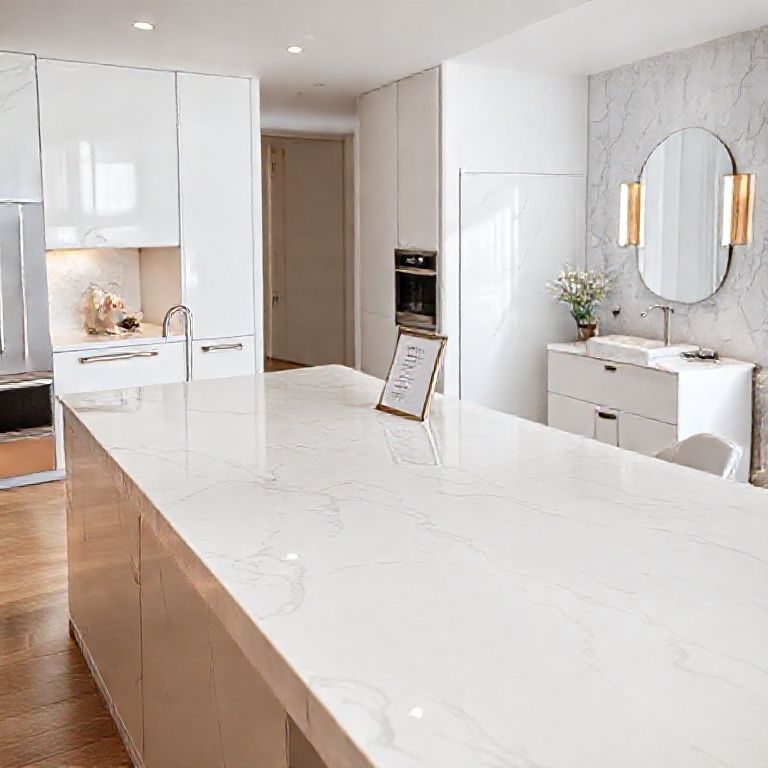
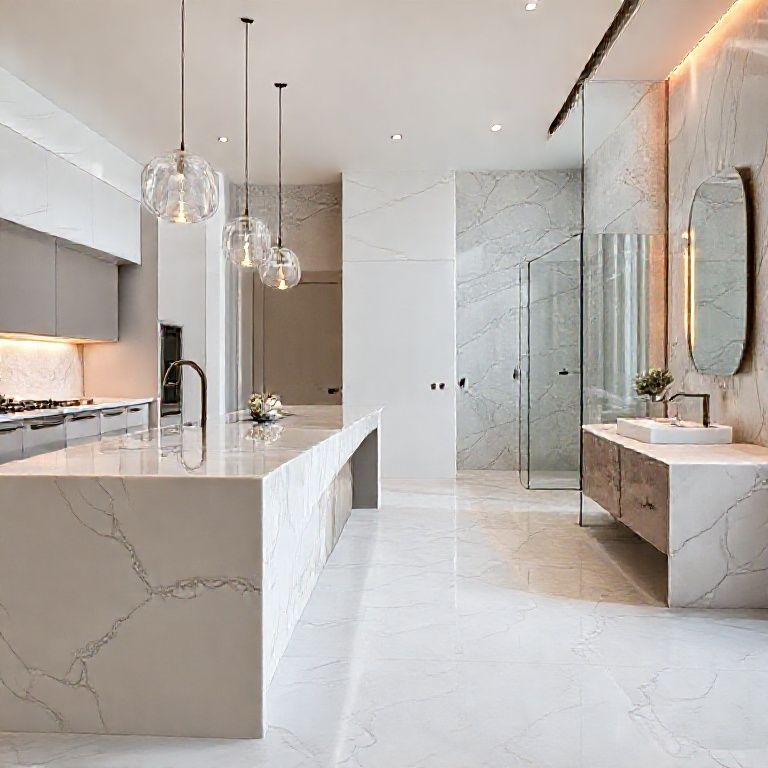
Both natural and synthetic marble are popular choices for countertops. Natural marble offers a luxurious, timeless look, perfect for kitchens and bathrooms. Synthetic marble provides a cost-effective alternative with the same aesthetic appeal.
2. Flooring:
Marble flooring can add elegance to any space. Natural marble’s unique patterns can enhance the character of a room, while synthetic marble’s consistency allows for a uniform, modern look.
3. Vanity Tops:
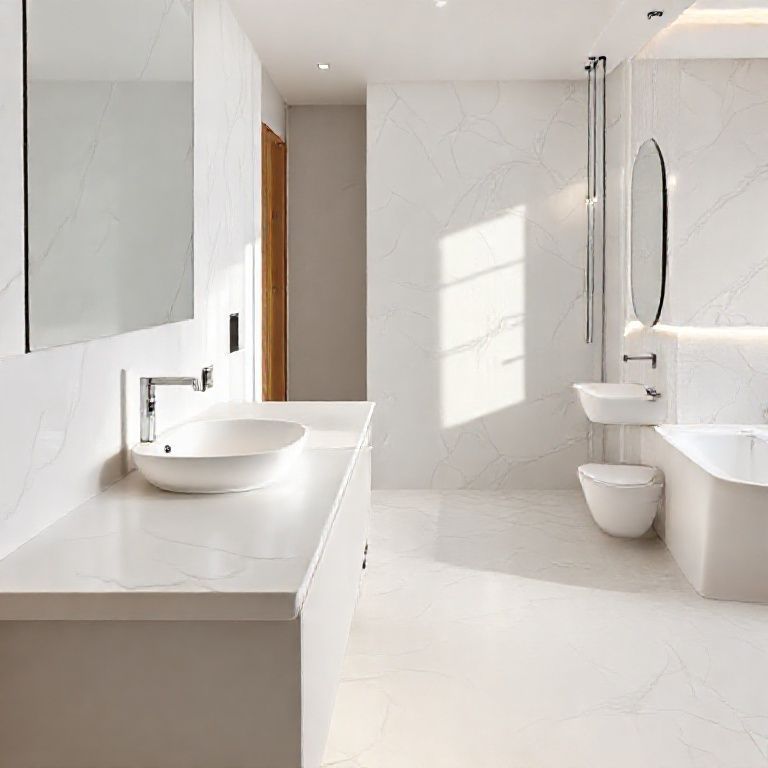
Marble is a classic choice for vanity tops due to its beauty and durability. Natural marble provides a distinctive, luxurious finish, while synthetic marble offers a more budget-friendly option with less maintenance.
4. Wall Cladding:
Marble can also be used for wall cladding to add a touch of luxury and elegance. Natural marble’s unique patterns can make a statement, while synthetic marble’s consistency ensures a flawless finish.
Future Trends and Innovations
1. Sustainable Practices:
As sustainability becomes more important, manufacturers are exploring eco-friendly practices in both natural and synthetic marble production. This includes using recycled materials and reducing environmental impact during extraction and processing.
2. Advanced Synthetic Materials:
Innovations in synthetic materials continue to improve the durability, appearance, and functionality of synthetic marble. These advancements make synthetic marble an increasingly attractive option for many applications.
3. Hybrid Solutions:
Some manufacturers are developing hybrid solutions that combine the best features of natural and synthetic marble. These materials aim to provide the beauty of natural marble with the practicality of synthetic marble.
Final Thoughts:
Choosing between natural and synthetic marble involves weighing aesthetic appeal against practicality and budget. Natural marble offers unmatched beauty and value, while synthetic marble provides cost-effectiveness, consistency, and ease of maintenance. By understanding the installation and maintenance requirements for both, you can make an informed decisionthat best suits your needs.
Choosing Between Natural and Synthetic Marble: Final Considerations
When making a final decision about whether to choose natural or synthetic marble, it’s essential to consider several overarching factors that will impact the overall success of your project. This includes evaluating your aesthetic preferences, budget constraints, maintenance requirements, and long-term durability.
Aesthetic Preferences:
Natural Marble:
Uniqueness: Natural marble’s unique veining and colors provide a one-of-a-kind look that can add significant character to any space.
Luxury: The inherent elegance of natural marble can elevate the luxury of a room, making it ideal for high-end projects like master bathrooms or designer kitchens.
Synthetic Marble:
Consistency: Synthetic marble allows for precise control over color and pattern, making it easier to achieve a uniform look across large installations.
Versatility: With synthetic marble, you can mimic any natural marble pattern or create entirely new designs, offering endless possibilities for modern and creative spaces.
Budget Constraints:
Natural Marble:
Higher Cost: The rarity and natural beauty of natural marble come at a premium price. Budget-conscious projects might need to consider this higher upfront and maintenance cost.
Synthetic Marble:
Cost-Effective: Synthetic marble is generally more affordable, making it a practical choice for projects with tighter budgets. It also offers the advantage of being less prone to damage, which can reduce long-term costs.
Maintenance Requirements:
Natural Marble:
Sealing: Regular sealing is essential to protect natural marble from stains and scratches. This maintenance task requires periodic professional intervention.
Acid Resistance: Natural marble is sensitive to acids, so it’s crucial to use protective mats and avoid acidic substances to prevent etching.
Synthetic Marble:
Ease of Cleaning: Synthetic marble is easier to clean and less susceptible to stains and scratches. This reduces the need for frequent professional maintenance.
Durability: While it’s more durable than natural marble, synthetic marble still requires regular dusting and occasional cleaning to maintain its appearance.
Long-Term Durability:
Natural Marble:
Longevity: With proper maintenance, natural marble can last for decades, adding long-term value to your property.
Potential for Damage: Natural marble is prone to scratches and staining, which can affect its appearance and longevity if not properly maintained.
Synthetic Marble:
Durability: Synthetic marble’s consistency and resistance to damage make it a durable choice for high-traffic areas.
Replacement: Synthetic marble can be more easily replaced if damaged, though it may not match the original aesthetic as closely as natural marble.
Conclusion:
Ultimately, the decision between natural and synthetic marble hinges on a combination of personal preference, budget, maintenance capabilities, and the specific requirements of your project. Natural marble offers unparalleled beauty and luxury, while synthetic marble provides practicality and affordability. By carefully considering these factors, you can make an informed choice that will enhance the beauty, functionality, and longevity of your space.
In summary, whether you opt for the timeless elegance of natural marble or the versatile, cost-effective appeal of synthetic marble, both materials have their unique strengths. By understanding their differences and carefully evaluating your project’s needs, you can select the best option to create a stunning, long-lasting space that reflects your style and meets your functional requirements.