Synthetic Marble vs. Natural Marble: A Detailed Examination
Introduction to Synthetic and Natural Marble
When it comes to selecting a material for your home’s most enduring surfaces, marble stands out as a top choice for its timeless elegance and luxury appeal. However, the market offers two primary types of marble: synthetic and natural. Each type comes with its own set of unique features, advantages, and considerations that make it suitable for different applications. This first part delves into the fundamental differences between synthetic and natural marble, focusing on their composition, durability, aesthetics, and cost.
Composition and Manufacturing
Natural marble is a true natural stone formed through geological processes over millions of years. It’s composed of calcium carbonate, which crystallizes under immense pressure and heat. The natural marble’s beauty lies in its unique veins, patterns, and colors that occur naturally, making each piece one-of-a-kind.
On the other hand, synthetic marble is a man-made product crafted to mimic the appearance of natural marble. It’s created by combining various materials such as resin, pigments, and other substances to form a homogenous material that can be molded into desired patterns and colors. Synthetic marble offers a consistent look across different pieces, which can be a significant advantage in terms of uniformity and design control.
Durability and Maintenance
When evaluating durability, synthetic marble often has the upper hand. It’s engineered to withstand a range of conditions without degrading, making it highly resistant to scratches, stains, and thermal shock. This makes synthetic marble an excellent choice for high-traffic areas where durability is paramount.
Natural marble, while beautiful, requires careful maintenance to preserve its integrity. It’s softer than many other stone types, which means it can be more susceptible to scratches, stains, and etching from acidic substances. Regular sealing and maintenance are crucial to prevent damage, which can be both time-consuming and costly.
Aesthetics and Design Flexibility
Both synthetic and natural marble offer stunning aesthetics, but they cater to different design preferences.
Natural marble’s most significant appeal is its unique, one-of-a-kind appearance. Each slab features its own pattern and color variations, which can add a personalized touch to any space. This uniqueness can be a great asset for bespoke or custom designs where individuality is prized.
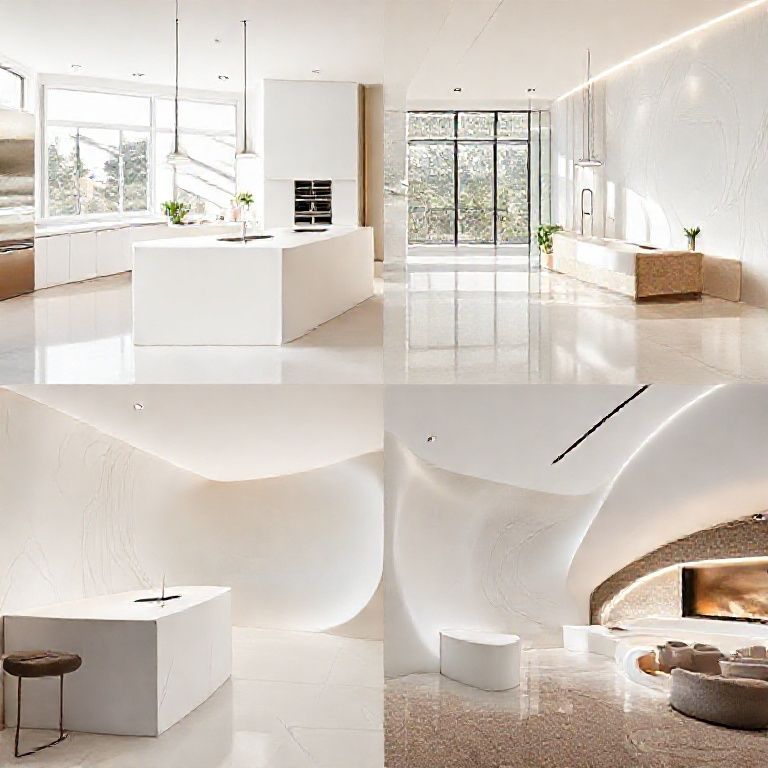
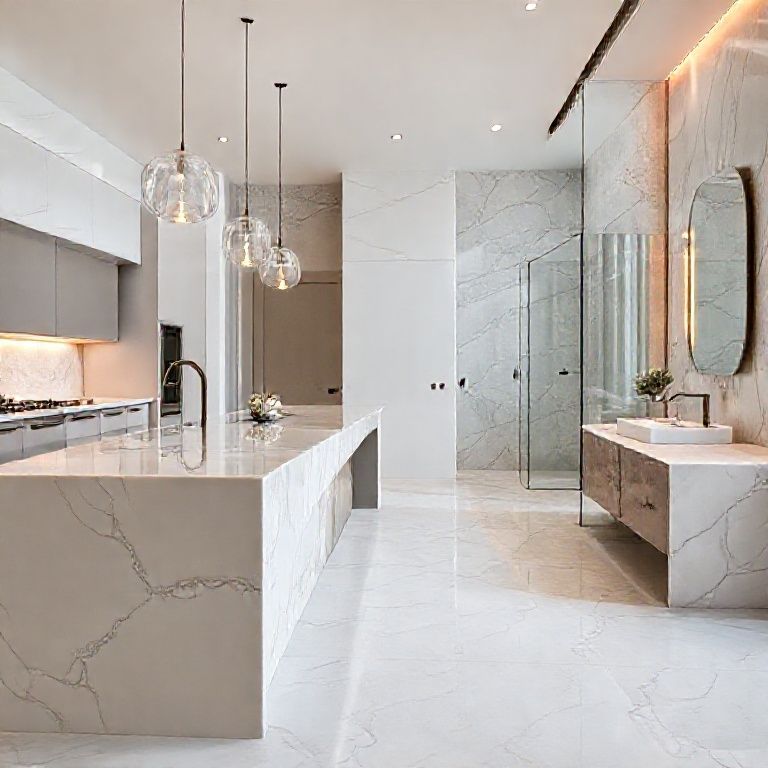
Synthetic marble, however, offers superior design flexibility. Manufacturers can produce synthetic marble in virtually any color, pattern, and style, allowing for limitless design possibilities. This flexibility makes synthetic marble ideal for modern, minimalist, or highly customized designs.
Cost Considerations
Cost is a crucial factor in any home improvement project. Synthetic marble generally offers a more economical option compared to natural marble. Due to its artificial manufacturing process, synthetic marble is often more affordable, providing an excellent value for those looking to achieve marble-like aesthetics without the higher price tag.
Natural marble, on the other hand, is more expensive due to its natural origin and the labor-intensive process of quarrying and cutting. The cost can vary significantly depending on the type and quality of marble, as well as the intricacy of its patterns.
Conclusion
In summary, both synthetic and natural marble have their own set of advantages and disadvantages. Natural marble offers unparalleled uniqueness and beauty, making it perfect for those who appreciate the natural world’s imperfections and diversity. Synthetic marble, with its consistency, durability, and design flexibility, is ideal for modern, minimalist, and budget-friendly projects. Understanding these differences helps homeowners make an informed decision on which type of marble best suits their needs and preferences.
Synthetic Marble vs. Natural Marble: Practical Applications and Final Considerations
Introduction to Practical Applications
Having explored the fundamental differences between synthetic and natural marble in terms of composition, durability, aesthetics, and cost, this part focuses on practical applications. We’ll discuss how each type of marble performs in various settings within a home, including kitchens, bathrooms, and other areas where durability, appearance, and maintenance are key factors.
Kitchen Countertops
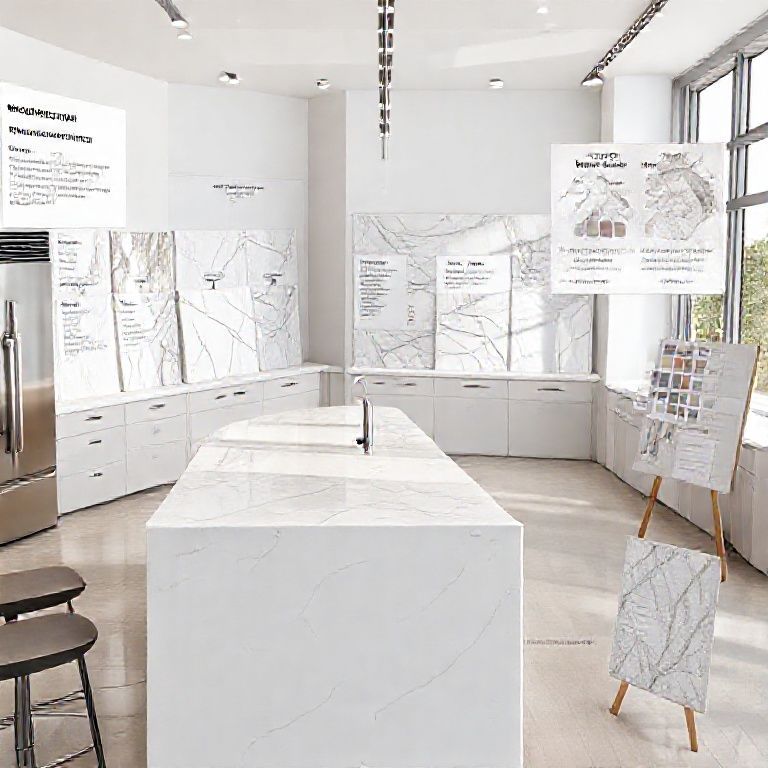
One of the most popular uses for marble, both natural and synthetic, is kitchen countertops.
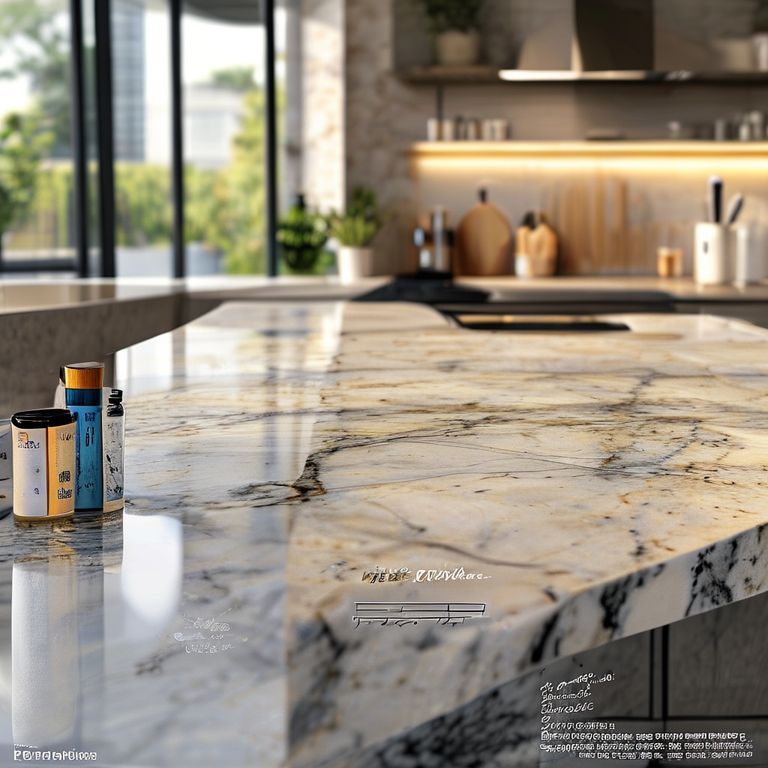
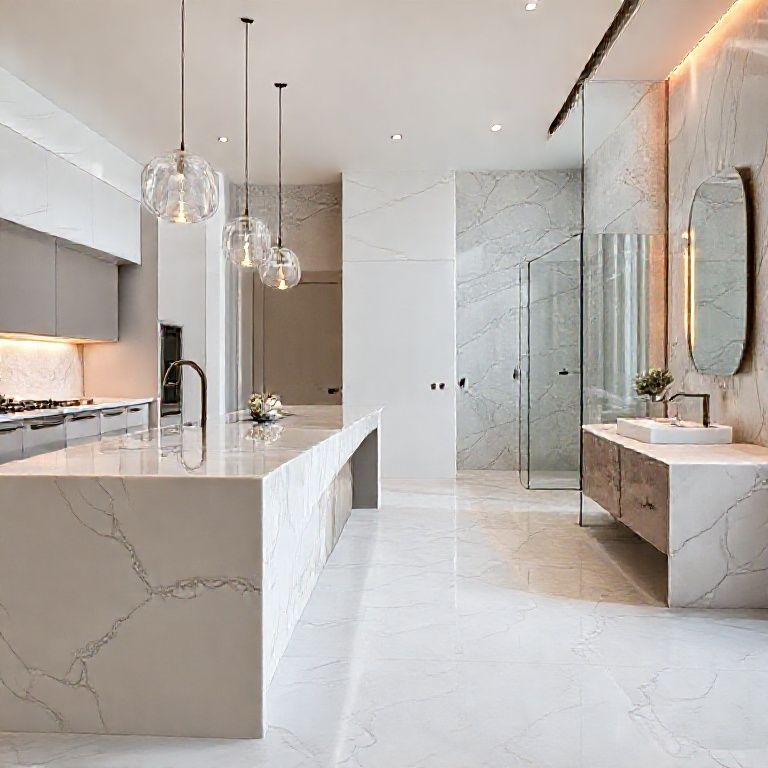
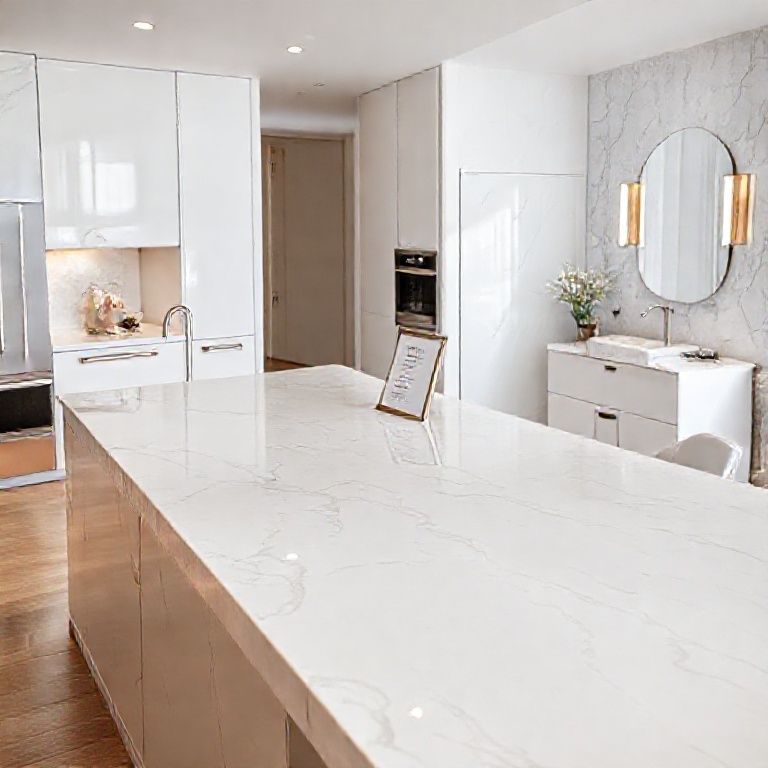
Natural marble countertops offer an elegant, timeless look that adds luxury to any kitchen. However, as previously mentioned, natural marble’s susceptibility to stains and scratches requires regular maintenance. It’s essential to use quality sealants and take extra care when handling acidic foods or cleaning agents. Despite these needs, many homeowners love the authentic beauty and unique patterns of natural marble, viewing the maintenance as part of the charm and character of the stone.
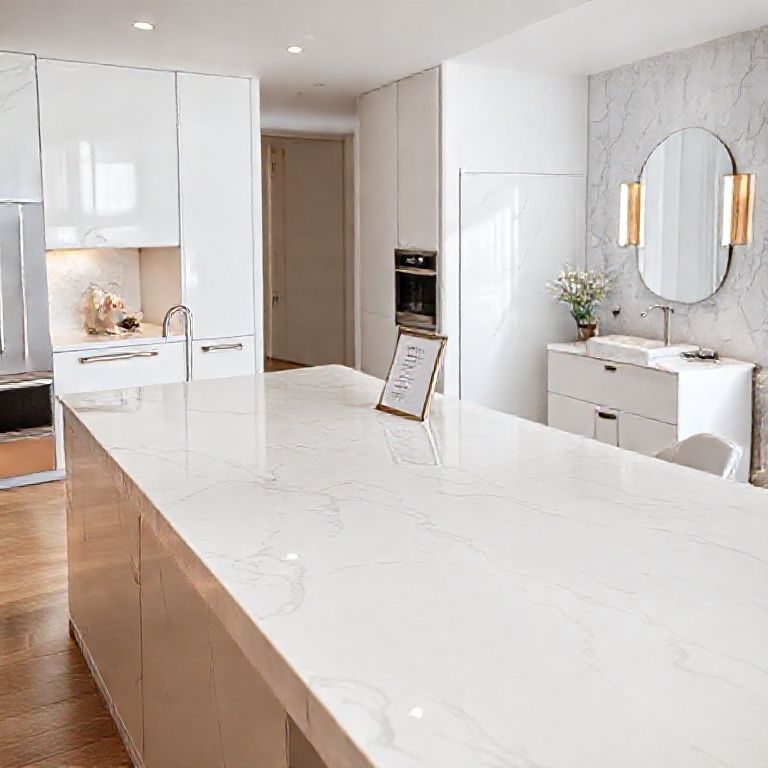
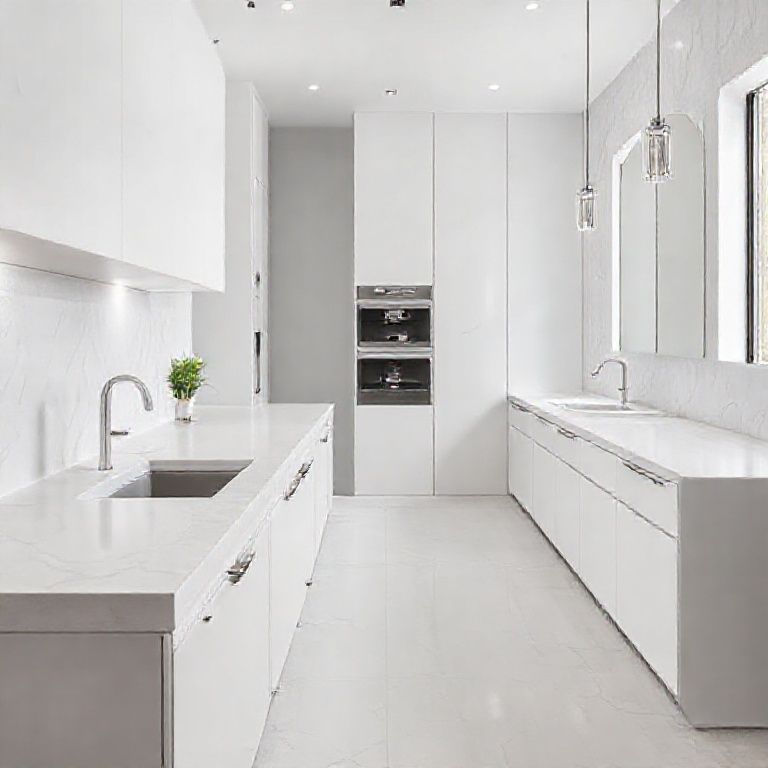
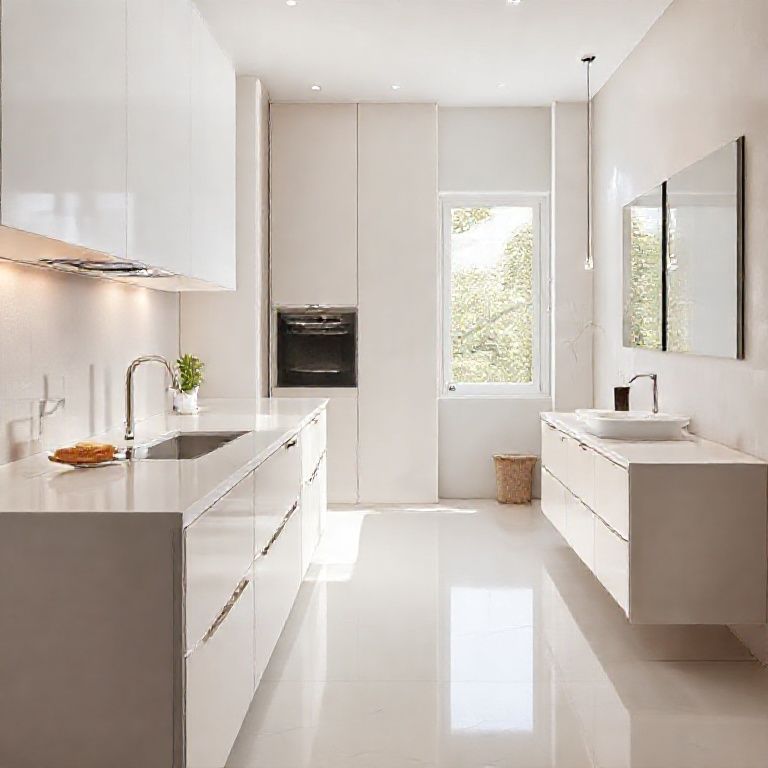
Synthetic marble countertops, on the other hand, provide a practical alternative. They’re highly resistant to scratches, stains, and thermal shock, making them easier to maintain. Their consistent appearance ensures uniformity across the countertop, which is particularly beneficial for larger installations. Additionally, synthetic marble can be engineered to mimic various types of natural marble, offering design flexibility and cost-effectiveness.
Bathroom Vanity Tops
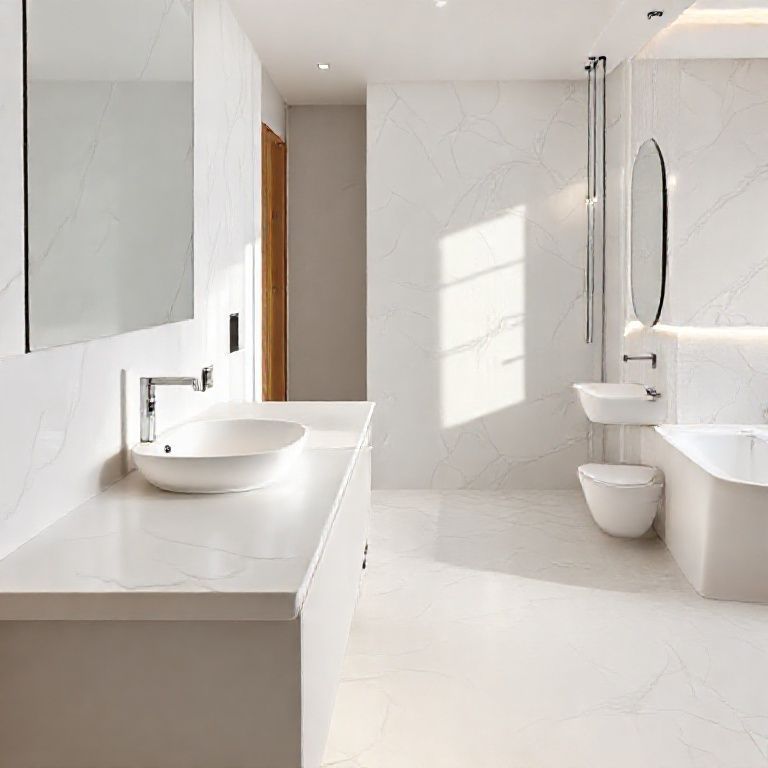
Bathrooms are another area where marble is frequently used, especially for vanity tops. Natural marble provides a luxurious feel that many find appealing, especially when paired with elegant faucets and fixtures. However, bathrooms often involve water and cleaning agents that can damage natural marble if not properly sealed and maintained.
Synthetic marble offers significant advantages in this setting. Its resistance to water and stains makes it easier to clean and maintain. The ability to create custom designs means that synthetic marble can be tailored to match the specific aesthetic vision of the bathroom. For example, you can choose a synthetic marble that mimics the look of a particular type of natural marble while offering the practical benefits of synthetic material.
Flooring and Wall Cladding
While less common than countertops and vanity tops, marble is also used for flooring and wall cladding. Natural marble’s unique patterns and colors can add a striking focal point to a room, but its susceptibility to moisture and stains makes it less practical for these applications.
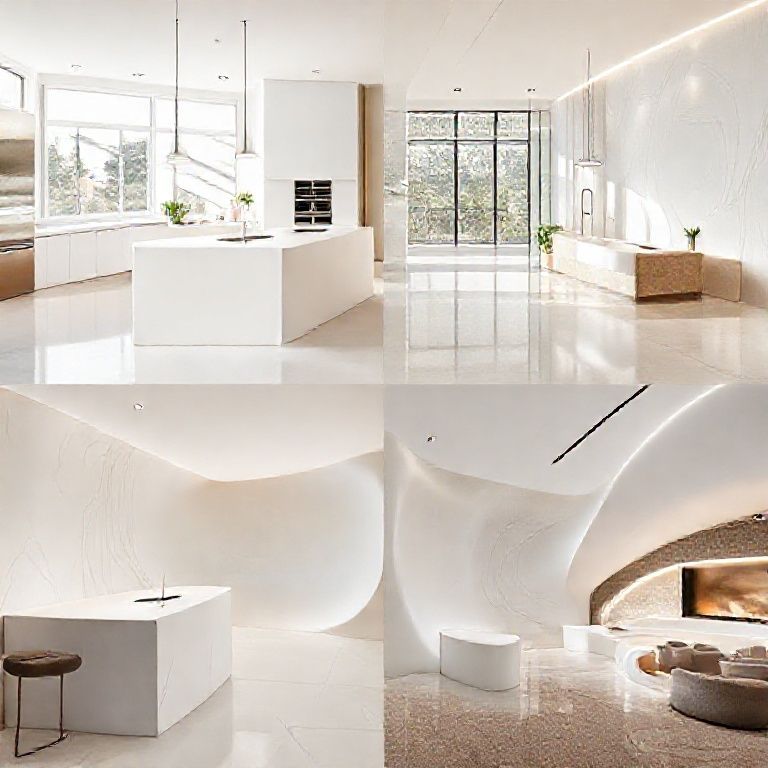
Synthetic marble, with its durability and design flexibility, is often a better choice for flooring and wall cladding. It’s easier to maintain, resists scratches and stains, and can be molded into various shapes and sizes to fit the desired design. Moreover, synthetic marble flooring can be installed on walls, creating a seamless, elegant look that enhances the overall aesthetic of the space.
Commercial Applications
In commercial settings, such as restaurants, offices, and public buildings, the choice between synthetic and natural marble often comes down to durability, cost, and design requirements.
Natural marble’s timeless beauty is highly valued in high-end commercial spaces where aesthetics are critical. However, the maintenance requirements and potential costs associated with natural marble can be significant.
Synthetic marble is often preferred in commercial applications due to its durability, resistance to stains and scratches, and consistent appearance. It’s easier to maintain and less expensive over the long term, making it a practical choice for high-traffic areas where durability is paramount.
Environmental Impact and Sustainability
In today’s environmentally conscious world, the sustainability of building materials is an important consideration. Natural marble extraction is an environmentally taxing process that can have significant ecological impacts, including habitat disruption and carbon emissions from transportation.
Synthetic marble, while also manufactured, can be produced with a lower environmental footprint compared to natural marble. It often requires fewer natural resources and less energy-intensive processes. Moreover, synthetic marble can be designed to mimic natural marble sustainably, reducing the demand for natural quarrying.
Final Considerations and Decision Making
When deciding between synthetic and natural marble for your home, several factors should be considered:
Aesthetic Preferences: Do you value the unique, natural patterns of marble or prefer the design flexibility and consistency of synthetic marble?
Maintenance: How much time and effort are you willing to invest in maintaining the marble? Natural marble requires more upkeep, while synthetic marble is easier to clean and maintain.
Durability: Where will the marble be installed? For high-traffic areas, synthetic marble’s durability is often a better choice.
Budget: Can you afford the higher cost of natural marble, or do you prefer the more economical option of synthetic marble?
Long-Term Value: Consider the long-term costs of maintenance and potential repairs. Synthetic marble often offers better value over time.
In conclusion, both synthetic and natural marble have their unique benefits and drawbacks. The choice ultimately depends on your personal preferences, budget, and specific needs for each area of your home. By understanding the differences and practical applications, you can make a well-informed decision that enhances the beauty and functionality of your living space.