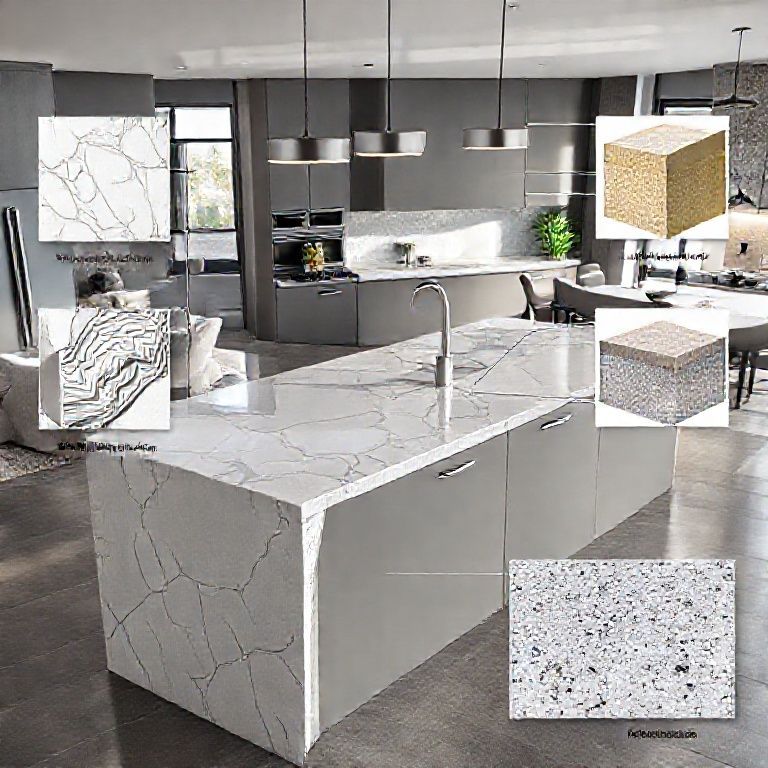
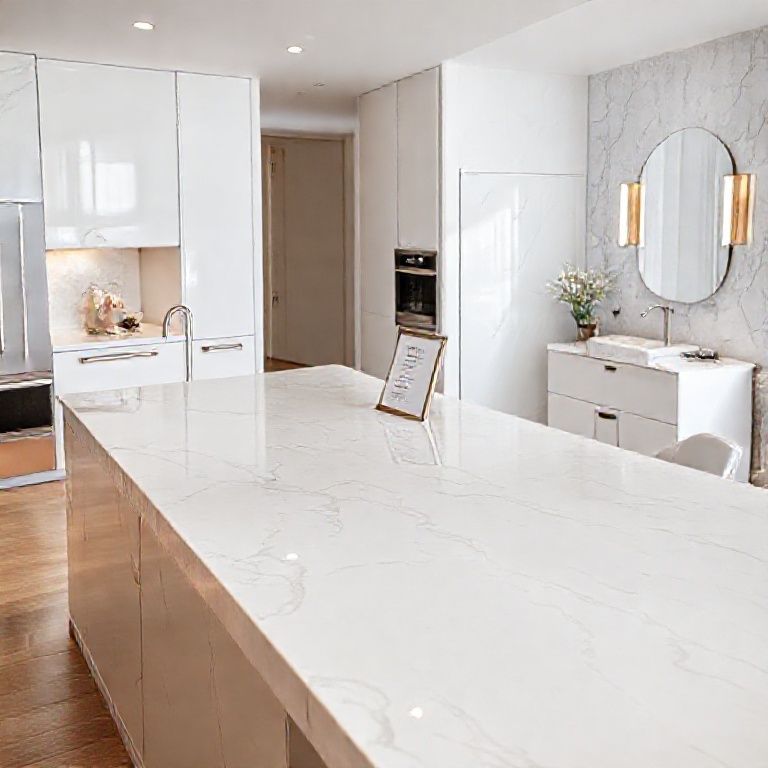
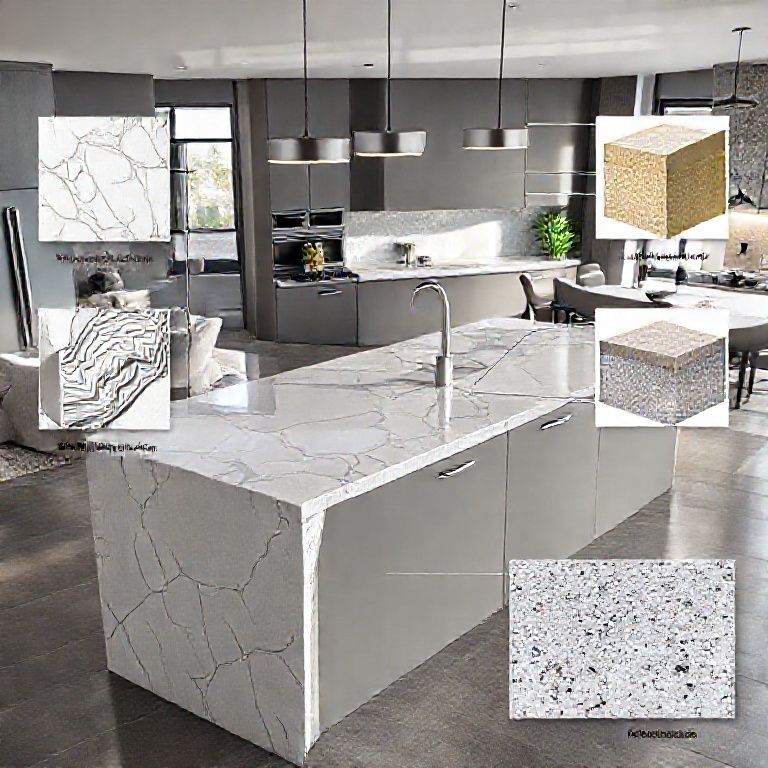
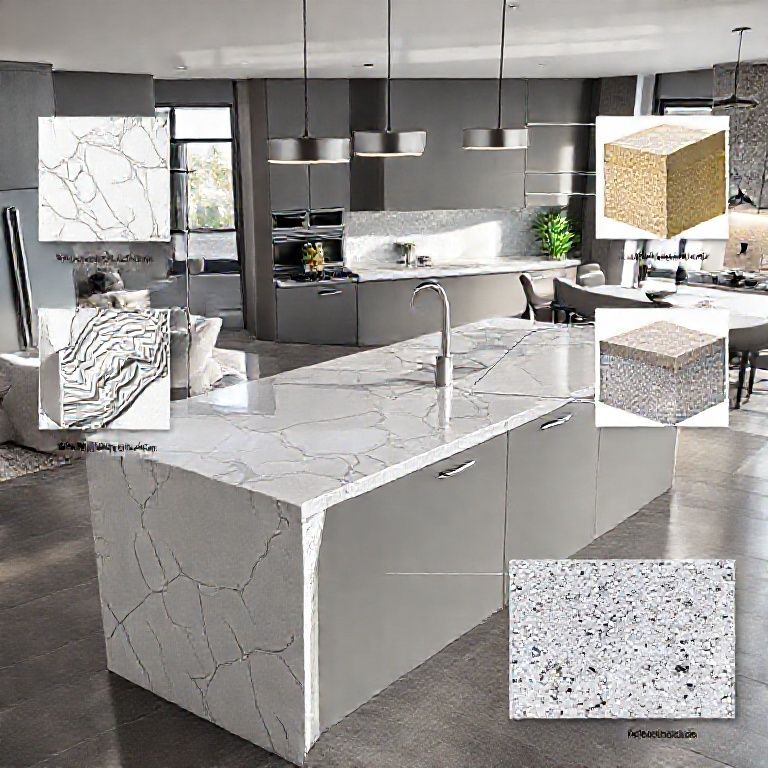
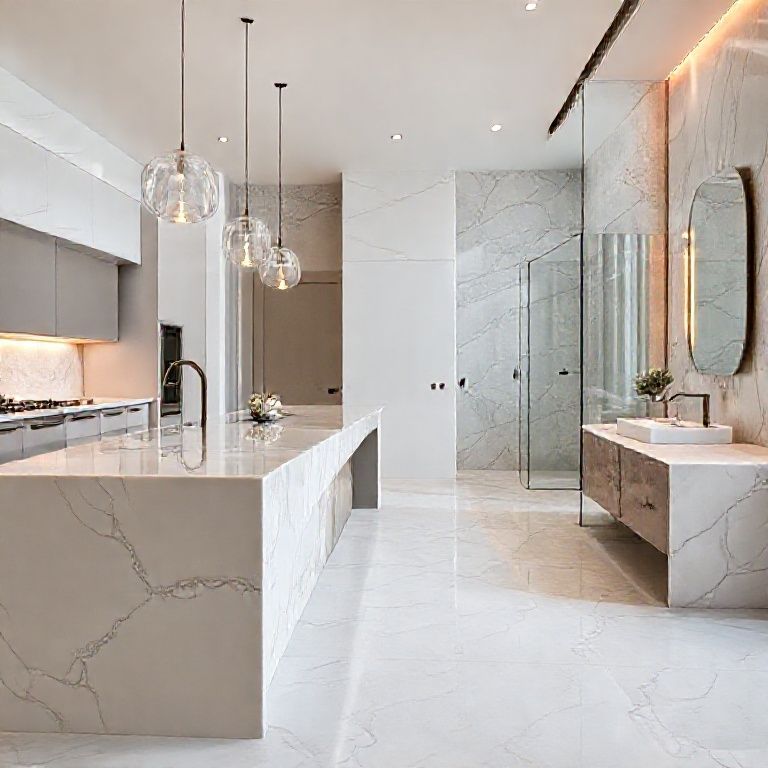
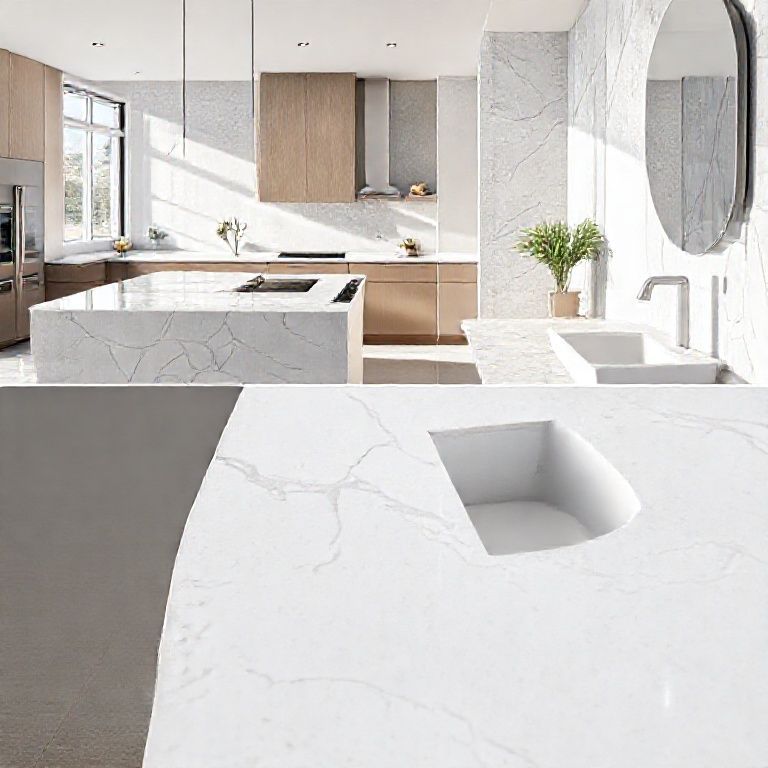
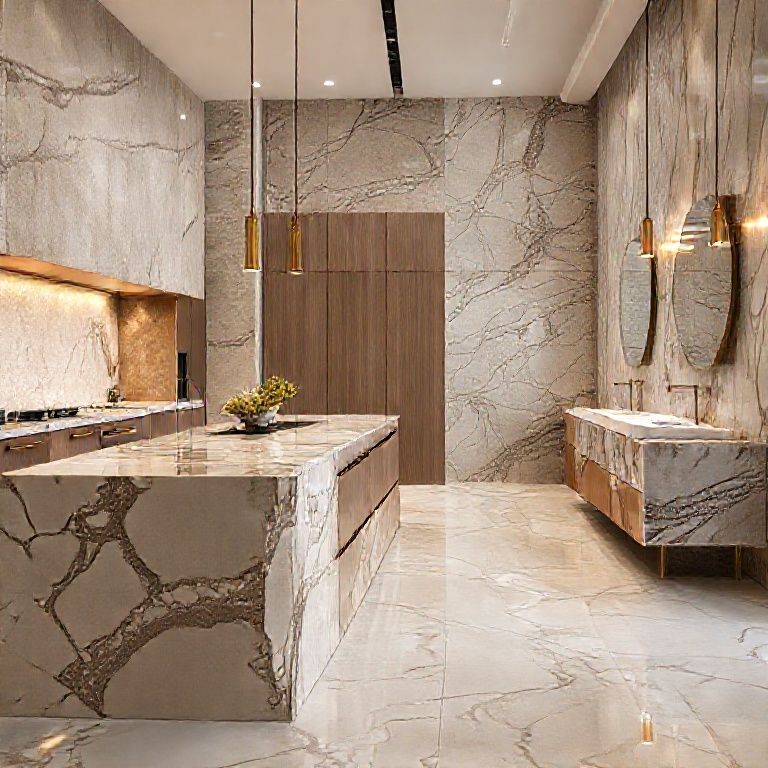
When it comes to selecting the perfect material for your dining table, the choices are abundant, but two materials often stand out for their timeless elegance and durability: slate and microcrystalline stone. Both materials offer unique attributes that can transform your dining space into a stunning focal point. In this part of our comprehensive guide, we will delve into the distinctive characteristics, advantages, and maintenance considerations of both slate and microcrystalline stone.
Slate: Timeless Elegance and Durability
Slate has been a favored choice for centuries, renowned for its natural beauty and durability. Originating from metamorphic rock, slate is composed of fine-grained minerals that create a unique and textured surface. This natural stone is prized for its ability to withstand the rigors of daily use while maintaining its aesthetic appeal.
Characteristics and Aesthetics:
Texture and Color: Slate is available in a variety of colors ranging from dark grays to light greens and even shades of blue. Its natural texture adds a rustic charm that is both elegant and timeless. Pattern: The natural veining and patterns in slate give each piece a unique look, making every table one-of-a-kind. Finish: Slate can be polished to a high shine, providing a sleek and modern finish, or left in its natural state for a raw and earthy appeal.
Durability:
Hardness: Slate is a relatively hard stone, ranking around 4 on the Mohs scale, which makes it highly resistant to scratches and wear. Abrasion Resistance: Its durability extends to its ability to withstand heat and cold, making it suitable for both indoor and outdoor use. Water Resistance: Slate is naturally water-resistant, but it is essential to seal it periodically to maintain its integrity.
Maintenance:
Cleaning: Slate tables can be cleaned with a damp cloth and mild soap. For tougher stains, a stone-specific cleaner can be used. Regular sealing is recommended to prevent water absorption and maintain the stone’s surface. Damage Prevention: Avoid placing hot objects directly on the table to prevent thermal shock, which can cause cracks.
Microcrystalline Stone: Modern and Versatile
Microcrystalline stone, also known as microquartz, is a composite stone made from a blend of quartz, granite, and other minerals. This man-made material has gained popularity for its versatility and modern aesthetic appeal.
Characteristics and Aesthetics:
Color Variety: Microcrystalline stone is available in a vast array of colors and patterns, allowing for extensive customization to match any decor. Smooth Surface: The polished finish of microcrystalline stone provides a sleek, modern look that is both elegant and sophisticated. Design Flexibility: Its versatility allows for intricate designs and patterns that can mimic natural stone or offer entirely unique looks.
Durability:
Hardness: Microcrystalline stone is harder than many natural stones, ranking around 7 on the Mohs scale. This makes it highly resistant to scratches, stains, and everyday wear. Abrasion Resistance: Its hardness ensures that the surface remains pristine even with heavy use. Heat Resistance: Microcrystalline stone can withstand high temperatures, making it suitable for both indoor and outdoor settings.
Maintenance:
Cleaning: Microcrystalline stone is relatively easy to clean, requiring only a damp cloth and mild soap. For tougher stains, a stone-specific cleaner can be used. Sealing: Regular sealing is recommended to maintain the stone’s surface and prevent staining. Unlike natural stone, microcrystalline stone does not require frequent sealing, but it is still important to protect its finish. Damage Prevention: To prevent scratches, it’s advisable to use coasters and avoid placing sharp objects directly on the table.
Comparative Analysis: Slate vs. Microcrystalline Stone
When comparing slate and microcrystalline stone, several factors come into play: aesthetics, durability, maintenance, and budget.
Aesthetics:
Slate: Offers a timeless, rustic charm with its natural texture and veining. Its unique color variations and ability to be polished or left in its natural state provide versatility in design. Microcrystalline Stone: Provides a modern, sleek appearance with a wide range of color options and customizable designs. Its polished finish can mimic natural stone while offering a more uniform look.
Durability:
Slate: Highly durable with natural resistance to scratches, wear, and temperature changes. However, its water absorption can be an issue if not sealed properly. Microcrystalline Stone: Extremely durable with superior resistance to scratches, stains, and temperature fluctuations. Its man-made composition makes it more resilient than natural stone.
Maintenance:
Slate: Requires regular sealing to prevent water absorption and maintain its integrity. Cleaning is straightforward, but care must be taken to avoid thermal shock. Microcrystalline Stone: Easier to clean and maintain with less frequent sealing needed. It offers superior resistance to scratches and stains, requiring minimal upkeep.
Budget:
Slate: Typically more expensive due to its natural origin and the need for periodic sealing and maintenance. Microcrystalline Stone: Generally more affordable, offering a wide range of designs and finishes at a lower cost.
Conclusion
Choosing between slate and microcrystalline stone for your dining table ultimately depends on your personal preferences and priorities. Slate offers a timeless elegance and natural beauty that can add a rustic charm to your dining space. Its durability and unique characteristics make it a durable choice, though it requires more maintenance.
On the other hand, microcrystalline stone provides a modern, versatile option with superior durability and a wide range of design possibilities. Its polished finish and ease of maintenance make it an attractive choice for those looking for low-maintenance elegance.
In the next part of our guide, we will explore the installation process, design considerations, and additional factors to help you make an informed decision for your dining table selection. Stay tuned for more insights on creating the perfect dining space!