Choosing the Best Material for Indoor Window Sills: A Comprehensive Guide
Indoor window sills are not just functional elements that support your window; they are also significant design features that can enhance the overall aesthetic of your home. Selecting the right material for your indoor window sill is essential to ensure durability, ease of maintenance, and style that complements your interior decor. Let’s explore some of the most popular and high-quality materials used for indoor window sills.
1. Wood
Natural Beauty and Versatility:
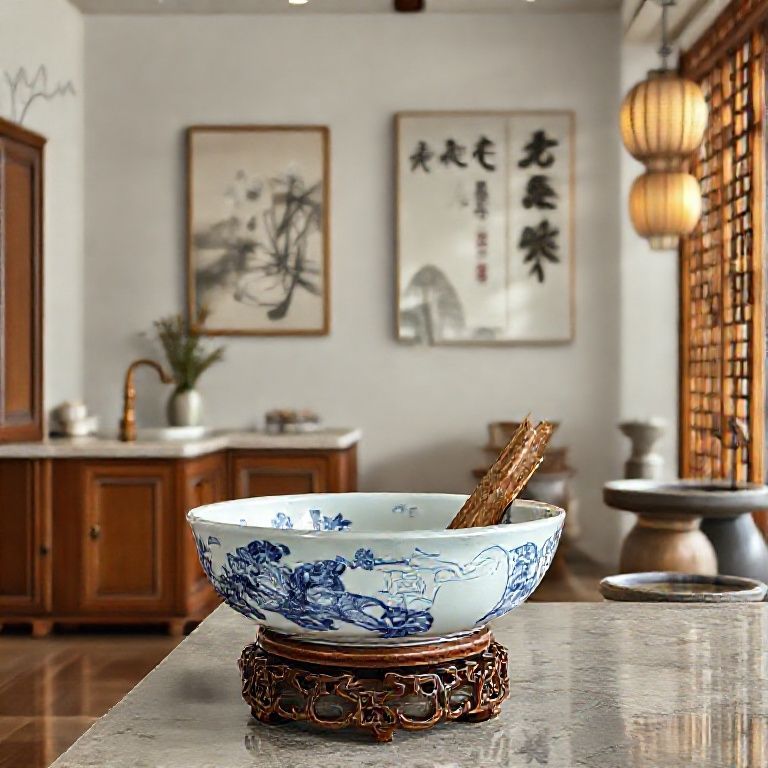
Wood is one of the most popular materials for indoor window sills due to its natural beauty and versatility. Different types of wood offer various finishes, colors, and textures that can match a wide range of interior styles, from rustic to modern.
Benefits:
Aesthetic Appeal: Wood sills add a touch of elegance and warmth to any room.
Variety: You can choose from a wide variety of woods, including oak, maple, walnut, and pine, each with distinct characteristics.
Customization: Wood sills can be stained, painted, or left natural to suit your decor preferences.
Durability: While wood is durable, it is susceptible to moisture damage, so proper sealing and maintenance are crucial.
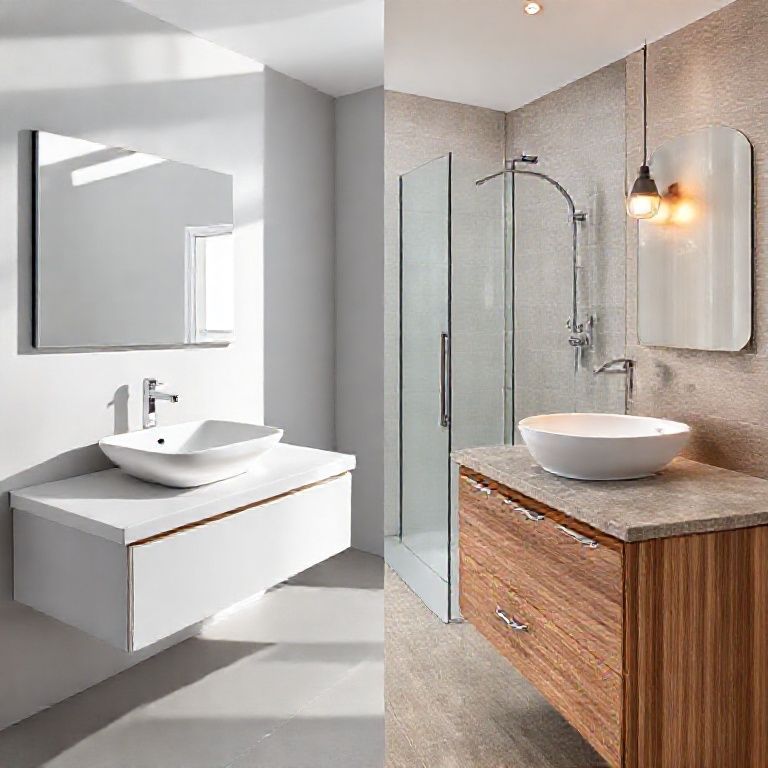
Maintenance: Regular cleaning and periodic refinishing are necessary to keep wood sills looking their best.
2. Stone
Elegance and Timeless Appeal:
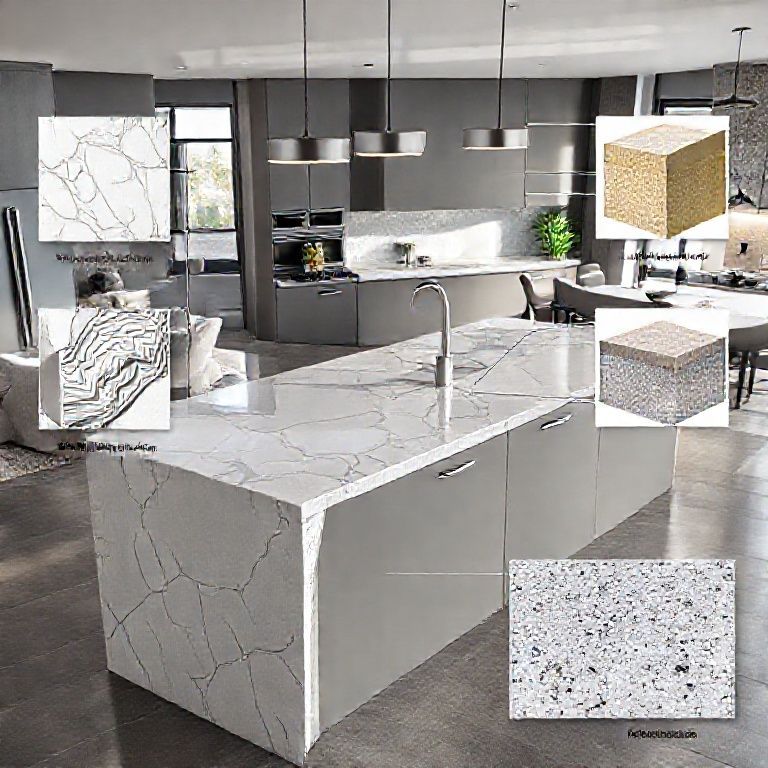
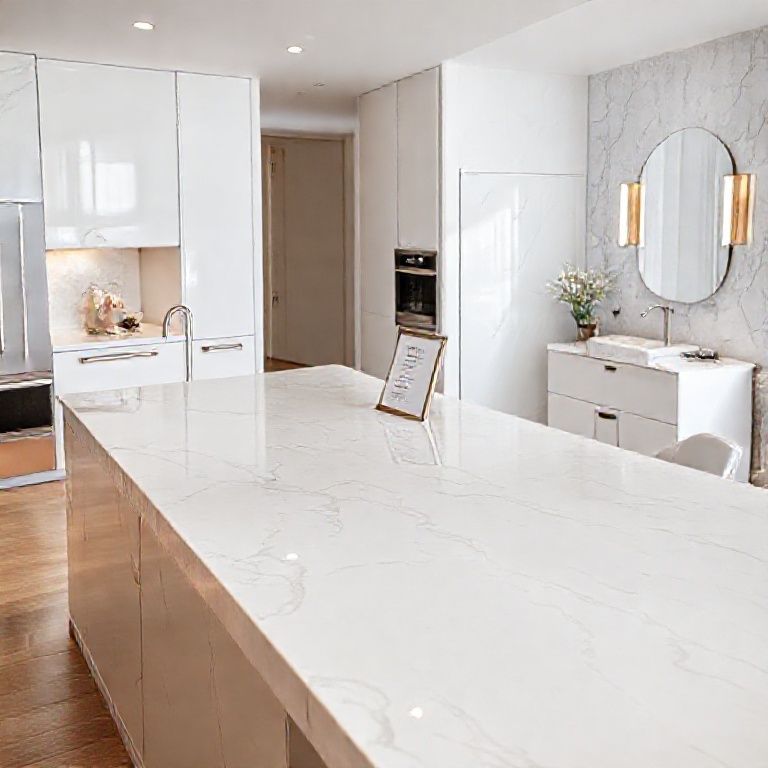
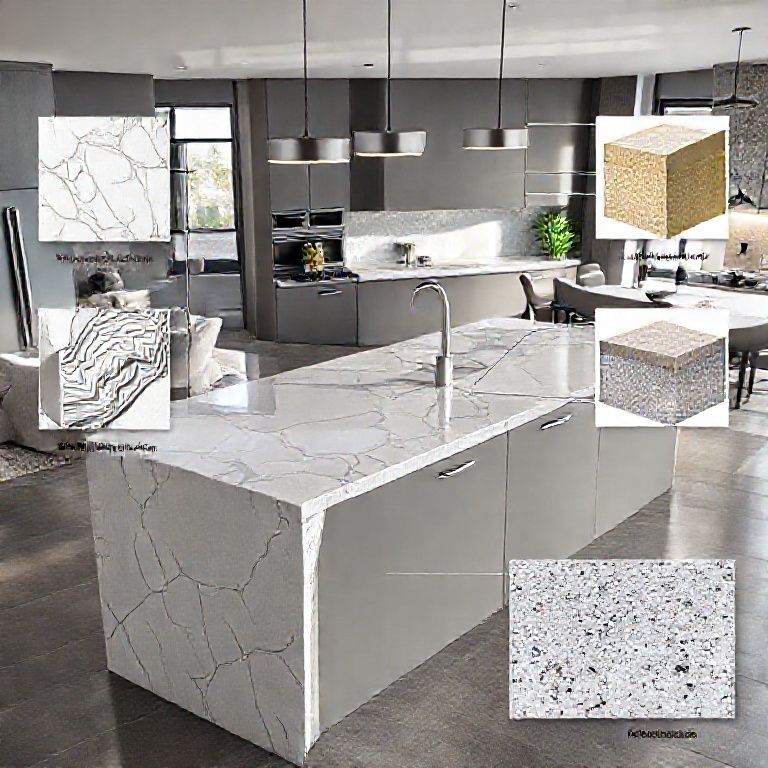
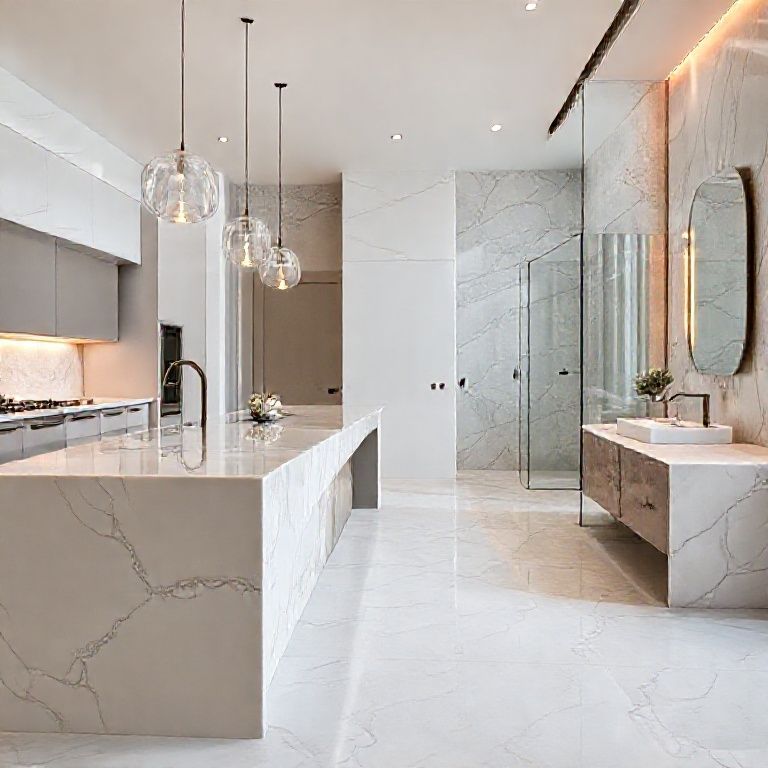
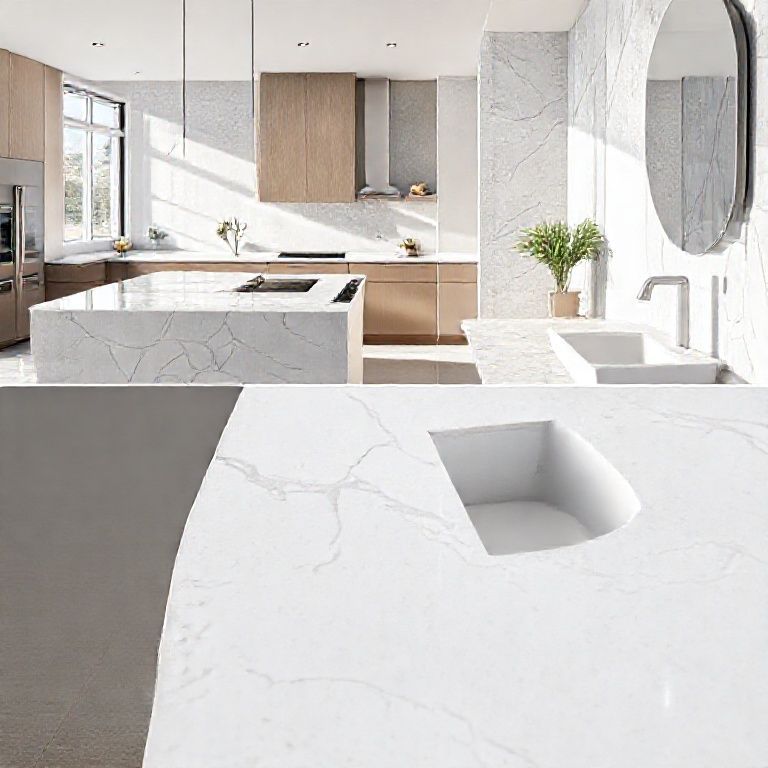
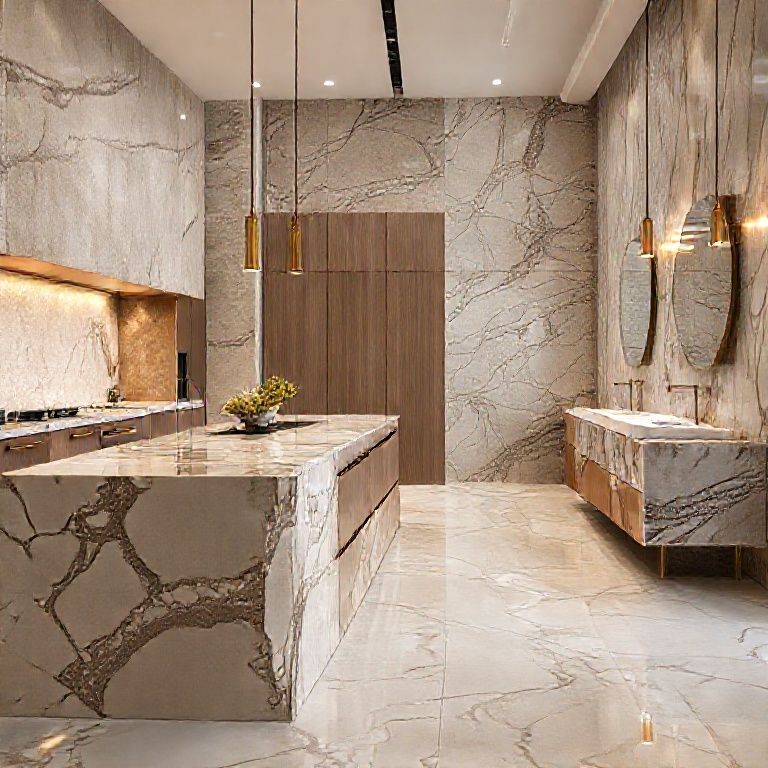
Stone window sills offer an elegant and timeless look that can elevate the sophistication of any room. Made from natural stone materials like granite, marble, or limestone, these sills are both durable and low-maintenance.
Benefits:
Aesthetic Appeal: Stone sills provide a luxurious and timeless appearance that can enhance the overall decor of your home.
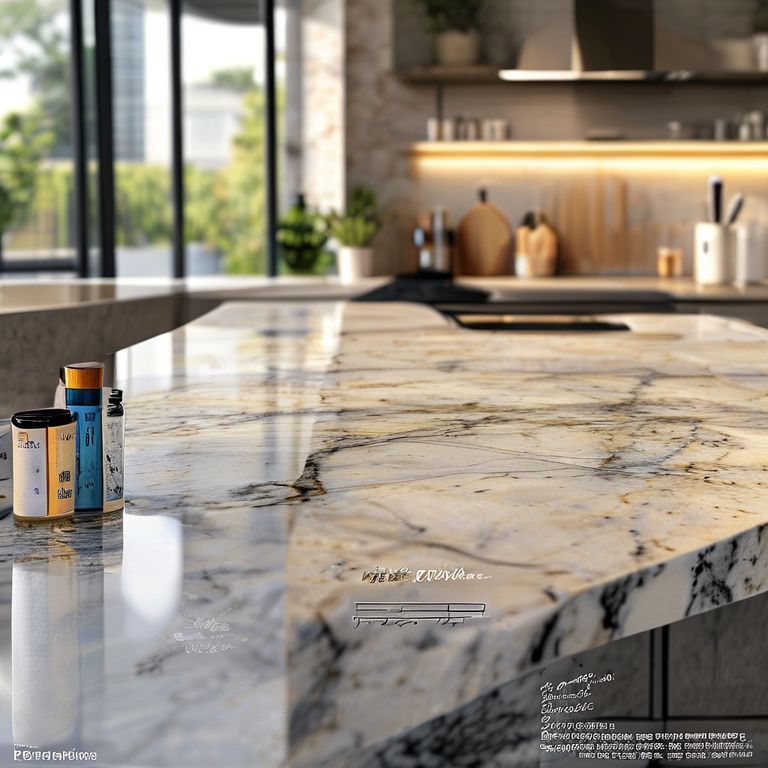
Durability: Stones are highly resistant to scratches, stains, and temperature fluctuations.
Low Maintenance: Stone sills require minimal maintenance; regular cleaning with a soft cloth and mild soap suffices.
Drawbacks:
Cost: Stone sills can be more expensive compared to other materials.
Weight: Heavier than other options, which might require more structural support.
3. Metal
Modern and Industrial Appeal:
Metal window sills bring a sleek and modern look to your interior space. Materials like stainless steel, aluminum, and brass are commonly used for their durability and contemporary aesthetics.
Benefits:
Aesthetic Appeal: Metal sills offer a clean, modern look that is perfect for industrial or minimalist styles.
Durability: Metals are highly resistant to scratches, stains, and weathering.
Low Maintenance: Requires minimal upkeep; regular cleaning with a soft cloth and mild detergent is usually sufficient.
Drawbacks:
Cost: Metal sills can be more expensive, especially high-end metals like brass or bronze.
Temperature Sensitivity: Metals can become uncomfortably cold in winter and hot in summer.
4. Composite
Durability and Low Maintenance:
Composite materials combine the best aspects of various natural materials to create a durable and low-maintenance window sill. These materials are made from a blend of wood fibers, plastic, and other additives.
Benefits:
Durability: Composites are highly resistant to moisture, stains, and decay.
Low Maintenance: Requires minimal upkeep; simply wipe with a damp cloth and mild soap.
Versatility: Available in a variety of colors and finishes to match any interior design.
Drawbacks:
Cost: Generally more expensive than solid wood but less than stone or high-end metals.
Weight: Lighter than stone but heavier than some other materials.
5. Plastic
Affordability and Versatility:
Plastic window sills offer an affordable and versatile option for those looking to add functionality without breaking the bank. Made from high-density polyethylene (HDPE), these sills are easy to install and maintain.
Benefits:
Affordability: Plastic sills are generally more affordable compared to other materials.
Versatility: Available in a variety of colors and styles.
Low Maintenance: Requires minimal upkeep; simply wipe with a damp cloth and mild soap.
Drawbacks:
Durability: While durable, plastic can be susceptible to UV damage over time.
Aesthetic Appeal: May not offer the same visual appeal as natural materials like wood or stone.
Conclusion
Choosing the right material for your indoor window sill is a decision that should consider aesthetics, durability, and maintenance requirements. Wood offers natural beauty and versatility, while stone provides elegance and durability. Metal sills bring a modern and sleek look, composites combine the best of both worlds, and plastic offers an affordable yet versatile option.
By understanding the benefits and drawbacks of each material, you can make an informed decision that best suits your home’s design and your personal preferences. Whether you’re looking to enhance the beauty of your living space or simply want a functional and durable solution, the right window sill material can make all the difference.
Choosing the Best Material for Indoor Window Sills: A Comprehensive Guide (Continued)
In the previous part, we explored various materials for indoor window sills, highlighting their benefits and drawbacks. Now, let’s delve deeper into some specific considerations and tips to help you make the best choice for your home.
1. Assessing Your Needs and Preferences
Before selecting a material, it’s essential to assess your specific needs and preferences. Consider factors such as the overall style of your home, the amount of maintenance you’re willing to undertake, and your budget.
Style Compatibility: Ensure that the material complements the existing decor and style of your home. For instance, natural stone or wood might be ideal for traditional or rustic styles, while metal and composite materials suit modern and industrial designs. Maintenance: Think about how much time you’re willing to spend on maintaining the sill. Materials like stone and metal require minimal upkeep, whereas wood might need periodic refinishing. Budget: Consider your budget and weigh the initial cost against the long-term durability and maintenance of the material.
2. Durability and Longevity
The durability of the material is crucial for ensuring the long-term functionality and appearance of your window sill. Here’s how different materials stack up in terms of durability:
Wood: While beautiful, wood sills can be prone to moisture damage, insect infestation, and fading over time. Proper sealing and regular maintenance are essential to prolong its lifespan. Stone: Highly durable, stone sills are resistant to scratches, stains, and temperature fluctuations. They require minimal maintenance and can last for decades with just regular cleaning. Metal: Metals like stainless steel and aluminum are highly durable and resistant to scratches, stains, and weathering. However, they can be more expensive and might require some protection against corrosion. Composite: Composite materials offer excellent durability, resistant to moisture, stains, and decay. They provide a long-lasting solution with minimal maintenance. Plastic: While affordable and low-maintenance, plastic sills can be susceptible to UV damage over time. They are best suited for areas with minimal sun exposure.
3. Installation and Compatibility
When selecting a material, it’s also important to consider the ease of installation and compatibility with your existing window frame.
Installation: Some materials, like stone and metal, might require professional installation due to their weight and complexity. Ensure that your chosen material can be easily installed by a professional or DIY if you’re handy. Compatibility: Make sure the material is compatible with your window frame type. For instance, if you have a wooden window frame, a wood sill might be a perfect match. However, if you have a metal frame, a composite or metal sill might be more suitable.
4. Environmental and Health Considerations
It’s also important to consider the environmental and health impacts of the material you choose. Here are some things to keep in mind:
Sustainability: Opt for sustainable materials that are eco-friendly and sourced responsibly. Bamboo and recycled composite materials are excellent sustainable options. VOCs: Ensure that the material has low volatile organic compound (VOC) emissions to maintain indoor air quality. Natural materials like wood and stone typically have lower VOCs compared to synthetic materials. Allergies: If you have allergies or respiratory issues, choose materials that are non-toxic and hypoallergenic. Natural stone and wood are generally safe options.
5. Budget Considerations
While the initial cost is an important factor, it’s equally important to consider the long-term costs associated以及未来可能需要的维护和更换成本。
这些因素可以帮助你做出一个更全面的决策。
初始成本 vs. 长期成本:虽然一些材料可能在初始成本上更高,但如果它们更耐用,长期来看可能会更经济。例如,石材和金属可能初始成本高,但维护简单且寿命长。 保修和保障:查看不同材料的保修和保障政策。一些高质量的材料可能提供更长时间的保修,这可以减少未来的维修费用。
实际案例和建议
客厅窗台: 木材:适合传统和乡村风格的客厅。如果客厅经常有植物,木材的天然吸水性也有助于植物生长。 石材:适合现代和中式风格的客厅,提供坚固耐用的外观,但需要注意防潮处理。 金属:现代风格的客厅可以选择金属窗台,简洁大方,但要注意防止锈蚀。
厨房窗台: 石材:厨房窗台需要耐用且易清洁,石材是一个很好的选择,特别是那些经常接触水和油的窗台。 复合材料:也是一个不错的选择,它们耐用且易清洁,适合高频使用的厨房窗台。 卧室窗台: 木材:卧室窗台可以选择木材,提供温馨舒适的氛围,但需要注意防潮和防虫处理。
复合材料:如果不想花太多精力在维护上,复合材料也是一个不错的选择,它们既美观又易于维护。 浴室窗台: 石材:尽量避免石材,因为它们容易吸水,需要定期保养。 复合材料:非常适合浴室,耐湿且易于清洁,是一个经济实惠的选择。
总结
选择窗台材料时,应该综合考虑美观、耐用性、易维护性以及预算等多个因素。无论你选择哪种材料,都建议在购买前进行详细的市场调研,咨询专业人士的意见,并且尽可能多看看其他人的实际案例,以便做出最合适的决定。如果有任何特殊需求或疑问,请随时提出来,我会尽力提供更多具体的建议。