When it comes to bathroom renovations, selecting the right sink is paramount. The sink not only adds functionality but also sets the tone for the entire bathroom design. Among the myriad of options available, ceramic and granite sinks stand out due to their popularity and unique attributes. This article explores the intricacies of ceramic and granite sinks to help you make an informed decision.
Ceramic Sinks: A Blend of Aesthetics and Durability
Ceramic sinks have long been a favorite among homeowners for their stunning aesthetic appeal and practicality. Crafted from natural clay and subjected to high-temperature firing, ceramic sinks are renowned for their smooth, glossy finish and vibrant color options.
Aesthetic Appeal One of the most striking features of ceramic sinks is their versatility in design. Available in a plethora of colors and styles, ceramic sinks can complement almost any bathroom decor. Whether you prefer a classic white, a sleek black, or a bold, patterned design, ceramic offers an array of options to match your aesthetic preferences.
Durability While ceramic sinks are highly durable, they do have a few drawbacks when compared to other materials. Ceramic is less prone to scratching and dents than some other sink materials, which makes it a great option for households with children or pets. However, ceramic sinks can be susceptible to chips and cracks if subjected to excessive force or dropped objects. This makes ceramic sinks more fragile compared to their granite counterparts.
Maintenance Ceramic sinks are known for their low maintenance requirements. Their smooth, non-porous surface resists stains, bacteria, and mold, making them relatively easy to clean. A simple wipe-down with a mild soap and water solution will usually suffice. However, it is crucial to avoid abrasive cleaners and sponges that could scratch the surface over time.
Cost The cost of ceramic sinks varies widely depending on the design and quality. On average, ceramic sinks tend to be more affordable than granite sinks, making them an attractive option for budget-conscious homeowners. However, it’s essential to consider the potential for higher maintenance costs in the long run, as chipped or cracked ceramic sinks may require professional repair or replacement.
Granite Sinks: Strength and Style Combined
Granite sinks, on the other hand, are known for their unmatched strength and durability. Derived from natural stone, granite sinks offer a unique, one-of-a-kind look with their intricate veining and color variations.
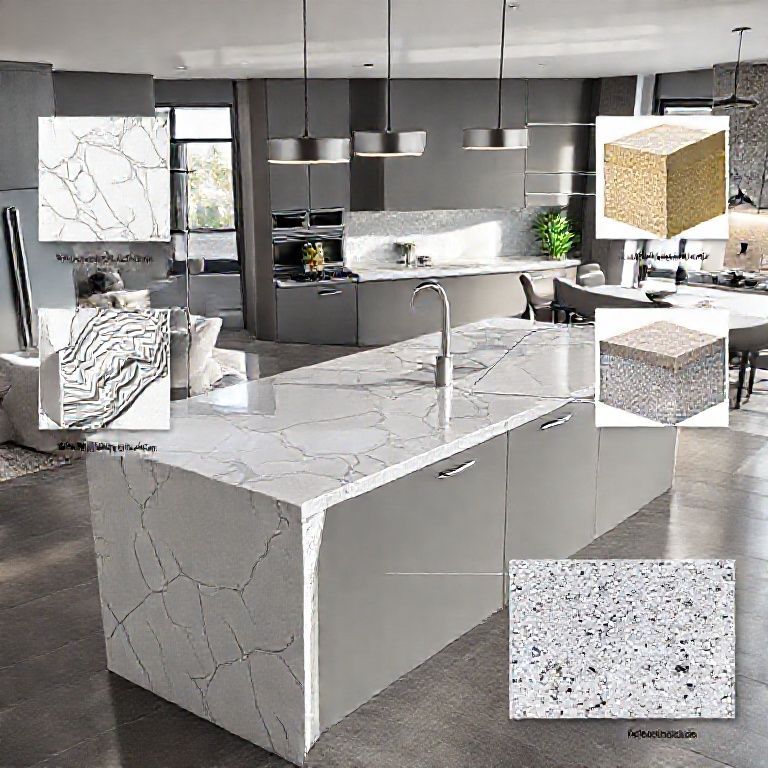
Aesthetic Appeal Granite sinks are a statement piece in any bathroom. Their natural stone finish provides a luxurious, timeless appeal that can elevate the overall ambiance of the space. The natural beauty of granite, with its unique patterns and colors, adds a touch of elegance and sophistication to any bathroom decor. While the initial cost might be higher, the long-term aesthetic value is often worth it.
Durability Granite sinks are incredibly durable and resistant to scratches, dents, and chips. Their hardness makes them less prone to damage, which means they can withstand daily use without significant wear and tear. Granite sinks also have a high resistance to staining and bacterial growth, making them an excellent choice for long-term durability.
Maintenance Although granite sinks are low-maintenance, they do require some care to maintain their pristine appearance. It is essential to use non-abrasive cleaning agents and soft cloths to avoid scratching the surface. Additionally, it is crucial to clean up spills promptly to prevent staining. While granite sinks are relatively easy to clean, it’s best to avoid harsh chemicals and acidic substances that could etch the surface over time.
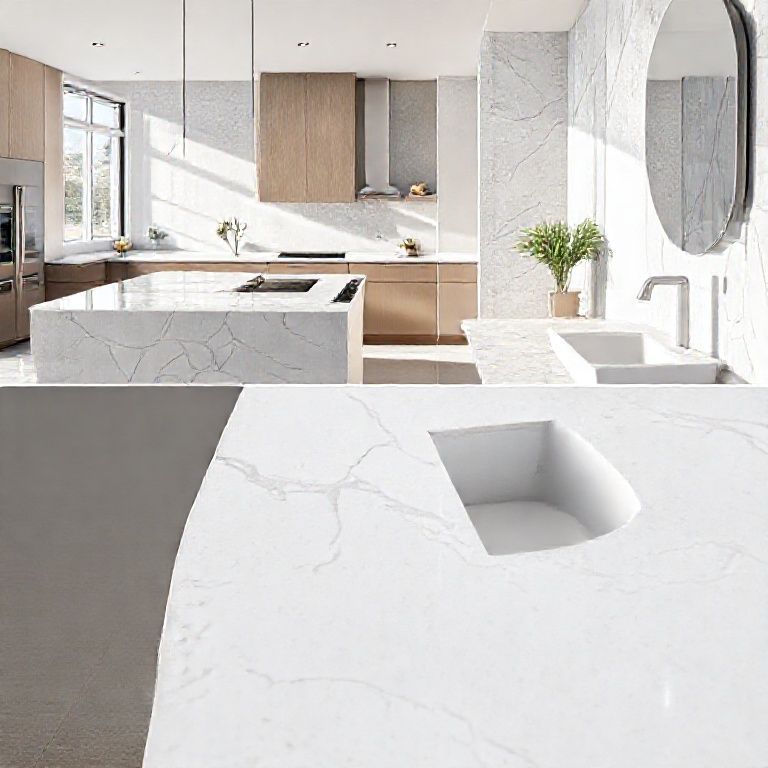
Cost Granite sinks are generally more expensive than ceramic sinks due to their natural stone composition and intricate veining. The cost can vary widely depending on the type of granite and the design complexity. However, the investment in a granite sink often pays off in terms of durability and aesthetic appeal, making it a worthwhile choice for those seeking a long-lasting and visually striking sink.
Environmental and Health Considerations
Both ceramic and granite sinks have their environmental and health implications. It’s important to consider these factors when making your decision.
Ceramic Sinks Ceramic sinks are made from natural clay and are generally considered environmentally friendly. However, the manufacturing process can involve significant energy consumption and water usage. Additionally, the glaze used in ceramic sinks can contain chemicals that may pose health risks if not properly managed during the manufacturing process.
Granite Sinks Granite sinks are made from natural stone, which means they have a minimal environmental footprint compared to synthetic materials. However, the extraction and transportation of granite can contribute to environmental degradation. Moreover, granite sinks contain trace amounts of heavy metals like arsenic and lead, which can pose health risks if the sink is not properly sealed and maintained.
Conclusion
Choosing between a ceramic and a granite sink involves weighing several factors, including aesthetics, durability, maintenance, and cost. Ceramic sinks offer a wide range of design options and are generally more affordable, though they may require more careful handling to avoid damage. On the other hand, granite sinks provide unmatched durability and a unique, natural beauty that can enhance the overall appeal of any bathroom. By considering these factors, you can make an informed decision that best suits your needs and preferences.
Stay tuned for Part 2, where we will delve deeper into the long-term considerations and additional benefits of choosing either ceramic or granite sinks for your bathroom renovation.
In our first part, we explored the aesthetics, durability, maintenance, and cost of ceramic and granite sinks. Now, let’s delve deeper into the long-term considerations and additional benefits that will help you make an informed decision for your bathroom renovation.
Installation: Ease and Expertise
When it comes to installing a bathroom sink, the material plays a significant role in determining the ease of installation and the level of expertise required.
Ceramic Sinks Ceramic sinks are generally easier to install due to their lightweight nature and the availability of pre-drilled holes for faucets and drains. Many ceramic sinks come with detailed installation instructions and are designed for straightforward installation. However, the installation process might require some level of expertise to ensure a proper fit and secure attachment.
Granite Sinks Granite sinks are heavier and require more careful handling during installation. The installation process for granite sinks might be more complex due to their size and weight. Professional installation is often recommended to ensure the sink is properly secured and aligned. However, the expertise required for granite sink installation can also translate into a more robust and secure installation.
Water Resistance and Longevity
Water resistance is a critical factor in the longevity and performance of a bathroom sink.
Ceramic Sinks Ceramic sinks are generally not as water-resistant as natural stone sinks. They can be susceptible to water damage over time, which might lead to warping or discoloration. Proper sealing and regular maintenance are essential to prevent water damage and prolong the life of ceramic sinks.
Granite Sinks Granite sinks are highly water-resistant and can withstand prolonged exposure to water without significant damage. The natural stone composition of granite provides excellent resistance to water, making it a durable choice for long-term use. Granite sinks also tend to retain their appearance and functionality over many years, offering excellent longevity.
Warranty and Resale Value
When considering the long-term benefits of ceramic and granite sinks, warranty and resale value are important factors to evaluate.
Ceramic Sinks Ceramic sinks often come with a warranty that covers defects in materials and workmanship for a specific period. While the warranty can provide peace of mind, it’s important to review the terms and conditions to understand the coverage and limitations. In terms of resale value, ceramic sinks might depreciate over time, especially if they become less popular or if they show signs of wear and tear.
Granite Sinks Granite sinks typically come with a longer warranty that covers both material defects and workmanship for several years. The warranty can provide significant peace of mind and protection against potential issues. In terms of resale value, granite sinks tend to hold their value well, especially if they are in good condition and have a unique, natural appearance. The long-lasting appeal of granite sinks makes them a valuable investment for resale.
Additional Benefits
Beyond the primary considerations of aesthetics, durability, and maintenance, there are additional benefits to consider when choosing between ceramic and granite sinks.
Ceramic Sinks Ceramic sinks offer a wide range of design options, including unique shapes and custom sizes. They are also relatively easy to repair if they get chipped, as small repairs can often be done on继续我们对陶瓷和花岗岩水槽的比较,我们将探讨一些额外的选择因素,这些因素将帮助你更全面地理解每种材料的优势和潜在的缺点。
抗菌性和卫生性
当谈到浴室水槽时,抗菌性和卫生性是非常重要的考虑因素。清洁和维护的便捷性直接影响到浴室的整体卫生状况。
陶瓷水槽 陶瓷水槽的光滑表面和易清洁的性质使其成为抗菌和保持卫生的好选择。由于其表面不具有多孔性,陶瓷水槽能够有效地防止细菌和霉菌的滋生。如果陶瓷水槽表面出现细小的划痕或凹痕,细菌可能会在这些区域滋生,因此需要定期清洁和保养。
花岗岩水槽 相比之下,花岗岩水槽由于其天然石材的纹理和多孔性,在表面可能会有更多的细小缝隙,这些缝隙可能会藏住细菌和污渍。虽然花岗岩本身是一种非常坚硬和耐用的材料,但其多孔性可能会导致一些细菌和霉菌的滋生。因此,花岗岩水槽在清洁时需要特别小心,以确保所有的细小缝隙都得到充分清洁。
环保性和可持续性
在现代环保意识不断提高的背景下,选择对环境友好的材料变得越来越重要。这涉及到材料的生产过程、使用寿命以及最终处理的环境影响。
陶瓷水槽 陶瓷制造过程中可能会消耗大量的水和能源,并且在高温烧制过程中可能会产生温室气体。陶瓷水槽在其使用寿命内非常耐用,不需要频繁更换,这在一定程度上减少了对环境的负担。陶瓷可以回收利用,但其回收率相对较低。
花岗岩水槽 花岗岩是一种天然石材,其开采和加工过程可能对当地生态系统造成影响。花岗岩具有极长的使用寿命,因此在整个生命周期内,它对环境的影响可能较小。尽管如此,花岗岩的回收利用相对较难,因此其环保性可能不如人工合成材料。
耐用性和耐久性
浴室水槽的耐用性和耐久性是评估其长期价值的重要因素。这涉及到材料在日常使用中的表现,如抗冲击、抗腐蚀和整体耐用性。
陶瓷水槽 虽然陶瓷水槽具有一定的耐用性,但它们在承受冲击力方面相对较弱。轻微的撞击可能会导致表面划痕,而更强的冲击力则可能导致破裂或损坏。因此,陶瓷水槽在日常使用中需要较为小心,以避免不必要的损坏。
花岗岩水槽 相比之下,花岗岩水槽在抗冲击和抗腐蚀方面表现出色。花岗岩是一种非常坚硬和耐用的天然石材,能够承受日常使用中的各种冲击和磨损。花岗岩水槽的耐用性使其成为长期投资的好选择,但需要注意的是,花岗岩水槽表面可能会有细小的缝隙,需要定期清洁以防止细菌滋生。
总结
在选择浴室水槽时,陶瓷和花岗岩各有其独特的优势和缺点。陶瓷水槽以其美观的设计和易清洁的特性而受到欢迎,但在抗冲击和耐久性方面可能不如花岗岩。而花岗岩水槽则以其出色的耐用性和抗冲击性能著称,但在清洁和抗菌性能方面可能有所欠缺。
无论你选择哪种材料,最终的决定还是要根据你的具体需求和偏好来做出。如果你重视美观和易清洁,陶瓷水槽可能是更好的选择;如果你更看重耐用性和抗冲击性,花岗岩水槽则可能更适合你。无论选择哪一种,都希望你能找到最适合自己家庭的浴室水槽,让你的浴室更加美观和实用。