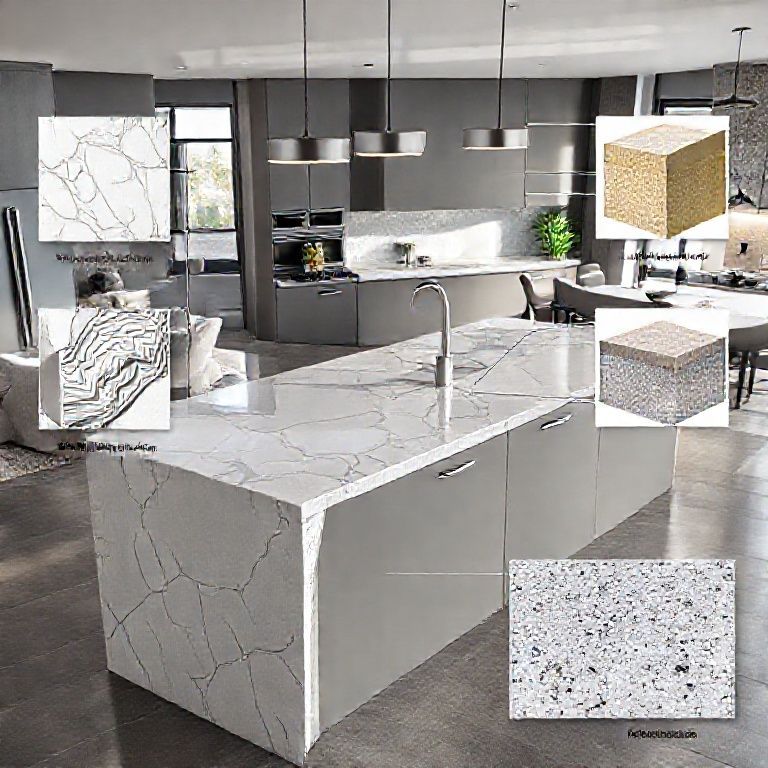
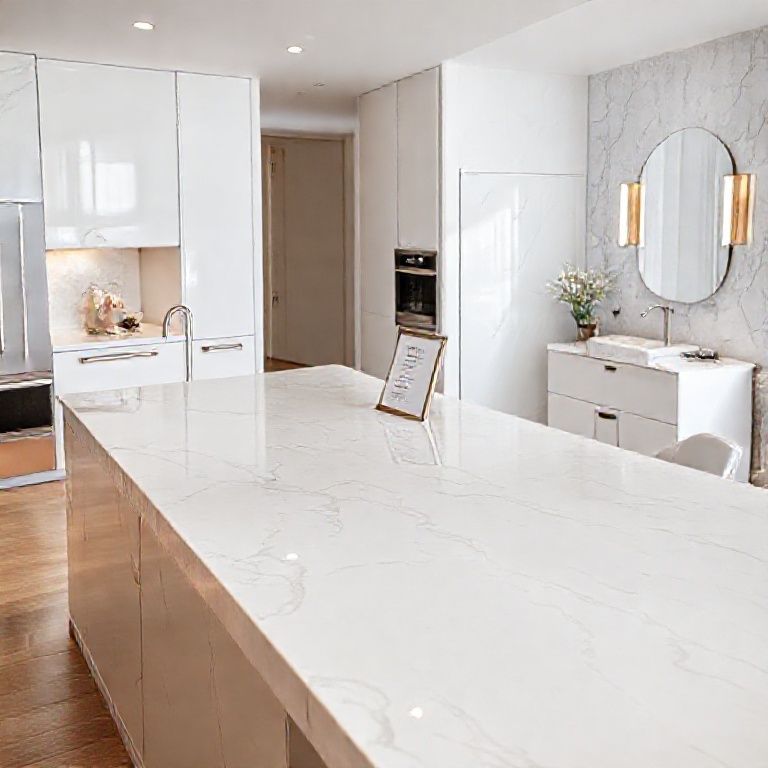
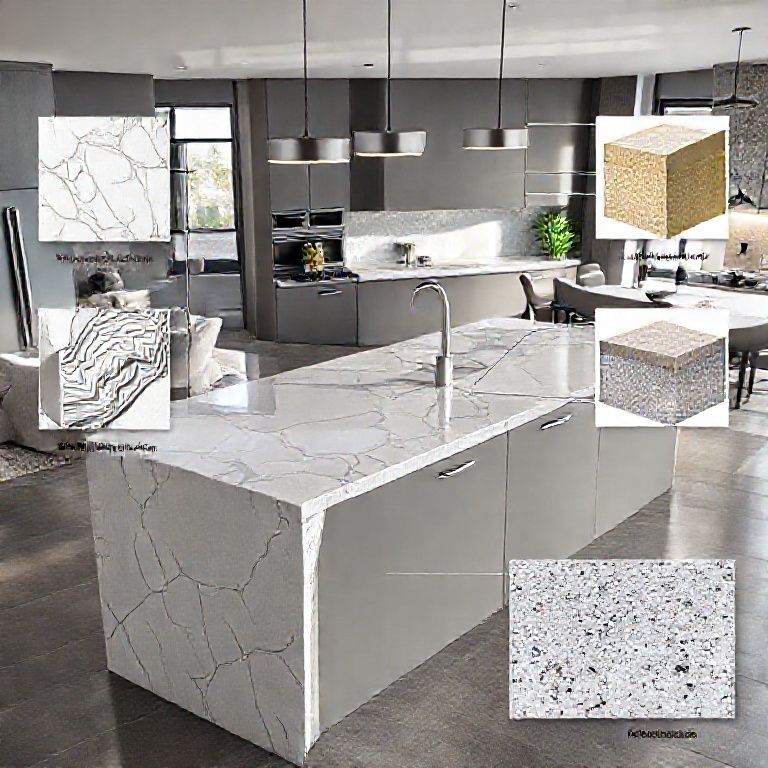
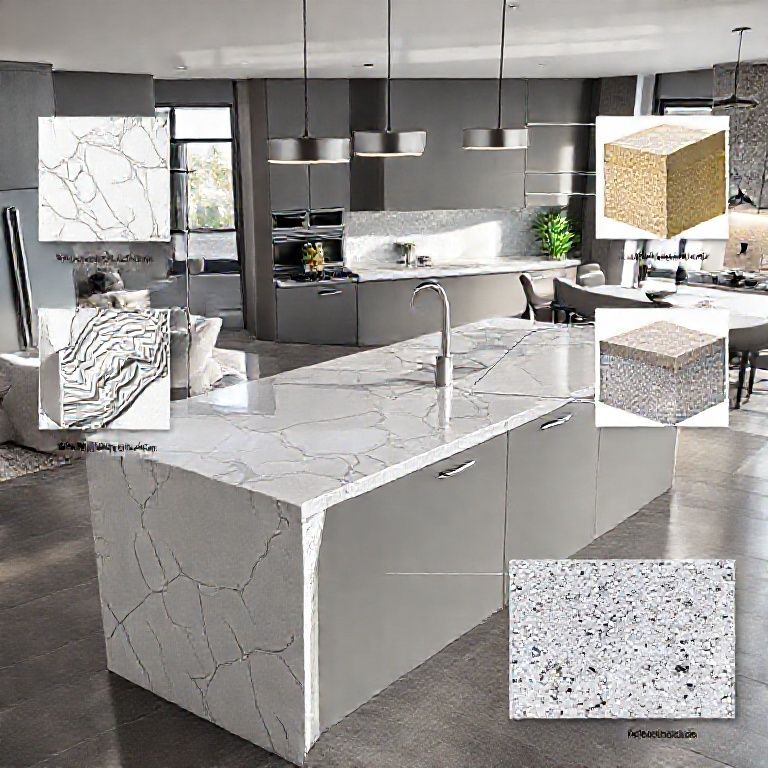
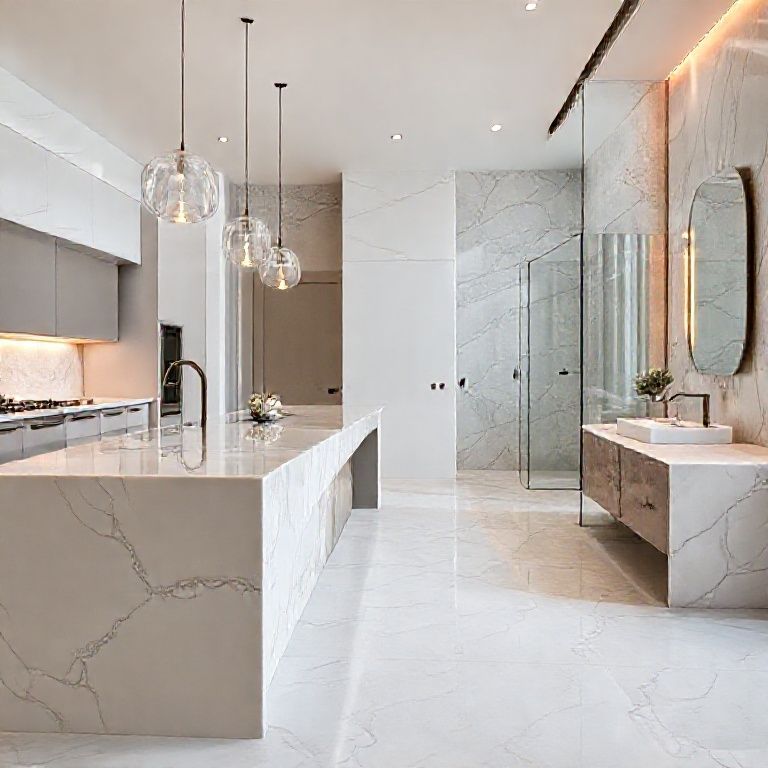
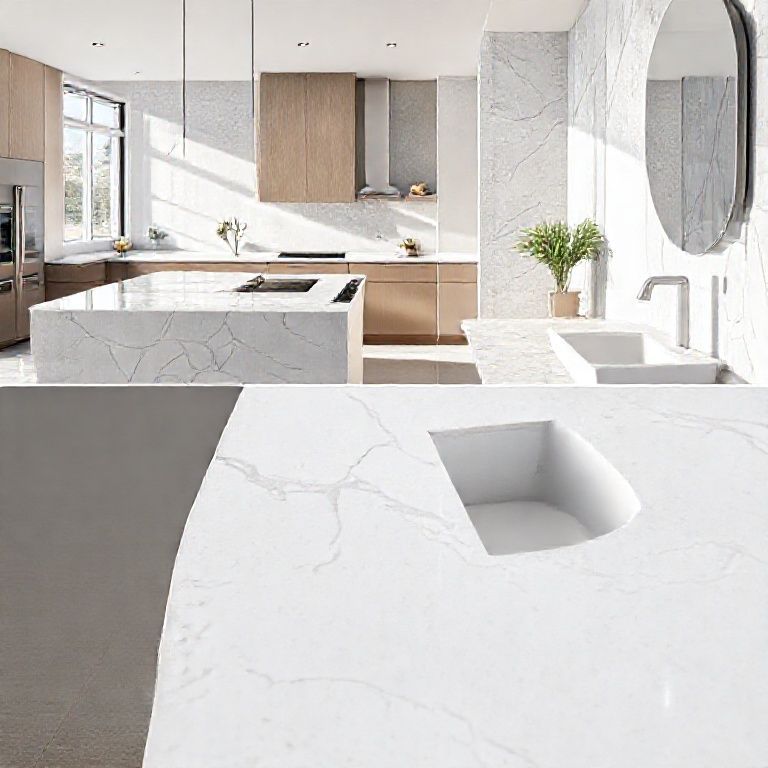
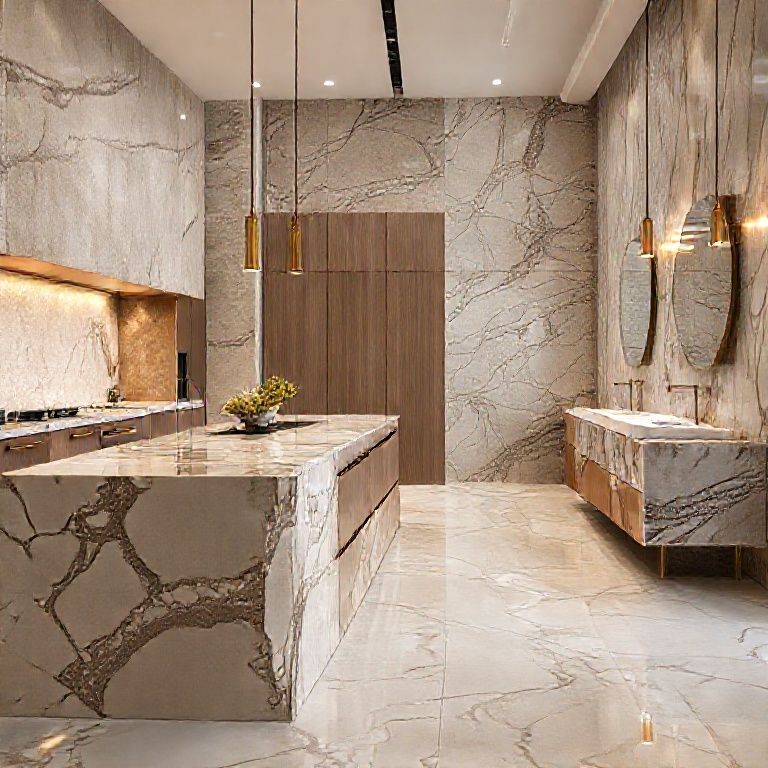
Deciding between a dining table made with granite slab or quartzite can be a tough choice. In this comprehensive guide, we explore the advantages, disadvantages, maintenance, and aesthetic appeal of both materials to help you make an informed decision. Whether you’re looking for durability, elegance, or cost-effectiveness, this article will cover everything you need to know to choose the best material for your dining table.
${part1}
Introduction to Granite Slab Dining Tables
When it comes to selecting a durable, elegant, and long-lasting dining table, granite slab tables are often at the top of the list. Granite is a natural stone that has been used for centuries due to its impressive durability, aesthetic appeal, and low maintenance requirements. Originating from the Earth’s mantle, granite is composed of minerals like quartz, feldspar, and mica, giving it a unique texture and color.
Advantages of Granite Slab Tables
Durability: Granite is one of the hardest natural stones available, which translates to a highly durable material. This means that your granite slab dining table will withstand heavy use and abuse over the years, making it a great investment.
Aesthetic Appeal: Granite comes in a wide variety of colors, patterns, and textures. Whether you prefer a sleek, monochromatic look or a rich, veined design, there is a granite slab that will match your home decor perfectly. Custom cuts and finishes are also available to meet specific design needs.
Low Maintenance: Granite requires minimal maintenance. Simply wipe it down with a damp cloth and mild soap to keep it looking pristine. Unlike wood, granite does not require regular refinishing, making it a hassle-free choice for busy households.
Heat Resistance: Granite is highly resistant to heat, making it ideal for a kitchen setting where hot dishes and pans are frequently used. This resistance means you can safely place hot items on the table without worry.
Hygienic: Granite’s non-porous surface makes it highly hygienic. Bacteria and viruses find it difficult to adhere to the surface, ensuring that your dining table remains clean and safe.
Disadvantages of Granite Slab Tables
Cost: Granite is generally more expensive than other materials. The cost of a granite slab dining table can vary widely depending on the type of granite, the complexity of the design, and the quality of the finish.
Weight: Granite slabs are heavy, which means that installation can be more complicated. It may require professional help to move and set up the table.
Slip Resistance: While granite is durable, it is not inherently non-slip. Depending on the type of finish applied, it can become slippery when wet, posing a safety risk.
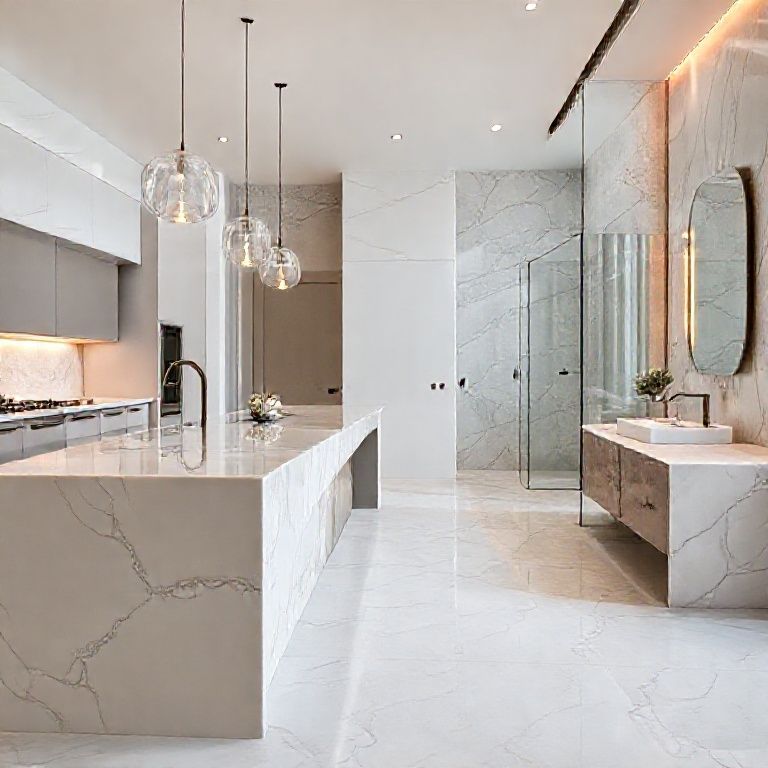
Introduction to Quartzite Dining Tables
Quartzite, another top-tier natural stone, has been gaining popularity due to its impressive strength, durability, and aesthetic versatility. Quartzite is formed from the metamorphic transformation of sandstone, containing mostly quartz, which gives it its strength and unique properties.
Advantages of Quartzite Tables
Durability: Quartzite is known for its extreme hardness, ranking 7.5 on the Mohs scale. This makes it incredibly durable and able to withstand heavy use and even scratches from hard objects like cutlery.
Aesthetic Versatility: Similar to granite, quartzite comes in a wide range of colors and textures. It offers a variety of designs that can complement different interior styles, from rustic to modern.
Maintenance: Quartzite requires very little maintenance. Cleaning it is as simple as wiping it down with a damp cloth and mild soap. It does not need sealing or refinishing, which makes it a low-maintenance option.
Heat Resistance: Like granite, quartzite is highly resistant to heat, making it suitable for kitchen use where hot dishes are frequently placed on the table.
Affordability: While quartzite is not as cheap as some synthetic materials, it is generally more affordable than granite. This makes it a great option for those looking for a high-quality, durable surface without breaking the bank.
Disadvantages of Quartzite Tables
Weight: Like granite, quartzite is heavy, which means it can be difficult to move and install. Professional help may be required for installation.
Slip Resistance: Quartzite’s surface can become slippery when wet, similar to granite. Proper installation with non-slip coatings can mitigate this issue.
Conclusion for Part 1
When deciding between a granite slab and quartzite for your dining table, both materials offer exceptional durability, low maintenance, and a wide range of aesthetic options. However, granite’s superior hardness and classic appeal make it a top choice for many, while quartzite’s affordability and similar properties make it a strong contender. In the next part, we will delve deeper into the specific use cases, installation, and additional considerations to help you make the final decision.
${part2}
Detailed Comparison: Granite Slab vs. Quartzite
Installation and Setup
One of the primary considerations when choosing between granite and quartzite is the installation process. Both materials are heavy, which means that moving and setting up the table can be challenging. For this reason, it’s often best to hire professionals to handle the installation, as both materials can be difficult to maneuver.
Granite Slab Installation
Weight: Granite slabs are notoriously heavy. Moving them can be a strenuous task, often requiring the use of dollies and professional help. Transport: Due to their weight, transporting granite slabs often requires special handling and larger vehicles. Setup: Granite slabs need to be cut to size before installation. The cuts should be precise to ensure a perfect fit. Professionals will typically handle this to avoid any imperfections.
Quartzite Installation
Weight: Quartzite slabs are also heavy, but slightly less so than granite. This makes them easier to handle than granite but still requiring professional help. Transport: Similar to granite, quartzite requires special handling during transportation to prevent any damage. Setup: Like granite, quartzite needs to be cut to size, and professional expertise is recommended to ensure a flawless installation.
Maintenance and Cleaning
Both granite and quartzite require minimal maintenance, but there are some differences in their care that you should consider.
Granite Maintenance
Cleaning: Granite tables are generally cleaned with a damp cloth and mild soap. For tougher stains, a granite-specific cleaner might be used. Sealing: While granite is non-porous, it is still recommended to seal it periodically to enhance its durability and protect the surface from stains and scratches. Avoiding Acids: It’s important to avoid acidic substances on granite as they can etch the surface over time.
Quartzite Maintenance
Cleaning: Quartzite tables are cleaned in the same way as granite—with a damp cloth and mild soap. Sealing: Quartzite does not need sealing as frequently as granite because of its natural non-porous surface. However, periodic cleaning can help maintain its shine and appearance. Avoiding Acids: Similar to granite, acidic substances should be avoided to prevent etching.
Cost Considerations
When comparing the cost of granite and quartzite tables, it’s important to consider not just the initial purchase price, but also long-term costs such as maintenance and potential replacement.
Granite Cost
Initial Price: Granite slabs are generally more expensive than quartzite due to their higher hardness and the variety of colors and patterns available. Long-Term Costs: Regular sealing and maintenance might be required, adding to the long-term costs. However, the durability of granite means that it may last longer, potentially offsetting the higher initial cost.
Quartzite Cost
Initial Price: Quartzite is more affordable than granite, making it a cost-effective choice for many homeowners. Long-Term Costs: Quartzite’s lower maintenance requirements mean lower long-term costs. Its durability is comparable to granite, which means it can last a long time with minimal upkeep.
Use Cases and Aesthetics
The choice between granite and quartzite often comes down to personal preference and specific use cases.
Granite Use Cases
Formal Dining Rooms: Granite’s classic appeal makes it ideal for formal dining rooms where a timeless, elegant look is desired. High-Traffic Kitchens: Granite’s durability and resistance to heat make it perfect for high-traffic kitchen areas where the table will see frequent use.
Quartzite Use Cases
Modern Kitchens: Quartzite’s modern, sleek appearance makes it ideal for contemporary kitchen designs where a contemporary look is preferred. Budget-Friendly Options: Quartzite’s affordability makes it a great option for those looking for a durable, low-maintenance table without the high cost of granite.
Conclusion for Part 2
In conclusion, both granite and quartzite offer exceptional durability, low maintenance, and a range of aesthetic options. Granite’s superior hardness and classic appeal make it a top choice for those seeking a timeless, elegant look, while quartzite’s affordability and similar properties make it a strong contender for those looking for a durable, low-maintenance table at a more budget-friendly price在最后的部分,我们将探讨更多具体的选择和设计建议,以帮助你做出最适合你家庭和个人偏好的选择。
Design and Customization Options
When choosing between a granite slab and quartzite dining table, one of the most important aspects to consider is the design and customization options each material offers.
Granite Design Options
Color and Patterns: Granite comes in a vast array of colors and patterns. From deep blacks and grays to vibrant reds and greens, granite slabs can be tailored to match any color scheme in your home. Additionally, you can choose from different types of granite, such as Brazilian, Indian, or Chinese, each offering unique patterns and textures.
Custom Shapes and Cuts: Granite is highly customizable. You can have the slab cut into any shape to fit your specific space and design needs. Custom cuts can include unique angles, rounded edges, or even asymmetrical designs.
Inlays and Engravings: Granite tables can be further customized with inlays of contrasting stones or engraved designs. This allows for highly personalized tables that reflect your unique style.
Quartzite Design Options
Color and Patterns: Quartzite also comes in a variety of colors and patterns. While it may not have the same range as granite, it offers solid colors and unique veining that can add a modern touch to any dining space.
Custom Shapes and Cuts: Similar to granite, quartzite can be cut into custom shapes. Quartzite’s durability ensures that these custom designs will last for years without losing their shape or appearance.
Surface Texturing: Quartzite’s surface can be polished or honed to achieve different textures. A polished finish provides a sleek, modern look, while a honed finish offers a more rustic, natural appearance.
Installation Tips and Considerations
When installing your granite or quartzite dining table, there are a few additional tips to keep in mind:
Granite Installation
Weight: Due to its weight, professional help is recommended for moving and setting up a granite slab. Use dollies and take care to avoid dropping or damaging the slab during transport.
Alignment: Ensure that the granite slab is properly aligned with the rest of your furniture and space. Misalignment can cause uneven weight distribution and potential damage over time.
Edge Protection: Granite edges can be sharp. Consider adding edge protection to prevent accidental cuts and to enhance safety.
Quartzite Installation
Weight: Like granite, quartzite is heavy. Professional help is recommended to avoid injury and ensure safe installation.
Alignment: Proper alignment is crucial for both aesthetics and functionality. Ensure the quartzite slab fits seamlessly with your existing furniture.
Edge Protection: Similar to granite, quartzite edges can be sharp. Adding edge protection is a good idea to prevent accidents.
Long-Term Durability and Maintenance
Both granite and quartzite are known for their long-term durability, but there are some differences in how they hold up over time.
Granite Long-Term Durability
Stain Resistance: Granite is highly resistant to stains from everyday use, such as wine, coffee, and food. However, it’s important to clean up spills immediately to prevent any potential etching.
Aging: Over time, granite can develop a patina that enhances its natural beauty. This aging process is natural and can add to the table’s character.
Quartzite Long-Term Durability
Stain Resistance: Quartzite is also highly resistant to stains and is less likely to show marks from everyday use. Its non-porous surface makes it easier to clean and maintain.
Aging: Quartzite does not develop a patina like granite. Instead, it maintains its appearance over time, which may appeal to those who prefer a more consistent look.
Final Decision Making
When making your final decision, consider the following factors:
Budget: If cost is a significant concern, quartzite might be the better option due to its affordability.
Style: If you prefer a timeless, classic look, granite might be the best choice. If you’re looking for a modern, sleek appearance, quartzite could be more suitable.
Maintenance: Both materials require minimal maintenance, but granite may need periodic sealing to enhance its durability and appearance.
Durability: Both materials offer exceptional durability, but granite’s higher hardness might provide an edge in terms of scratch resistance.
Conclusion
In conclusion, both granite slab and quartzite tables offer unique benefits that cater to different preferences and needs. Granite’s timeless elegance and customization options make it ideal for those looking for a classic, durable table. Quartzite’s affordability, modern look, and similar durability make it an excellent choice for those seeking a cost-effective, stylish option. By considering your budget, style preferences, and maintenance requirements, you can make an informed decision that will enhance your dining experience for years to come.