The Creation and Innovative Process Behind Artificial Marble
Introduction
In the world of modern design and architecture, one material has been gaining unprecedented popularity: artificial marble. Engineered to mimic the classic beauty of natural marble, artificial marble, or as it’s sometimes called, cultured stone, has revolutionized the way we approach home and commercial interior design. This first part of our exploration will delve into the fascinating creation process behind artificial marble and the innovative technologies that make it possible.
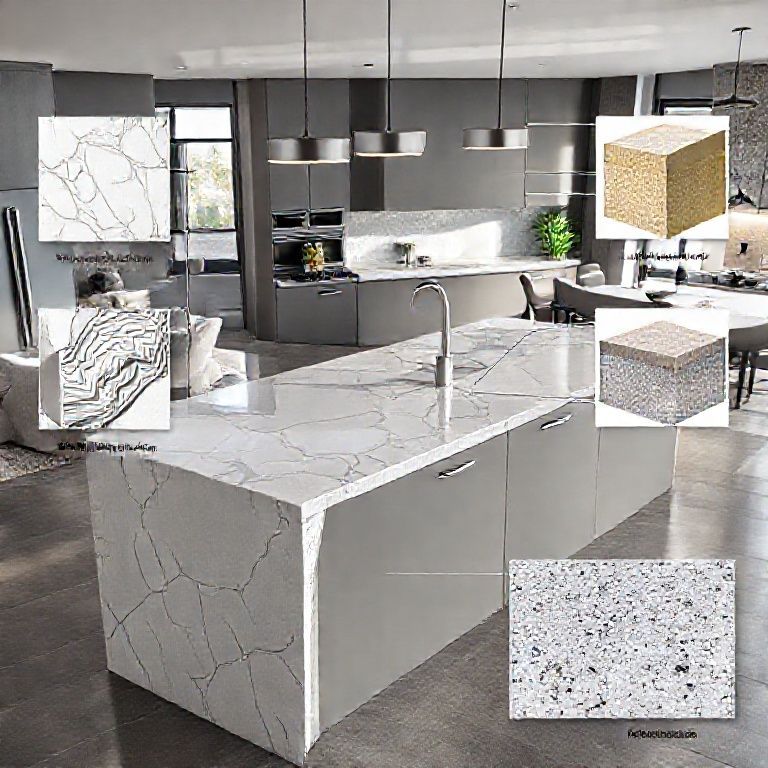
What is Artificial Marble?
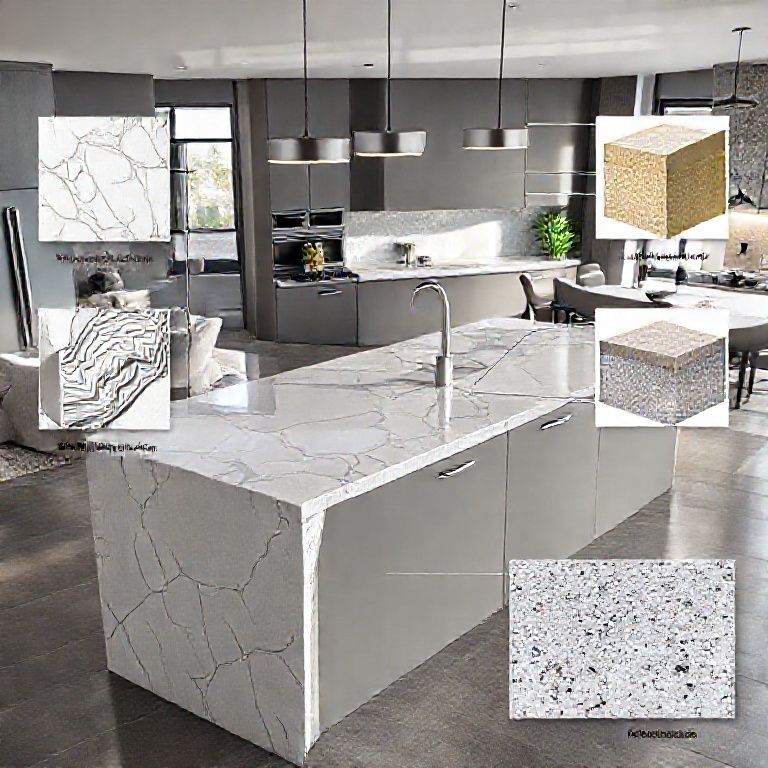
Artificial marble is a composite material crafted from natural stone powder, typically marble or limestone, combined with a resin binder. This mixture is meticulously crafted into a solid stone-like material that mirrors the aesthetic appeal of natural marble while offering enhanced durability and a wider range of color and texture options. Unlike natural marble, which is a single-piece product from a specific quarry, artificial marble is a manufactured material that can be precisely engineered to meet specific design requirements.
The Creation Process
The creation of artificial marble is an intricate process that starts with the careful selection of raw materials. High-quality stone powders, often sourced from premium quarries, are blended with a resin binder. This combination is then processed under high pressure and temperature to form a solid, homogeneous material. The result is a material that not only looks like marble but also possesses its durability and workability.
Innovative Technologies
The innovation behind artificial marble lies in the advanced technologies used during its creation. One of the key processes is polymerization, where the resin binder is polymerized under pressure and heat to create a strong, cohesive material. Additionally, microwave curing techniques are often employed to ensure uniform heating and curing of the material, leading to a product that is both aesthetically pleasing and structurally sound.
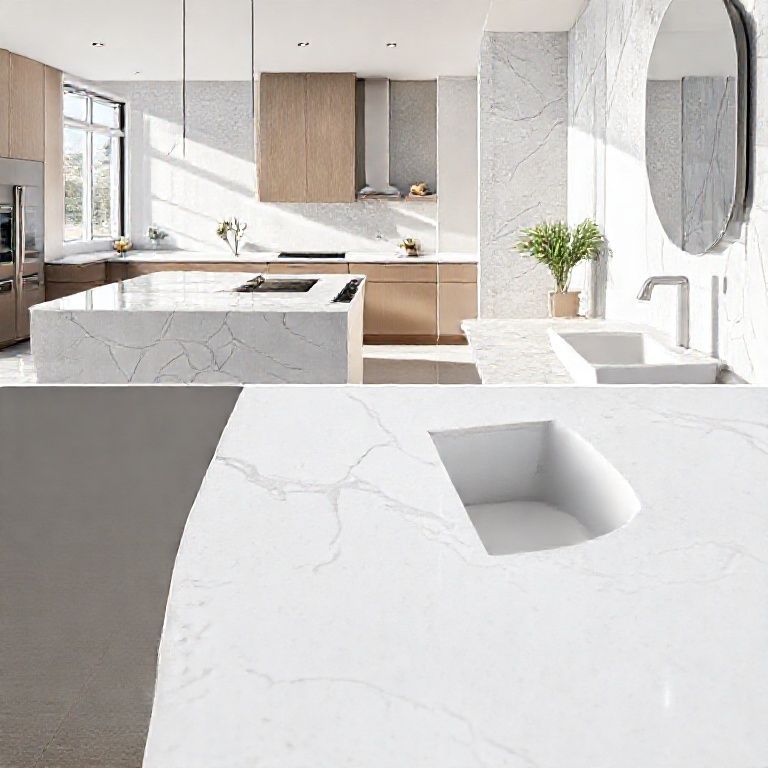
Customization and Color Options
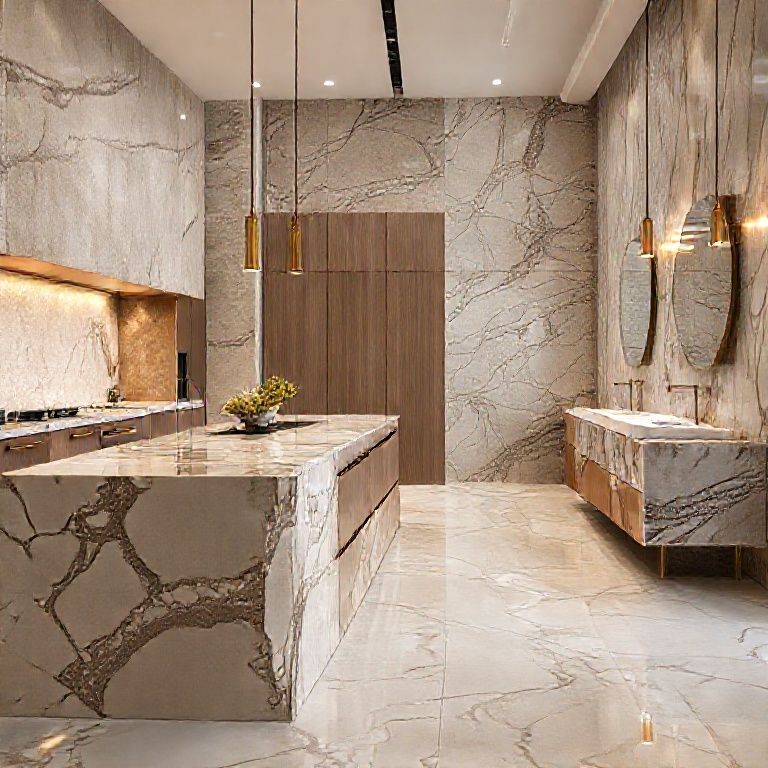
One of the most exciting aspects of artificial marble is its ability to be customized to meet specific design needs. The color and texture options are virtually limitless, allowing designers to create unique and personalized surfaces that can match any architectural style. This versatility makes artificial marble an excellent choice for both residential and commercial projects, from sleek modern kitchens to elegant luxury bathrooms.
Environmental and Economic Benefits
Artificial marble also offers significant environmental and economic benefits. Since it is made from recycled stone powder, its production has a lower carbon footprint compared to natural marble. Moreover, it reduces the need for quarrying, which can have detrimental effects on the environment. Economically, artificial marble is often more affordable than natural marble, making high-quality, durable stone surfaces accessible to a broader range of customers.
Conclusion
Artificial marble represents a fascinating blend of tradition and innovation. Its creation process, grounded in advanced technology, allows for a product that not only mirrors the beauty of natural marble but also surpasses it in durability and customization. As we continue to explore the applications and benefits of artificial marble in the next part of this article, it’s clear that this material is set to redefine the landscape of modern design.
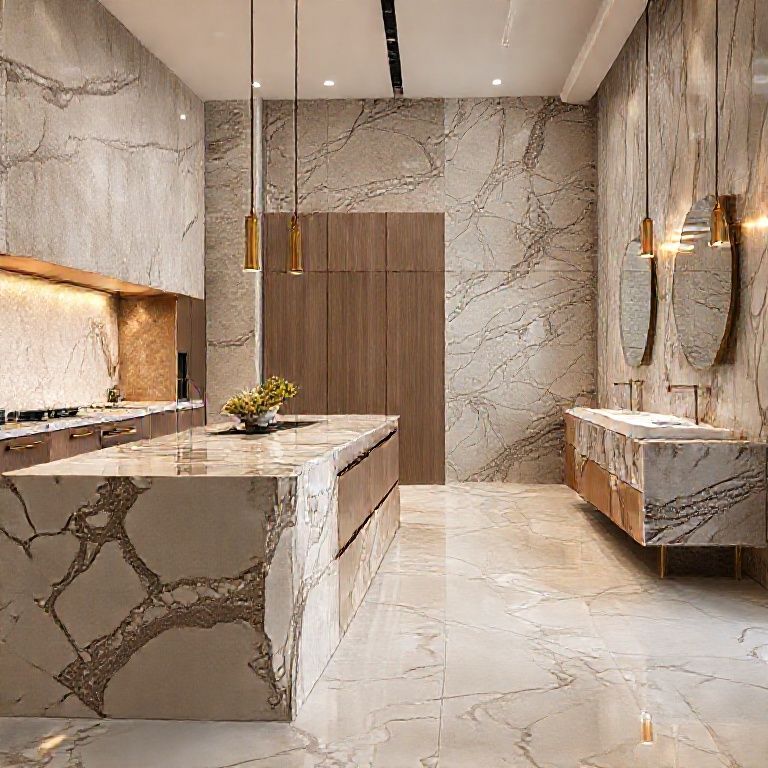
The Versatility and Applications of Artificial Marble
Introduction
Building on the foundation laid in the first part, this second installment will explore the versatility and myriad applications of artificial marble. From countertops to flooring and beyond, artificial marble is proving to be a highly adaptable material that meets the needs of both designers and consumers alike. Let’s dive into how artificial marble is being used in various settings and why it’s becoming the material of choice for many projects.
Versatility of Artificial Marble
One of the most compelling aspects of artificial marble is its versatility. Whether it’s used in residential, commercial, or industrial settings, artificial marble can be shaped, cut, and installed to meet the most specific design requirements. Its ability to mimic natural marble’s look while offering greater flexibility in terms of color, texture, and form, makes it a preferred choice for architects and designers.
Applications in Kitchens and Bathrooms
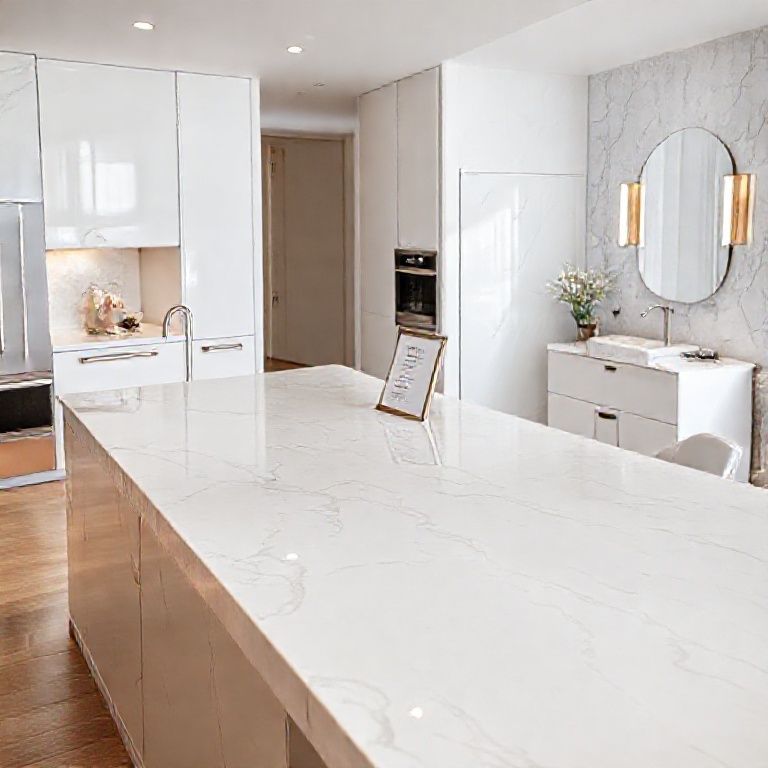
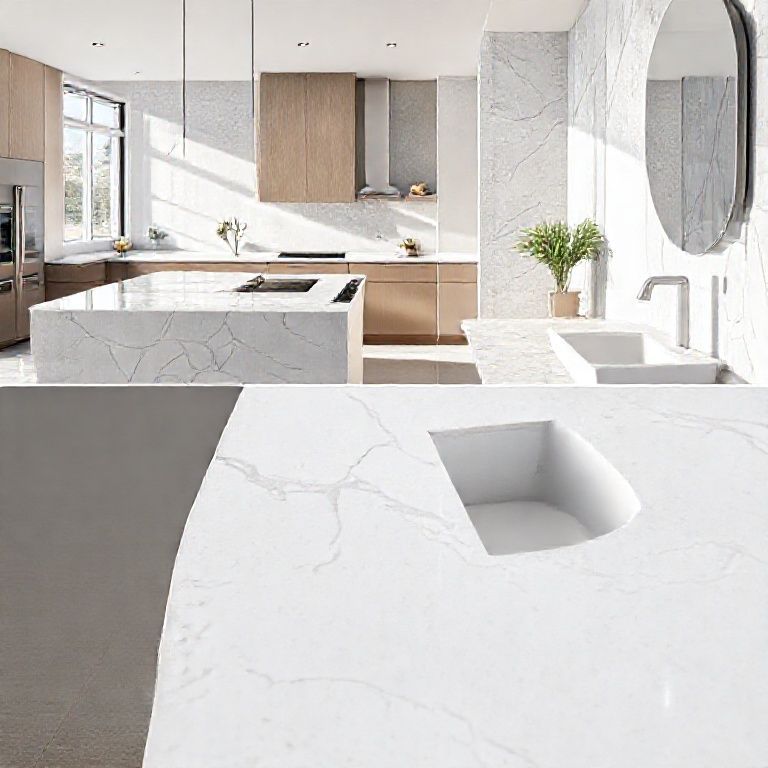
Artificial marble is particularly popular in kitchens and bathrooms due to its aesthetic appeal and practical benefits. In kitchen countertops, it provides a surface that is not only visually stunning but also highly durable. Unlike natural stone, which can be prone to staining and chipping, artificial marble offers a flawless, stain-resistant surface that is easy to clean and maintain. This makes it an ideal choice for high-traffic areas where durability and low maintenance are crucial.
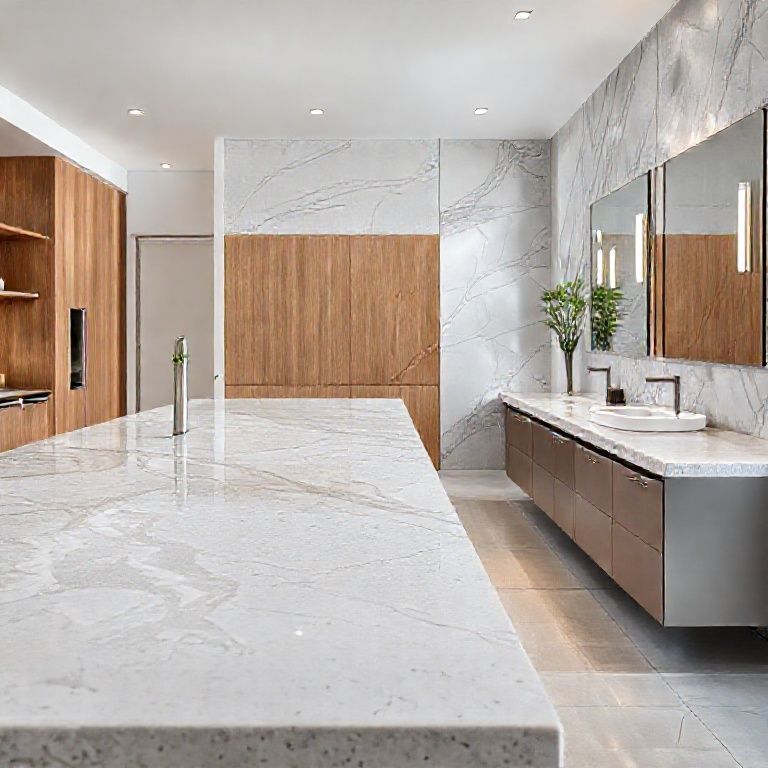
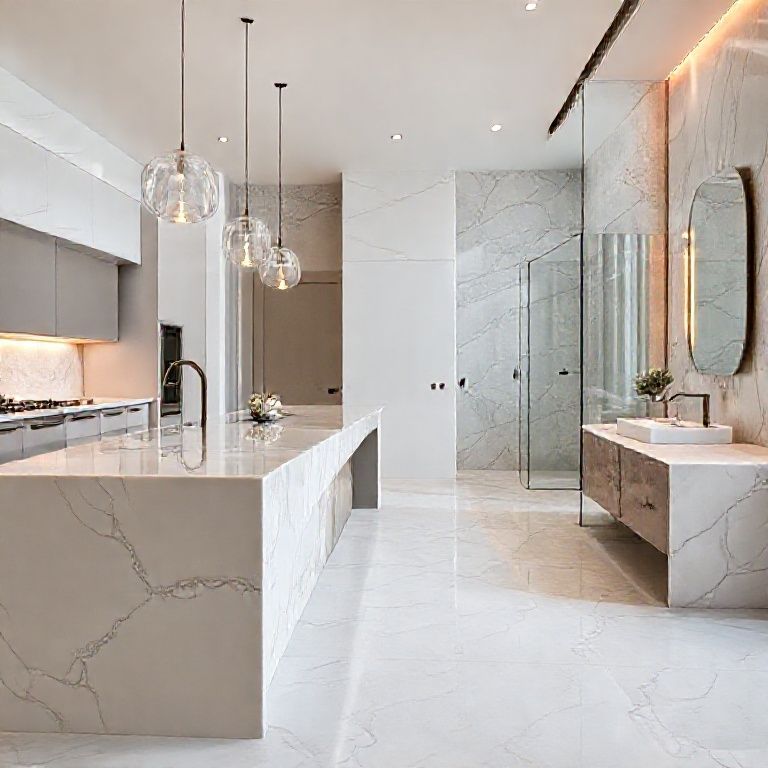
In bathrooms, artificial marble can be used for vanities, sinks, and even shower walls. Its water-resistant properties make it an excellent choice for areas where moisture is a constant factor. The ability to create intricate designs and patterns means that artificial marble can be tailored to fit any aesthetic vision, from modern and minimalist to luxurious and ornate.
Flooring Solutions
While artificial marble is most commonly associated with countertops and bathroom fixtures, it also offers impressive solutions for flooring. Artificial marble flooring provides a durable, low-maintenance alternative to traditional stone and ceramic tiles. It can be installed in both residential and commercial spaces, offering a range of design options that can mimic the look of natural marble while providing the added benefits of resilience and ease of cleaning.
Architectural Applications
In architectural settings, artificial marble is used to create striking interior and exterior designs. Its versatility allows it to be sculpted into various forms, from large architectural panels to intricate decorative elements. In commercial buildings, artificial marble can be used to create striking facades, lobby spaces, and interior walls that exude a sense of elegance and modernity.
Customization and Design Possibilities
One of the most exciting aspects of artificial marble is its ability to be customized to meet specific design needs. Architects and designers can choose from a wide range of colors, textures, and patterns to create bespoke surfaces that reflect their unique vision. Whether it’s a bold, colorful statement piece or a subtle, elegant finish, artificial marble offers endless possibilities for creative expression.
Maintenance and Longevity
Artificial marble is known for its low maintenance requirements. Unlike natural marble, which can be susceptible to staining and etching, artificial marble offers a pristine surface that is easy to clean and maintain. Regular cleaning with mild soap and water is usually sufficient to keep artificial marble looking its best. This low-maintenance nature makes it an ideal choice for both new and existing installations, where ease of upkeep is a significant factor.
Environmental and Economic Considerations
In addition to its practical benefits, artificial marble also offers environmental and economic advantages. As mentioned earlier, its production involves the use of recycled stone powder, reducing the environmental impact associated with traditional quarrying. Economically, artificial marble is often more affordable than natural marble, making it accessible to a broader range of customers without compromising on quality.
Conclusion
Artificial marble is a testament to the marriage of beauty and function in modern design. Its versatility, coupled with its ability to be customized to fit any design vision, makes it an invaluable material in both residential and commercial projects. From kitchens and bathrooms to flooring and architectural elements, artificial marble is setting new standards for durability, aesthetics, and low maintenance. As we continue to witness its growing popularity and adoption in various industries, it’s clear that artificial marble is here to stay as a revolutionary material in the world of design and architecture.