Engineered Marble vs. Natural Marble: Unveiling the Differences
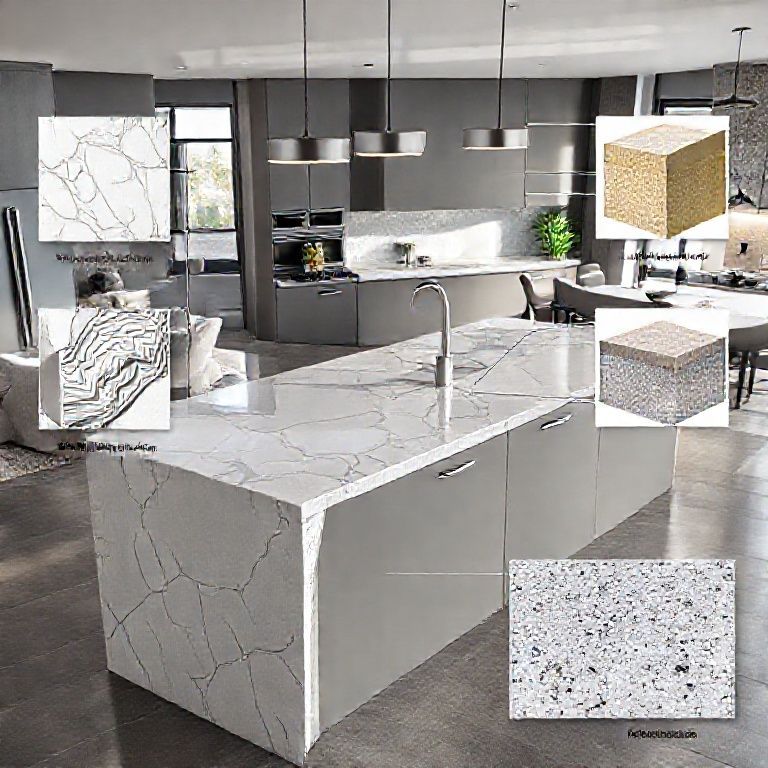
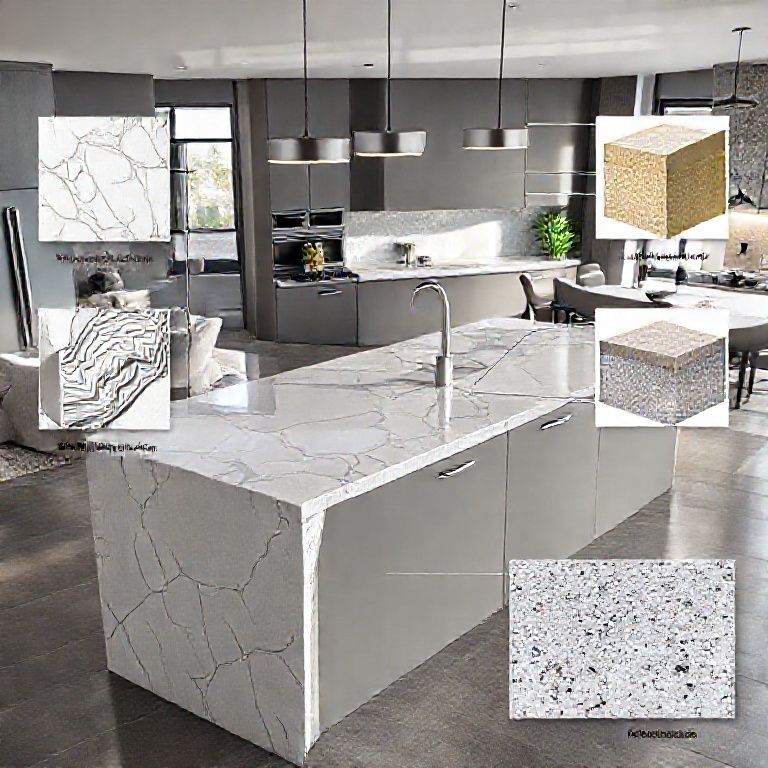
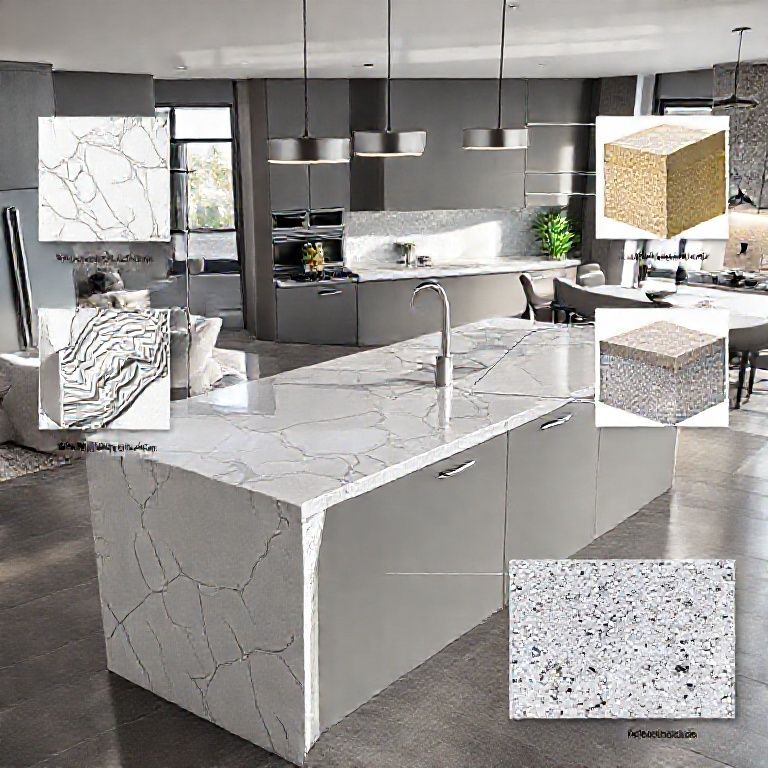
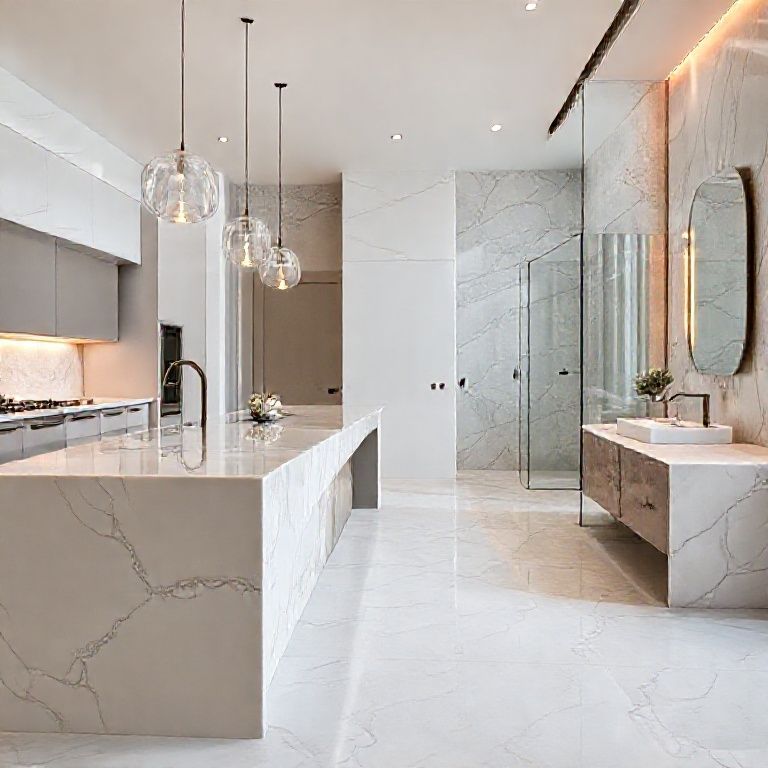
In the realm of luxury home décor, marble stands out as a timeless and opulent choice for countertops, flooring, and other architectural elements. However, when it comes to selecting the perfect marble for your home, the decision between engineered marble and natural marble can be quite challenging. This article aims to demystify the distinctions between these two exquisite materials, providing a thorough understanding to help you make the best choice for your interior design needs.
The Essence of Natural Marble
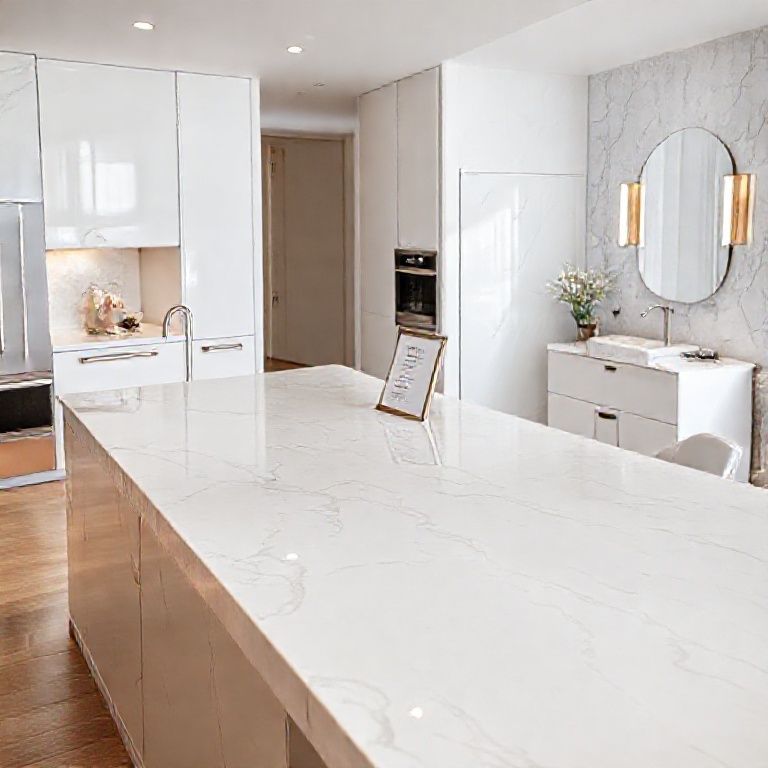
Natural marble is a true marvel of the natural world. It forms from the metamorphism of limestone under intense heat and pressure, resulting in a stone of unparalleled beauty and complexity. Each piece of natural marble is unique, boasting intricate veining and patterns that are entirely one-of-a-kind. The allure of natural marble lies in its authenticity and the sense of history it carries with it.
Natural marble is prized for its aesthetic appeal and timeless elegance. Its natural beauty is unmatched, with every piece presenting a unique story etched into its surface. This uniqueness is what makes natural marble a favorite among high-end architects and designers who seek to add a touch of luxury and authenticity to their projects.
The Innovation of Engineered Marble
Engineered marble, on the other hand, is a contemporary creation that combines the beauty of natural marble with the precision and consistency of modern manufacturing. This type of marble is made by layering a surface of natural marble or marble dust over a core made from plywood, resin, or another synthetic material. The result is a product that mimics the appearance of natural marble while offering superior consistency and durability.
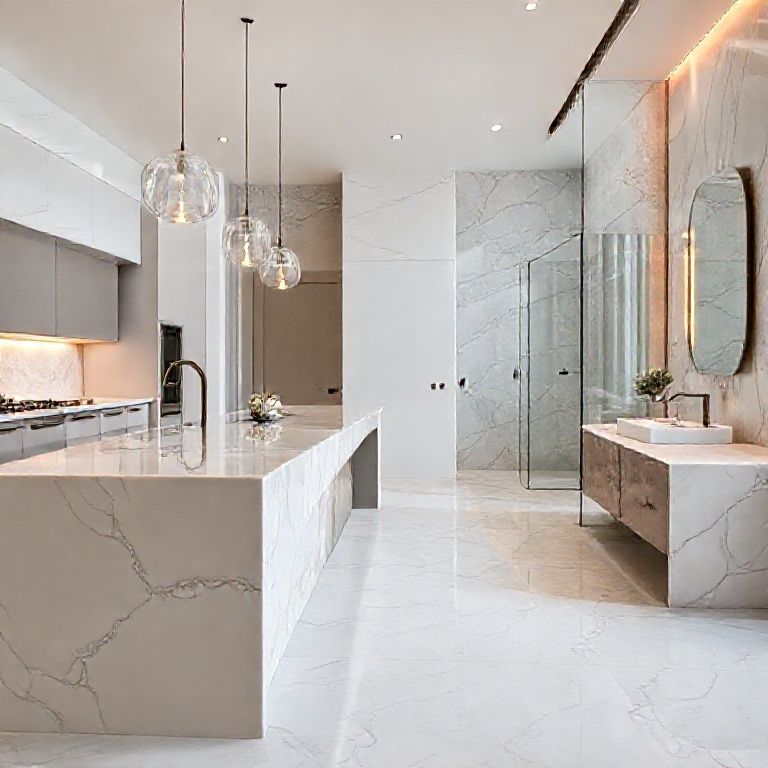
Engineered marble is often lauded for its versatility and ease of installation. Because it is made in a factory setting, it can be produced in consistent, large slabs, making it an excellent choice for modern kitchens and bathrooms where large, uninterrupted surfaces are desired. Additionally, engineered marble is more resistant to scratches, stains, and temperature changes compared to natural marble.
Key Differences Between Engineered Marble and Natural Marble
Understanding the differences between engineered marble and natural marble is crucial in making an informed decision. Here are some of the key distinctions to consider:
Aesthetic Uniqueness vs. Consistency: Natural marble is unique and cannot be replicated exactly. Each piece is different, offering a one-of-a-kind aesthetic that speaks to authenticity and natural beauty. Engineered marble, while it can closely mimic the look of natural marble, offers a level of consistency that is often preferred in commercial and large-scale projects. Durability and Maintenance: Natural marble is a beautiful yet fragile stone. It requires careful sealing to protect against stains and scratches, and it can be prone to cracking under heavy use or sudden temperature changes. Engineered marble is more durable and easier to maintain. It does not require sealing as frequently and is more resistant to scratches, stains, and thermal shock. Cost and Availability: Natural marble is often more expensive due to its rarity and the labor-intensive process of extraction and cutting. Availability can also be limited, especially for rare or high-quality marbles. Engineered marble is generally more affordable and widely available, making it a popular choice for a wide range of applications. Installation and Versatility: Natural marble can be challenging to work with during installation due to its weight and irregular shapes. It often requires custom cutting and careful handling. Engineered marble is easier to install because it is produced in large, uniform slabs that are ready for immediate use. It is also more versatile in terms of design options, as it can be cut and shaped to fit various architectural needs.
Choosing Between Engineered and Natural Marble
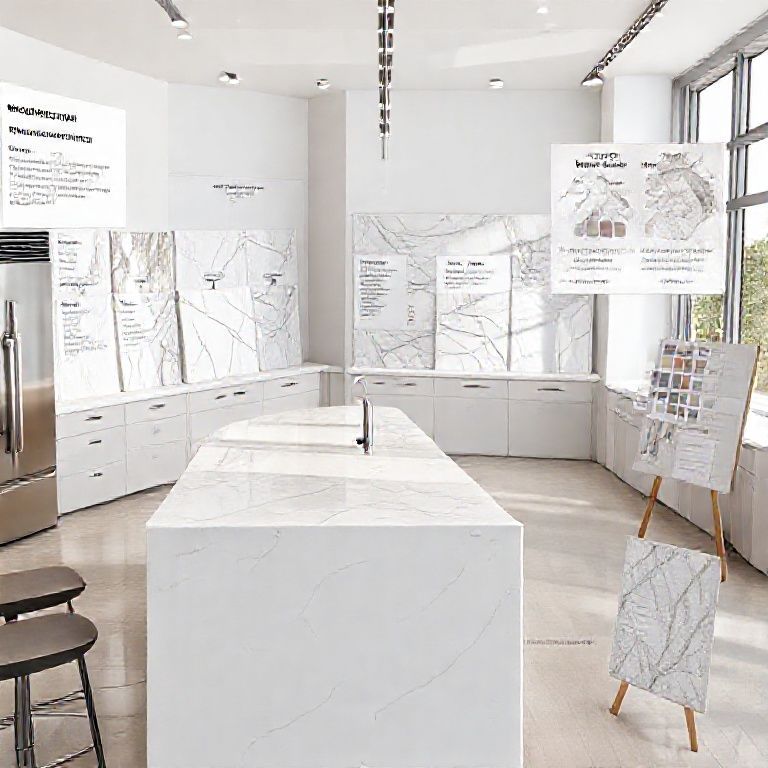
When deciding between engineered marble and natural marble, several factors should be considered:
Budget: If budget constraints are a concern, engineered marble might be the more practical choice due to its lower cost and greater availability.
Design Preferences: If your design vision calls for a unique and authentic touch, natural marble may be the better option. Its one-of-a-kind patterns and timeless beauty can add a special touch to your home.
Durability Needs: For areas where durability and low maintenance are paramount, engineered marble offers superior resistance to scratches, stains, and temperature changes.
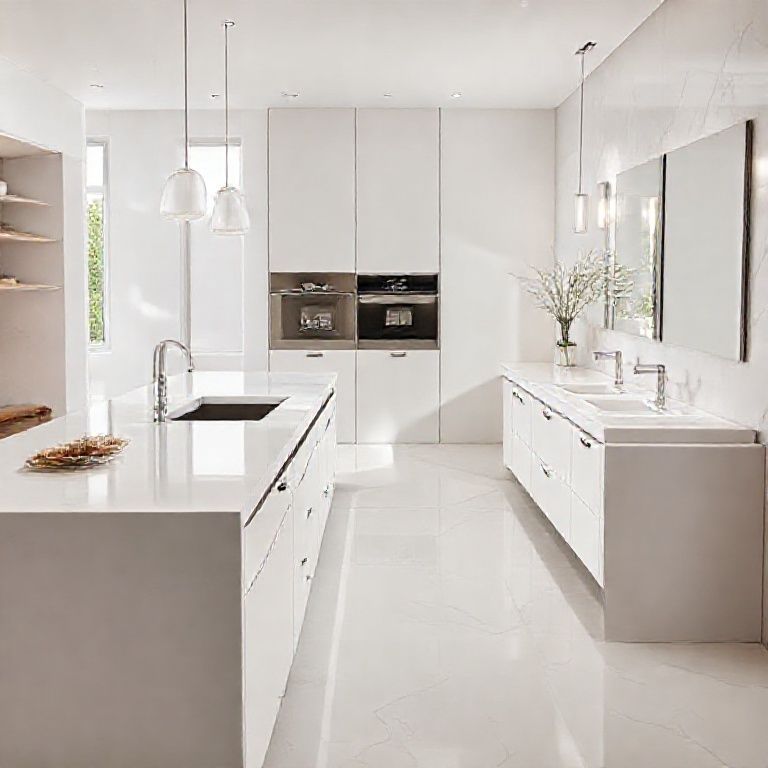
Installation Feasibility: Consider the ease of installation and the potential for custom designs. Engineered marble’s uniformity makes it easier to work with, while natural marble’s natural beauty may require more intricate cutting and fitting.
Conclusion:
In the elegant world of marble, both engineered and natural marble have their unique charms and practical advantages. Natural marble offers an unparalleled aesthetic that is truly one-of-a-kind, while engineered marble brings consistency, durability, and ease of installation to the table. By understanding these differences, you can make a well-informed decision that best suits your design aspirations and practical needs.
In the next part, we will delve deeper into the specific applications, advantages, and considerations for using engineered and natural marble in various settings, from kitchens and bathrooms to commercial spaces and beyond.
The Practical Applications and Advantages of Engineered and Natural Marble
In the previous part, we explored the fundamental distinctions between engineered marble and natural marble, focusing on aesthetic uniqueness, durability, cost, and installation considerations. Now, let’s delve deeper into the practical applications and specific advantages of each type of marble, highlighting how they can be effectively utilized in various settings to enhance both residential and commercial spaces.
Natural Marble in Residential and Commercial Settings
Residential Use:
Natural marble has long been a staple in high-end residential interiors due to its luxurious appearance and timeless elegance. Here’s how natural marble can be effectively used in homes:
Kitchens and Dining Areas: Natural marble countertops are a classic choice for kitchens and dining areas, adding a touch of sophistication and luxury. The intricate veining and unique patterns of natural marble make it a standout feature in these spaces. Dining tables crafted from natural marble can provide a focal point in a dining room, blending beauty with functionality. Bathrooms: Marble is synonymous with elegance, and natural marble bathtubs, sinks, and vanities can transform a bathroom into a spa-like retreat. The natural beauty of marble pairs well with modern and traditional bathroom designs alike. Natural marble tiles for backsplashes, walls, and floors add a sense of opulence and refinement to any bathroom. Living Rooms and Foyers: Statement marble pieces such as large marble sculptures, tabletops, and decorative elements can enhance the aesthetic appeal of living rooms and foyers. The unique patterns of natural marble make it an ideal choice for creating focal points in these spaces. Marble flooring in entryways and living areas can provide a sophisticated and enduring finish that complements a range of interior styles.
Commercial Use:
In commercial settings, natural marble’s unique beauty and high-end appeal make it a popular choice for various applications:
Offices: Marble is often used in office spaces to create an atmosphere of professionalism and luxury. Marble reception areas, desks, and conference tables can leave a lasting impression on clients and visitors. Marble flooring in office corridors and lobbies adds a touch of elegance and can enhance the overall aesthetic of the workspace. Hospitals and Clinics: The natural beauty and durability of marble make it an excellent choice for healthcare facilities. Marble countertops, flooring, and wall cladding in waiting areas, examination rooms, and reception areas contribute to a clean, professional, and calming environment. Marble’s resistance to stains and easy maintenance make it ideal for high-traffic areas in hospitals and clinics. Restaurants and Bars: In dining establishments, natural marble countertops and bar tops can add a touch of luxury and sophistication. The unique veining and natural beauty of marble can enhance the dining experience. Marble flooring in dining areas and bars can provide a stylish and durable finish that complements the high-end atmosphere of these venues.
Engineered Marble in Residential and Commercial Settings
Residential Use:
Engineered marble offers practical advantages that make it an excellent choice for various residential applications:
Kitchens and Bathrooms: Engineered marble countertops are a popular choice in kitchens and bathrooms due to their durability, ease of installation, and low maintenance requirements. They can closely mimic the look of natural marble while offering superior resistance to scratches, stains, and temperature changes. Engineered marble tiles for backsplashes, floors, and wall cladding provide a stylish and cost-effective alternative to natural marble, without compromising on appearance. Living Spaces: Engineered marble tabletops, coffee tables, and decorative elements can add a touch of elegance to living spaces. The consistency and uniformity of engineered marble make it an ideal choice for creating cohesive and stylish interiors. Engineered marble flooring in living rooms, hallways, and entryways offers a durable and attractive finish that complements various design styles.
Commercial Use:
办公室:在办公室环境中,耐用性和易维护性非常重要。工作台、会议桌和接待区的地板常常使用经过设计的工程大理石,以确保耐用性和美观。
零售店和零售区:经济大理石常常用于零售店的地面和售货台,因为它不仅美观,而且易于清洁和维护,能够承受日常的高流量和冲击。
酒店和餐厅:高端酒店和餐厅经常使用工程大理石来提供高品质的客户体验。大理石的外观能提升整体氛围,同时其耐用性确保了在高流量区域的长久使用。
医疗设施:医院和诊所等医疗设施需要材料既美观又易于清洁。经济大理石能够满足这些要求,同时其耐污性和抗菌特性在这些高卫生要求的环境中尤为重要。
零售和零售展示区:在零售展示区,经济大理石常用于展示台和地面,其美观性和耐用性能够吸引顾客并保持展示区的整洁。
环保和可持续性:
相比于天然大理石,经济大理石在环保和可持续性方面有一些优势。工程大理石的生产过程中使用的原材料和能源相对较少,因此碳足迹较小。工程大理石可以由回收的大理石碎片和其他废弃材料制成,这有助于减少对天然资源的开采,从而更加环保。
结论:
尽管天然大理石有其无可比拟的美丽和独特性,但工程大理石的耐用性、经济性和可维护性使其成为现代建筑和室内设计的理想选择。无论是住宅还是商业空间,工程大理石都能为设计师和建筑师提供灵活性和创新的可能性,同时满足各种功能和美学要求。
选择工程大理石或天然大理石最终取决于具体项目的需求、预算以及设计愿景。通过综合考虑这些因素,您可以做出最适合您特定项目的选择。