The Allure and Challenges of Artificial Marble: A Comprehensive Exploration
In today’s world of design and construction, artificial marble has emerged as a compelling alternative to traditional materials. This modern material combines the aesthetic appeal of natural marble with the practicality of engineered stone, offering a unique blend of beauty and functionality. However, like any material, artificial marble has its own set of advantages and disadvantages that must be carefully considered before making a choice.
The Aesthetic Appeal of Artificial Marble
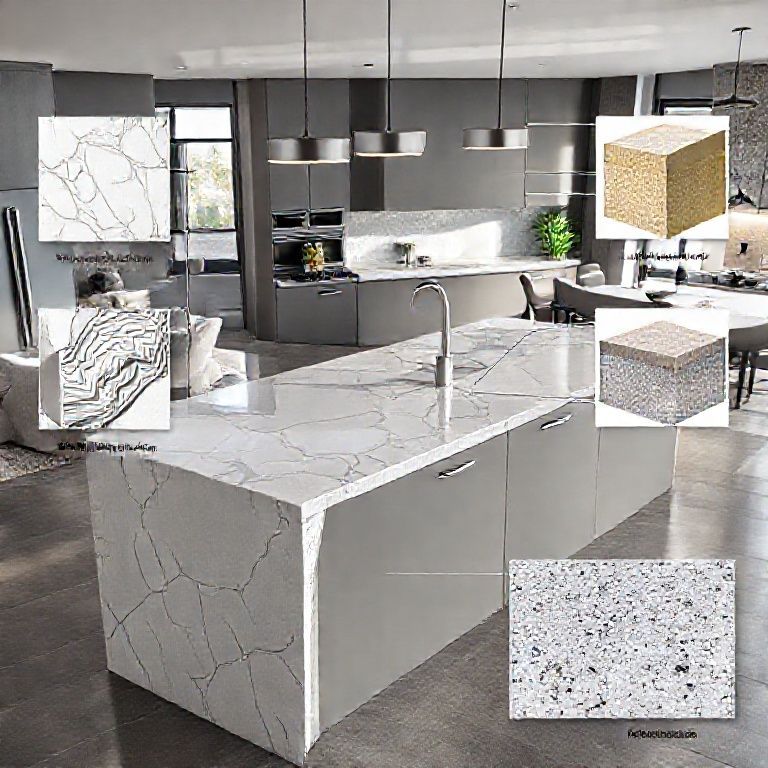
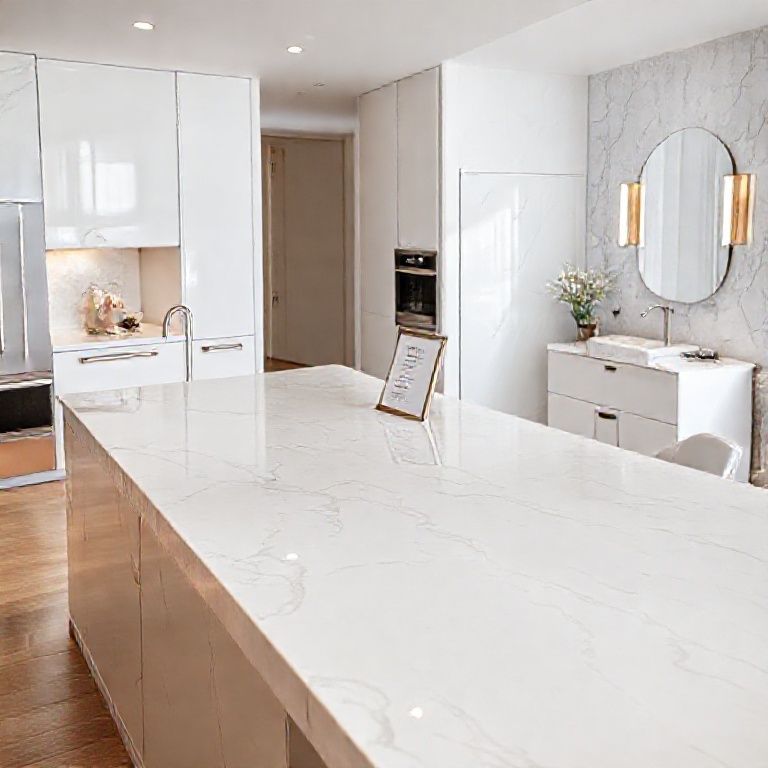
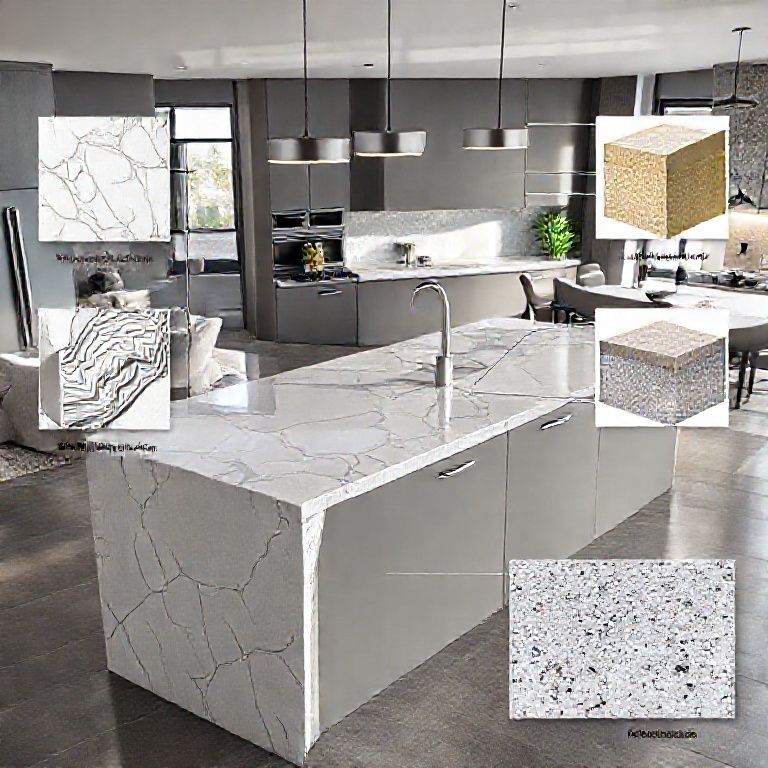
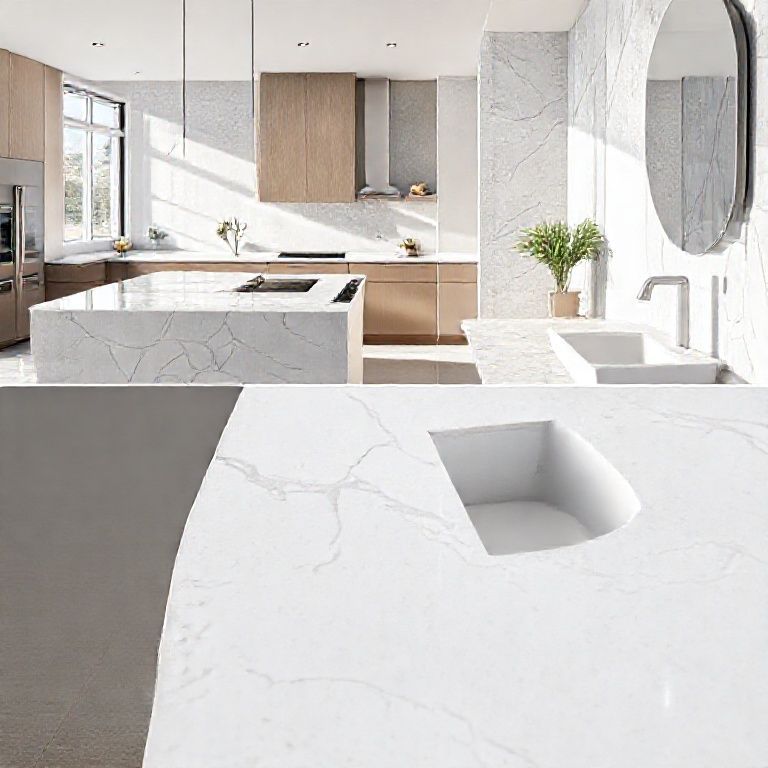
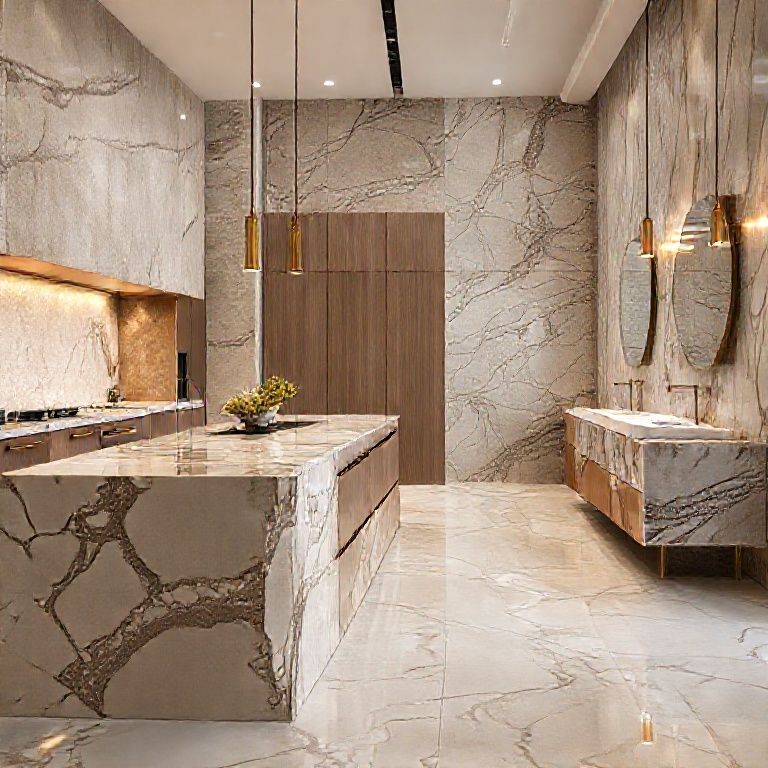
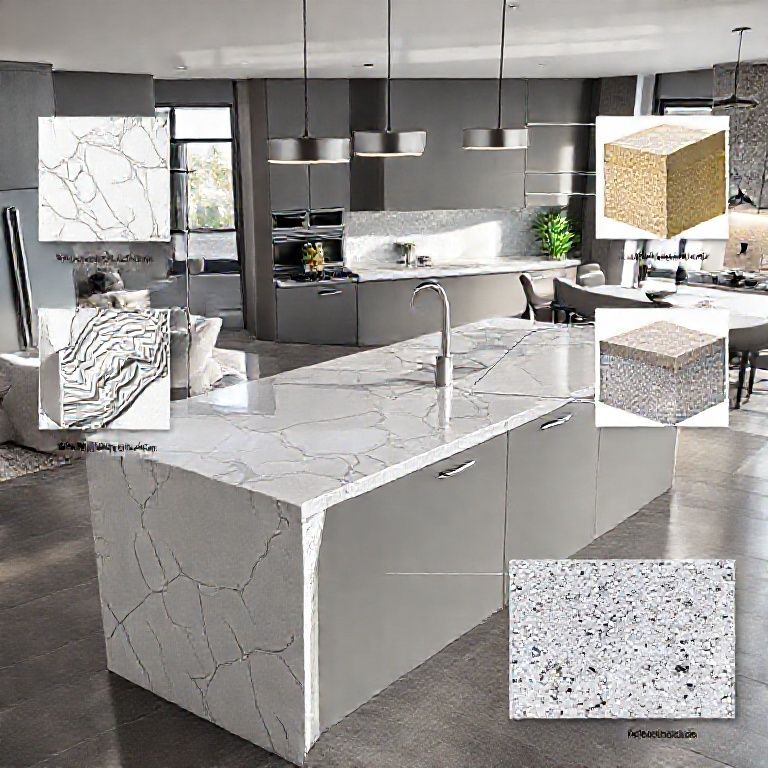
Artificial marble, often made from a combination of resins, minerals, and other substances, is celebrated for its stunning appearance. The intricate patterns and vibrant colors that can be achieved with artificial marble are nearly impossible to replicate with natural stone. This makes it a preferred choice for high-end interior design and luxury homes where aesthetics play a crucial role. The material can mimic the look of natural marble, granite, and even wood, allowing designers to create unique and sophisticated spaces.
Durability and Maintenance
One of the most significant advantages of artificial marble is its durability. Unlike natural stone, which is prone to chips, cracks, and staining, artificial marble is a much more robust material. It is resistant to scratches, making it easier to maintain and clean. This resilience translates into a longer lifespan for countertops, sinks, and other surfaces, reducing the need for frequent repairs and replacements. The material’s ability to withstand high temperatures and resist moisture also makes it ideal for kitchen and bathroom applications where exposure to water and heat is common.
Cost-Effectiveness
Artificial marble offers a cost-effective solution compared to natural stone. The production process for artificial marble is more controlled and less expensive, resulting in a material that is significantly more affordable. This cost-effectiveness is particularly beneficial for commercial projects where budget constraints are a significant concern. Additionally, the reduced need for maintenance further adds to its economic appeal, as lower maintenance costs translate to savings over time.
Environmental Considerations
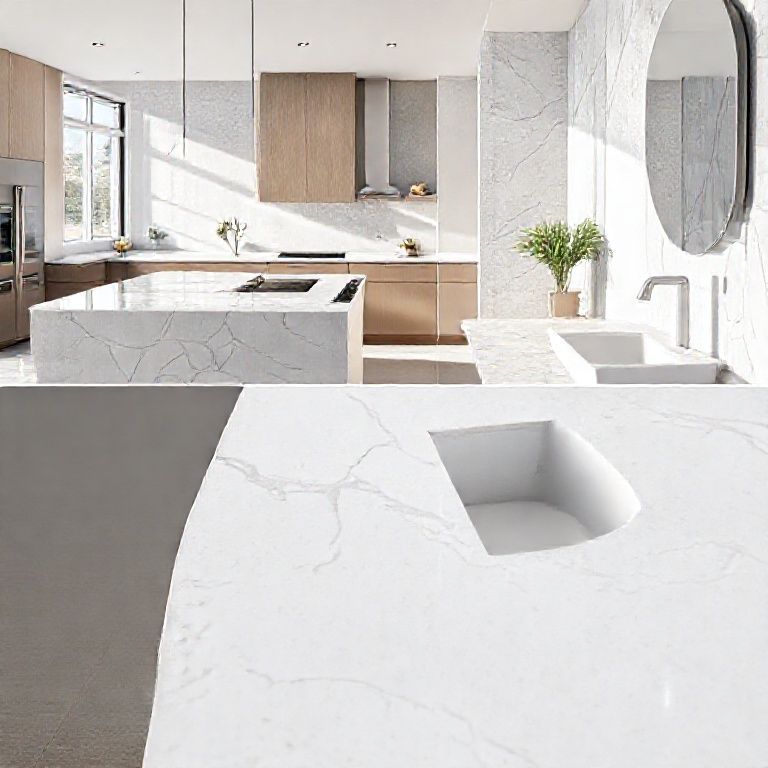
From an environmental perspective, artificial marble is a more sustainable choice. The mining and processing of natural stone have significant ecological impacts, including habitat destruction and carbon emissions. In contrast, artificial marble can be manufactured using recycled materials and processes that produce fewer emissions. This makes it a more environmentally friendly option, aligning with the growing demand for sustainable building materials.
Challenges of Artificial Marble
Despite its many benefits, artificial marble is not without its drawbacks. One of the primary concerns is its overall aesthetic appeal compared to natural marble. While artificial marble can closely mimic the look of natural stone, it often lacks the unique and natural beauty that comes with authentic marble. This subtle difference can be noticeable to discerning eyes, especially in high-end design projects where the authenticity of materials plays a crucial role.
Installation and Workmanship
Another challenge lies in the installation and workmanship required for artificial marble. Because it is a composite material, it requires specific handling and installation techniques. Unlike natural stone, which can often be cut and shaped on-site, artificial marble needs to be cut and shaped before installation, which can be more time-consuming and complex. Additionally, the installation process can be more delicate, requiring precision to avoid any damage to the material.
Potential for Fading and Color Issues
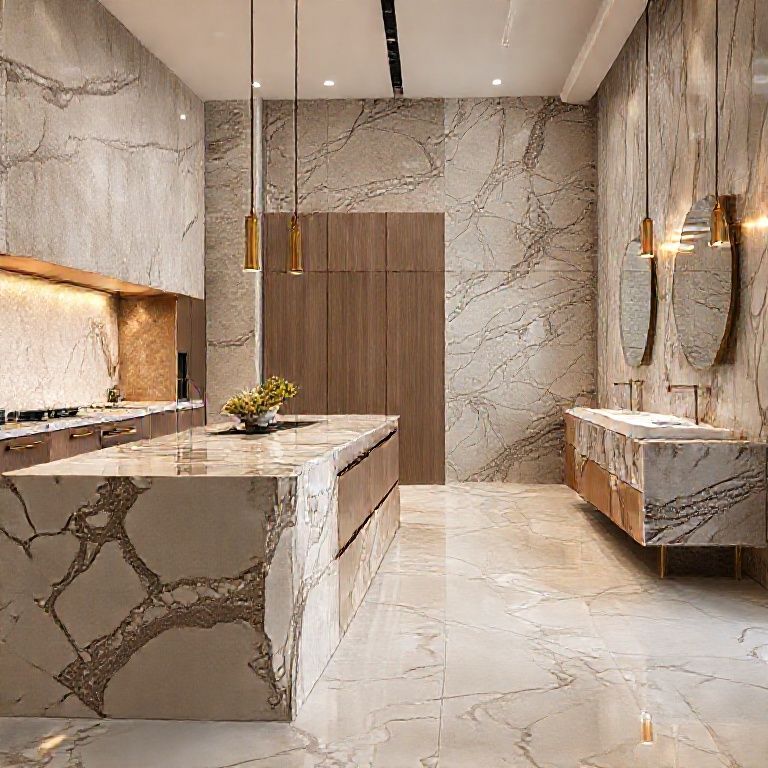
Artificial marble can also face issues related to color fading and inconsistencies. Over time, exposure to UV light and other environmental factors can cause the colors in artificial marble to fade, leading to a less vibrant appearance. This is a significant concern for those who value the longevity and consistency of color in their design. Furthermore, achieving uniform colors in large batches of artificial marble can be challenging, leading to potential variations in appearance.
The Allure and Challenges of Artificial Marble: A Comprehensive Exploration
In the second part of our exploration of artificial marble, we delve deeper into its role in contemporary design and construction, focusing on its practical applications, potential limitations, and the future outlook of this versatile material.
Practical Applications of Artificial Marble
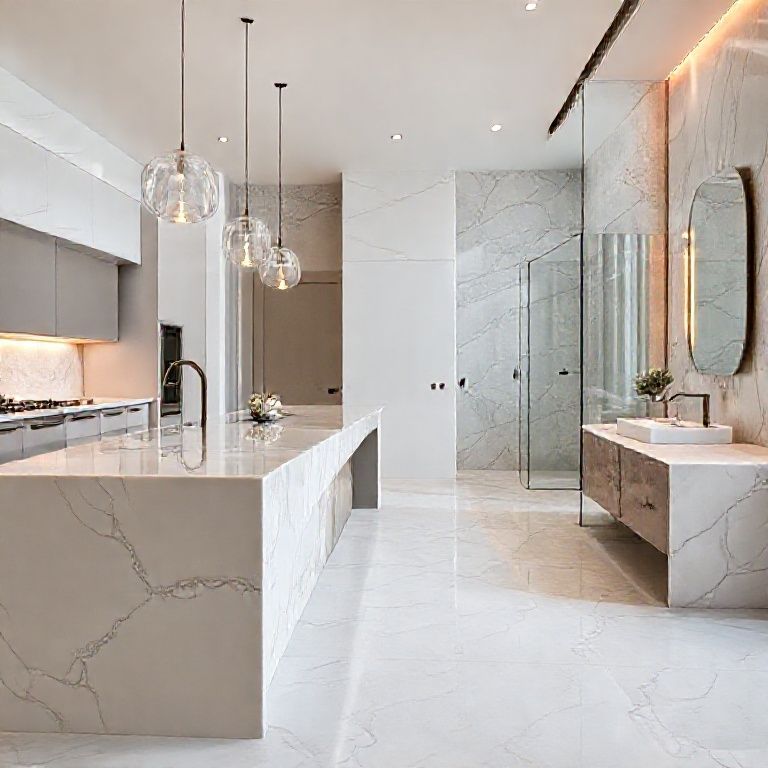
Artificial marble’s versatility makes it a popular choice across various sectors. In the realm of commercial construction, it is extensively used in countertops, sinks, and facades due to its durability and aesthetic appeal. Its resistance to water, stains, and scratches makes it ideal for high-traffic areas like kitchens, bathrooms, and commercial spaces where hygiene and durability are paramount.
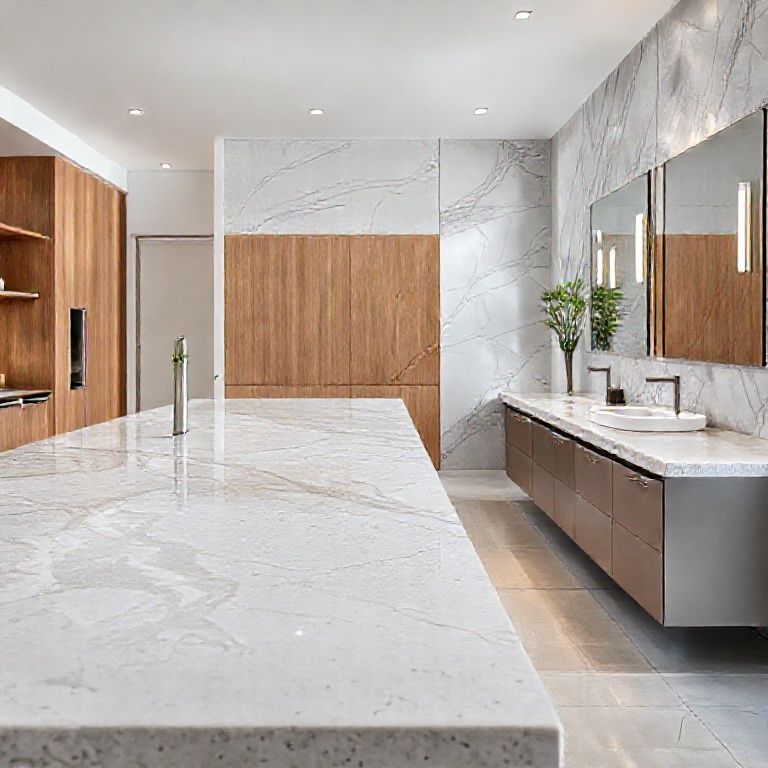
In residential settings, artificial marble has gained popularity for its ability to offer the look of luxury materials at a fraction of the cost. Homeowners often opt for artificial marble for kitchen countertops, bathroom vanities, and even decorative features like backsplashes and tabletops. The material’s ability to mimic the elegance of natural stone without the associated high costs and maintenance demands makes it an attractive choice for modern homes.
Future Outlook and Innovations
The future of artificial marble looks promising with continuous innovations aimed at improving its properties and expanding its applications. Advances in manufacturing technology are leading to the development of artificial marble with even greater durability, better color consistency, and enhanced aesthetic qualities. Researchers are also exploring the use of eco-friendly materials and processes in the production of artificial marble, further aligning it with sustainability goals.
As the demand for sustainable and cost-effective building materials grows, artificial marble is likely to play an increasingly significant role in the construction industry. Its potential to reduce environmental impact through lower resource consumption and reduced waste makes it a material that aligns well with future building trends.
Comparative Analysis: Artificial Marble vs. Natural Stone
To better understand the place of artificial marble in the market, it is essential to compare it with natural stone. While natural stone offers unmatched beauty, texture, and authenticity, it comes with significant drawbacks such as high cost, susceptibility to stains, and the environmental impact of mining. Artificial marble, on the other hand, provides a practical and economical alternative that can often replicate the aesthetic qualities of natural stone.
However, the choice between artificial marble and natural stone often comes down to specific project requirements, budget constraints, and design preferences. For high-end projects where the authenticity of natural materials is a priority, natural stone remains the preferred choice. For projects focused on cost efficiency, durability, and sustainability, artificial marble stands out as a superior option.
Conclusion
Artificial marble is a remarkable material that combines the best features of aesthetics, durability, and practicality. Its growing popularity in both residential and commercial applications is a testament to its versatility and benefits. However, it is essential to weigh its advantages against its potential limitations to make an informed decision.
As innovations continue to enhance the qualities of artificial marble, its role in modern design and construction is set to expand further. Whether you are a homeowner, designer, or contractor, understanding the full spectrum of artificial marble’s capabilities and challenges will help you make the best choice for your specific needs.