The Advantages of Artificial Stone: A Detailed Overview
Artificial stone has emerged as a popular choice for countertops, tiles, and other decorative elements in both residential and commercial spaces. Its growing popularity can be attributed to several compelling advantages that make it a desirable alternative to traditional materials like natural stone, granite, and marble.
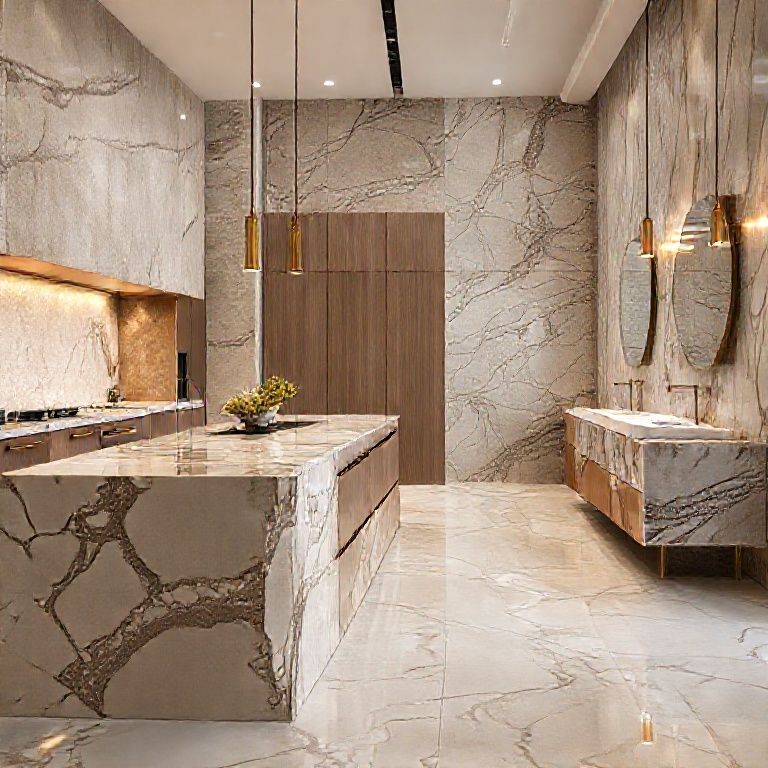
1. Durability and Strength
One of the standout benefits of artificial stone is its impressive durability. Made from a combination of quartz and other minerals, artificial stone is incredibly strong and resistant to scratches, chips, and stains. This makes it an excellent choice for high-traffic areas like kitchens and dining rooms, where durability is paramount. Unlike natural stone, which can be prone to damage from impact or exposure to acidic substances, artificial stone maintains its integrity over time.
2. Customization and Design Flexibility
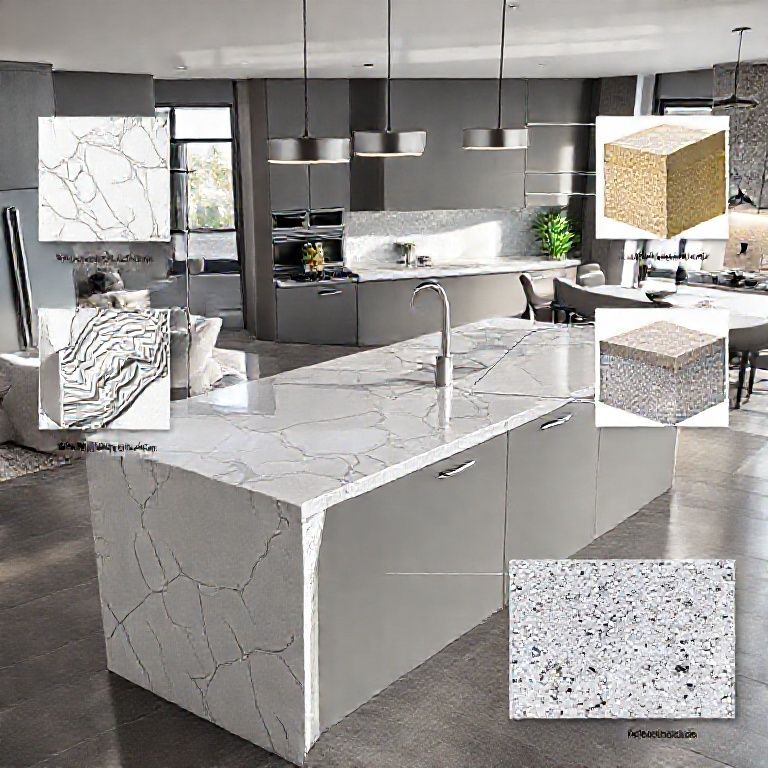
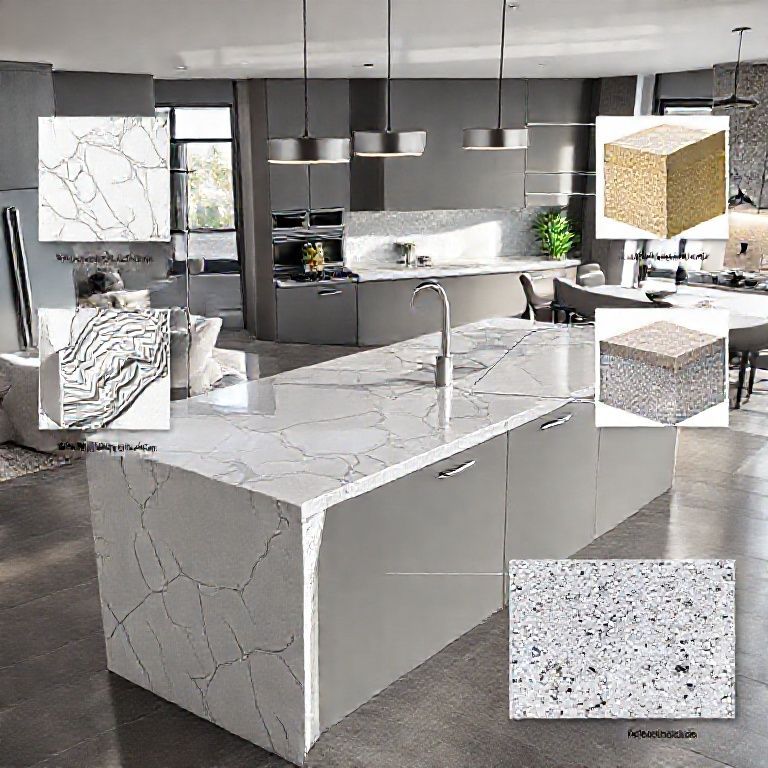
Artificial stone offers unparalleled customization options. It can be engineered to mimic the appearance of various natural stones, including granite, marble, and travertine. However, it also allows for unique, one-of-a-kind designs that would be nearly impossible to achieve with natural stone. This flexibility in design makes artificial stone a versatile material that can cater to a wide range of aesthetic preferences and interior styles.
3. Cost-Effectiveness
When compared to natural stone, artificial stone is generally more affordable. The production process for artificial stone is less labor-intensive and involves fewer raw materials, which translates to lower costs for manufacturers. Consequently, consumers benefit from more economical pricing. This cost-effectiveness extends to maintenance as well, since artificial stone is less susceptible to damage and staining, thereby reducing the need for costly repairs or replacements.
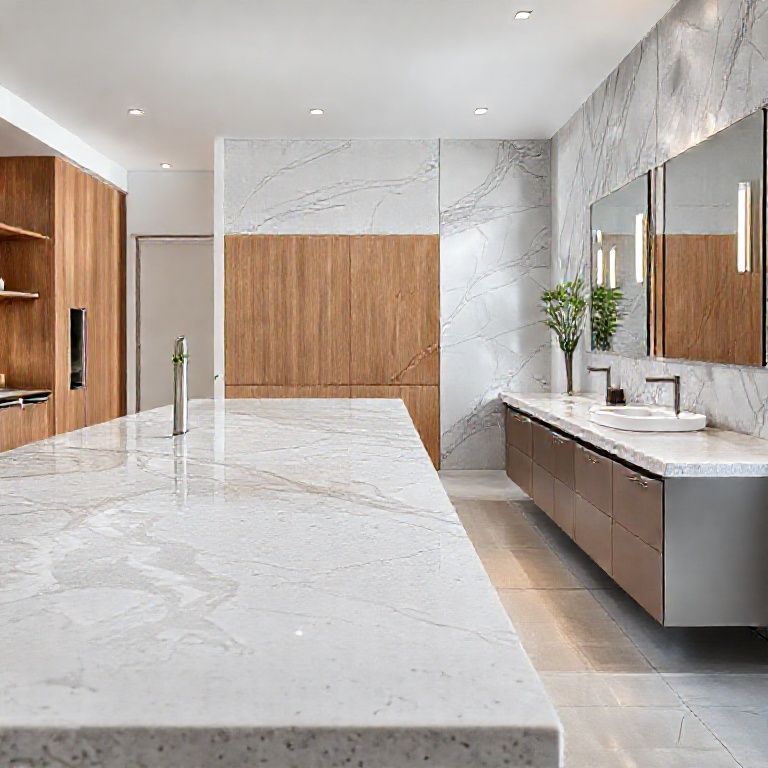
4. Environmentally Friendly
Artificial stone is also an eco-friendly option. The manufacturing process for artificial stone typically involves fewer emissions and less waste compared to the extraction and processing of natural stone. Additionally, because artificial stone does not require the use of harmful chemicals or treatments that are sometimes associated with natural stone products, it is a more sustainable choice for environmentally conscious consumers.
5. Easy to Clean and Maintain
Another significant advantage of artificial stone is its ease of maintenance. Because it is resistant to stains, grease, and other forms of damage, cleaning artificial stone surfaces is straightforward. A simple wipe with a damp cloth and mild detergent is usually sufficient to keep the surface looking pristine. This low-maintenance characteristic is particularly beneficial for busy households and commercial establishments where time and effort for cleaning are at a premium.
6. Versatility in Applications
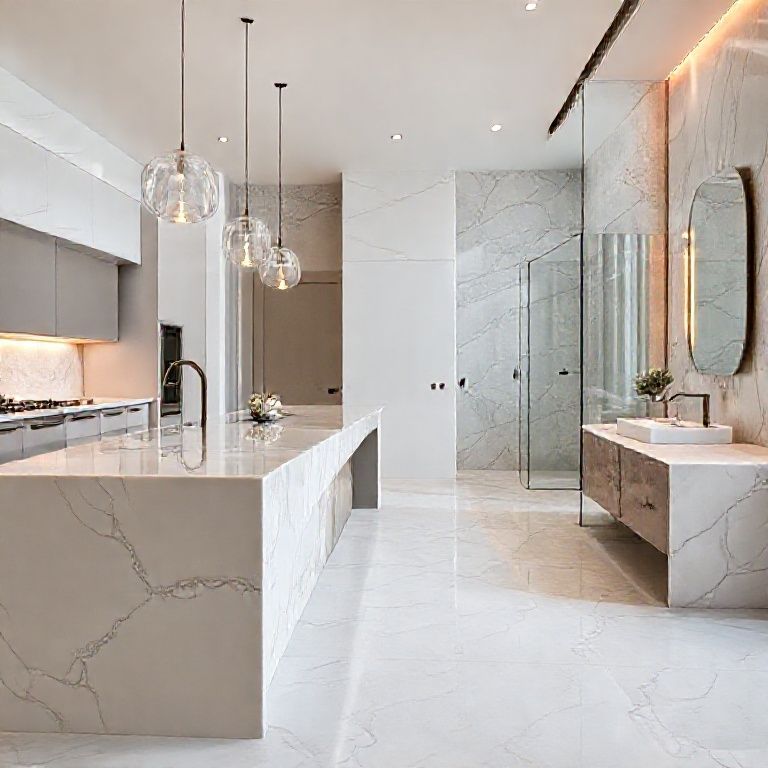
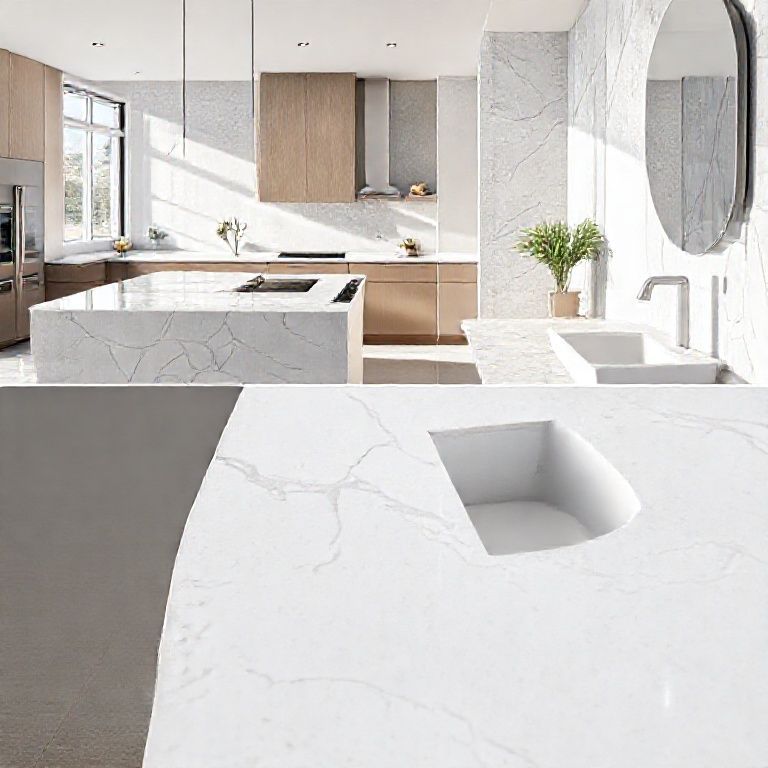
Artificial stone’s versatility makes it suitable for a wide range of applications beyond countertops. It can be used for tiles, backsplashes, veneers, and even decorative elements in architectural designs. This adaptability allows designers and homeowners to use artificial stone in innovative and creative ways, enhancing both the aesthetic and functional aspects of their spaces.
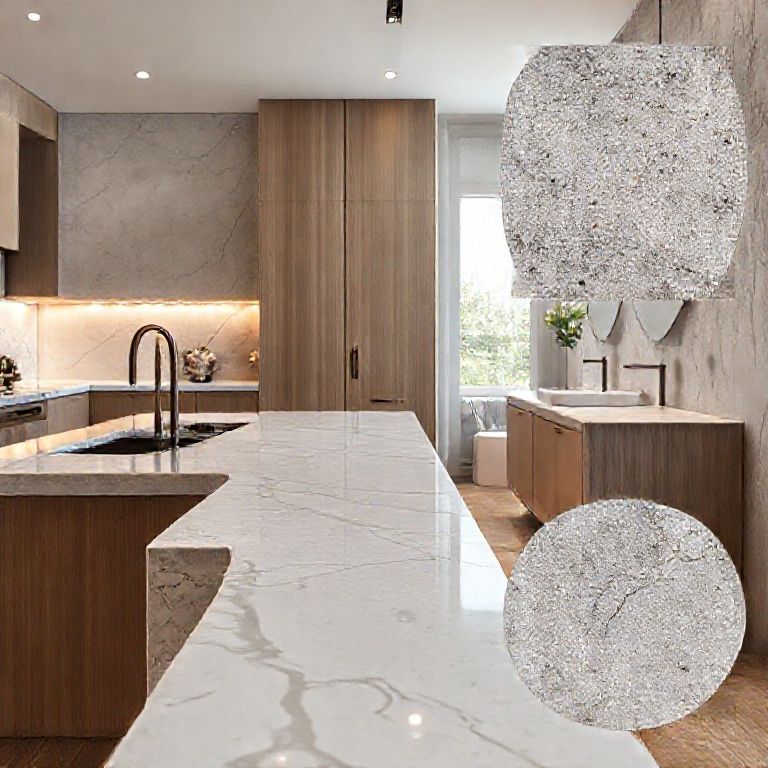
7. Reduced Weight
Artificial stone is significantly lighter than natural stone, which makes it easier to handle during installation. This reduced weight not only makes the installation process more manageable but also reduces the load on the structure of the building, which is particularly advantageous for renovations or new constructions where weight distribution is a concern.
In conclusion, the advantages of artificial stone are numerous and compelling. From its durability and design flexibility to its cost-effectiveness and environmental friendliness, artificial stone offers a range of benefits that make it a highly attractive option for a variety of applications. In the next part of this article, we will delve into the disadvantages of artificial stone, providing a balanced perspective to help you make an informed decision.
The Disadvantages of Artificial Stone: An In-Depth Analysis
While artificial stone boasts a myriad of benefits, it is not without its drawbacks. Understanding the limitations of artificial stone can help you make a more informed decision about whether it is the right material for your specific needs. In this part, we will explore the various disadvantages associated with artificial stone.
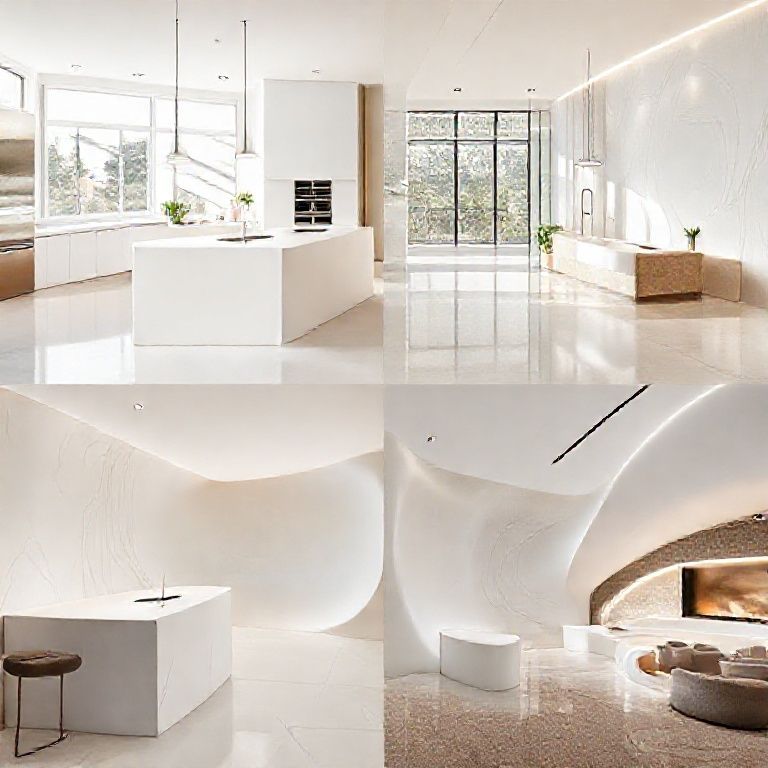
1. Limited Natural Aesthetic
One of the most significant disadvantages of artificial stone is the limited natural aesthetic it can offer. Although artificial stone can closely mimic the appearance of natural stone, it cannot perfectly replicate the unique and natural beauty that comes with materials like marble, granite, or travertine. The imperfections and natural variations found in natural stones contribute to their unique charm and character, which artificial stone, despite its best efforts, may not fully capture.
2. Potential for Surface Damage
While artificial stone is generally more durable than natural stone, it is not entirely invulnerable. Depending on the specific type of artificial stone and the quality of its manufacturing, it can still be susceptible to certain types of surface damage. For example, although artificial stone is resistant to scratches and stains, it can still be damaged by sharp objects or abrasive cleaning agents. This potential for surface damage, though often less severe than that of natural stone, is something to consider when making your choice.
3. Installation and Maintenance Challenges
Although artificial stone is easier to clean than natural stone, it does require some maintenance. The seams and joints in artificial stone can become a breeding ground for bacteria if not properly cleaned and maintained. Additionally, while artificial stone is lighter and easier to install than natural stone, it still requires professional installation to ensure a perfect fit and seamless appearance. Poorly installed artificial stone can lead to issues such as warping or uneven surfaces, which can detract from the overall aesthetic.
4. Higher Initial Cost for Custom Designs
Although artificial stone is generally more affordable than natural stone, custom designs can sometimes push the cost higher. Creating a unique, one-of-a-kind artificial stone design may involve additional costs for specialized molds and manufacturing processes. While this is not always the case, it is something to be aware of, especially if you are looking for a highly customized design.
5. Limited Heat Resistance
Artificial stone is not as heat-resistant as some natural stones like granite. While it can withstand moderate heat, prolonged exposure to high temperatures can cause it to discolor or crack. This limitation makes artificial stone less ideal for areas where high heat is a constant concern, such as directly above gas stoves or in areas with frequent use of hot appliances.
6. Chemical Resistance Issues
Although artificial stone is generally resistant to stains and chemicals, it is not entirely impervious. Certain chemicals, especially those that are highly acidic or alkaline, can still affect the surface of artificial stone. This means that while it is generally low-maintenance, there are still some limitations to its chemical resistance, which should be considered in environments where exposure to harsh chemicals is common.
7. Environmental Concerns
While artificial stone is generally more environmentally friendly than natural stone in terms of its manufacturing process, there are still some environmental concerns to consider. The production of artificial stone involves the use of synthetic materials and chemicals, which can have environmental implications if not managed properly. Additionally, the lifecycle of artificial stone, including its disposal and recycling potential, is not as well established as that of natural stone, which raises questions about its long-term sustainability.
8. Limited Availability of Colors and Patterns
Although artificial stone offers a wide range of colors and patterns, the options are still somewhat limited compared to natural stone. While it is possible to create nearly any color or pattern with artificial stone, the range of natural variations and the unique beauty of natural stone cannot be fully replicated. This limitation can be a drawback for those seeking a highly customized and natural aesthetic.
Conclusion
While artificial stone offers numerous advantages, including durability, customization, cost-effectiveness, and low maintenance, it also has its share of disadvantages. These include limited natural aesthetic, potential for surface damage, installation and maintenance challenges, higher initial costs for custom designs, limited heat resistance, chemical resistance issues, environmental concerns, and limited availability of colors and patterns.
By weighing these pros and cons, you can make a more informed decision about whether artificial stone is the right choice for your specific needs. Whether you are looking to enhance the aesthetics of your home or commercial space, understanding both the benefits and limitations of artificial stone will help you choose the best material for your project.