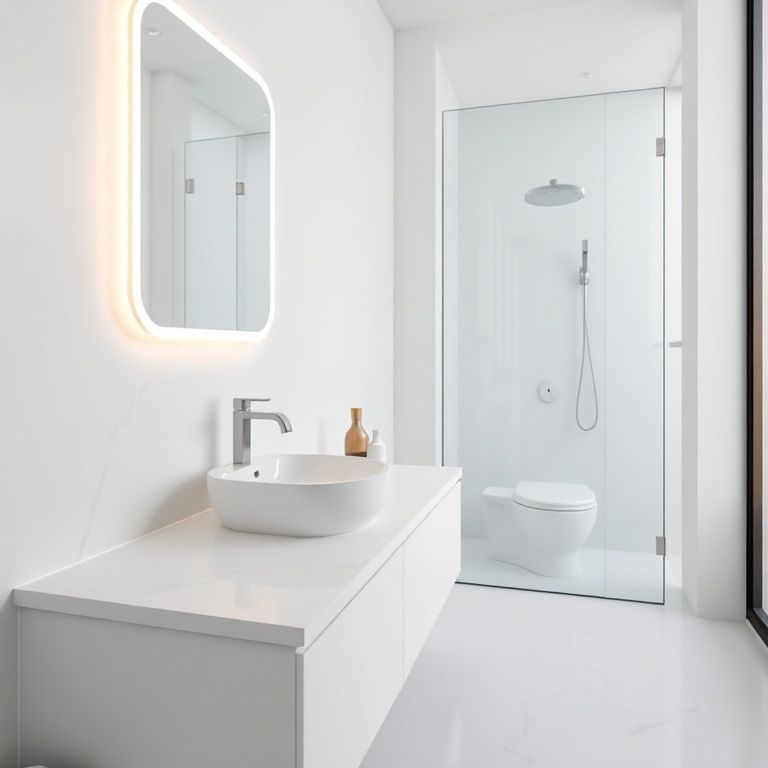
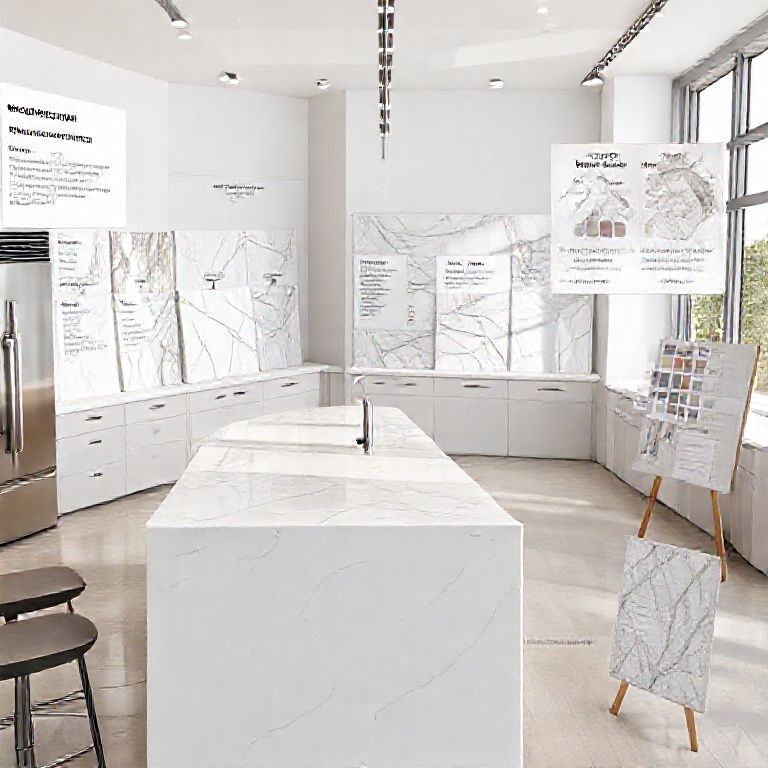
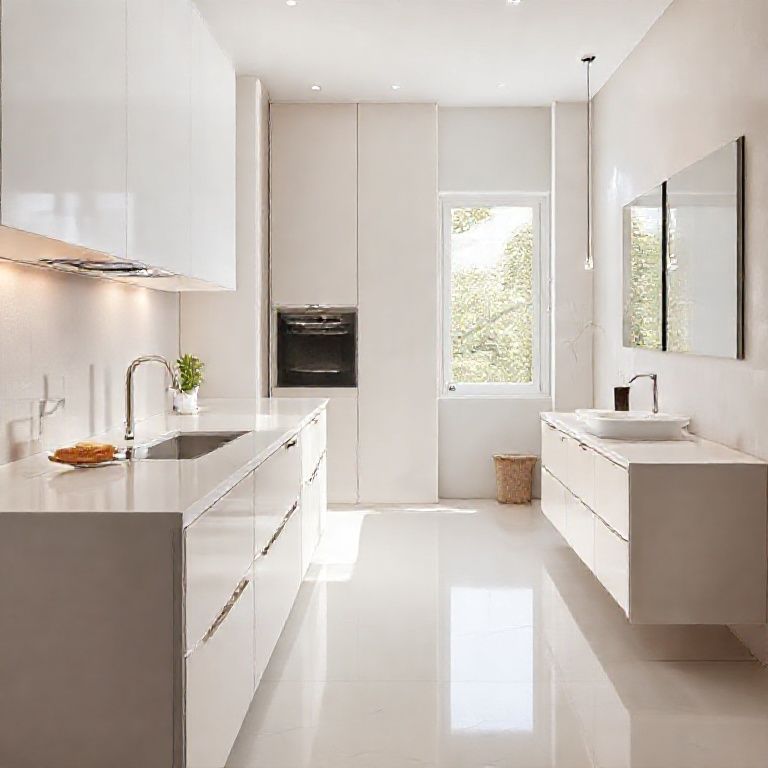
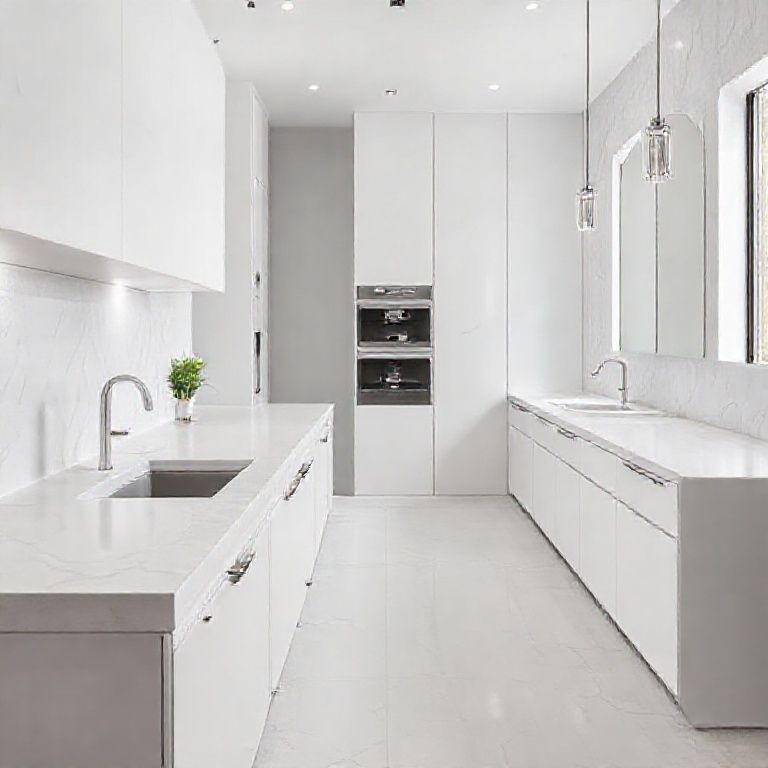
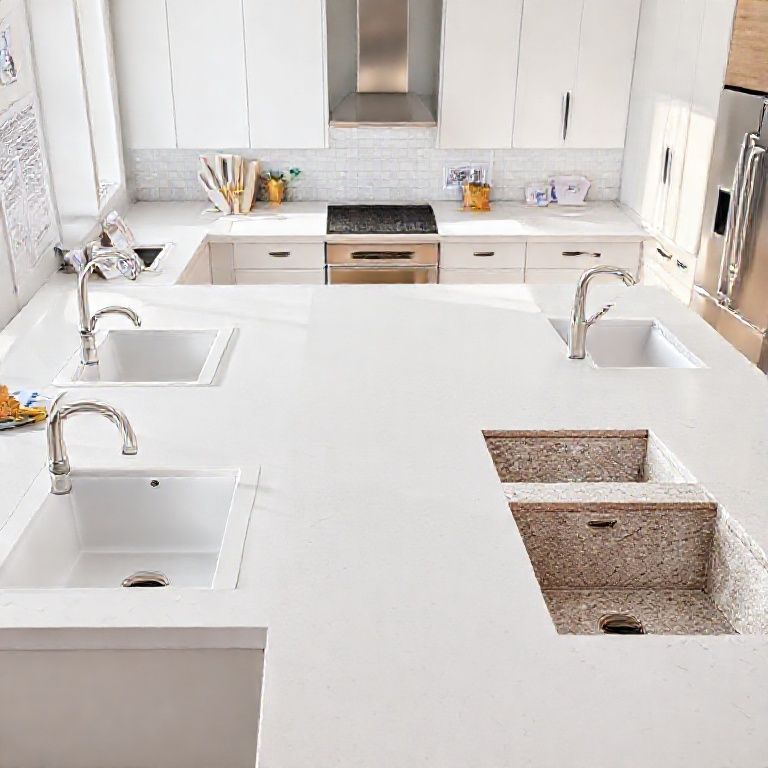
Choosing the Perfect Washbasin: Ceramic vs. Quartz Countertops vs. Artificial Stone
When it comes to selecting the ideal material for your bathroom washbasin, the decision can be quite overwhelming given the myriad of options available. Each material comes with its unique set of benefits and drawbacks. In this first part, we’ll delve into the primary contenders: ceramic, quartz countertops, and artificial stone. By examining the material properties, durability, maintenance, and cost, you’ll be well-equipped to make an informed decision.
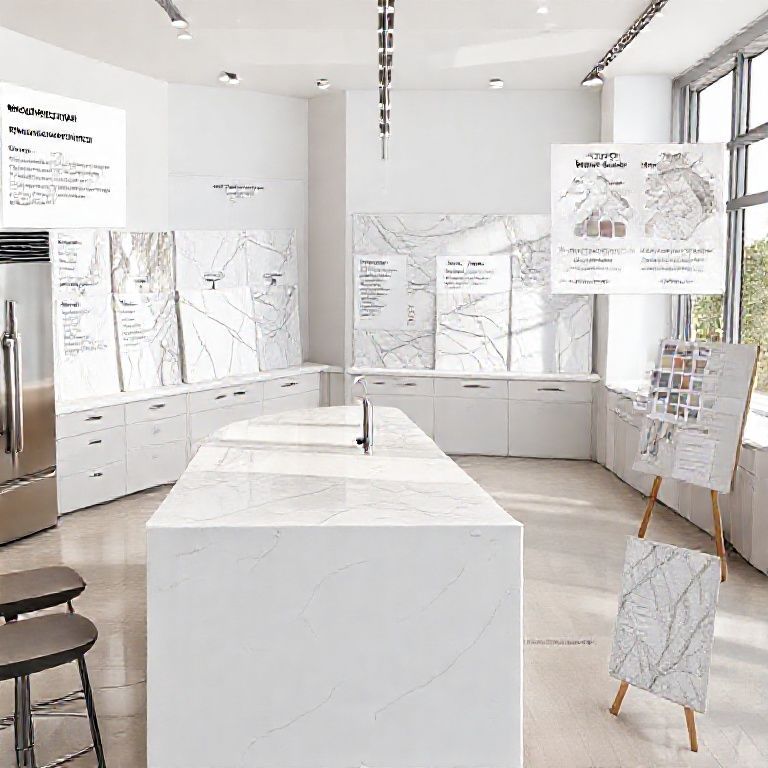
Ceramic Washbasins: A Classic Choice
Ceramic washbasins have long been a popular choice due to their classic appeal and functionality. Crafted from natural clay and fired at high temperatures, ceramics are known for their strength and durability. The traditional blue-and-white ceramic washbasins are timeless and can add a touch of elegance to any bathroom.
Durability: Ceramic washbasins are highly durable and can withstand daily use. They are resistant to chipping and cracking, making them a reliable choice for many households.
Maintenance: While ceramic washbasins are low-maintenance, they can be prone to staining if not properly cared for. Regular cleaning with mild soap and water is recommended to maintain their pristine appearance. Avoid using abrasive cleaners as they can scratch the surface.
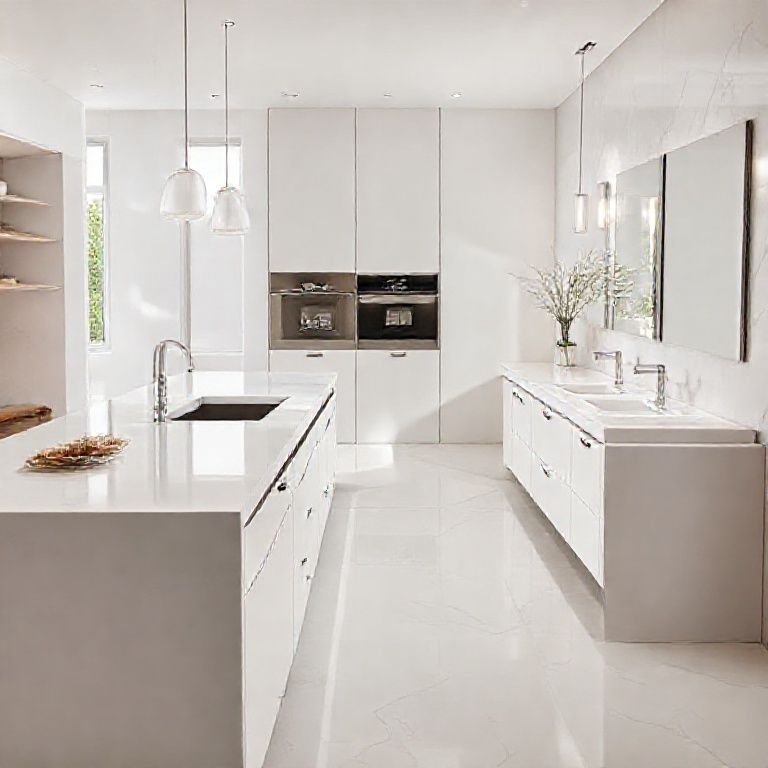
Cost: Generally, ceramic washbasins are affordable, ranging from budget-friendly options to higher-end pieces. Their cost-effectiveness makes them a popular choice for many.
Quartz Countertops: Modern and Unmatched Strength
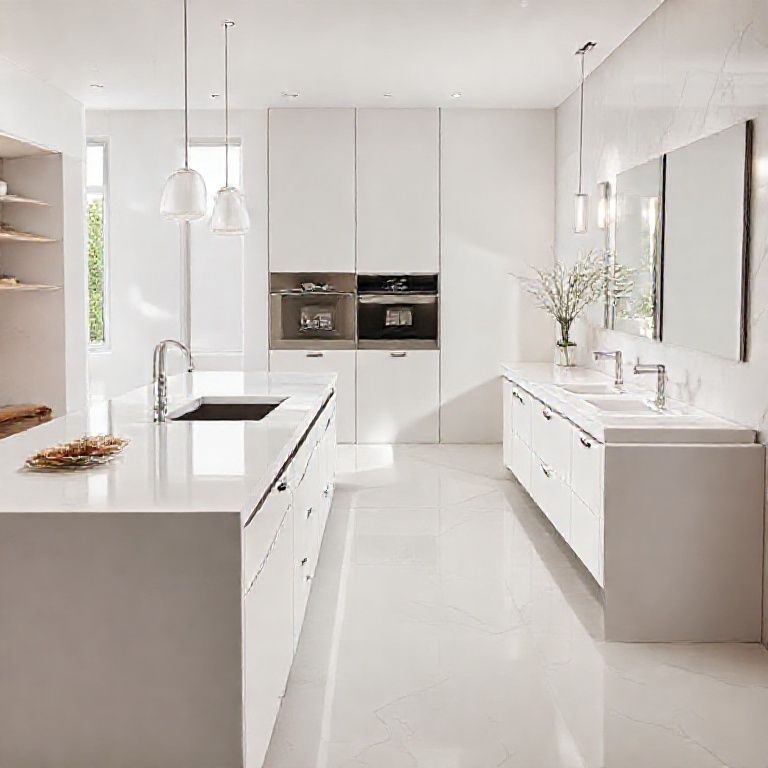
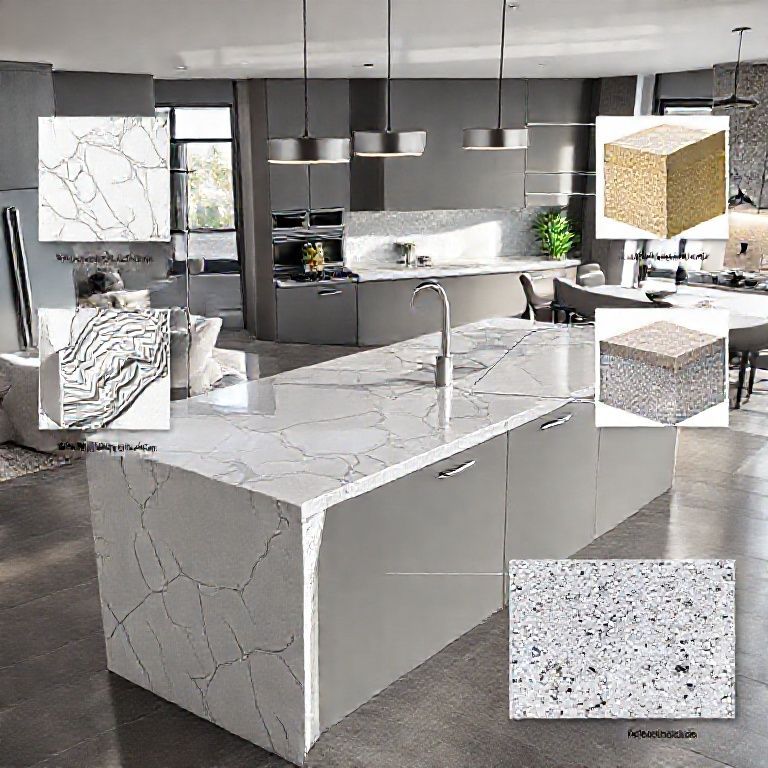
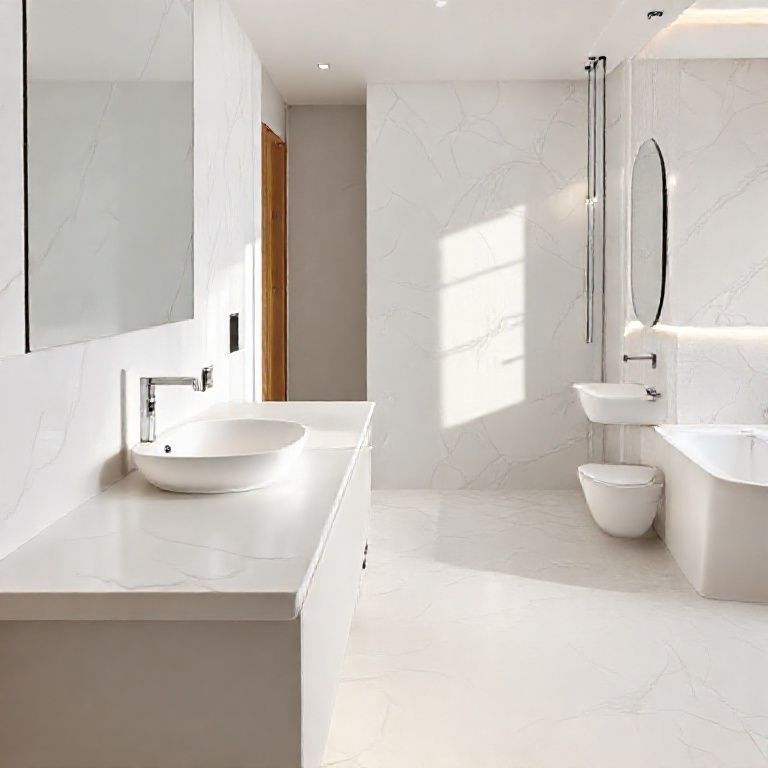
Quartz countertops have revolutionized the way we think about bathroom fixtures. Made from a mixture of 90% natural stone and 10% resin, quartz washbasins offer unmatched strength and durability. Their sleek, modern look adds a contemporary touch to any bathroom.
Durability: Quartz washbasins are incredibly durable and resistant to scratches, stains, and bacteria. They can withstand the rigors of daily use without showing signs of wear.
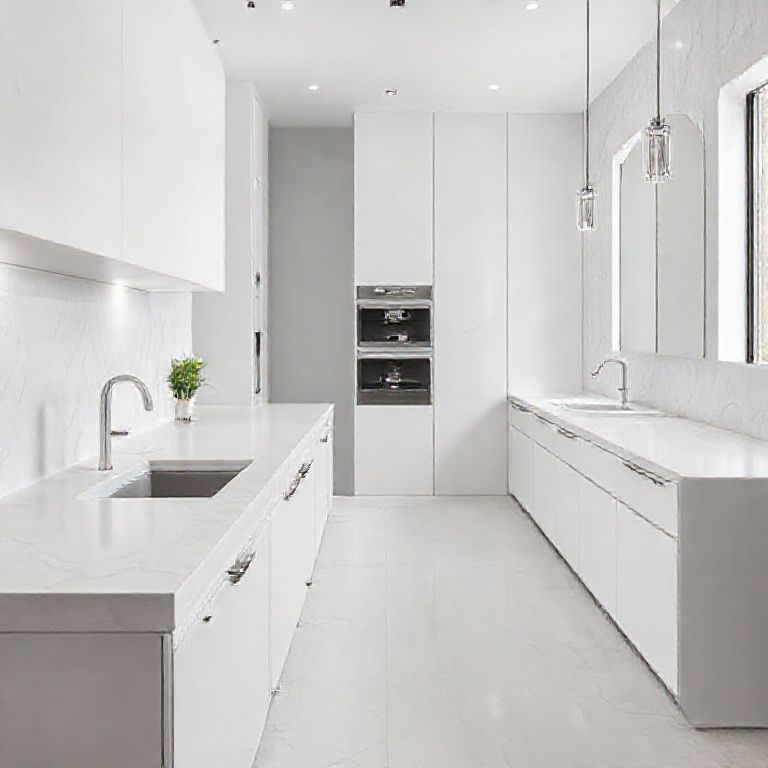
Maintenance: Maintenance of quartz washbasins is minimal. They are easy to clean with a damp cloth and mild soap. Unlike other materials, quartz is impervious to stains and scratches, making it a low-maintenance option.
Cost: Quartz washbasins are on the higher end of the price spectrum, but their durability and low maintenance often justify the investment. The cost can vary widely depending on the design and quality.
Artificial Stone: A Versatile and Budget-Friendly Option
Artificial stone washbasins, also known as resin-based washbasins, combine the best features of natural stone and plastic. They offer a wide range of colors and patterns, making them highly versatile and customizable.
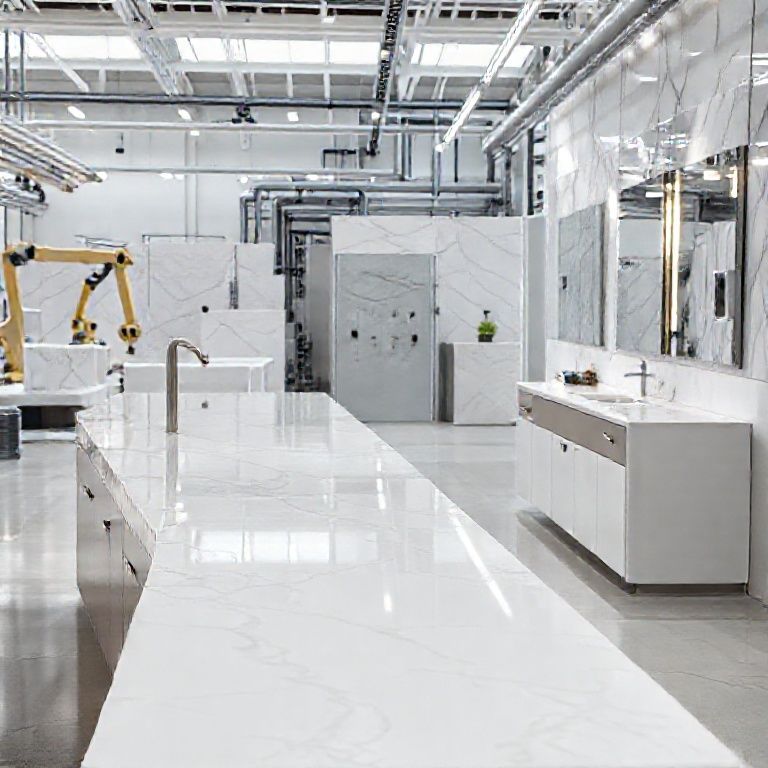
Durability: Artificial stone washbasins are durable and can withstand daily use. They are resistant to scratches, stains, and chips. However, they may not be as durable as quartz or ceramic in extreme conditions.
Maintenance: Artificial stone washbasins are easy to clean and maintain. They can be wiped down with a mild soap solution to keep them looking new. They are also resistant to bacteria and mold, making them hygienic choices.
Cost: Artificial stone washbasins are generally more affordable than quartz but can be pricier than ceramic options. They offer a wide range of styles and colors at various price points, making them a budget-friendly choice for many.
Conclusion
Choosing between ceramic, quartz, and artificial stone washbasins depends on your specific needs and preferences. Each material has its unique advantages and disadvantages in terms of durability, maintenance, and cost. Ceramic offers classic elegance and affordability, quartz provides unmatched strength and modern aesthetics, and artificial stone provides versatility and budget-friendly options. By understanding these factors, you can make a well-informed decision that best suits your bathroom and lifestyle.
Choosing the Perfect Washbasin: Ceramic vs. Quartz Countertops vs. Artificial Stone
In the second part of our article, we continue to explore the nuances of ceramic, quartz, and artificial stone washbasins. We’ll dive deeper into their aesthetic appeal, environmental impact, and long-term benefits to help you make a final decision. Let’s uncover what else you need to know to choose the perfect washbasin for your home.
Aesthetic Appeal: Design and Style
The aesthetic appeal of a washbasin is often a significant factor in its selection. Each material offers distinct design possibilities that can complement various bathroom styles.
Ceramic Washbasins: Ceramic washbasins are known for their traditional designs, including classic blue-and-white patterns, floral motifs, and intricate carvings. They offer a timeless elegance that suits both modern and traditional bathroom designs. Ceramic washbasins come in various shapes and sizes, allowing for a wide range of design options.
Quartz Countertops: Quartz washbasins are available in an array of colors and finishes, from sleek, monochromatic designs to vibrant, patterned surfaces. Their modern aesthetic makes them perfect for contemporary bathrooms. Quartz’s versatility allows for seamless integration with various design themes, from minimalist to eclectic.
Artificial Stone: Artificial stone washbasins offer unparalleled versatility in design. With the ability to mimic the look of natural stone, marble, and even wood, artificial stone can be customized to match any bathroom decor. Their range of colors and patterns provides endless possibilities for creative design.
Environmental Impact: Sustainability
In today’s eco-conscious world, the environmental impact of bathroom fixtures has become a crucial consideration. Let’s examine how ceramic, quartz, and artificial stone washbasins stack up in terms of sustainability.
Ceramic Washbasins: The production of ceramic washbasins involves high-temperature firing, which consumes significant energy. However, once manufactured, ceramics have a long lifespan, reducing the need for frequent replacements and contributing to overall sustainability. Additionally, ceramic waste during manufacturing can be recycled, making it a somewhat eco-friendly option.
Quartz Countertops: Quartz washbasins are made from a combination of natural stone and resin. The extraction of natural stone can have environmental impacts, but the resin component helps to enhance durability and reduce the need for replacements. Quartz production also generates less waste compared to ceramic manufacturing. Furthermore, quartz is highly durable, which means it can last for many years, reducing the frequency of replacements and contributing to sustainability.
Artificial Stone: Artificial stone washbasins are typically made from a mix of natural stone and plastic. The use of plastic raises concerns about environmental impact, but advancements in manufacturing have improved the sustainability of this material. Artificial stone can be made from recycled materials, and its durability ensures long-term use, reducing waste. Additionally, the customization options allow for creative designs that minimize material waste.
Long-Term Benefits: Durability and Cost-Effectiveness
Long-term benefits such as durability and cost-effectiveness play a significant role in the decision-making process. Here’s a closer look at how each material fares in these areas.
Ceramic Washbasins: While ceramic washbasins are durable and resistant to chipping and cracking, they can be prone to staining. Regular maintenance is required to keep them looking their best, which can add to the overall cost over time. However, their affordability and timeless design make them a cost-effective choice in the long run.
Quartz Countertops: Quartz washbasins are highly durable and require minimal maintenance. Their resistance to scratches, stains, and bacteria makes them low-maintenance and long-lasting. Although the initial cost is higher, the low maintenance and durability often justify the investment, making quartz a cost-effective choice in the long term.
Artificial Stone: Artificial stone washbasins offer a good balance of durability and cost-effectiveness. They are resistant to scratches, stains, and chips, providing a durable option. Their maintenance is straightforward, and their affordability makes them a practical choice for many. However, their durability might not match that of quartz, which could result in higher long-term costs if frequent replacements are needed.
Conclusion
Choosing the perfect washbasin involves balancing aesthetics, environmental impact, and long-term benefits. Ceramic washbasins offer timeless elegance and affordability, quartz provides unmatched durability and modern aesthetics, and artificial stone offers versatile design options at a budget-friendly price. By carefully considering these factors, you can select the washbasin that best suits your bathroom’s design, meets your sustainability goals, and provides lasting value.
Ultimately, the best choice depends on your specific needs and preferences. Whether you prioritize classic charm, modern elegance, or versatile design, understanding the pros and cons of ceramic, quartz, and artificial stone washbasins will empower you to make an informed decision that enhances your bathroom experience for years to come.