When it comes to selecting the perfect stone for your window sill, it’s essential to consider several factors that influence both the aesthetic appeal and durability of your home. The right stone can enhance the natural beauty of your windows, provide a touch of elegance, and withstand the test of time. Here’s an in-depth look at some of the best stone options for window sills.
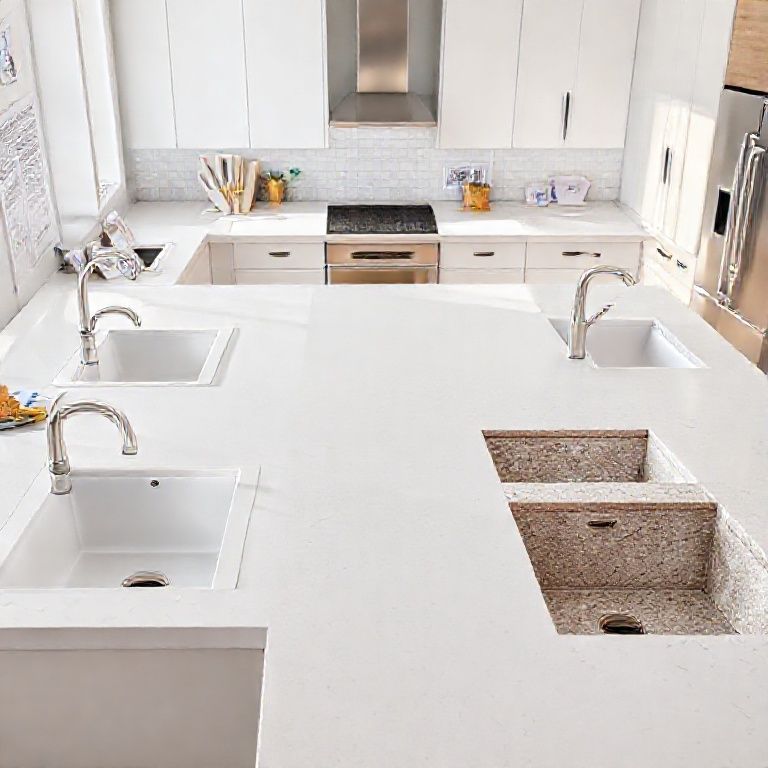
1. Marble: The Timeless Classic
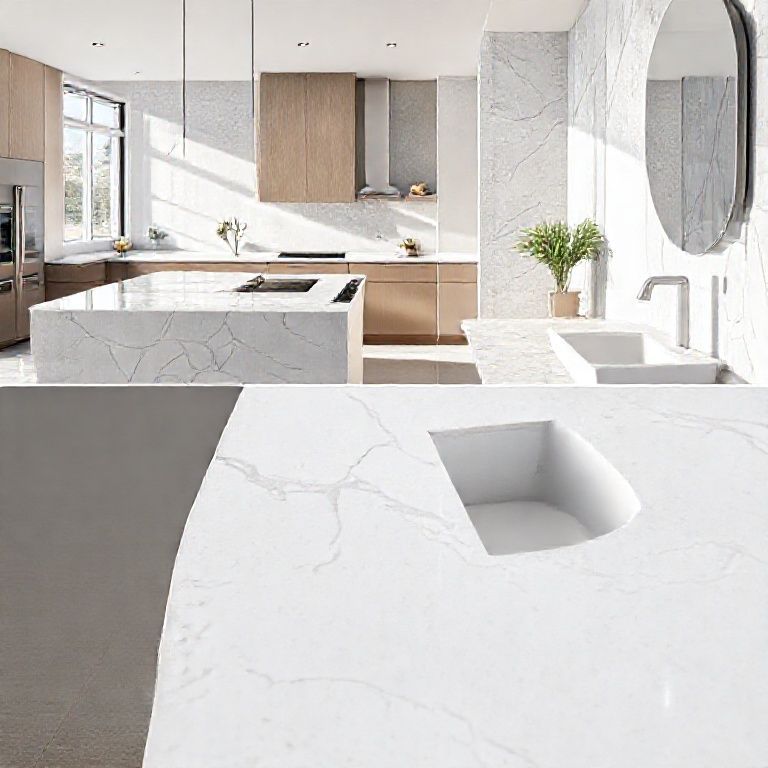
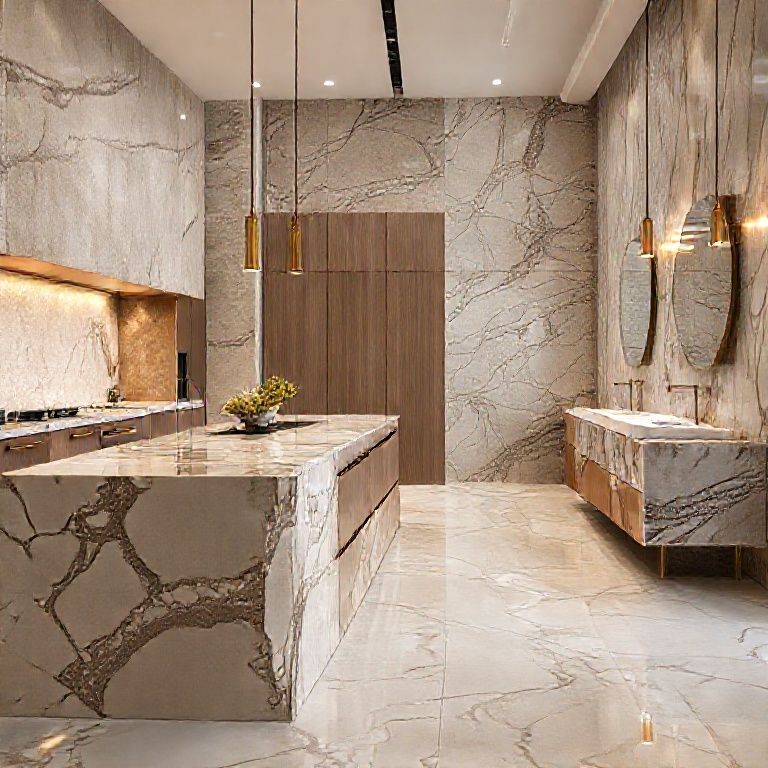
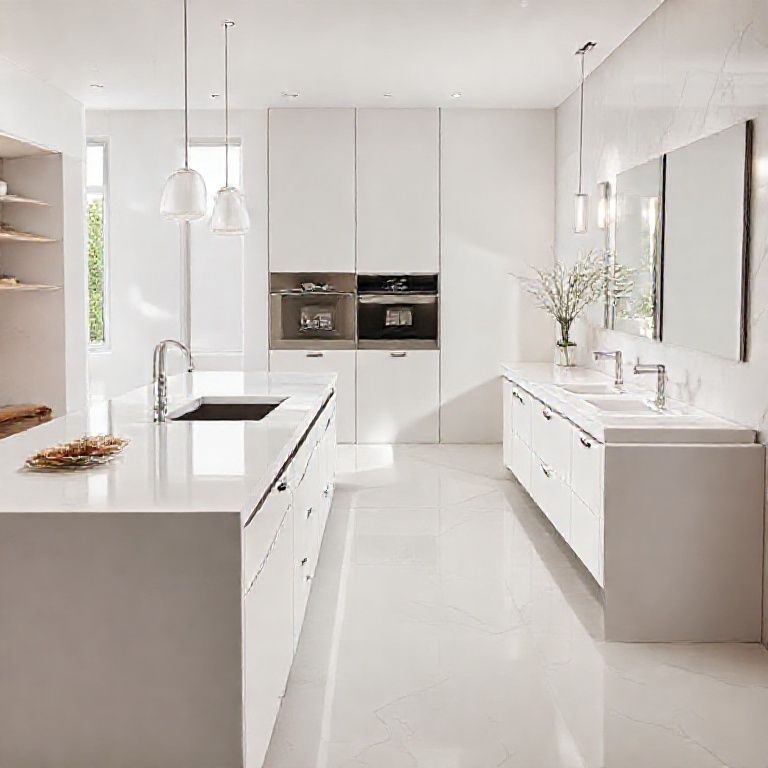
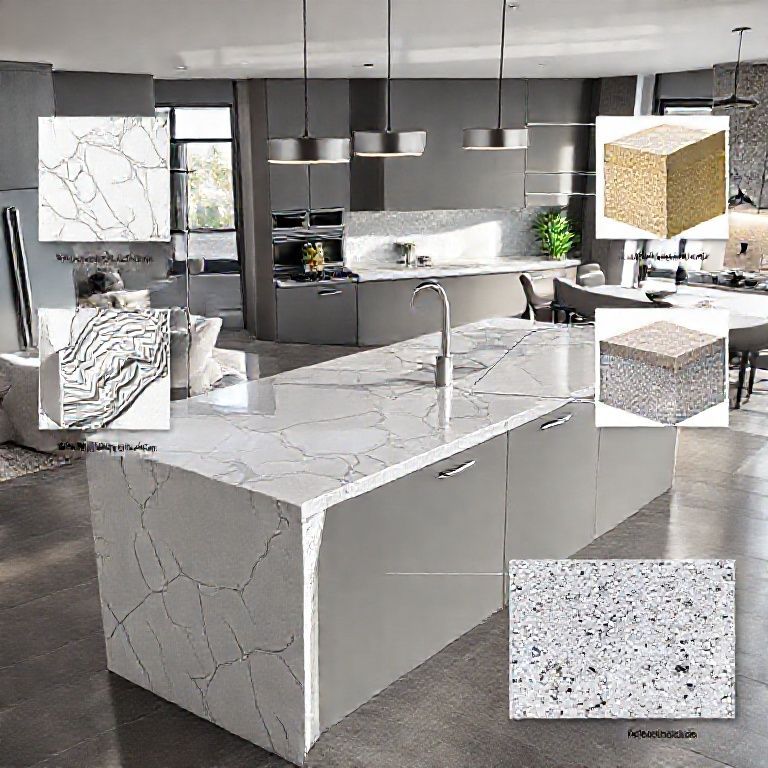
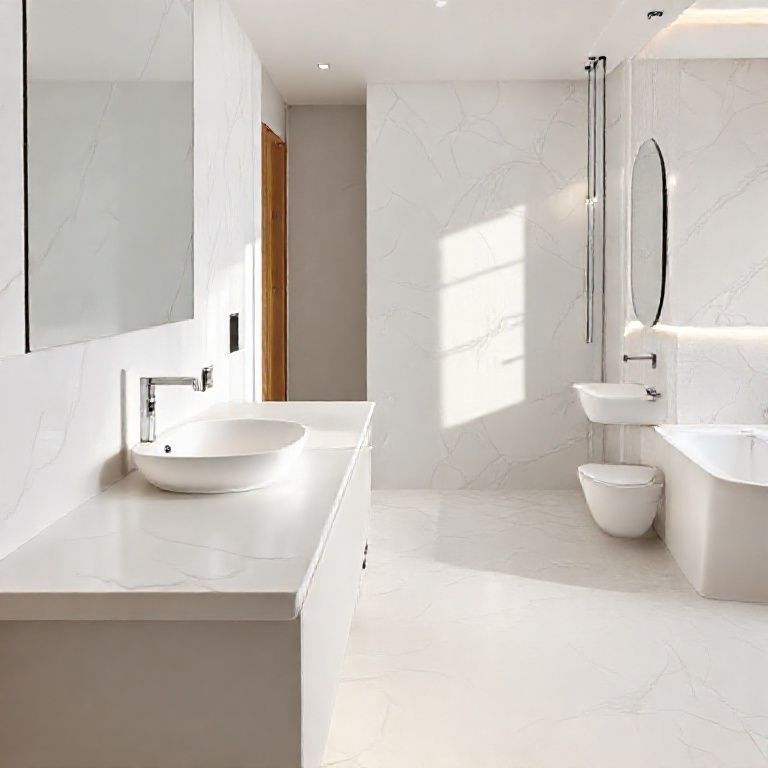
Marble has long been a favorite for window sills due to its exquisite beauty and timeless elegance. Known for its veined patterns and creamy textures, marble adds a luxurious touch to any home.
Durability: While marble is a beautiful choice, it’s relatively softer compared to other stones and can be prone to scratching and staining. It’s crucial to seal marble regularly to protect it from spills and stains.
Maintenance: Regular cleaning with a mild soap and water solution is essential to maintain the shine and appearance of marble. Avoid using abrasive cleaners that can scratch the surface.
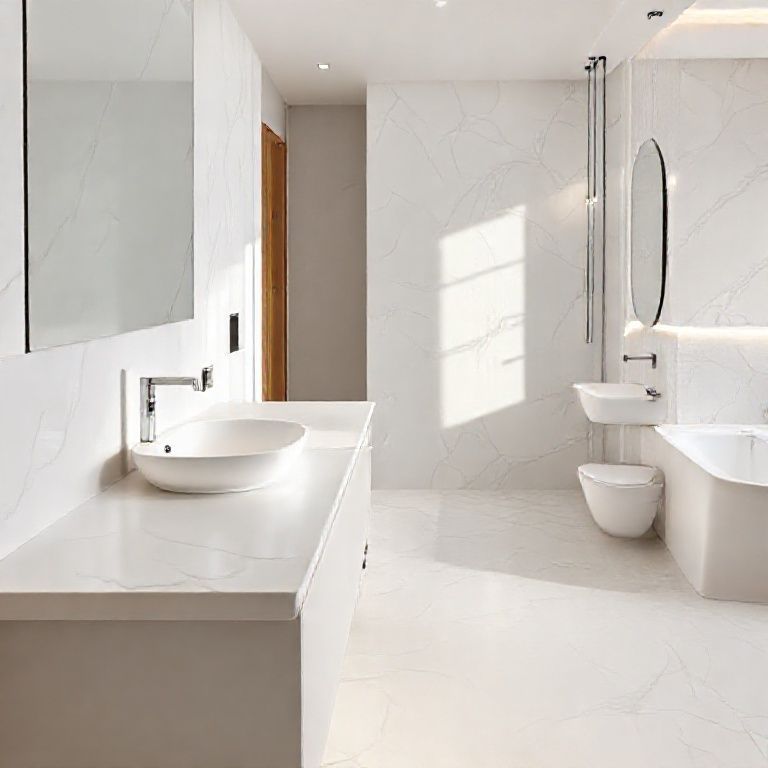
Best Uses: Marble window sills are perfect for modern, classic, or traditional interiors where a touch of luxury is desired.
2. Granite: The Ultimate Durability
Granite stands out as one of the most durable stone options for window sills. Known for its hardness, granite can withstand heavy foot traffic and resist scratches, stains, and weather conditions.
Durability: Granite’s hardness makes it an excellent choice for high-traffic areas. Its resistance to thermal shock ensures it remains intact even when exposed to hot pots and pans.
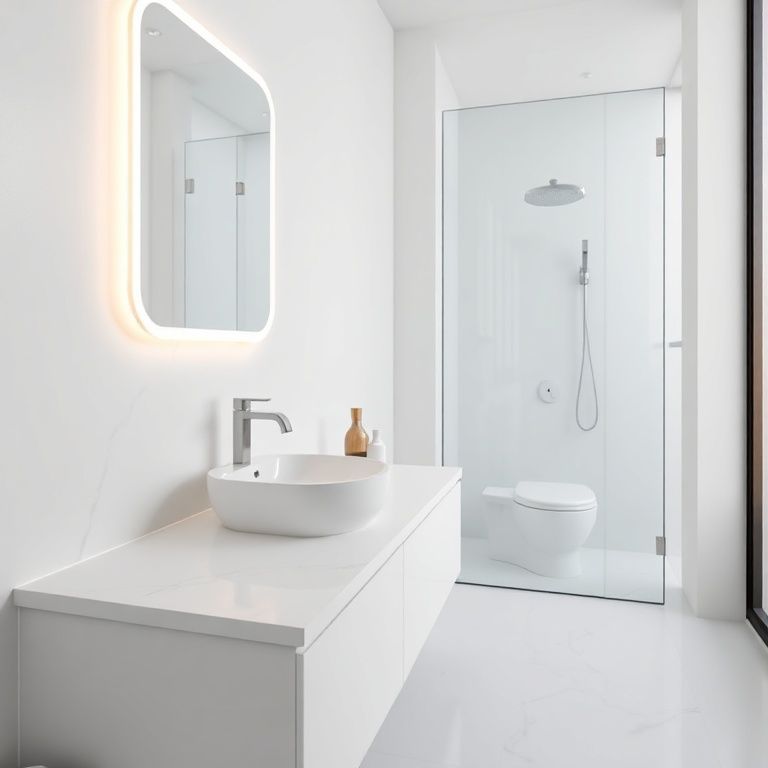
Maintenance: While granite requires minimal maintenance, regular cleaning with a soft cloth and a mild soap solution is recommended. For tougher stains, specialized granite cleaners are available.
Best Uses: Granite window sills are ideal for contemporary, modern, and rustic home designs. They add a rugged, natural beauty that complements various architectural styles.
3. Quartzite: The Low-Maintenance Option
Quartzite is a relatively new addition to the list of popular stone choices for window sills, yet it has quickly gained popularity due to its impressive durability and low-maintenance requirements.
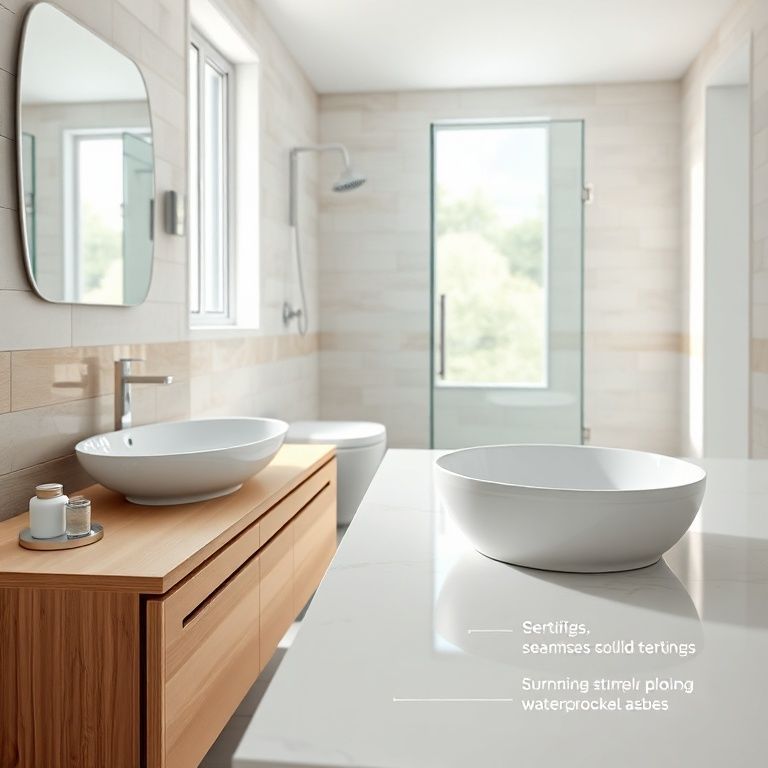
Durability: Quartzite is harder than granite and offers excellent resistance to scratches, stains, and thermal shock. It’s also impervious to moisture, making it a perfect choice for areas prone to humidity.
Maintenance: Cleaning quartzite sills is as simple as wiping them down with a damp cloth and mild detergent. Unlike marble, quartzite does not require sealing, which significantly reduces maintenance efforts.
Best Uses: Quartzite window sills are perfect for both indoor and outdoor applications. Their natural look and minimal upkeep make them suitable for modern, contemporary, and even eco-friendly homes.
4. Limestone: The Affordable Choice
Limestone offers an affordable yet attractive option for window sills. Known for its warm, earthy tones and porous texture, limestone can be a beautiful addition to any home.
Durability: Limestone is softer than marble, granite, and quartzite, making it more susceptible to scratches and stains. It’s essential to seal limestone to prevent water absorption and discoloration.
Maintenance: Regular cleaning with a mild soap solution and periodic sealing are necessary to maintain the appearance and longevity of limestone sills.
Best Uses: Limestone window sills are ideal for traditional, colonial, or rustic-style homes. They provide a natural, earthy aesthetic that complements various architectural styles.
5. Slate: The Weather-Resistant Option
Slate is another excellent choice for window sills, particularly in areas prone to weather changes. Known for its durability and natural beauty, slate offers a unique texture and color.
Durability: Slate is one of the hardest stones, making it highly resistant to scratches, stains, and weather conditions. It’s a great choice for both indoor and outdoor use.
Maintenance: Slate sills require minimal maintenance. Regular cleaning with a damp cloth and mild detergent keeps them looking pristine.
Best Uses: Slate window sills are perfect for homes with a traditional, vintage, or countryside charm. They add a touch of classic elegance that enhances the overall design.
6. Travertine: The Unique Pattern
Travertine is a unique and visually striking stone that offers a variety of patterns and colors. Its natural look and texture make it a popular choice for those seeking something different.
Durability: Travertine is softer than marble and granite but harder than limestone. It’s important to seal travertine to protect it from stains and water absorption.
Maintenance: Cleaning travertine sills with a mild soap solution and periodic sealing is essential to maintain its beauty and longevity.
Best Uses: Travertine window sills are ideal for homes looking for a distinctive and unique design element. They add a touch of modern elegance to contemporary and eclectic interiors.
Conclusion
Choosing the right stone for your window sill involves balancing aesthetics with durability and maintenance. Whether you prefer the timeless elegance of marble, the rugged beauty of granite, or the unique patterns of travertine, there is a stone to suit every style and preference. By understanding the unique properties and care requirements of each stone, you can make an informed decision that enhances the beauty and longevity of your home.
In the next part of this guide, we will delve deeper into specific maintenance tips, design considerations, and additional stone options for window sills. Stay tuned for more insights to help you create a stunning window sill that complements your home’s architecture and design.
In the previous part, we explored various stone options for window sills, including marble, granite, quartzite, limestone, slate, and travertine. Each stone has its unique characteristics that make it suitable for different styles and preferences. In this part, we will dive deeper into maintenance tips, design considerations, and additional stone options to help you make an informed decision for your window sill.
Maintenance Tips for Your Window Sill
Proper maintenance is crucial to ensure the longevity and beauty of your window sill. Here are some essential tips for maintaining different types of stone:
1. Marble
Sealing: Regular sealing is essential to protect marble from stains and water damage. Use a high-quality marble sealer and follow the manufacturer’s instructions for application. Cleaning: Clean marble sills with a mild soap and water solution. Avoid using abrasive cleaners that can scratch the surface. Acidic Spills: Neutralize acidic spills immediately with water to prevent damage. Use a mild cleaner to clean up the spill.
2. Granite
Cleaning: Wipe granite sills with a soft cloth and mild soap solution. For tougher stains, use a granite cleaner specifically designed for this type of stone. Abrasive Tools: Avoid using abrasive tools or pads that can scratch the granite surface. Acidic Spills: Neutralize acidic spills with water immediately and clean with a granite cleaner.
3. Quartzite
Cleaning: Simply wipe quartzite sills with a damp cloth and mild detergent. There’s no need for sealing. Acidic Spills: Neutralize acidic spills with water and clean with a gentle cleaner.
4. Limestone
Sealing: Regular sealing is necessary to protect limestone from stains and water absorption. Use a high-quality stone sealer. Cleaning: Clean limestone sills with a mild soap and water solution. Avoid using abrasive cleaners. Acidic Spills: Neutralize acidic spills with water immediately and clean with a mild cleaner.
5. Slate
Cleaning: Wipe slate sills with a damp cloth and mild detergent. No sealing is required. Acidic Spills: Neutralize acidic spills with water and clean with a gentle cleaner.
6. Travertine
Sealing: Regular sealing is necessary to protect travertine from stains and water absorption. Use a high-quality stone sealer. Cleaning: Clean travertine sills with a mild soap and water solution. Avoid using abrasive cleaners. Acidic Spills: Neutralize acidic spills with water immediately and clean with a mild cleaner.
Design Considerations
When selecting a stone for your window sill, consider the following design factors to ensure it complements your home’s architecture and style:
1. Color and Texture
Choose a stone that complements the overall color scheme and texture of your home. For example:
1. 美观与装饰
1.1 现代与简约风格
现代简约风格的家庭通常选择石材如石英石(quartz)或人造石材。这些材料具有多种颜色和图案选择,可以与任何现代设计完美融合。
1.2 传统与经典风格
如果你的家装风格更传统或经典,那么大理石和花岗岩是很好的选择。它们的天然纹理和高贵的外观可以为房间增添一份优雅和高端感。
1.3 自然与环保风格
对于追求自然与环保风格的家庭,石英石和天然石材如石灰石、石板岩等都是很好的选择。这些材料不仅环保,还能带来一种与大自然亲近的感觉。
2. 功能性
2.1 耐用性
如前所述,石材的耐用性非常重要。例如,花岗岩和石英石都非常耐用,适合高人流量的区域。而对于较少使用的窗台,可以选择耐污性较好的石材。
2.2 易清洁性
对于家庭中有小孩或宠物的情况,选择易于清洁的石材是非常重要的。石英石和人造石材通常都不需要特别的保养,清洁起来也比较方便。
3. 预算
3.1 高端选择
如大理石和花岗岩,虽然美观,但价格较高,需要更多的预算。这些石材可能需要专业的安装和保养。
3.2 中端选择
石英石和天然石材如石灰石在美观性和耐用性之间取得了一个很好的平衡,价格也比大理石和花岗岩更为亲民。
3.3 经济选择
对于预算有限的家庭,人造石材和复合材料是不错的选择。它们提供了多样的设计和颜色选择,同时价格更加实惠。
4. 安装与维护
4.1 专业安装
无论选择哪种石材,专业安装都是必要的。一个好的安装可以确保石材的耐用性和美观性,避免未来出现问题。
4.2 日常维护
定期清洁和保养是保持石材美观和耐用的关键。不同石材的保养方法不同,比如大理石需要定期密封,而石英石则只需简单的清洁。
5. 环保与可持续性
5.1 天然石材
天然石材如花岗岩和大理石,虽然美观耐用,但开采和运输过程中可能会对环境造成一定影响。选择本地采购的石材可以减少运输对环境的影响。
5.2 人造石材
人造石材和复合材料通常使用可回收材料制成,对环境的影响较小,同时也提供了更多的设计选择。
结论
选择适合的窗台石材需要综合考虑美观、功能、预算和环保等多方面因素。无论你选择哪种石材,确保选择的材料是经过专业安装和适当维护,这样才能让你的窗台长久美观、耐用。