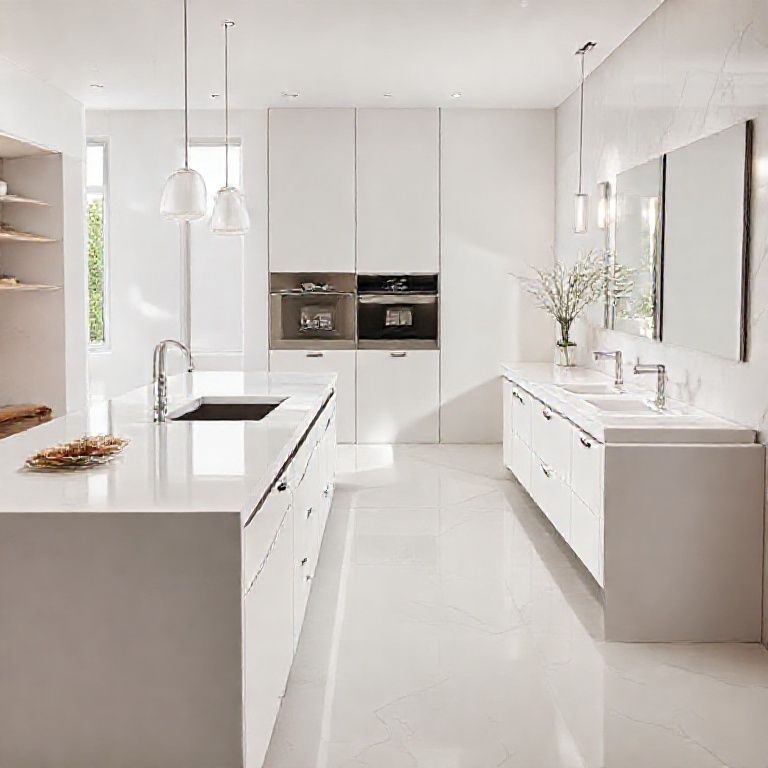
Discover the art of selecting the ideal stone for your floating window with our detailed guide. Learn about the best types of stones, their characteristics, and how to choose the right material to enhance the beauty and functionality of your space. Whether you’re a DIY enthusiast or a professional, this comprehensive article will provide you with all the information you need to make an informed decision.
floating window, stone materials, stone selection, stone types, natural stone, stone aesthetics, stone durability, stone installation, home improvement
Choosing the Perfect Stone for Your Floating Window: A Comprehensive Guide
When it comes to enhancing the beauty and functionality of your home, the choice of materials for your floating windows is paramount. One of the most striking elements that can elevate the elegance of your space is the selection of the right stone. Stones not only add a touch of natural beauty but also bring durability and longevity to your floating windows. This guide will delve into the various types of stones available, their characteristics, and how to choose the perfect one for your project.
Understanding Stone Types for Floating Windows
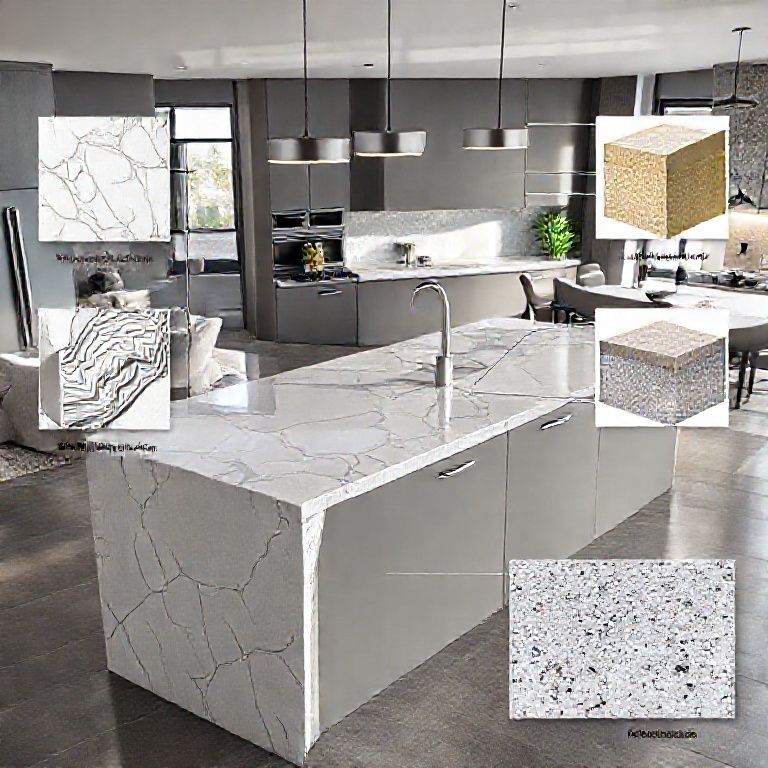
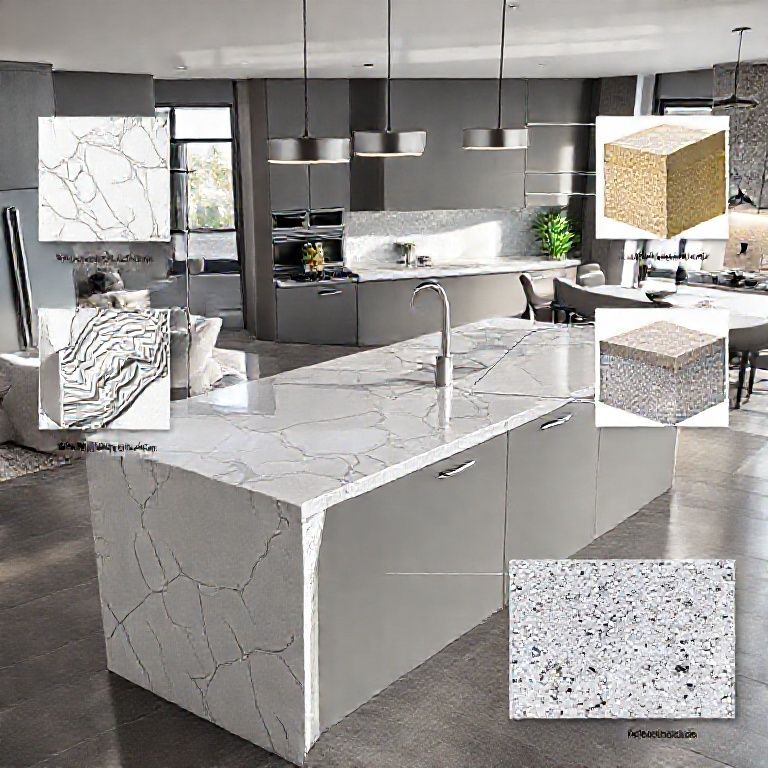
There are numerous types of stone materials that can be used for floating windows, each with its own unique attributes. The primary categories include natural stones like marble, granite, and slate, as well as engineered stones. Let’s explore these in detail.
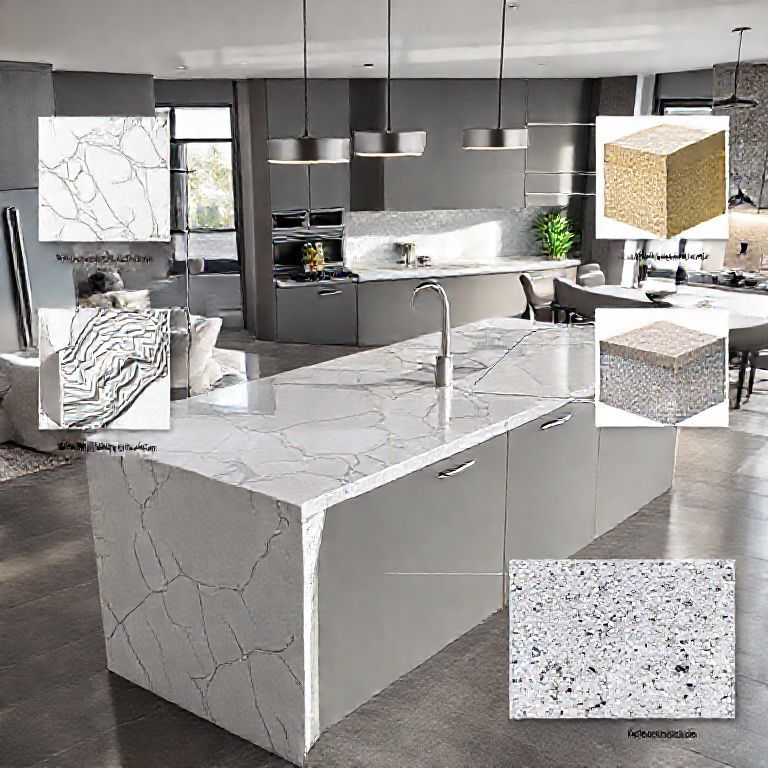
Marble: Marble is renowned for its luxurious appearance and versatility. It comes in a wide array of colors and patterns, making it an excellent choice for those who want to add a touch of opulence to their floating windows. Marble is relatively soft compared to other stones, so it requires regular maintenance to prevent scratches and stains.
Granite: Granite is one of the hardest natural stones available, which makes it highly durable and low-maintenance. Its unique and striking patterns make it an excellent choice for those who want to add a touch of rugged elegance to their floating windows. Granite is also resistant to staining and heat, making it a practical choice for high-traffic areas.
Slate: Slate offers a more affordable option compared to marble and granite. It is known for its fine-grained texture and natural color variations. Slate is relatively low-maintenance and can be used for both interior and exterior floating windows. Its versatility makes it suitable for a range of design styles.
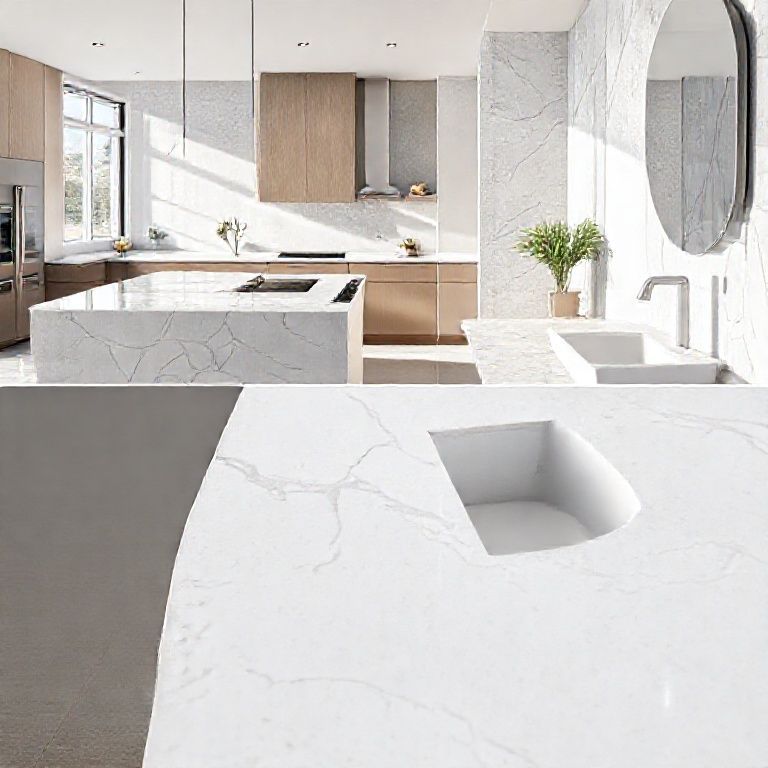
Engineered Stone: Engineered stone combines the best qualities of natural stone with the benefits of synthetic materials. It offers a wide range of colors and patterns while being more durable and easier to maintain than natural stone. Engineered stone is an excellent choice for those who want the look of natural stone without the upkeep.
Characteristics to Consider When Selecting Stone
When choosing the perfect stone for your floating windows, several key characteristics should be taken into account:
Durability: Durability is a crucial factor, especially if your floating window will be exposed to the elements. Stones like granite and engineered stone are known for their resilience, while marble requires more care to maintain its beauty.
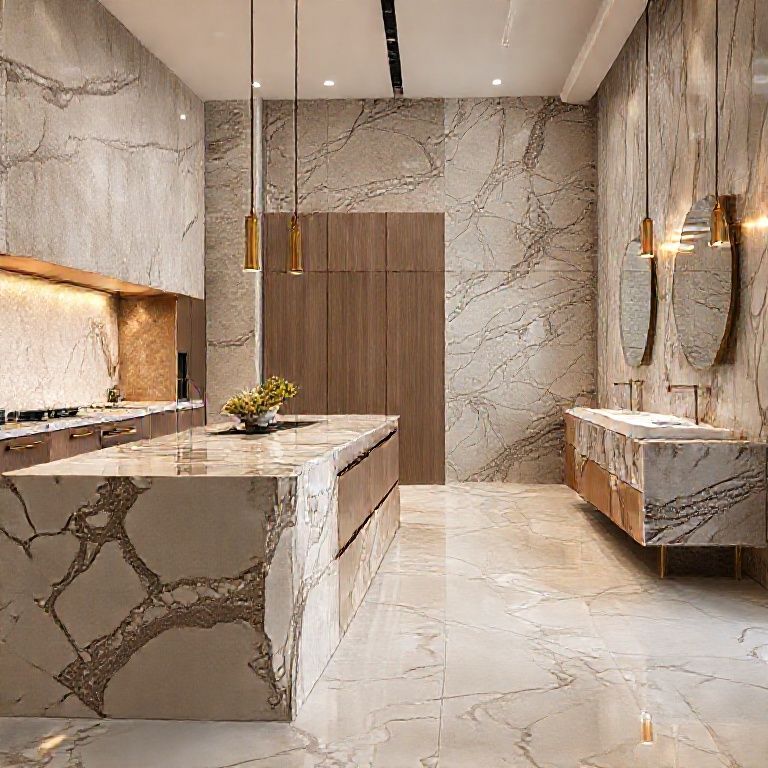
Maintenance: Different stones have different maintenance requirements. Marble, for example, needs regular sealing to prevent stains and scratches. Granite, on the other hand, is relatively low-maintenance and requires minimal cleaning.
Aesthetic Appeal: The aesthetic appeal of the stone should complement the overall design of your home. Marble can add a touch of luxury, while slate might offer a more rustic charm. Consider the color, pattern, and texture that will best suit your design vision.
Budget: Stone materials can vary widely in price. Natural stones like marble and granite tend to be more expensive than engineered stone or slate. Setting a budget before your selection process can help narrow down your options.
Tips for Choosing the Right Stone
Choosing the right stone for your floating windows involves careful consideration of various factors. Here are some tips to guide you:
Consult a Professional: If you’re unsure about which stone is best for your floating windows, consult with a professional stone expert. They can provide valuable insights based on your specific needs and preferences.
Sample Before You Buy: If possible, view samples of different stones before making a decision. This will give you a better idea of how they look in person and how they might interact with your existing decor.
Consider the Location: The location of your floating window will influence the type of stone you choose. For example, if it’s an exterior window, you’ll want to select a stone that can withstand weather conditions.
Test for Stains: Before finalizing your choice, test a small piece of the stone with different types of stains to see how it reacts. This will help you understand its resistance to spills and spills.
Think About Future Maintenance: Consider how much time and effort you’re willing to put into maintaining your stone. Some stones require more regular care than others, so choose a material that fits your lifestyle.
Choosing the Perfect Stone for Your Floating Window: A Comprehensive Guide
Continuing from our previous discussion on selecting the ideal stone for your floating windows, this part will delve deeper into specific stone types, installation tips, and additional considerations to ensure you make an informed decision that enhances your space’s beauty and functionality.
Detailed Exploration of Stone Types
Quartz: Quartz is an engineered stone that has gained popularity due to its durability and aesthetic appeal. It is made from a combination of natural stone powder and resin, resulting in a material that is more durable than natural stone while offering the beauty of various colors and patterns. Quartz is easy to maintain and resistant to stains and scratches, making it a practical choice for floating windows.
Travertine: Travertine is a natural stone that offers a unique, patterned surface. It is known for its warm, earthy tones and intricate veining. Travertine is moderately durable and requires regular sealing to maintain its beauty and resist stains. It can add a touch of natural elegance to your floating windows.
Calcite: Calcite is another natural stone that comes in various colors, including white, pink, and green. It is relatively soft and requires regular maintenance to prevent scratches and stains. However, its vibrant colors and unique patterns can add a striking element to your floating windows, especially if you prefer a more natural look.
Sandstone: Sandstone is a sedimentary rock that offers a rustic and earthy aesthetic. It is more affordable compared to other natural stones and has a unique texture and color variation. Sandstone is less durable than granite or quartz but can be a beautiful choice for a vintage or rustic design style.
Installation Tips for Floating Window Stones
When it comes to installing stone for your floating windows, there are several factors to consider to ensure a seamless and professional finish.
Measure Accurately: Accurate measurement is crucial for a successful installation. Measure the dimensions of your floating window carefully to ensure you purchase the correct size of stone.
Choose the Right Adhesive: The choice of adhesive is essential for securing the stone to your floating window. Use a high-quality, waterproof adhesive that is suitable for the type of stone you have chosen.
Cut the Stone Properly: If your stone needs to be cut to fit the floating window, ensure it is cut accurately. Use a high-quality stone cutter and follow the manufacturer’s instructions for cutting and shaping the stone.
Smooth the Edges: After cutting, smooth the edges of the stone to prevent any rough spots that could cause damage to the floating window mechanism. A stone file or sandpaper can be used for this purpose.
Seal the Stone: Once the stone is installed, it is essential to seal it to protect against stains and moisture. Follow the manufacturer’s instructions for sealing your specific type of stone.
Test the Installation: Before finalizing the installation, test the floating window to ensure it operates smoothly. Make sure the stone is securely attached and does not interfere with the window’s movement.
Additional Considerations
When choosing the stone for your floating windows, it’s important to consider additional factors that will influence the overall outcome.
Climate: The climate in which your floating window is located can impact your stone choice. In areas with harsh weather conditions, opt for more durable stones like granite or engineered stone.
Budget: As mentioned earlier, stone materials vary significantly in price. Set a realistic budget and explore different options within that range to find the best value for your investment.
Style Compatibility: Ensure that the stone you choose complements the overall style of your home. Whether you prefer a modern, rustic, or traditional look, the stone should align with your design vision.
Sustainability: If sustainability is a concern, consider eco-friendly stone options. Some natural stones are sourced responsibly, and engineered stones can offer a more sustainable alternative by reducing waste from traditional quarrying processes.
Future-Proofing: Think about the long-term durability and maintenance requirements of the stone. While a high-maintenance stone might look beautiful now, its upkeep could become a hassle over time. Choose a stone that offers a good balance between aesthetics and practicality.
Conclusion
Selecting the perfect stone for your floating windows is an art that combines aesthetic appeal with practical considerations. By understanding the different types of stones available, their characteristics, and installation tips, you can make an informed decision that enhances the beauty and functionality of your space. Whether you opt for the timeless elegance of marble, the rugged durability of granite, or the affordable charm of slate, the right stone can transform your floating windows into a stunning focal point in your home. Always remember to consider factors like durability, maintenance, and budget to ensure you choose the best material for你的浮窗选择石材的过程是非常重要的,因为石材不仅能提升整体美感,还能为你的空间带来耐用性和维护便利性。
在本部分,我们将深入探讨一些实际的应用和最佳实践,帮助你做出最适合你的选择。
实际应用中的石材选择
1. 客厅浮窗石材选择
大理石: 如果你追求奢华感,大理石是一个很好的选择。它的光滑和细腻质感能增添空间的高贵感。但是,大理石需要定期保养以防止污渍和刮痕。
花岗岩: 这是一个耐用且低维护的选择,非常适合高流量的客厅区域。它的坚硬性使其能够承受日常磨损。
人造石: 如果你希望获得大理石或花岗岩的外观,而又不想承担高维护成本,人造石可能是一个理想的选择。它具有类似的外观,但通常更耐用且易于清洁。
2. 厨房浮窗石材选择
厨房是一个需要耐用和易清洁材料的区域,因为它经常暴露在油烟、水和食物溅洒中。
花岗岩: 花岗岩是厨房浮窗的绝佳选择,因为它耐污渍且易于清洁。它的耐热性使其能够承受烹饪过程中的温度波动。
石英石: 石英石是一种现代且耐用的人造石材,具有极高的耐刮擦性和耐污渍性。它的多样颜色和图案使其能够适应各种厨房设计。
玻璃: 玻璃浮窗也是一个不错的选择,特别是在现代或简约设计中。它易于清洁,但需要注意避免高温和尖锐物体,以防破损。
3. 浴室浮窗石材选择
浴室需要石材的防水性和耐湿性,因为这里的环境最为潮湿。
大理石: 虽然大理石需要特别的保养以防止水分侵入,但在设计上,它能够为浴室增添一丝奢华感。
花岗岩: 花岗岩是一个耐用且防水的选择,适合浴室环境。它不容易吸收水分,因此不易发霉和霉菌。
石英石: 石英石不仅耐水,而且非常易于清洁,使其成为浴室的理想选择。
最佳实践和建议
1. 专业咨询
无论你选择哪种石材,都建议咨询专业石材供应商或安装人员。他们可以提供有关石材适用性、安装方法和维护建议的专业意见。
2. 样品测试
在做出最终决定之前,可以获取并测试小样品。这有助于你了解石材的实际颜色、质感和耐用性,并确保它与你的设计方案完美契合。
3. 预算规划
石材的价格差异很大,从几十美元到几千美元不等。在做决定之前,制定一个详细的预算,并考虑到安装和未来维护的费用。
4. 环保和可持续性
考虑使用环保和可持续的石材。有些石材供应商提供来自可持续采矿的产品,这不仅对环境友好,还可能在长期内节省维护成本。
5. 防护措施
无论你选择哪种石材,都应该采取适当的防护措施。例如,使用石材保护剂来防止污渍和刮痕,特别是在厨房和浴室等高流量区域。
结论
浮窗的石材选择不仅关乎美观,还涉及到耐用性、维护和实用性。通过了解不同石材的特性和应用场景,并结合专业意见和个人需求,你可以选择最适合你空间的材料。无论是客厅、厨房还是浴室,合适的石材都能为你的家增添独特的魅力和持久的美感。