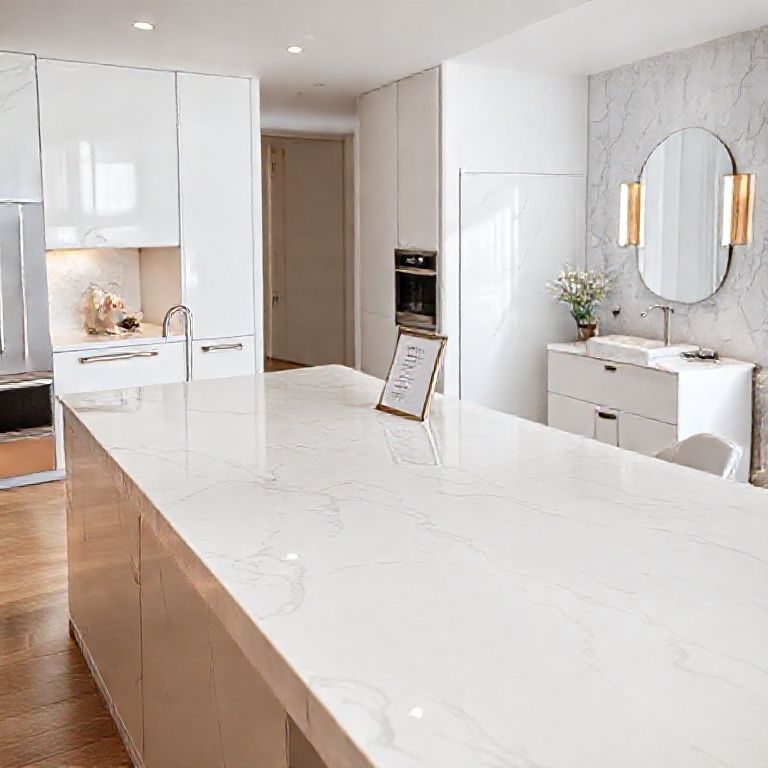
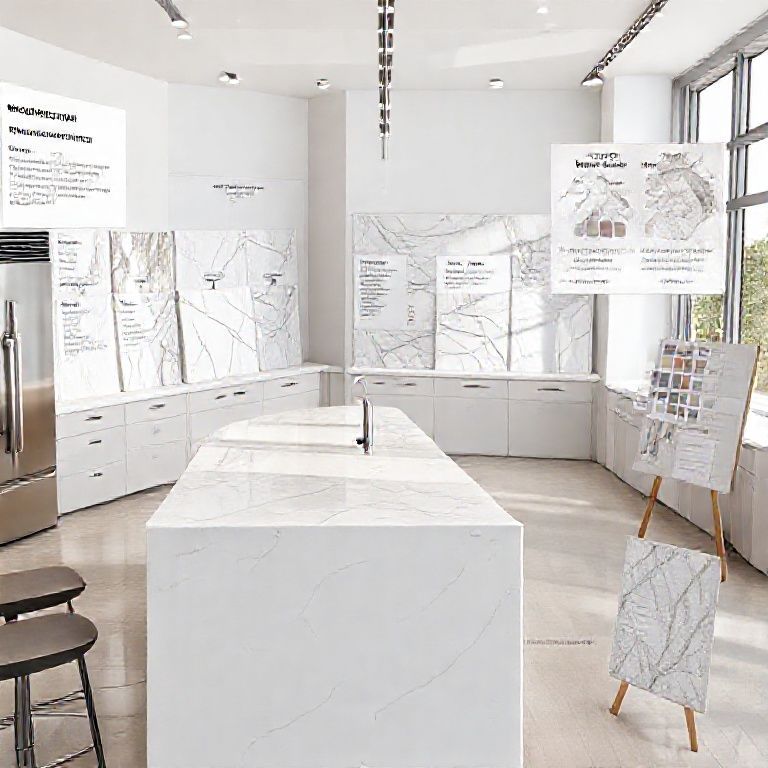
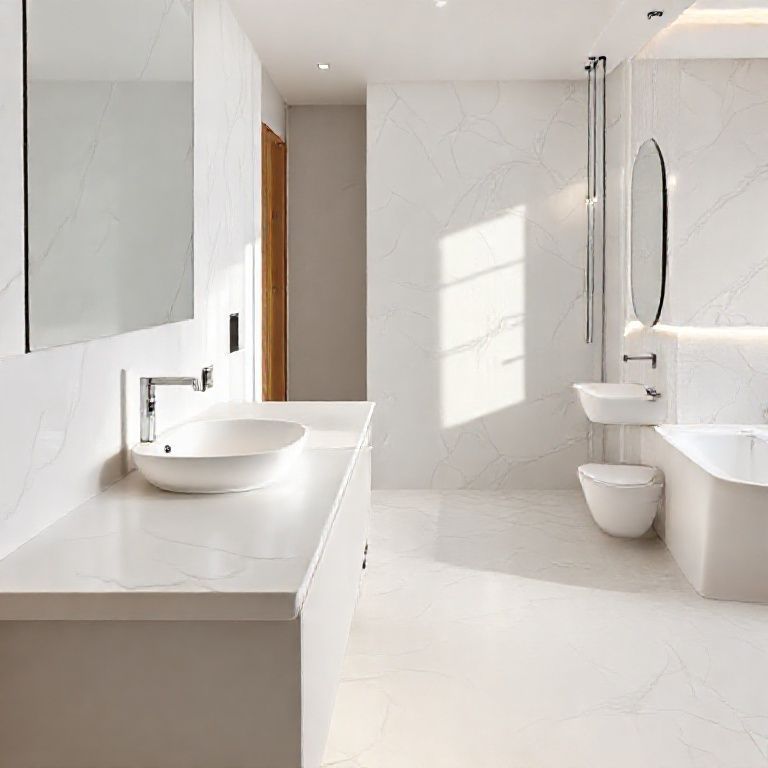
In the world of luxury and timeless elegance, marble stands as a symbol of sophistication and grandeur. However, with age and the rigors of daily use, marble surfaces can suffer from wear and tear, losing their original luster and beauty. To rejuvenate these stunning surfaces, a meticulous marble renovation construction plan and process is essential. This guide will walk you through the initial stages of preparation and assessment, crucial for achieving a flawless finish.
1. Understanding the Importance of Marble Renovation
Marble, despite its durability, is prone to stains, scratches, and discoloration over time. These imperfections can detract from its natural beauty and reduce its value. Renovation is not just about restoring appearance; it’s about reviving the stone’s original luster and prolonging its lifespan. Proper renovation techniques ensure that marble surfaces remain pristine, showcasing their natural beauty and elegance for years to come.
2. Initial Assessment and Planning
The first step in any marble renovation project is a thorough assessment of the existing condition of the marble surfaces. This involves:
Visual Inspection: A comprehensive visual inspection to identify stains, scratches, chips, and other imperfections. Special attention should be paid to areas that are frequently exposed to spills and foot traffic.
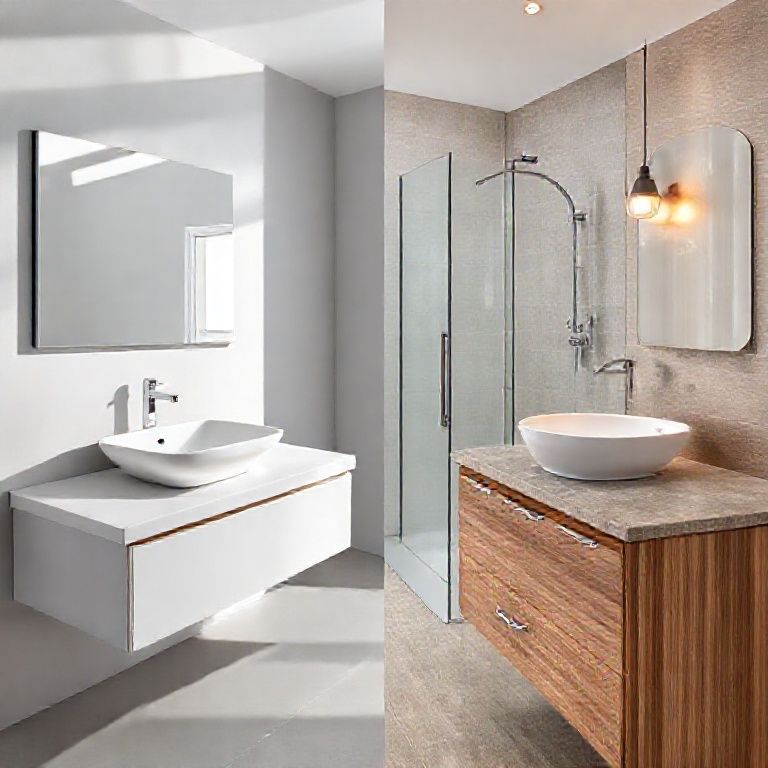
Material Analysis: Identifying the type of marble used. Different marbles may require different renovation techniques. Consulting with a professional can provide insights into the best approach for your specific marble type.
Historical Context: Understanding the history of the marble installation, including previous maintenance and any known issues, can help in planning the renovation process more effectively.
Based on this assessment, a detailed renovation plan is developed. This plan includes the scope of work, materials required, expected timeline, and budget. Clear planning ensures that the renovation process is smooth and meets the desired outcomes.

3. Safety and Preparation
Safety is paramount in any renovation project. Here’s how to prepare:
Protective Gear: Ensure that all workers wear appropriate protective gear, including gloves, masks, and safety goggles, to protect against dust and chemicals.
Work Area Preparation: Clear the work area of any unnecessary items. Use drop cloths and plastic sheeting to protect surrounding surfaces from dust and debris.
Ventilation: Proper ventilation is crucial to ensure that any fumes from cleaning agents or polishing compounds are safely dissipated. Open windows and use fans to maintain airflow.
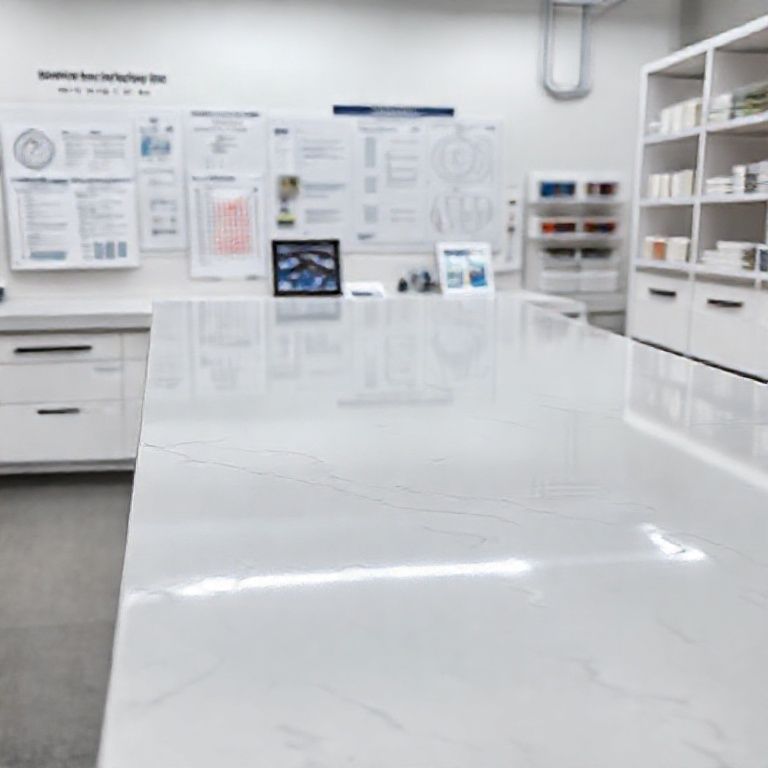
4. Cleaning and Surface Preparation
Cleaning is the cornerstone of marble renovation. The goal is to remove dirt, grime, and stains without damaging the surface. Here’s a step-by-step approach:
Initial Cleaning: Start with a gentle cleaning using a soft cloth and a mild, pH-neutral cleaner. This removes surface dirt and grime without affecting the marble’s surface.
Deep Cleaning: For deeper stains, a stronger cleaner or a marble cleaner specifically designed for the type of marble is used. Always test on a small, inconspicuous area first to ensure it does not damage or discolor the stone.
Rinse and Dry: Thoroughly rinse the surface to remove any cleaning agents, and then dry it with a clean, soft cloth. Moisture left on the surface can lead to new stains and growth of mold and mildew.
5. Repair and Restoration
Once the marble is clean, the next step is to address any physical damage:
Filling Cracks and Chips: Small cracks and chips can be filled using a marble filler that matches the stone’s color. This is done using a putty knife, and the filled areas are then polished to blend seamlessly with the surrounding surface.
Polishing: Polishing restores the marble’s shine and smoothness. This process involves using progressively finer abrasives to remove any scratches and achieve a high-gloss finish. The use of buffing machines and hand-polishing tools ensures precision and care.
Conclusion
The initial stages of marble renovation set the foundation for a successful project. From careful assessment and planning to thorough cleaning and preparation, each step is crucial in restoring marble to its former glory. By following these steps meticulously, you ensure that the marble renovation process is effective, preserving the beauty and elegance of this timeless material.
Stay tuned for part 2, where we will delve into the advanced techniques and finishing touches that complete the marble renovation process, ensuring a flawless and enduring result.
Building upon the foundation laid in the initial stages of marble renovation, this part of the guide focuses on advanced techniques and finishing touches that ensure a flawless and enduring finish. These steps are crucial for bringing out the full beauty and elegance of the marble, protecting it from future damage, and maintaining its pristine condition.
1. Advanced Cleaning Techniques
While initial cleaning is essential, advanced cleaning techniques are necessary to address deeper stains and ensure the marble is thoroughly clean before polishing.
Ultrasonic Cleaning: Ultrasonic cleaners use high-frequency sound waves to remove deep-seated stains and dirt. This method is especially effective for intricate designs and small surfaces where traditional scrubbing might not reach.
Chemical Treatments: For particularly stubborn stains, chemical treatments may be necessary. These are carefully chosen and applied to ensure they do not damage the marble but effectively remove stains.
Rinse and Dry: After advanced cleaning, it’s vital to rinse the marble thoroughly to remove any chemical residues and dry it completely to prevent water spots and future staining.
2. Polishing and Finishing
Polishing is the critical step that brings the marble’s beauty to life. Here’s how to achieve the best results:
Use of Polishing Pads and Compounds: Polishing pads and compounds are used in a sequence of increasing fineness. Starting with a coarse pad and compound, you gradually move to finer pads and compounds to remove scratches and achieve a high-gloss finish.
Buffing Machines: Buffing machines are powerful tools that use rotating pads to polish large surfaces quickly and efficiently. They are essential for large installations where manual polishing would be time-consuming.
Hand-Polishing: For intricate and small areas, hand-polishing with fine polishing pads and compounds is necessary. This meticulous process ensures that every nook and cranny is polished to perfection.
3. Protective Coatings and Sealant Application
To ensure the longevity of the renovated marble, applying a protective coating or sealant is crucial.
Sealants: Sealants create a protective barrier on the marble surface, preventing stains, spills, and scratches from penetrating the stone. They are available in various levels of gloss and can be tailored to the specific needs of the marble.
Application Process: Applying sealants requires careful preparation. The surface must be clean, dry, and free of any residues. The sealant is usually applied in multiple coats, with each coat allowed to cure before applying the next. Proper curing times are essential to ensure the sealant adheres correctly and provides maximum protection.
Curing: Curing is the process of allowing the sealant to dry and harden. This can take several hours to a day, depending on the product used. Proper curing ensures that the sealant forms a durable and effective protective layer.
4. Final Inspection and Touch-ups
Once the polishing and sealing processes are complete, a final inspection is necessary to ensure everything is done to perfection.
Inspection: A thorough inspection checks for any missed spots, uneven polishing, or areas that need touch-ups. This step is crucial to ensure the marble looks flawless and meets the desired standards.
Touch-ups: Any imperfections identified during the inspection are addressed with touch-ups. This might involve re-polishing small areas or reapplying sealant to ensure a uniform finish.
5. Maintenance and Care
Proper maintenance and care are essential to keep the renovated marble looking its best.
Regular Cleaning: Regular cleaning with pH-neutral cleaners and soft cloths helps maintain the marble’s shine and prevents the buildup of dirt and grime.
Immediate Spill Management: Promptly addressing spills and stains when they occur prevents them from penetrating the marble and becoming permanent. Using appropriate cleaning products and methods ensures the marble remains protected.
Avoiding Harsh Chemicals: Avoid using harsh chemicals or abrasive cleaners on the marble, as these can damage the surface. Always opt for products specifically designed for marble care.
Conclusion
Achieving a flawless and enduring finish in marble renovation requires advanced techniques and meticulous attention to detail. From advanced cleaning and polishing to the application of protective coatings and thorough inspections, each step plays a vital role in restoring and preserving the beauty and elegance of marble. By following these steps, you can ensure that your marble surfaces remain stunning and resilient, continuing to be a centerpiece of beauty在进一步完善和扩展您的大理石翻新施工方案和流程时,可以考虑以下几个关键方面,以确保项目能够高效、安全并达到最佳效果。
6. Project Management and Coordination
Effective project management and coordination are crucial to ensure the renovation process runs smoothly and efficiently.
Project Timeline: Develop a detailed project timeline that includes all stages of the renovation process, from initial assessment to final inspection. This timeline should outline key milestones and deadlines.
Team Coordination: Ensure that all team members, including project managers, cleaning specialists, polishers, and quality inspectors, are well-coordinated. Regular meetings and updates can help keep everyone aligned with the project goals and progress.
Communication Plan: Establish a clear communication plan to keep all stakeholders informed. This includes regular status updates, meeting schedules, and a point of contact for any issues that arise.
7. Quality Control and Inspection
Quality control is essential to ensure that the marble renovation meets the highest standards.
Regular Inspections: Conduct regular inspections during each stage of the renovation process to identify and address any issues promptly. This includes visual inspections, surface texture checks, and polish quality assessments.
Final Inspection: Before the project is considered complete, a final inspection should be conducted to ensure all areas meet the agreed-upon quality standards. This step includes checking for uniformity in polishing, absence of scratches, and proper application of sealants.
Customer Feedback: Obtain feedback from the client at various stages to ensure their expectations are being met. This can help make necessary adjustments before the final inspection.
8. Documentation and Reporting
Documentation is critical for maintaining records of the renovation process and ensuring accountability.
Detailed Reports: Prepare detailed reports at each stage of the renovation process, including assessments, cleaning and polishing techniques used, materials applied, and any issues encountered. These reports should be shared with the client for transparency.
Before and After Documentation: Document the marble surfaces before and after renovation with high-quality photographs. These visual records can serve as a reference for future maintenance and as evidence of the quality of work.
Compliance and Certification: Ensure that all renovation techniques and materials used comply with industry standards and regulations. Obtain any necessary certifications to demonstrate adherence to quality and safety standards.
9. Post-Renovation Care and Maintenance
Proper post-renovation care and maintenance are crucial to preserving the renovated marble surfaces.
Maintenance Schedule: Develop a maintenance schedule that includes regular cleaning, periodic inspections, and reapplication of sealants as needed. This schedule should be shared with the client and integrated into their regular home or office maintenance routine.
Cleaning Products: Provide the client with recommendations for suitable cleaning products that are pH-neutral and safe for marble. Educate them on the proper techniques for cleaning the marble to maintain its appearance.
Emergency Plan: Create an emergency plan for dealing with spills or accidents that might occur post-renovation. This plan should include immediate steps to take and contact information for professional help if needed.
10. Training and Skill Development for Staff
Ongoing training and skill development for your renovation team are essential to maintain high-quality service.
Workshops and Seminars: Organize regular workshops and seminars for your staff to stay updated with the latest techniques, materials, and industry trends in marble renovation.
Certification Courses: Encourage your team to pursue certification courses in marble restoration and polishing. These courses can enhance their skills and credibility.
Performance Reviews: Conduct regular performance reviews to identify areas for improvement and recognize top performers. This feedback can help drive continuous improvement in your services.
By incorporating these advanced strategies into your marble renovation plan and process, you can ensure a comprehensive, high-quality, and client-satisfactory renovation experience.