Unveiling the Beauty and Benefits of Synthetic Marble
In the realm of interior design, synthetic marble, or 人造大理石, stands out as a versatile and exquisite choice. Its impeccable appearance and myriad benefits make it a popular choice among homeowners, designers, and contractors seeking to elevate their spaces with a touch of luxury and durability.
The Allure of Synthetic Marble
Synthetic marble is a marvel of modern technology, combining the classic appeal of natural marble with the durability and versatility of contemporary materials. Unlike natural stone, synthetic marble is crafted through a meticulous process that mimics the intricate patterns and rich hues of real marble, resulting in a stunning, high-quality alternative.
Why Choose Synthetic Marble?
Durability and Longevity: One of the most significant advantages of synthetic marble is its exceptional durability. It is resistant to scratches, stains, and chips, making it an ideal choice for high-traffic areas such as kitchens and bathrooms. Unlike natural marble, which can be prone to damage from everyday wear and tear, synthetic marble maintains its pristine appearance for years to come.
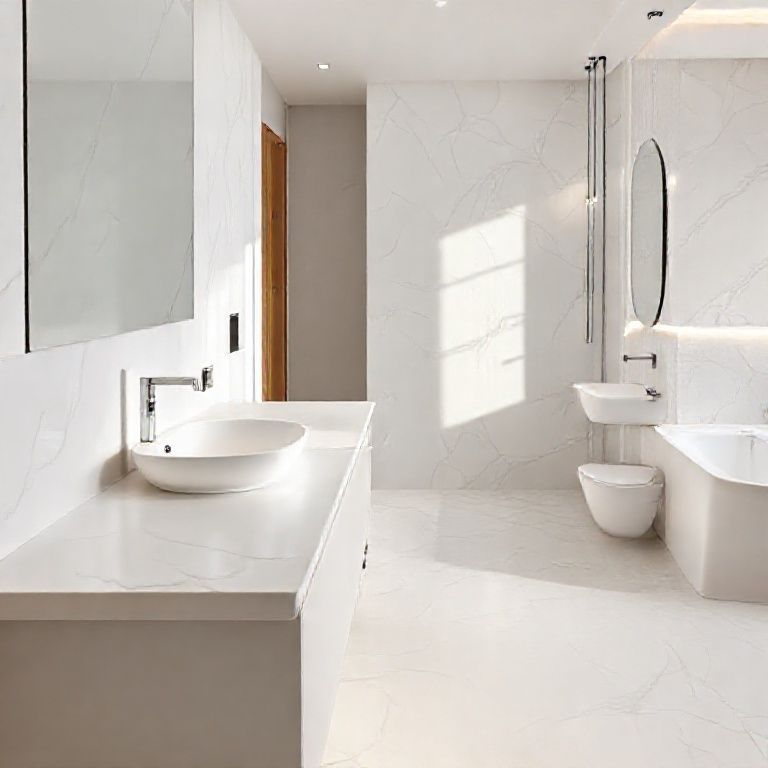
Customization and Versatility: The beauty of synthetic marble lies in its ability to be customized to suit any design vision. From subtle veining to bold, geometric patterns, synthetic marble can be engineered to replicate any natural marble look or to create entirely unique designs. This versatility makes it suitable for various applications, including countertops, tiles, flooring, and even decorative elements.
Cost-Effectiveness: While the initial investment in synthetic marble may be higher than some other materials, its long-lasting nature and low maintenance requirements make it a cost-effective choice over time. Additionally, the pricing for synthetic marble is generally more predictable and can be more accessible than the fluctuating prices of natural stone.
Applications of Synthetic Marble
Synthetic marble is incredibly versatile and can be used in a wide range of settings to add elegance and sophistication. Here are some of the most popular applications:
Kitchen Countertops
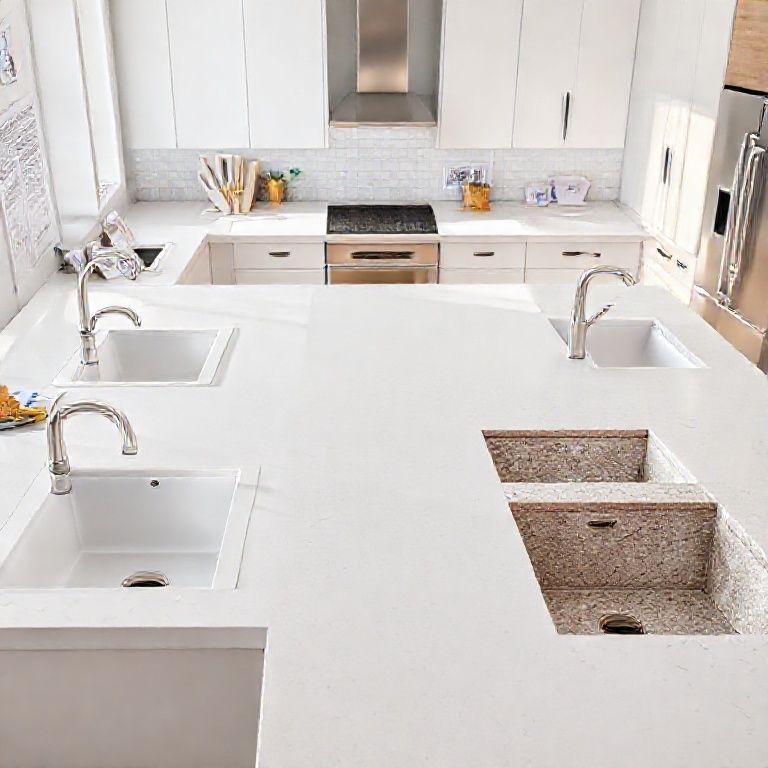
In kitchens, synthetic marble countertops offer a blend of beauty and functionality. They provide a luxurious look that enhances the aesthetic appeal of the space while being highly durable and easy to clean. The customizable nature of synthetic marble means you can choose a design that complements your kitchen’s style and meets your functional needs.
Bathroom Tiles and Vanities
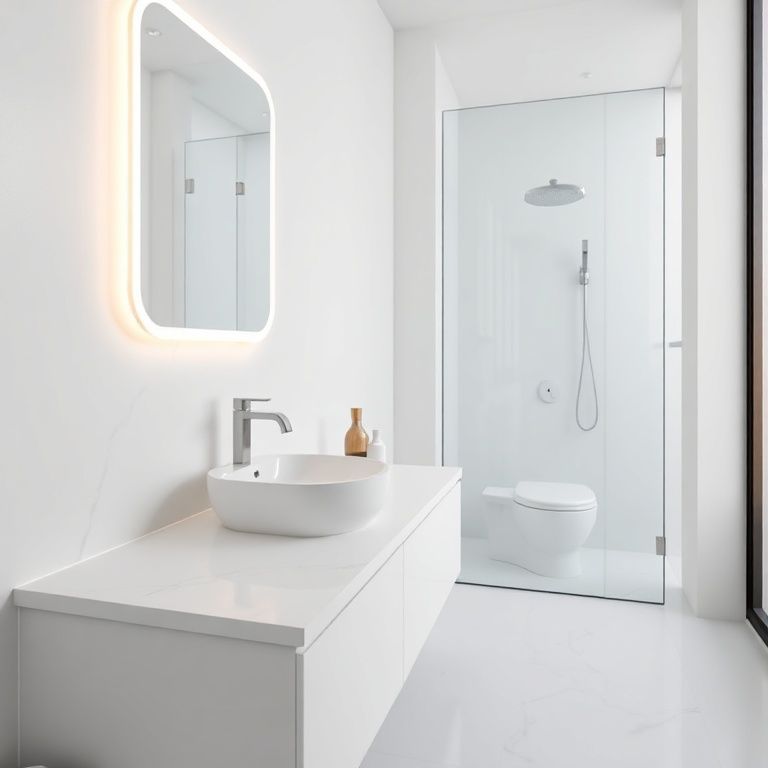
Bathrooms are another prime location for synthetic marble. Its water-resistant properties make it an excellent choice for tiles and vanities, ensuring that it can withstand the humidity and moisture typical in bathroom environments. Synthetic marble’s ability to mimic natural stone patterns also allows for a cohesive design that blends seamlessly with other bathroom elements.
Flooring
For flooring, synthetic marble offers a durable and stylish alternative to traditional materials. Its resistance to scratches and stains makes it a practical choice for both residential and commercial spaces. Whether used in high-end homes or commercial buildings, synthetic marble flooring provides a sophisticated look that enhances the overall ambiance.
Decorative Elements
Beyond functional applications, synthetic marble can be used for decorative purposes, such as in fountains, sculptures, and wall accents. Its ability to be crafted into intricate designs makes it perfect for adding unique and eye-catching elements to any space.
The Pricing of Synthetic Marble
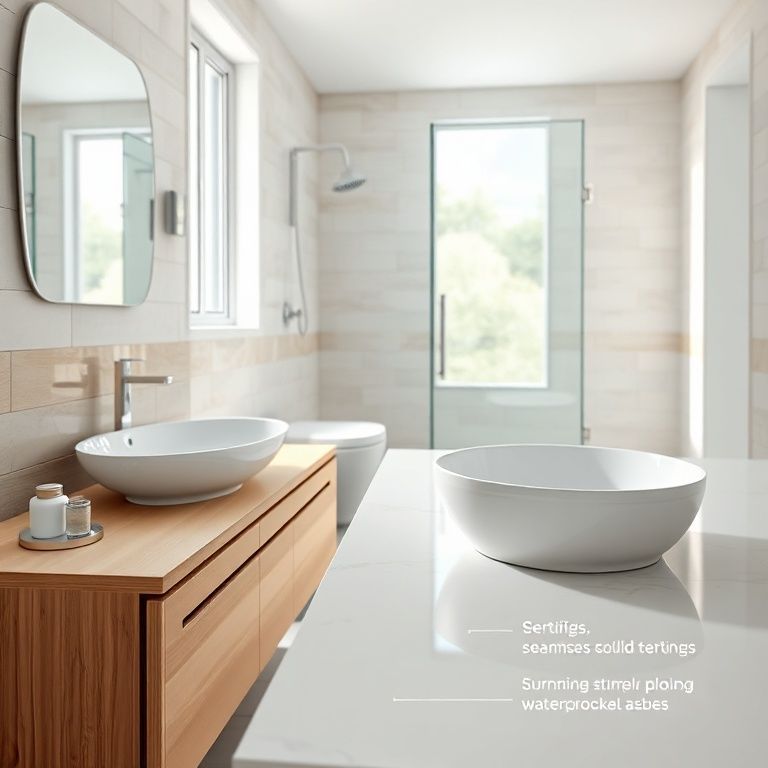
Understanding the pricing of synthetic marble is crucial for anyone considering this material for their project. The cost of synthetic marble can vary based on several factors, including the type of material, the complexity of the design, and the manufacturer.
Factors Influencing Synthetic Marble Pricing
Material Composition: Synthetic marble is typically made from a combination of resin, pigments, and other additives. The quality and type of these components can significantly affect the price. High-quality materials with advanced additives tend to be more expensive but offer superior durability and appearance.
Design Complexity: The more intricate the design, the higher the cost. Custom patterns and colors require more time and expertise to produce, leading to increased pricing. Simple, uniform designs are generally more affordable.
Manufacturer Reputation: Established manufacturers with a strong reputation for quality and innovation often charge a premium for their products. However, their superior materials and craftsmanship ensure a better overall value.
Quantity: The amount of synthetic marble needed for a project also influences the pricing. Larger projects typically benefit from bulk pricing, which can reduce the overall cost per square foot.
Installation Costs: While not directly related to the cost of the material, installation costs can impact the overall project budget. Professional installation ensures proper application and can help avoid potential issues down the line.
Conclusion
Synthetic marble is a remarkable material that offers the timeless elegance of natural marble with the added benefits of durability, versatility, and cost-effectiveness. Whether you’re looking to enhance your kitchen, bathroom, or any other space in your home, synthetic marble provides a luxurious and practical solution. Understanding the factors that influence its pricing can help you make an informed decision and ensure you get the best value for your investment.
In the next part of this guide, we will delve deeper into the installation process, maintenance tips, and the environmental impact of synthetic marble, providing you with a comprehensive understanding of this stunning material.
Mastering Installation, Maintenance, and Sustainability of Synthetic Marble
In the previous part, we explored the allure, benefits, and pricing of synthetic marble. Now, let’s delve deeper into the installation process, maintenance tips, and the environmental impact of synthetic marble, ensuring you have all the knowledge needed to make the most of this luxurious material.
Mastering Synthetic Marble Installation
Proper installation is crucial to ensure the longevity and aesthetic appeal of synthetic marble. Whether you’re planning to install synthetic marble countertops, tiles, or flooring, professional installation is recommended to achieve optimal results.
Professional vs. DIY Installation
Professional Installation: Hiring experienced professionals ensures that the synthetic marble is installed correctly, minimizing the risk of damage and ensuring a flawless finish. Professionals have the expertise to handle the material’s unique properties and can address any potential issues that may arise during installation.
DIY Installation: For those who prefer a hands-on approach, DIY installation is an option. However, it requires careful attention to detail and a good understanding of the installation process. If you choose to go this route, make sure to follow manufacturer guidelines meticulously and consider consulting with experts for any complex installations.
Steps to Install Synthetic Marble
Preparation: Before installation, prepare the surface where the synthetic marble will be placed. Ensure it is clean, dry, and free of any debris. If you’re installing on a countertop, check that the underlying structure can support the weight of the marble.
Cutting and Fitting: Use a wet saw to cut the synthetic marble to the desired size. When fitting the pieces together, use a high-quality adhesive designed for synthetic marble to secure the joints. Allow the adhesive to cure according to the manufacturer’s instructions.
Sealing: Once the synthetic marble is securely in place, apply a high-quality sealant to protect the surface from stains and spills. Follow the manufacturer’s recommendations for sealing, ensuring even application and proper curing time.
Maintenance Tips for Synthetic Marble
Proper maintenance is essential to keep synthetic marble looking its best and to ensure its longevity. Here are some key tips for maintaining your synthetic marble surfaces:
Regular Cleaning
Daily Cleaning: Use a soft, damp cloth with a mild detergent to clean synthetic marble daily. Avoid using abrasive cleaners or sponges that can scratch the surface.
Deep Cleaning: For more thorough cleaning, consider using a specialized marble cleaner or a solution of equal parts water and vinegar. Apply the solution with a soft cloth, rinse thoroughly, and dry with a clean cloth.
Handling Stains and Spills
Immediate Action: For spills and stains, act quickly to prevent them from setting in. Blot the spill with a clean, dry cloth and apply a small amount of cleaner to the affected area. Rinse with water and dry immediately.
Regular Maintenance: To prevent stains, regularly clean and seal the synthetic marble surfaces. Use coasters and placemats to protect the surface from spills and heat.
Avoiding Damage
Heat and Sharp Objects: Avoid placing hot items directly on synthetic marble surfaces. Use trivets or heat-resistant pads for hot dishes. Additionally, be cautious with sharp objects to prevent scratches.
Proper Tools: When cutting synthetic marble, use a wet saw and wear protective eyewear. Always use the appropriate tools and techniques recommended by the manufacturer.
Environmental Impact of Synthetic Marble
The production and use of synthetic marble have various environmental implications, which are important to consider in today’s eco-conscious world.
Manufacturing Process
1. 原材料来源
在生产合成大理石时,主要原材料包括树脂、色料和其他化学添加剂。这些原材料的生产过程中可能会产生一定的环境影响,例如碳排放和废水排放。相比于采石场的开采,这些影响可能相对较小。
2. 能源消耗
生产合成大理石的工艺通常需要高温和高压,这些工艺在能源消耗方面可能较高。如果使用的是化石燃料来提供能源,这将进一步增加碳排放。不过,现代工厂越来越多地采用可再生能源来降低碳足迹。
3. 废弃处理
尽管合成大理石在使用寿命上比天然大理石更长,但当它最终需要处理时,也会产生废弃物。这些废弃物如果不能被有效回收和处理,可能会对环境造成污染。目前许多厂家已经开始探索如何将废弃材料再利用,以减少环境负担。
4. 对比天然大理石
相比于天然大理石,合成大理石的生产过程对环境的影响可能较小。天然大理石的开采会对生态环境造成破坏,包括植被破坏、水土流失和生物栖息地的破坏。天然大理石的开采也会导致矿山废弃地的问题。
5. 可持续发展
随着环保意识的提升,合成大理石的生产商也在积极探索更加环保的生产工艺。例如,采用低能耗工艺、减少废水和废气排放、使用可再生材料等。这些努力有助于降低生产过程中对环境的负面影响。
6. 产品寿命
合成大理石通常具有较长的使用寿命,减少了频繁更换的需求,从而降低了资源消耗和废弃物产生的可能性。这对于整个生命周期的环境影响都是一种积极的影响。
7. 再生和回收
尽管合成大理石在使用寿命结束时可能会产生废弃物,但一些高级工艺已经在探索如何将其再生或回收利用。例如,将废弃的合成大理石粉碎后重新制成新的产品,这不仅减少了废弃物,还能节约原材料。
虽然合成大理石的生产和使用也会对环境产生一些影响,但通过技术进步和环保意识的提升,这些影响正在被逐步降低。对于环保和可持续发展的关注,使得合成大理石在未来有更广阔的发展前景。