The Timeless Beauty and Versatility of Marble
Marble has long been revered for its timeless beauty and versatility, making it a preferred choice for both residential and commercial spaces. Known for its luxurious appearance and durability, marble continues to capture the hearts of architects, designers, and homeowners alike. But what drives its popularity, and how do we navigate its pricing to get the best value?
1. The Allure of Marble
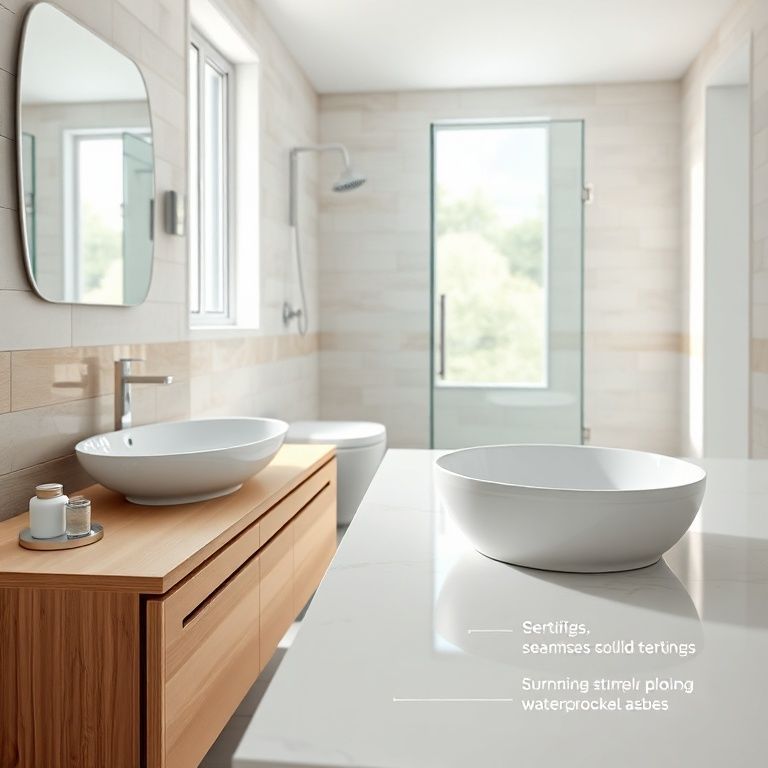
Marble is a metamorphic rock derived from limestone, characterized by its unique and exquisite patterns. Its natural veining and color variations make each piece unique, offering a distinct charm that no other material can replicate. Marble’s appeal lies not just in its aesthetic appeal but also in its versatility. It can be used in various settings, from kitchen countertops and bathroom vanities to flooring, wall cladding, and even in monumental sculptures.
2. The Varieties of Marble
There are numerous types of marble, each offering its own distinct beauty and suitability for different applications. Some popular varieties include:
Italian Marble: Renowned for its rich colors and intricate patterns, Italian marble, such as Carrara, is often used in high-end projects. Turkish Marble: Known for its stunning colors and durability, Turkish marble is a favorite for flooring and large architectural projects. Indian Marble: Offers a wide range of colors and is often used for both interior and exterior applications. Egyptian Marble: Famous for its historical significance and stunning hues, it is often used in both modern and classic designs.
3. Factors Influencing Marble Prices
The cost of marble per square meter, or “大理石价格多少一平方,” varies based on several factors:
Type of Marble: Different types of marble come with different price tags. For instance, high-end Italian marble tends to be more expensive than other varieties. Color and Pattern: Marbles with rare and unique patterns or vibrant colors often cost more. Quality and Grade: The quality of marble, including its texture, density, and overall aesthetic, significantly impacts its price. Surface Finish: The finish of the marble, whether it’s polished, honed, or natural, can affect the cost. Transport and Installation: Costs can also vary based on the distance from the marble source and the complexity of the installation.
4. The Investment in Marble
Investing in marble is not just about its immediate beauty but also its long-term value. Marble is known for its durability and low maintenance, which makes it a cost-effective choice over time. Its resistance to stains and scratches ensures that it maintains its elegance for many years, providing a return on investment through its enduring appeal.
5. Marble in Contemporary Design
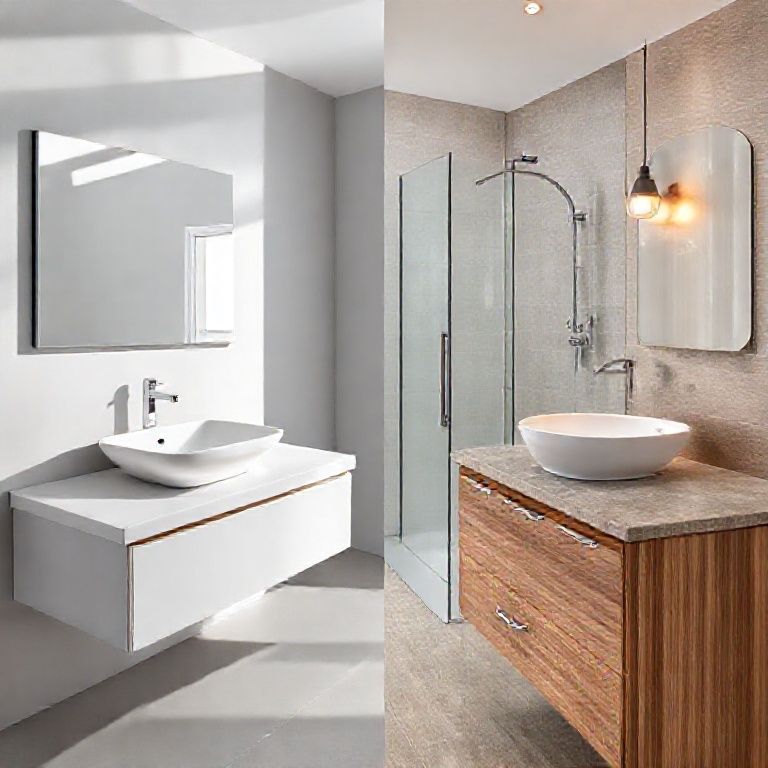
In modern design, marble is used to create focal points and add a touch of sophistication. Whether it’s a sleek kitchen island, a luxurious bathroom, or a grand staircase, marble’s presence adds a timeless elegance that modern spaces crave. Its adaptability allows it to complement various design styles, from minimalist to opulent.
Conclusion
The beauty of marble lies in its unparalleled aesthetic and versatile application. Understanding the factors that influence “大理石价格多少一平方” helps in making an informed decision to achieve both beauty and value in your design project. As we continue to explore the intricacies of marble pricing in the next part, we’ll delve deeper into specific cost considerations and trends that will guide you further in your marble selection journey.
Unveiling the Nuances of Marble Pricing
When it comes to marble, “大理石价格多少一平方” (how much does marble cost per square meter) can vary widely based on several nuanced factors. This deep dive will explore the specifics that influence marble pricing, providing you with a comprehensive guide to navigate the market confidently.
1. Regional Variations in Marble Prices
Marble prices can differ significantly depending on the region. This variance is influenced by factors such as the cost of extraction, transportation, and local demand. For instance, marble from Italy, a leading producer, tends to be more expensive than marble sourced from other countries due to its high demand and quality.
Europe: Countries like Italy, Greece, and France offer high-quality marble but come with a higher price tag due to their reputation and the costs associated with their production processes. Asia: China, India, and Turkey are major producers of marble, offering a wide range of options at various price points. While these regions provide cost-effective solutions, the quality can vary widely. North America: The cost of importing marble from abroad can make it more expensive compared to locally sourced stone alternatives.
2. The Impact of Color and Pattern
The color and pattern of marble play a significant role in determining its cost per square meter. Marbles with rare and unique patterns or vibrant colors often command higher prices. For example:
White Marble: Classic and universally popular, white marble such as Carrara is often a mid-range cost. Colored Marble: Marbles with unique colors like red (Emperor Red), black (Venetian Black), or green (Imperial Green) tend to be more expensive due to their rarity and demand. Patterned Marble: Marbles with intricate patterns or veining, such as those from the famous quarries of Italy, can significantly increase in price due to their aesthetic appeal.
3. Quality and Grade
The quality and grade of marble are crucial factors in its pricing. Marble is graded based on its density, texture, and overall appearance. Higher-grade marbles, which are denser and have a more uniform texture, generally cost more.
Premium Quality: Marble that is nearly flawless with minimal imperfections and a consistent color distribution is priced higher. Standard Quality: Marbles with minor imperfections and slight variations in color are more affordable but still offer excellent value.
4. Surface Finish and Treatment
The finish of the marble also influences its cost. Common finishes include:
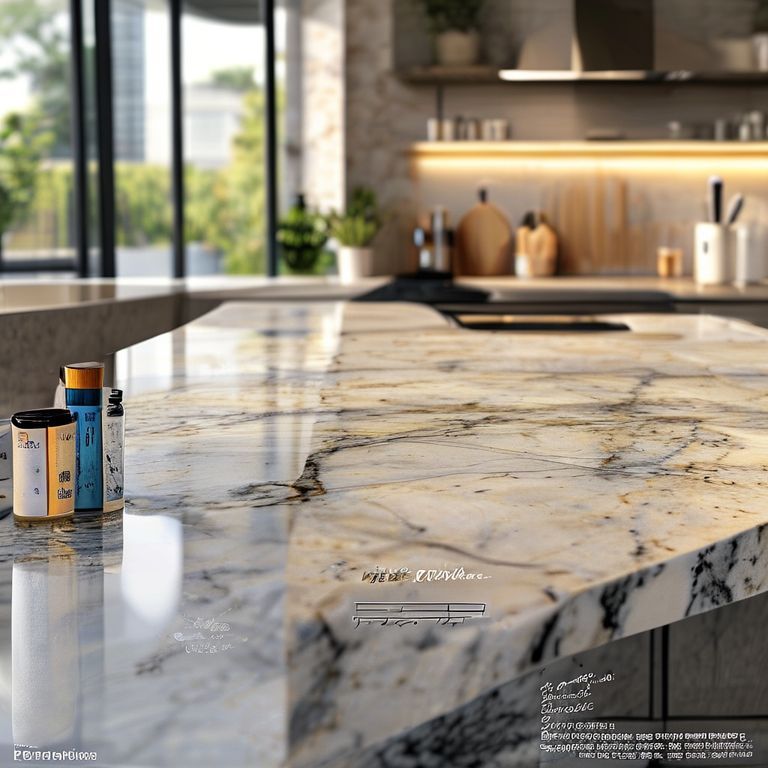
Polished: This finish provides a glossy, smooth surface that enhances the marble’s beauty but can be more expensive due to the labor-intensive process. Honed: This finish has a matte, velvety texture that is less labor-intensive and thus more affordable. Natural: Marble with a natural finish retains its raw beauty and can be more cost-effective compared to polished or honed finishes.
5. Transportation and Installation Costs
Transporting marble, especially high-value varieties, can add to the overall cost. The distance from the marble source to the installation site and the complexity of the installation process can also affect pricing.
Local Sourcing: Sourcing marble locally can reduce transportation costs and make it more affordable. International Shipping: Importing marble from abroad can significantly increase costs due to shipping and customs fees. Installation: Complex installations that require specialized equipment or labor can drive up the overall cost.
6. Trends in Marble Pricing
Understanding current trends can help you make informed decisions about marble pricing. Here are some trends to consider:
Sustainability: There is a growing demand for sustainable and ethically sourced marble, which can influence pricing. Customization: Custom-cut and specially finished marble pieces often come with a premium. Technological Advancements: Innovations in marble processing and finishing can affect production costs and, consequently, pricing.
7. Budgeting for Marble
When budgeting for marble, it’s essential to consider not just the cost per square meter but also the overall project scope and the desired aesthetic. A detailed budget should include:
Material Costs: The base cost of the marble itself. Installation Costs: Labor and equipment costs for installation. Transport Costs: Shipping and handling fees. Additional Costs: Any additional expenses such as cutting, shaping, or special finishes.
Conclusion
Understanding the nuances of marble pricing, or “大理石价格多少一平方,” is key to making an informed decision that balances beauty, value, and budget. From regional variations to the impact of color, quality, and finish, these factors all contribute to the overall cost. By considering these elements, you can select the perfect marble for your project, ensuring it meets your aesthetic and financial goals.
As we wrap up this detailed exploration, it’s clear that marble’s enduring appeal lies in its combination of beauty, versatility, and timeless elegance. Whether you’re designing a luxurious home or a commercial space, understanding marble’s pricing can help you achieve your vision while enjoying the luxurious touch that marble provides.