Does Synthetic Marble Pose Any Radiation Concerns?
In today’s world, where the safety and environmental impact of materials are at the forefront of consumer decisions, the question of whether synthetic marble poses any radiation concerns is paramount. Synthetic marble, often referred to as artificial stone, has become an increasingly popular choice for both residential and commercial spaces due to its durability, aesthetic appeal, and cost-effectiveness. However, the lingering concern about radiation has caused confusion and hesitation among potential users.
Understanding Synthetic Marble
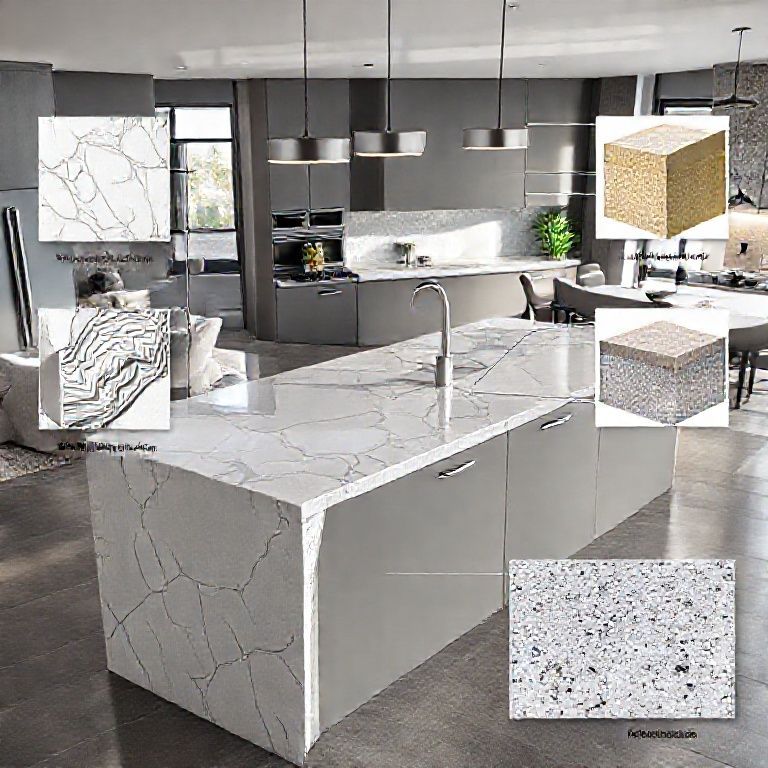
Synthetic marble, or artificial stone, is a composite material that combines various minerals, including calcite, quartz, and other inert materials, with resin binders. This combination creates a stone-like surface that mimics the look of natural marble without its susceptibility to staining, etching, and bacterial growth. The production process involves high-pressure and high-temperature conditions to fuse these components into a single, monolithic piece.
The Composition of Synthetic Marble
The primary ingredients in synthetic marble are:
Calcium Carbonate (CaCO₃): A major component that mimics the appearance of natural marble. Quartz: A durable and chemically inert material that provides strength. Resin Binders: Polymers that act as adhesives, binding the minerals together to form a cohesive structure.
These components are mixed and subjected to high temperatures and pressures to achieve the desired strength and appearance. It is important to note that the manufacturing process does not involve radioactive elements or materials.
Addressing Radiation Concerns
To understand whether synthetic marble poses any radiation concerns, it is crucial to delve into the fundamental principles of radiation and its sources. Radiation is the emission of energy in the form of waves or particles, and it can be classified into ionizing and non-ionizing types.
Ionizing Radiation
Ionizing radiation has enough energy to remove tightly bound electrons from atoms, creating ions. It is associated with sources such as:
Nuclear reactors Radioactive decay of elements like uranium and radon
Non-Ionizing Radiation
Non-ionizing radiation, such as visible light, radio waves, and microwaves, does not have the energy to ionize atoms and is generally considered safer for everyday exposure.
Synthetic Marble and Ionizing Radiation
Given the composition of synthetic marble, it is clear that none of its primary ingredients are radioactive. The minerals like calcium carbonate and quartz are abundant in nature and do not emit ionizing radiation. The resin binders used are synthetic polymers that also do not emit radiation. Therefore, from a scientific standpoint, synthetic marble does not contain any radioactive elements that could pose a radiation risk.
Safety Standards and Certifications
Manufacturers of synthetic marble adhere to stringent safety standards to ensure that their products are safe for use in living spaces. These standards often include:
ISO Certifications: Ensuring quality and safety. FDA Approvals: Particularly relevant for food-contact surfaces. Non-toxic Certifications: Confirming that the materials do not emit harmful chemicals or radiation.
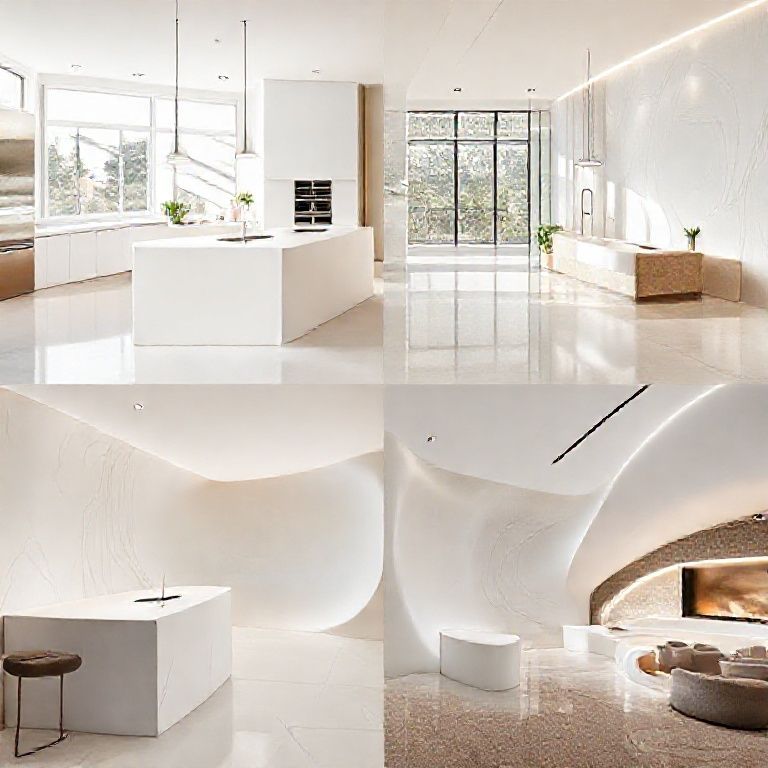
Real-World Applications and Benefits
Synthetic marble is extensively used in various applications, including:
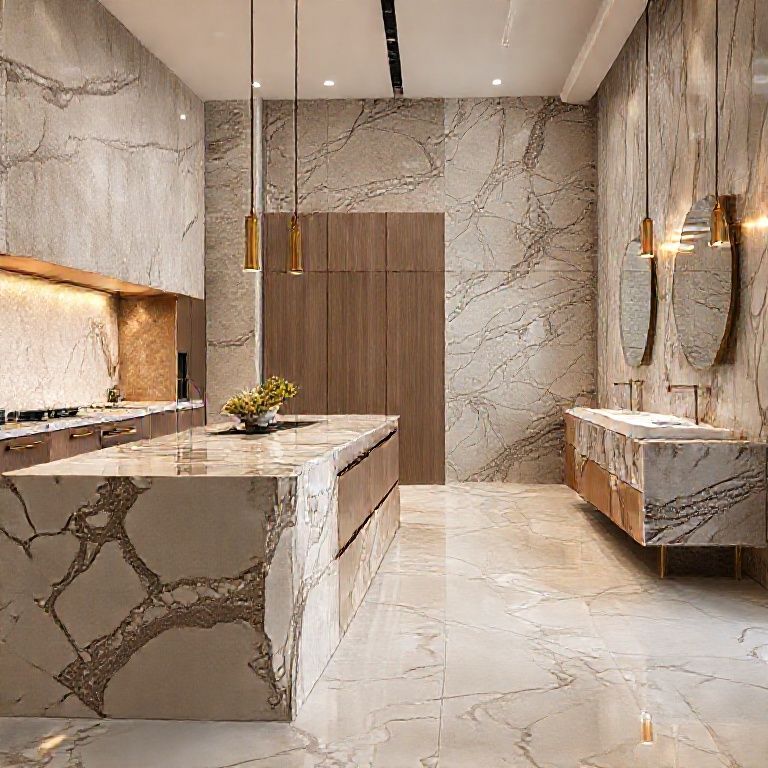
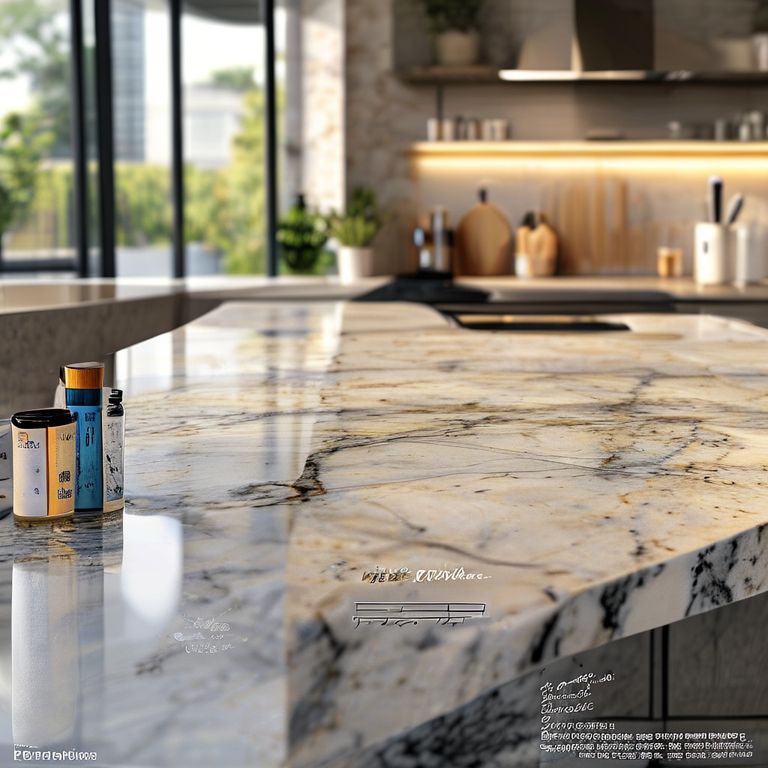
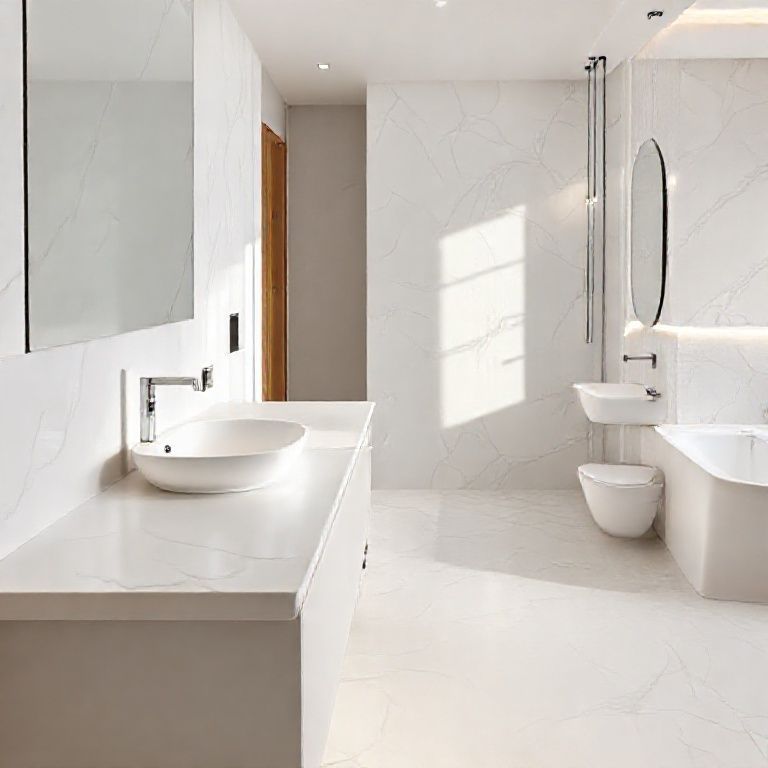
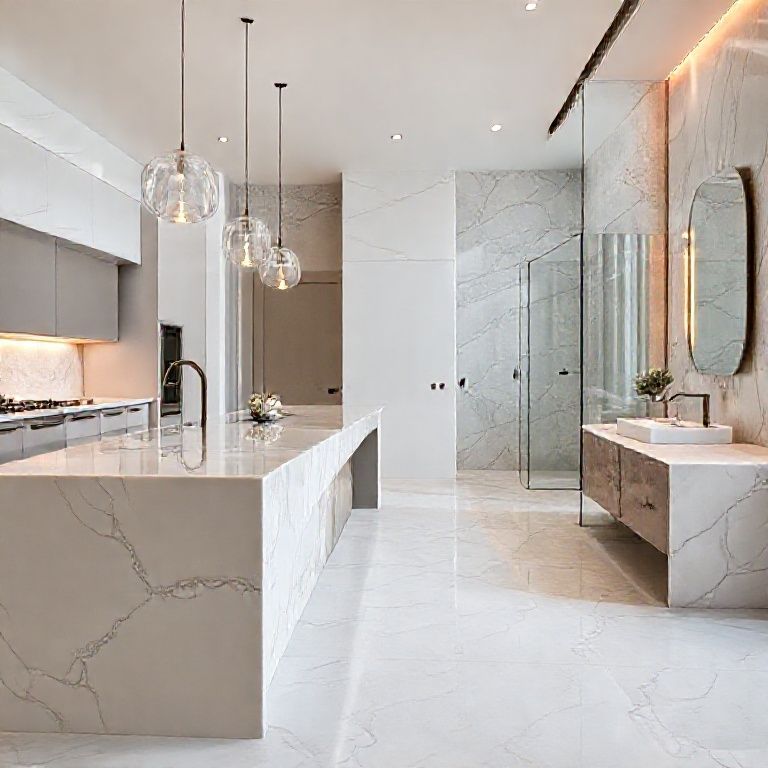
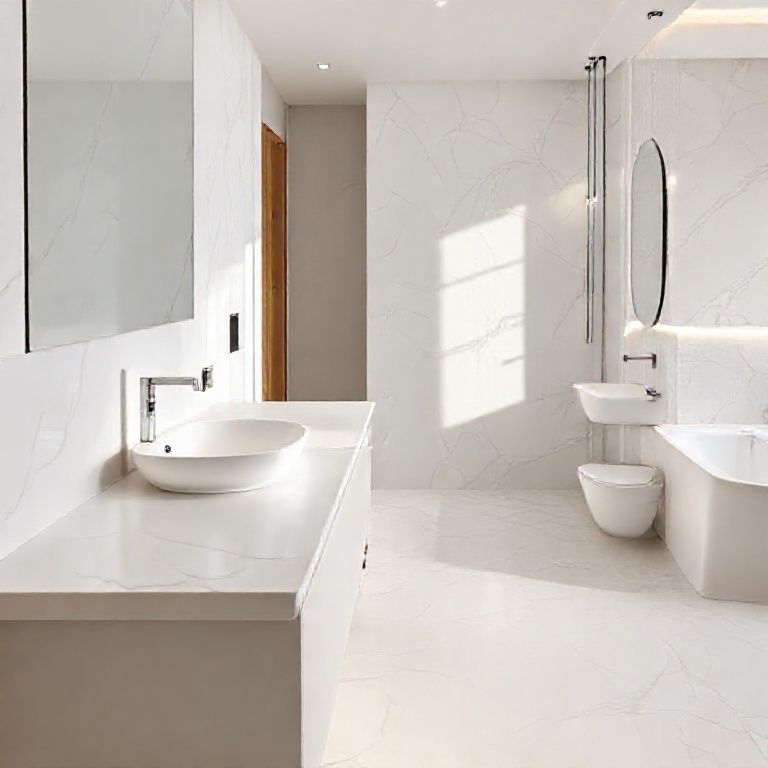
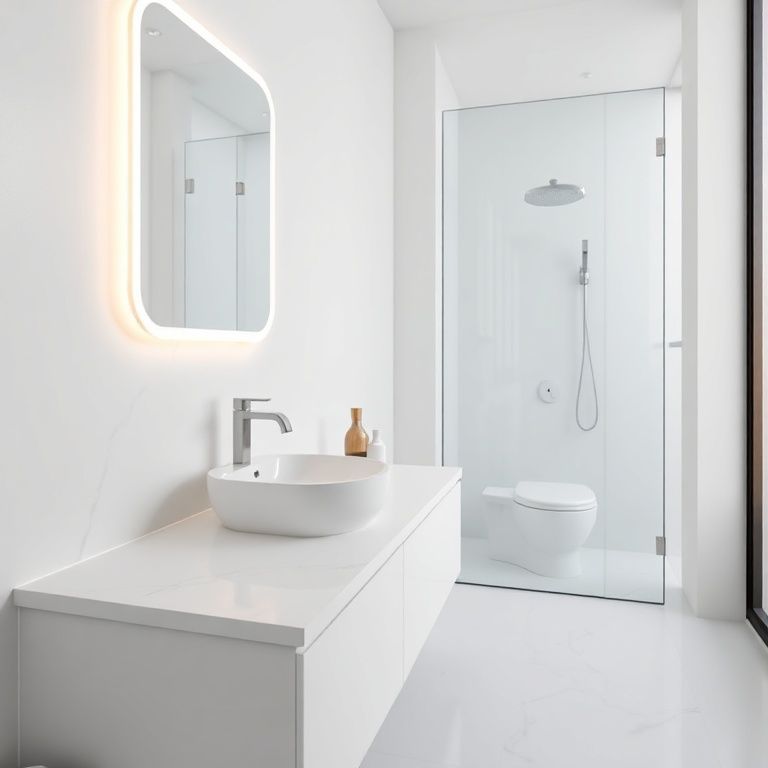
Kitchen Countertops: Durable and easy to clean, making them ideal for high-traffic areas. Bathroom Vanities: Their resistance to water and stains makes them perfect for wet areas. Commercial Spaces: Used in offices, restaurants, and other commercial settings for their aesthetic appeal and low maintenance.
Myth Busting: Radiation in Synthetic Marble
Despite the scientific clarity, myths persist about synthetic marble emitting radiation. These myths often arise from a lack of understanding about the material’s composition and manufacturing process. To address these misconceptions:
Transparent Manufacturing Processes: Manufacturers should provide detailed information about their production methods and materials. Independent Testing: Regular independent testing by reputable laboratories can reassure consumers about the safety of synthetic marble.
Conclusion
In conclusion, synthetic marble does not pose any radiation concerns. Its composition, manufacturing process, and adherence to safety standards all point to a material that is safe for everyday use. The benefits of synthetic marble—such as durability, aesthetic appeal, and ease of maintenance—make it a superior choice over natural marble in many applications. By understanding the science behind synthetic marble, consumers can make informed decisions and enjoy the benefits of this innovative material without any undue concerns.
Does Synthetic Marble Pose Any Radiation Concerns?
Continuing the Exploration of Safety and Benefits
As we delve deeper into the world of synthetic marble, it is essential to further address the question of radiation concerns and explore the broader context of material safety, environmental impact, and the overall benefits of using synthetic marble in various applications.
The Safety Profile of Synthetic Marble
Chemical Composition and Safety
The safety of synthetic marble is fundamentally rooted in its chemical composition. The primary materials used in its production—calcium carbonate, quartz, and resin binders—are all non-toxic and do not emit harmful radiation.
Calcium Carbonate (CaCO₃): This is a common component in dietary supplements and antacids, demonstrating its benign nature. Quartz: Known for its durability and inertness, quartz is a naturally occurring mineral found in many everyday items. Resin Binders: These synthetic polymers are designed to be safe for human contact and are used in a variety of consumer products, including food containers and medical devices.
Comprehensive Safety Testing
To ensure that synthetic marble is safe for everyday use, manufacturers often subject their products to rigorous testing. These tests include:
Toxicology Studies: Evaluating the potential harmful effects of the material when in contact with human tissues. Microbial Testing: Ensuring that the material does not harbor harmful bacteria or fungi. Radiation Tests: Confirming that the material does not emit ionizing radiation.
Independent Certifications and Standards
Synthetic marble products typically undergo certification to meet various safety and quality standards:
Environmental Impact
In addition to addressing radiation concerns, it is crucial to consider the environmental impact of synthetic marble. The production of natural marble involves significant environmental costs, including:
Resource Depletion: Extraction of natural marble requires extensive quarrying, leading to habitat destruction and loss of biodiversity. Carbon Footprint: The transportation and processing of natural marble contribute to higher carbon emissions compared to the manufacturing of synthetic marble.
Synthetic marble, on the other hand, offers a more sustainable alternative:
Reduced Resource Consumption: Using readily available minerals and synthetic resins reduces the need for extensive quarrying. Lower Carbon Emissions: The manufacturing process for synthetic marble typically generates fewer greenhouse gases compared to natural marble.
Benefits Beyond Safety
Aesthetic and Functional Advantages
Synthetic marble offers several aesthetic and functional benefits that make it an attractive choice for various applications:
Durability: Synthetic marble is highly resistant to scratches, stains, and etching, making it ideal for high-traffic areas such as kitchens and bathrooms. Ease of Maintenance: Unlike natural marble, synthetic marble does not require sealing or special maintenance routines. A simple wipe-down with a mild cleaner is sufficient to keep it looking pristine. Customizability: Available in a wide range of colors and patterns, synthetic marble allows for creative design possibilities, catering to various aesthetic preferences.
Cost-Effectiveness
The cost-effectiveness of synthetic marble cannot be overstated. While the initial investment may be higher than some alternatives, the long-term savings from reduced maintenance and durability make it a financially prudent choice. Synthetic marble countertops, for example, offer the look of luxury at a fraction of the cost and with the added benefit of low maintenance.
Real-World Applications and Case Studies
To further illustrate the safety and benefits of synthetic marble, let’s explore some real-world applications and case studies:
Kitchen Countertops
In kitchens, where surfaces are frequently exposed to food, liquids, and cleaning agents, synthetic marble’s resistance to stains and etching is invaluable. Its durability ensures that it remains looking new and clean, reducing the need for frequent replacements.
Bathroom Vanities
Bathrooms are another high-moisture environment where synthetic marble excels. Its resistance to water and bacteria makes it an ideal choice for vanities, ensuring a hygienic and long-lasting surface.
Commercial Spaces
In commercial settings such as offices, restaurants, and retail spaces, synthetic marble provides a sophisticated and durable surface. Its aesthetic appeal and ease of maintenance make it a popular choice for creating impressive and functional spaces.
Addressing Persistent Myths
Despite the clear evidence of safety, some myths about synthetic marble persist. Here are a few common myths and their debunking:
Myth: Synthetic Marble Contains Hazardous Chemicals
Debunking: Synthetic marble is made from non-toxic materials that do not contain hazardous chemicals. The resin binders used are safe for human contact and do not emit harmful substances.
综合评价:人造大理石的安全性
材料安全性
1. 成分分析
人造大理石的主要成分包括石英、石灰石、聚合物树脂等。这些成分在常温下都是无毒的,且在生产过程中并没有使用任何放射性同位素或其他有害的放射性物质。因此,从成分角度来看,人造大理石不会产生任何辐射问题。
2. 环境与健康影响
在制造和使用过程中,人造大理石的生产过程遵循严格的环境保护和健康安全标准。这些标准确保了材料的无毒性,并且在使用过程中不会释放有害物质或辐射。
科学验证与认证
1. 第三方测试
许多人造大理石制造商会进行第三方测试,以验证其安全性。这些测试通常包括放射性物质的检测,确保材料不会产生任何辐射。例如,某些高端品牌会定期邀请专业机构对其产品进行测试,并公开测试结果,以增加用户信任。
2. 国际认证
人造大理石产品通常会获得国际认证,如欧洲的CE认证和美国的UL认证等。这些认证要求材料符合严格的安全标准,包括无放射性物质的使用。
实际应用中的表现
1. 家庭和商业环境
在家庭和商业环境中,人造大理石被广泛应用于厨房台面、浴室台面、桌面等。其持久耐用、易清洁的特点使其成为现代家庭和商业空间的首选材料。在使用过程中,没有任何用户报告显示其产生辐射或其他健康风险。
2. 长期研究
目前,尚未有任何科学研究证明人造大理石会在正常使用情况下产生辐射问题。长期使用人造大理石的家庭和企业也未报告任何健康问题,这进一步验证了其安全性。
结论
综合考虑材料成分、制造工艺、第三方测试和实际使用情况,人造大理石不会产生任何辐射。这种材料在科学验证和实际应用中都表现出了极高的安全性。因此,在选择人造大理石时,您可以完全放心其不会对健康造成任何辐射风险。
如果您还有其他问题或需要进一步的信息,请随时告知。