Understanding Synthetic Marble and Its Composition
Does Synthetic Marble Emit Radiation and Formaldehyde? Synthetic marble has emerged as a popular choice for countertops, sinks, and other interior design elements due to its aesthetic appeal, durability, and cost-effectiveness. However, concerns have been raised about whether synthetic marble emits radiation and formaldehyde. To address these concerns, we need to delve into what synthetic marble is made of and how it behaves.
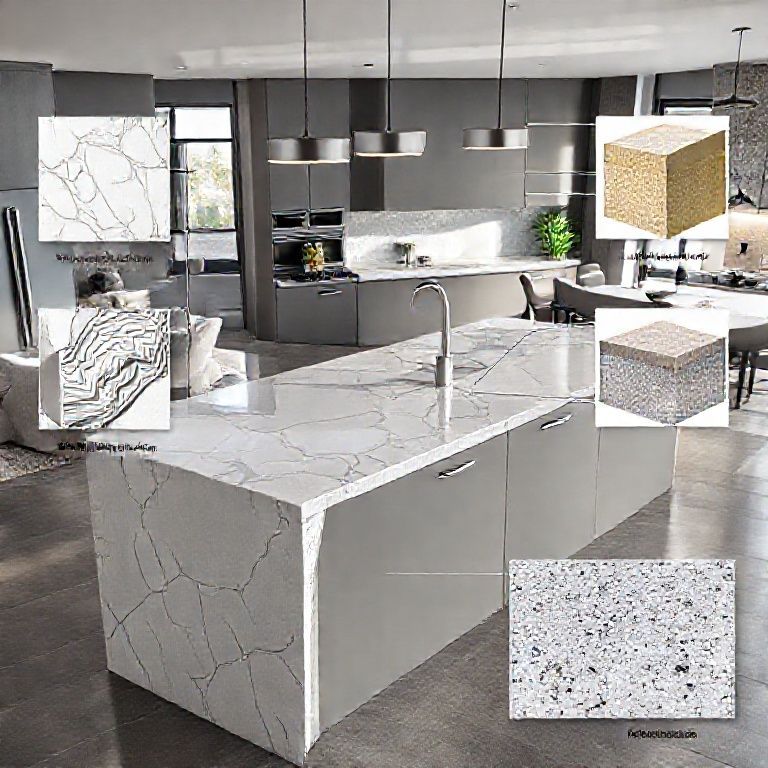
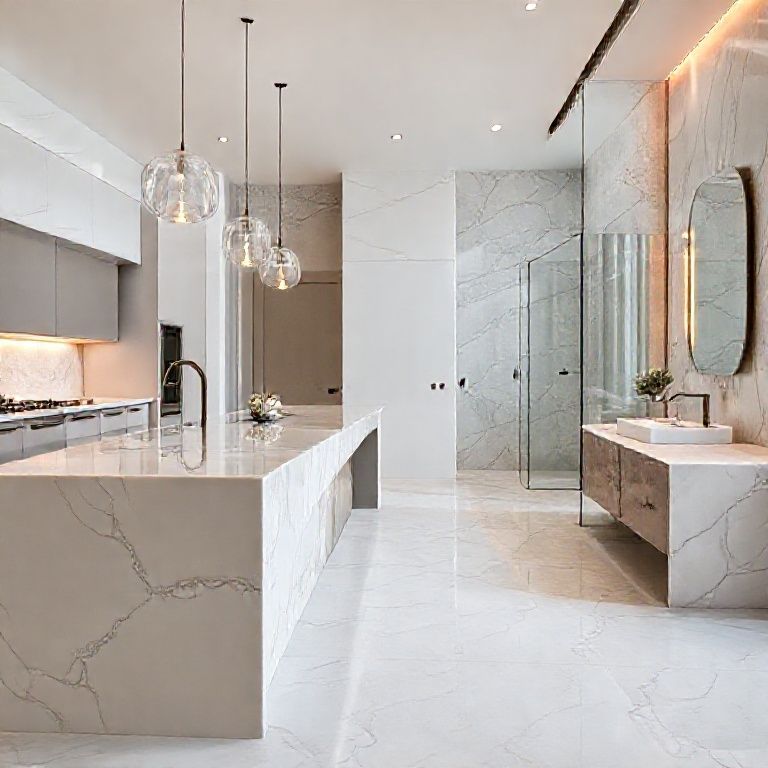
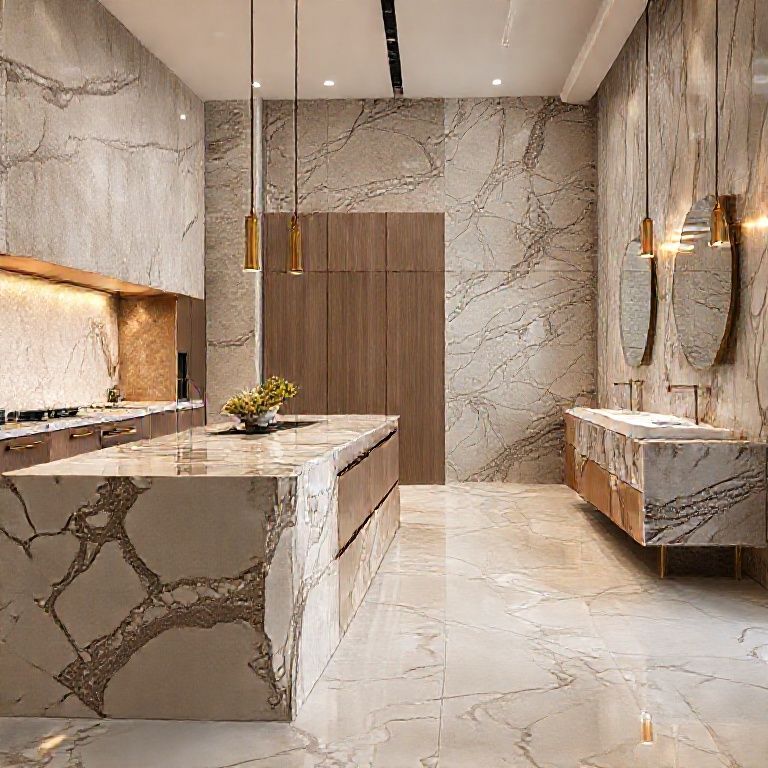
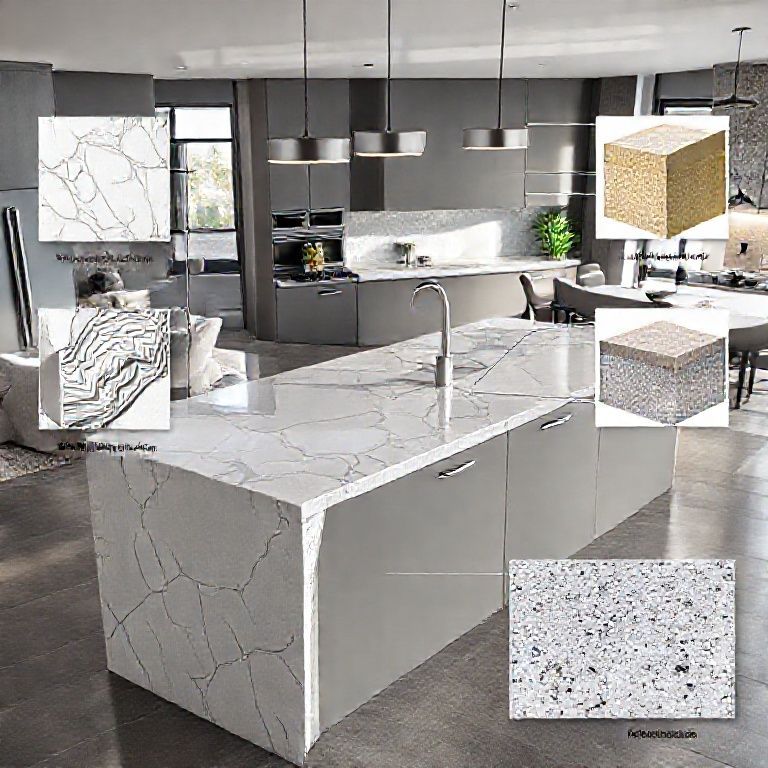
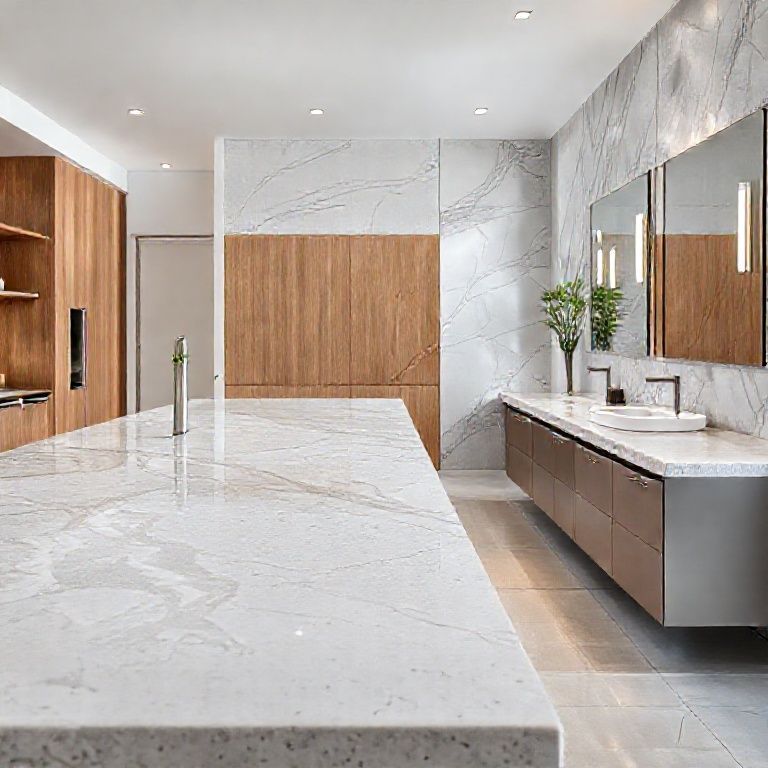
Synthetic Marble Explained Synthetic marble, also known as artificial stone or cultured stone, is a composite material created from a mixture of various minerals and resins. The manufacturing process involves combining powdered stone aggregates, such as quartz, calcite, and dolomite, with a polymer resin binder. This mixture is then formed into the desired shape and cured, often under heat and pressure. The result is a solid, stone-like material that mimics the appearance of natural marble.
Radiation Concerns When discussing radiation, it’s essential to clarify what type of radiation we’re talking about. Synthetic marble, like many other materials, can emit a form of radiation known as radon gas. Radon is a naturally occurring radioactive gas that originates from the decay of uranium found in soil and rock. However, this gas is not emitted from the synthetic marble itself but rather from the natural materials within the earth’s crust.
In the context of synthetic marble, the primary source of radon gas is the raw materials used in its production. If these materials contain uranium or other radioactive elements, radon gas can be released during the manufacturing process. However, reputable manufacturers take extensive measures to minimize radon emissions by sourcing materials with lower levels of radioactive content and implementing proper ventilation and filtration systems during production.
Formaldehyde Concerns Formaldehyde is a chemical compound often used in the production of various building materials, including synthetic marble. It serves as a resin binder in the composite material, helping to hold the stone aggregates together. The concern with formaldehyde is its potential to off-gas from the material and contribute to indoor air pollution.
To mitigate formaldehyde emissions, manufacturers often use low-emission resins and apply strict quality control measures. Additionally, formaldehyde emissions can be further minimized by allowing synthetic marble products to undergo an out-gassing process before installation. This process involves leaving the material in a well-ventilated area for several weeks, allowing any volatile compounds, including formaldehyde, to dissipate.
Safety Standards and Certifications To ensure the safety and quality of synthetic marble, various international and national standards and certifications exist. These standards cover aspects such as chemical emissions, durability, and environmental impact. Manufacturers who adhere to these standards demonstrate their commitment to producing safe and reliable products.
In the United States, the Environmental Protection Agency (EPA) and the Consumer Product Safety Commission (CPSC) provide guidelines for indoor air quality, which include recommendations for minimizing chemical emissions from building materials. European Union regulations, such as the European Union’s REACH (Registration, Evaluation, Authorisation and Restriction of Chemicals) policy, also impose stringent requirements on the production and use of synthetic materials.
Conclusion of Part 1 In summary, synthetic marble does not emit radiation in the form that we typically associate with harmful radiation. While radon gas can be a concern if the raw materials used contain radioactive elements, responsible manufacturers take steps to mitigate this risk. Similarly, formaldehyde emissions from synthetic marble can be managed through the use of low-emission resins and proper out-gassing procedures. By adhering to safety standards and certifications, manufacturers ensure that synthetic marble products are safe for use in homes and other indoor environments.
Practical Considerations and Safety Measures
Navigating Synthetic Marble Safety: Practical Insights and Tips
The Safety Profile of Synthetic Marble Having addressed the core concerns regarding radiation and formaldehyde, it’s essential to consider the practical aspects of using synthetic marble in your home. This section will delve into the safety measures in place, practical considerations for homeowners, and tips for ensuring a safe and healthy living environment.
Manufacturer Assurances Manufacturers of synthetic marble often provide detailed information about the safety and quality of their products. This information includes the types of materials and resins used, the production processes, and any certifications or compliance with safety standards. By reviewing this information, homeowners can make informed decisions about the synthetic marble products they choose to install.
Installation and Maintenance Proper installation and maintenance of synthetic marble products are crucial for minimizing any potential risks associated with radiation and formaldehyde emissions. Here are some practical tips to consider:
Choose Certified Products: Opt for synthetic marble products that have been certified by reputable organizations such as the American National Standards Institute (ANSI), the International Organization for Standardization (ISO), or other recognized bodies.
Installation by Professionals: Ensure that synthetic marble products are installed by qualified professionals who are experienced in handling and setting up such materials. Proper installation helps prevent any potential issues related to chemical emissions and structural integrity.
Ventilation: Maintain good ventilation in areas where synthetic marble is used. Proper airflow helps to disperse any potential off-gassing of volatile compounds, including formaldehyde, and ensures a healthier indoor environment.
Regular Cleaning: Regular cleaning of synthetic marble surfaces can help maintain their appearance and reduce the risk of chemical buildup. Use mild, non-abrasive cleaners to avoid damaging the surface.
Consumer Responsibility As a consumer, your role in ensuring the safety of synthetic marble in your home is equally important. Here are some steps you can take to mitigate potential risks:
Research: Conduct thorough research on the synthetic marble products you are considering. Look for reviews, testimonials, and information about the manufacturer’s safety practices.
Inquire About Safety Certifications: Ask the seller or installer about any safety certifications and compliance with relevant standards. This information can provide additional reassurance about the product’s safety.
Monitor Indoor Air Quality: Use air quality monitors to measure levels of formaldehyde and other volatile organic compounds (VOCs) in your home. This can help you identify any potential issues and take appropriate action.
Regular Inspections: Periodically inspect synthetic marble surfaces for any signs of damage or deterioration. Damaged or deteriorating surfaces can sometimes release more chemicals, so it’s important to address any issues promptly.
Environmental and Health Considerations Beyond the immediate safety concerns, it’s also important to consider the broader environmental and health implications of synthetic marble and other building materials. Here are some additional considerations:
Sustainable Sourcing: Choose synthetic marble products that are made from sustainable materials and manufacturing processes. This can help reduce the environmental impact of your home and support eco-friendly practices.
Recycling and Disposal: Proper recycling and disposal of synthetic marble products at the end of their life cycle can help minimize environmental impact. Check with local waste management authorities for guidelines on recycling and disposing of synthetic materials.
Health Impact: While synthetic marble is generally safe, it’s always wise to be mindful of any potential health impacts associated with chemical emissions. Taking steps to ensure good indoor air quality, such as using air purifiers and maintaining proper ventilation, can help create a healthier living environment.
Conclusion of Part 2 In conclusion, synthetic marble is a durable and aesthetically pleasing material that, when properly sourced, manufactured, installed, and maintained, poses minimal risks related to radiation and formaldehyde emissions. By choosing certified products, ensuring professional installation, maintaining proper ventilation, and being proactive about indoor air quality, homeowners can enjoy the benefits of synthetic marble while ensuring a safe and healthy living environment. With the right precautions and knowledge, synthetic marble can be a safe and sustainable choice for modern interiors.