Introduction to Artificial Marble and Its Popularity
Artificial marble, also known as composite stone, has surged in popularity over the past decade due to its stunning aesthetics, durability, and cost-effectiveness. Unlike traditional marble, which is a natural stone, artificial marble is a manufactured product made from a combination of quartz, resin, and pigments. This innovative material has become a preferred choice for countertops, tabletops, and various interior design elements.
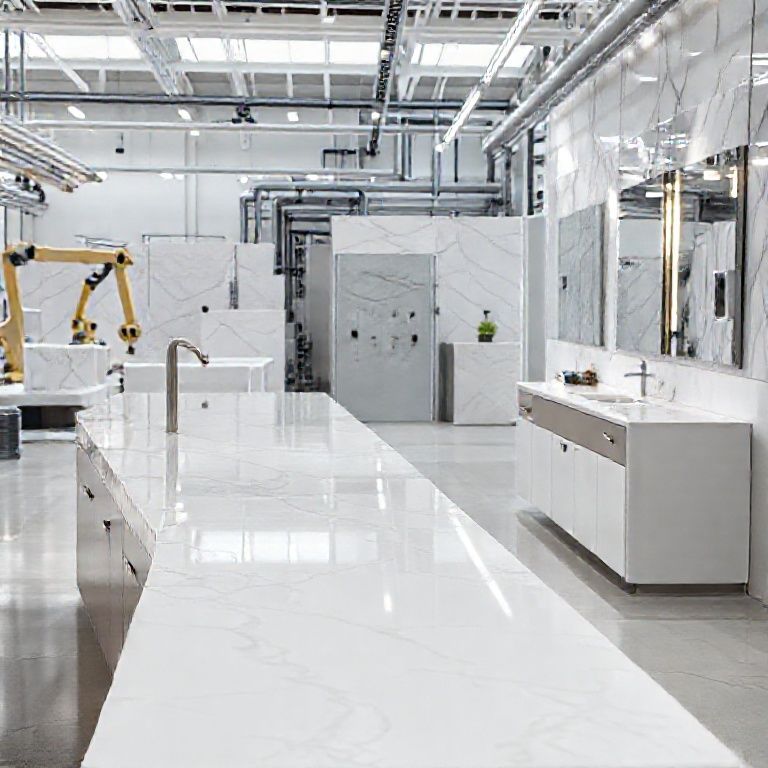
The Radiation Concern: Understanding the Basics
When it comes to artificial marble, one of the most frequently asked questions is whether it emits radiation. To address this concern, it is essential to understand what radiation entails. Radiation, in scientific terms, refers to the emission of energy in the form of waves or particles, particularly from radioactive substances. In the context of artificial marble, the primary concern revolves around whether the materials used in its production could pose any radiation risk.
Myth-Busting: Radiation from Artificial Marble
The myth that artificial marble emits radiation primarily arises from a misunderstanding of the materials involved. Artificial marble is composed of non-radioactive substances such as quartz, resin, and pigments. Quartz is a naturally occurring mineral that is abundant and non-radioactive. Resin, typically made from petrochemicals, is also not a source of radiation. Pigments used in artificial marble are synthetic and do not contribute to radiation.
To put it into perspective, the materials used in artificial marble are the same or similar to those found in many everyday items. For example, quartz is also used in electronic devices like watches and computers, which do not pose radiation risks. Similarly, resins are commonly used in various non-hazardous applications. Therefore, the notion that artificial marble emits radiation is unfounded.
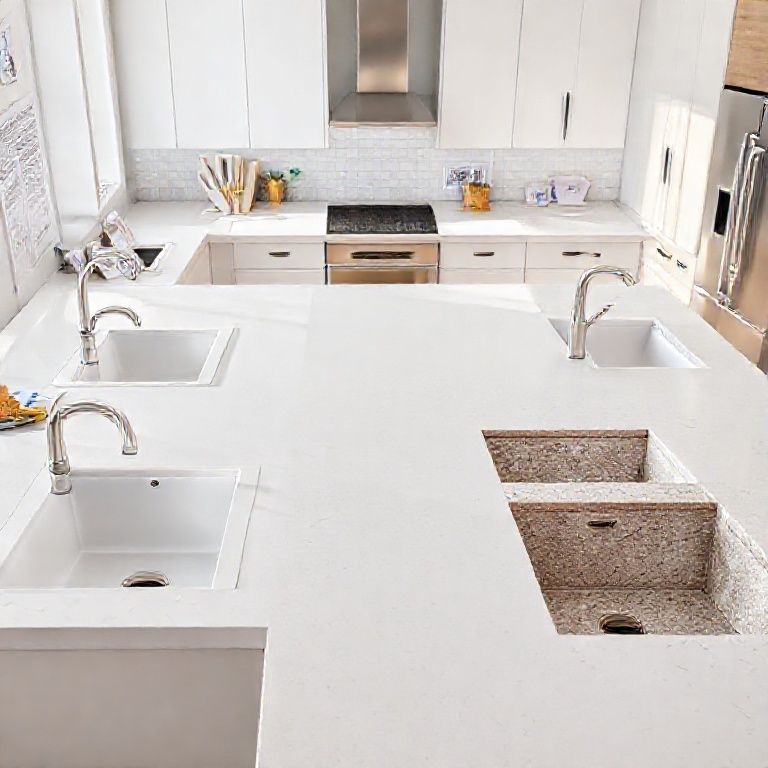
Safety Standards and Certifications
To further alleviate concerns, it is important to note that artificial marble undergoes rigorous quality control and safety testing. Manufacturers often adhere to international safety standards to ensure that their products are free from harmful substances. Certifications from reputable organizations can provide additional reassurance about the safety of artificial marble.
Environmental and Health Implications
Beyond the radiation concern, it is also worth considering the environmental and health implications of using artificial marble. Unlike natural stone, artificial marble does not involve the extraction and transportation of natural resources, thereby reducing its environmental footprint. Additionally, artificial marble does not contain hazardous materials like lead or mercury, which can be found in some types of natural stone.
Conclusion
In summary, artificial marble does not emit radiation. The materials used in its production—quartz, resin, and pigments—are non-radioactive. Understanding these facts helps dispel myths and highlights the safety and sustainability of artificial marble as a material choice. In the next part, we will delve deeper into the long-term benefits and considerations of using artificial marble in various applications.
Long-Term Benefits and Applications of Artificial Marble
Durability and Maintenance
One of the most compelling reasons for choosing artificial marble is its exceptional durability. Unlike natural stone, which can be prone to scratches, chips, and stains, artificial marble offers superior resistance to these common issues. This durability extends the lifespan of artificial marble products, reducing the need for frequent repairs or replacements. Additionally, maintaining artificial marble is relatively straightforward. Regular cleaning with mild soap and water suffices to keep surfaces looking pristine.
Versatility in Design and Aesthetics
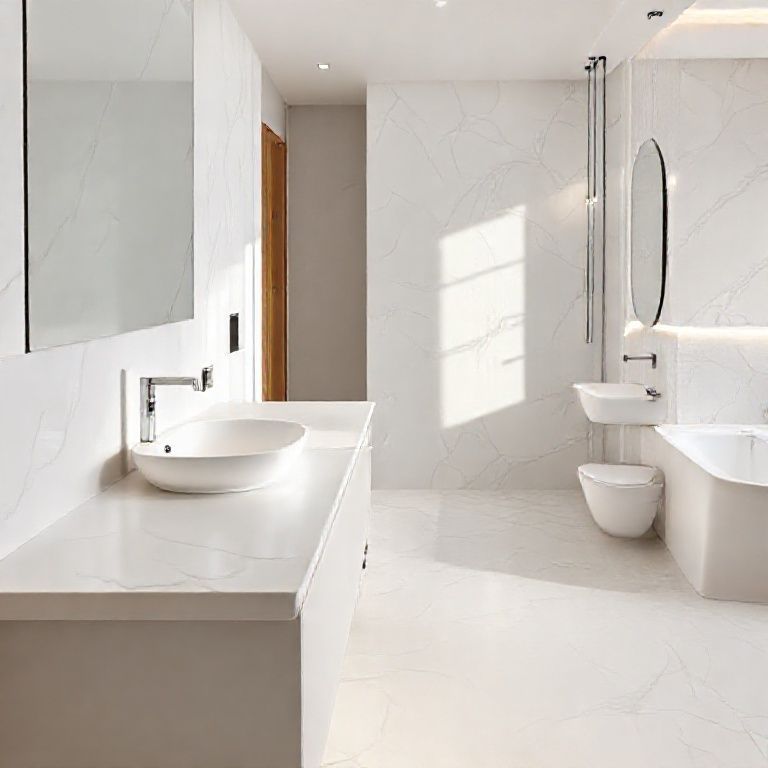
Artificial marble’s versatility in design is another significant advantage. It allows for an array of colors, patterns, and textures that closely mimic natural marble. This flexibility enables designers and homeowners to create unique and personalized designs. Whether it’s a sleek kitchen countertop, a stylish dining table, or a modern bathroom vanity, artificial marble can be customized to meet specific aesthetic requirements.
Cost-Effectiveness
In comparison to natural stone, artificial marble is generally more affordable. The production process for artificial marble is more controlled, which helps keep costs lower. This cost-effectiveness makes it an attractive option for a wide range of applications, from high-end commercial projects to everyday household items.
Installation and Compatibility
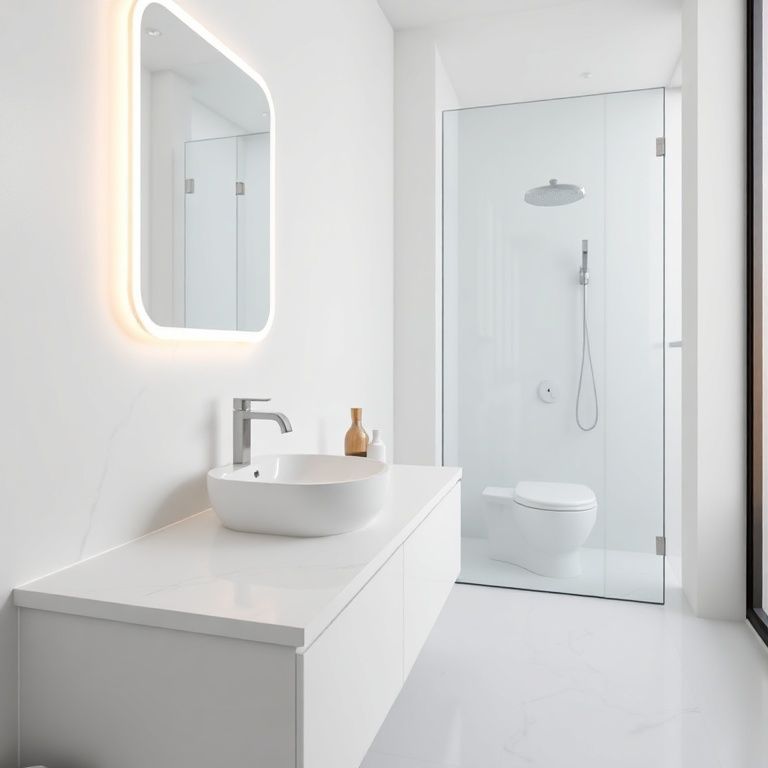
The installation process for artificial marble is straightforward. It can be easily cut to size using standard tools, and it bonds well with various types of adhesives. This makes it a convenient choice for both professional installers and DIY enthusiasts. Moreover, artificial marble is compatible with a wide range of finishes and coatings, allowing for further customization and protection.
Sustainability Considerations
In today’s environmentally conscious world, sustainability is a critical factor in material selection. Artificial marble offers several sustainability benefits compared to natural stone. It does not require the extraction of natural resources, thus reducing the environmental impact associated with mining and transportation. Furthermore, the production process of artificial marble typically generates less waste than that of natural stone, contributing to a smaller carbon footprint.
Health and Safety Benefits
Beyond the radiation concern, artificial marble offers several health and safety benefits. It is free from harmful substances such as lead, mercury, and other toxic chemicals that can be found in some natural stones. Additionally, the pigments used in artificial marble are synthetic and do not contain volatile organic compounds (VOCs) that can emit harmful fumes during production or use.
Comparative Analysis: Artificial vs. Natural Marble
To provide a clearer picture, let’s compare the characteristics of artificial marble and natural marble in detail.
Aesthetic Appeal
Both artificial and natural marble offer stunning visual appeal. However, artificial marble allows for more creative freedom in terms of color, pattern, and design. Natural marble, with its unique veining and variations, offers a distinctive and natural aesthetic that can be highly desirable in certain applications.
Durability
In terms of durability, artificial marble holds a clear advantage over natural marble. Natural marble can be susceptible to stains, scratches, and even damage from acidic foods or cleaning agents. Artificial marble, on the other hand, is highly resistant to such issues, ensuring a longer-lasting finish.
Cost
The cost difference between artificial and natural marble can be significant. Natural marble can be expensive due to its limited supply and the labor-intensive process required for cutting and shaping. Artificial marble, being a manufactured product, typically offers a more economical option.
Maintenance
Maintenance is another area where artificial marble shines. Natural marble requires regular sealing to prevent stains and maintain its appearance. Artificial marble, with its durable surface, requires minimal maintenance, making it easier to keep clean and looking new for years.
Conclusion
In conclusion, artificial marble is a safe, durable, and cost-effective alternative to natural marble, without the radiation concerns that sometimes surround it. Its versatility, sustainability, and ease of maintenance make it an excellent choice for a wide range of applications. By understanding the facts and benefits, you can confidently choose artificial marble for your next design project, knowing that you are making an informed and responsible decision.