In today’s world, where we are constantly exposed to various materials in our daily lives, understanding the safety and health implications of the products we use becomes paramount. One such material that has gained immense popularity in both residential and commercial settings is artificial marble. Known for its stunning aesthetics, durability, and versatility, artificial marble has become a favored choice for countertops, bathroom vanities, and other decorative surfaces. However, a question often arises regarding the safety of this material: “Does artificial marble have a radiation standard?” Let’s dive deeper into this topic to demystify the concerns and highlight the safety measures in place.
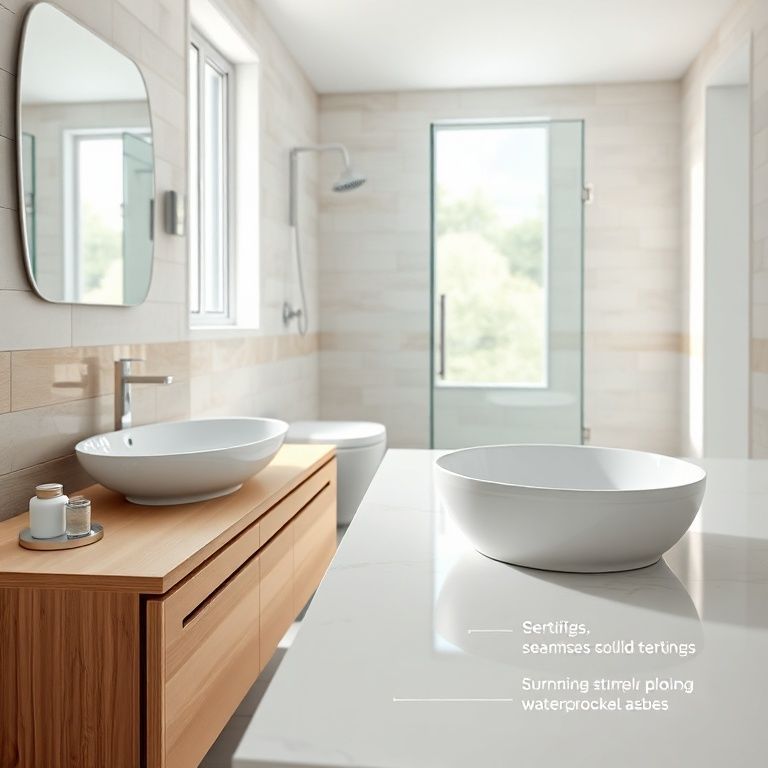
Artificial marble, often referred to as engineered stone, is a composite material made from natural stone powder and resins. This amalgamation creates a stone-like surface that mimics the appearance and texture of natural marble while offering superior strength and resistance to scratches, stains, and impact. The process involves combining powdered stone (usually quartz) with a polymer resin, which is then molded under high pressure and temperature to form a monolithic material.
One of the primary reasons for the widespread adoption of artificial marble is its impressive durability and resistance to wear and tear. Unlike natural stone, which can easily chip or crack, artificial marble maintains its integrity and appearance over time. This makes it an excellent choice for high-traffic areas where the need for a long-lasting surface is crucial.
When it comes to safety, especially in relation to radiation, it’s essential to understand that artificial marble is fundamentally different from naturally occurring stone that might contain radioactive elements. Natural marble and other stone materials can contain trace amounts of naturally occurring radioactive elements like uranium, thorium, and potassium. However, these elements are present in very low concentrations and do not pose a significant health risk under normal usage conditions.
Artificial marble, on the other hand, is manufactured through a controlled process where the stone powder and resin are meticulously combined and cured. This process ensures that any potential radioactive elements present in the stone powder are effectively neutralized or removed. Consequently, artificial marble does not contain the same levels of natural radioactivity found in some natural stone materials.
To address the question of whether artificial marble has a radiation standard, it’s important to consider the regulatory frameworks that govern the production and sale of such materials. In many countries, engineered stone products are subject to stringent safety regulations to ensure they meet certain health and safety criteria. For example, in the United States, the Environmental Protection Agency (EPA) and the Consumer Product Safety Commission (CPSC) oversee the production and marketing of consumer products to ensure they do not pose unreasonable risks to human health.
While there is no specific radiation standard for artificial marble per se, the materials used in its production are subject to general safety regulations regarding chemical composition and emissions. For instance, the European Union’s REACH (Registration, Evaluation, Authorisation, and Restriction of Chemicals) regulation ensures that any substances used in the manufacture of products like artificial marble are evaluated for their safety and environmental impact.
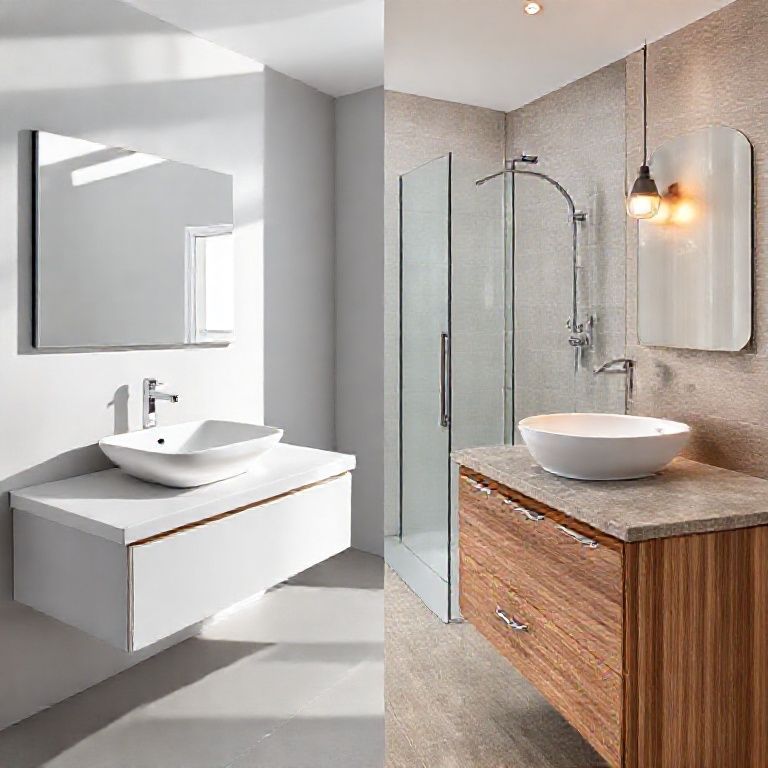
Furthermore, manufacturers of artificial marble often conduct extensive testing to ensure that their products comply with safety standards. These tests may include evaluations for chemical emissions, such as volatile organic compounds (VOCs), which are common in many composite materials. By adhering to these standards, manufacturers aim to provide products that are not only aesthetically pleasing but also safe for use in living spaces.
In conclusion, while the question of radiation in artificial marble is often a point of concern, the material is crafted in a manner that mitigates any potential risks associated with radioactive elements. The controlled manufacturing process and adherence to safety regulations ensure that artificial marble remains a safe and reliable choice for various applications. In the next part, we will explore more about the environmental impact of artificial marble and its sustainability compared to natural stone alternatives.
In the ongoing quest for sustainable and environmentally friendly materials, it’s crucial to evaluate the environmental impact and sustainability of the products we use. Artificial marble, with its impressive durability and aesthetic appeal, has often been compared to natural stone in terms of its ecological footprint. In this part, we will delve into the environmental aspects of artificial marble, focusing on its resource conservation benefits, sustainability, and overall impact on the environment.
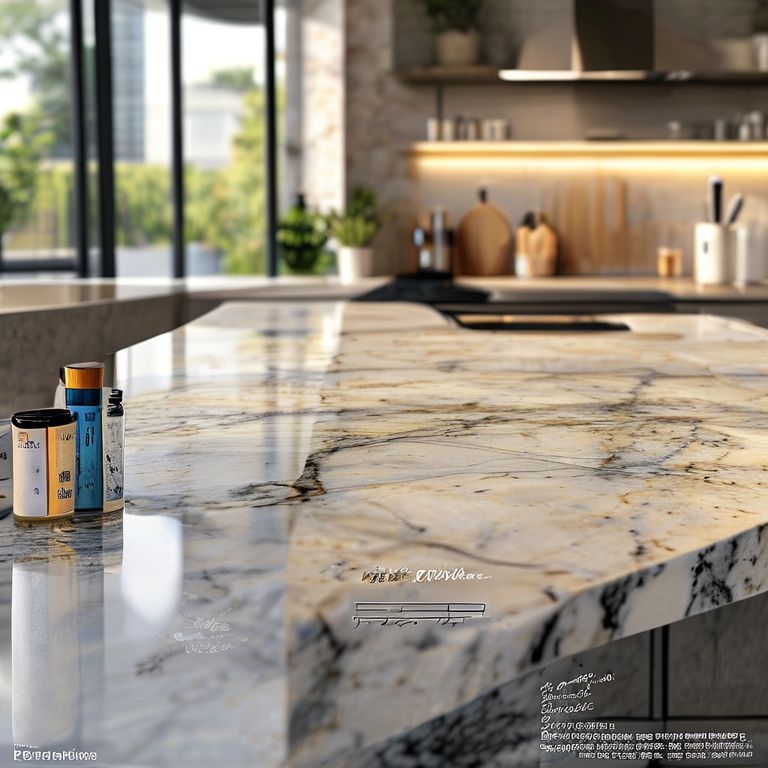
One of the most significant advantages of artificial marble over natural stone is its superior resource conservation. Natural stone quarrying is an extensive process that involves extracting large quantities of stone from the earth. This process can lead to significant environmental degradation, including habitat destruction, soil erosion, and water contamination. Additionally, transporting natural stone from quarries to manufacturing facilities and then to end-users contributes to a substantial carbon footprint.
In contrast, artificial marble is manufactured using a process that requires significantly less natural resource extraction. The primary component of artificial marble, quartz, is abundant and readily available. Unlike the extraction process for natural stone, the production of artificial marble involves combining powdered quartz with resins in a controlled environment. This process does not require the extensive land disruption or water usage associated with natural stone quarrying.
Moreover, the production of artificial marble generates less waste compared to natural stone. During the quarrying of natural stone, large amounts of waste rock are typically left behind, contributing to environmental pollution and land degradation. Artificial marble manufacturing, on the other hand, utilizes nearly all the raw materials, minimizing waste and reducing the overall environmental footprint.
Sustainability is another critical factor when evaluating the impact of artificial marble. The controlled manufacturing process of artificial marble allows for precise control over the quality and consistency of the final product. This precision ensures that the material can be produced in a way that minimizes environmental impact and maximizes resource efficiency.
Additionally, the longevity of artificial marble further enhances its sustainability. Unlike natural stone, which can be prone to damage and deterioration over time, artificial marble offers a durable and long-lasting alternative. Its resistance to scratches, stains, and impact means that it requires less frequent replacement, thereby reducing the need for continual extraction and processing of new materials.
The environmental benefits of artificial marble extend to its end-of-life management. Unlike natural stone, which may become unusable and require disposal, artificial marble can often be recycled or repurposed. The components of artificial marble can be disassembled and reused in new manufacturing processes, contributing to a circular economy that minimizes waste and conserves resources.
Furthermore, the production of artificial marble often involves the use of eco-friendly resins and additives that enhance its durability and performance without compromising environmental integrity. Manufacturers are increasingly adopting sustainable practices in the production of artificial marble, including the use of recycled materials and energy-efficient manufacturing processes. These efforts not only reduce the environmental impact of the product but also contribute to the overall sustainability of the industry.
In conclusion, artificial marble stands out as a highly sustainable and environmentally friendly alternative to natural stone. Its resource conservation benefits, durability, and potential for recycling make it a material of choice for those looking to minimize their environmental footprint. By choosing artificial marble, consumers and businesses can contribute to a more sustainable future while enjoying the aesthetic and functional benefits of this remarkable material.
By understanding the safety and environmental aspects of artificial marble, consumers can make informed decisions that align with their values and priorities. Whether you are looking to update your kitchen countertop or design a luxurious bathroom, artificial marble offers a versatile and sustainable option that meets both aesthetic and practical needs.