Dive into the world of artificial marble and discover its remarkable performance. This article explores the captivating qualities of artificial marble, from its durability to its aesthetic versatility. Uncover why artificial marble is revolutionizing modern design.
artificial marble, performance, durability, aesthetics, design, home decor, renovation, countertops, kitchen, bathroom, interior design
Part 1
Exploring the Superior Performance of Artificial Marble
Artificial marble, often referred to as engineered stone, has become a game-changer in the realm of modern design and construction. Unlike traditional marble, which is a natural stone, artificial marble is a composite material created through a meticulous process of combining minerals, binders, and pigments. This results in a stone that offers not just aesthetic appeal but also impressive functional performance.
Durability and Longevity
One of the standout features of artificial marble is its exceptional durability. Unlike natural stone, which can be prone to scratches, chips, and staining, artificial marble is engineered to withstand these challenges. The manufacturing process involves high pressure and temperature, which embeds minerals deeply into the material, creating a surface that resists everyday wear and tear.
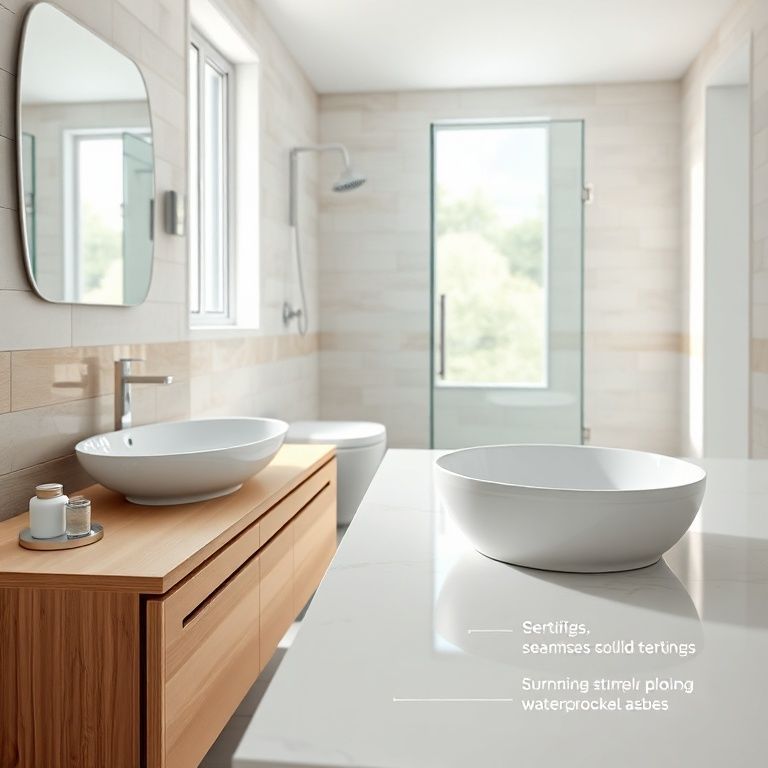
Scratch Resistance: Artificial marble’s surface is incredibly hard, often rated around 6.5 on the Mohs scale, which is more resistant to scratches compared to many natural stones. This makes it an ideal choice for high-traffic areas like kitchens and bathrooms where durability is paramount.
Water Resistance: While natural marble can be easily damaged by water, artificial marble is remarkably water-resistant. This means that spills and moisture will not seep into the stone, preventing stains and water rings that can plague natural stone surfaces.
Temperature Resistance: Artificial marble can handle high temperatures without cracking or warping, making it perfect for areas where appliances are frequently used. This is particularly beneficial in kitchens where the heat from stoves and ovens can affect natural stone.
Aesthetic Versatility
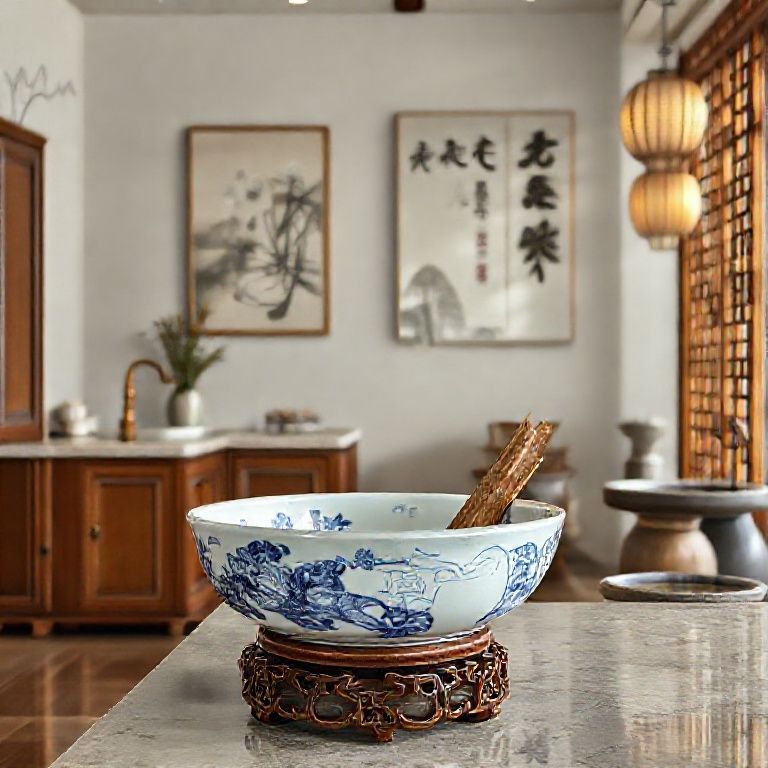
Artificial marble does not just offer superior performance; it also provides a stunning array of colors and textures that can mimic natural marble while allowing for more creative design possibilities.
Color and Texture Options: The production process of artificial marble allows manufacturers to create a wide range of colors and patterns. From deep, luxurious blacks to vibrant, eye-catching hues, artificial marble can be customized to fit any design vision. Moreover, the texture can be manipulated to give a stone a more natural look or a sleek, modern finish, providing designers with endless options for their projects.
Design Flexibility: Because artificial marble can be formed in various shapes and sizes, it offers greater design flexibility. Unlike natural stone, which often comes in large, uniform slabs, artificial marble can be cut into bespoke pieces that fit perfectly into any space. This is particularly advantageous for custom installations where unique shapes and sizes are required.
Maintenance and Cleaning
The low-maintenance nature of artificial marble is another significant advantage that sets it apart from natural stone.
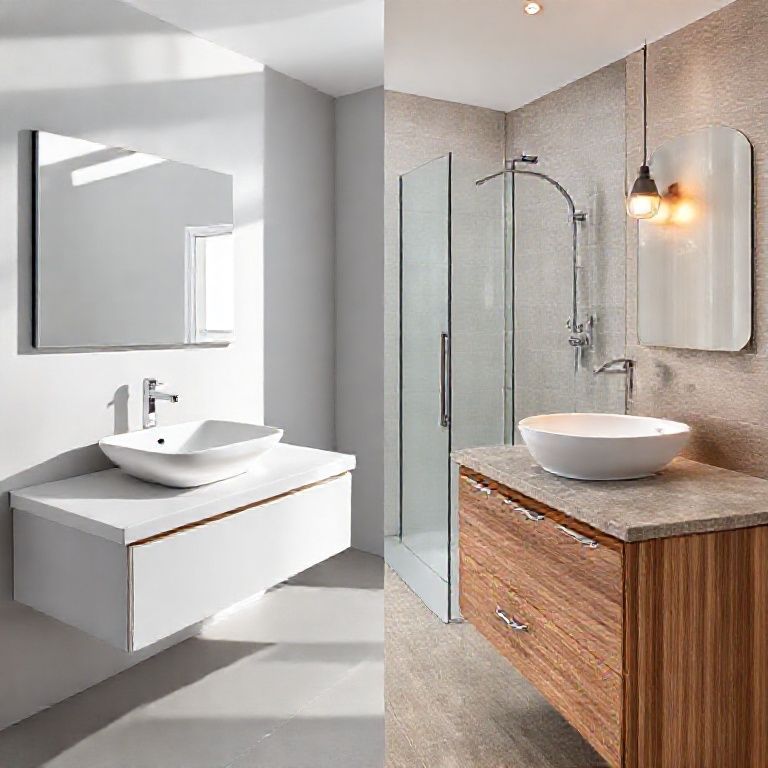
Ease of Cleaning: Cleaning artificial marble is straightforward. A simple wipe with a damp cloth and mild soap is typically all that’s needed to keep the surface looking pristine. Unlike natural marble, which requires special polishes and sealants to maintain its beauty and protect it from stains, artificial marble’s surface is not only easy to clean but also self-cleaning to an extent.
Resistant to Stains: The high-pressure manufacturing process ensures that the pigments are deeply embedded in the material, making artificial marble resistant to most household spills and stains. This is particularly beneficial in areas like kitchens and dining rooms where spills are common.
Environmental Impact
In an era where sustainability is increasingly important, artificial marble offers a more eco-friendly alternative to natural stone.
Reduced Waste: The production of natural marble involves the extraction of stone from quarries, which can lead to significant environmental degradation. Artificial marble, on the other hand, uses recycled materials and fewer natural resources, resulting in less waste.
Lower Carbon Footprint: The manufacturing process for artificial marble typically has a lower carbon footprint compared to the mining and transportation involved in natural stone. This means that choosing artificial marble can be a more environmentally conscious choice.
Cost-Effectiveness
Artificial marble is not just about performance and aesthetics; it’s also a cost-effective solution for many applications.
Affordability: While the initial cost of artificial marble can be higher than some other materials, its durability and low maintenance needs can result in significant savings over time. The need for less frequent replacement and maintenance makes it a cost-effective choice for both residential and commercial projects.
Value for Money: Given its long-lasting nature and the variety of design options available, artificial marble offers excellent value for money. It provides a luxurious look that rivals natural marble while being more practical and economical.
Applications in Interior Design
Artificial marble’s performance and versatility make it a popular choice for various applications in interior design.
Countertops: In kitchens and bathrooms, artificial marble is favored for its durability and aesthetic appeal. It can be used to create countertops that are not only beautiful but also highly resistant to wear and stains.
Flooring: While less common, artificial marble can also be used for flooring. Its durability and water resistance make it a practical choice for areas that see a lot of foot traffic and moisture.
Interior Design: Beyond practical uses, artificial marble’s versatility allows it to be used in creative design elements such as wall cladding, backsplashes, and even decorative items like vases and sculptures. Its ability to mimic natural marble while offering superior performance makes it a favorite among designers looking for a high-end yet practical material.
Conclusion
Artificial marble stands out as a superior alternative to natural stone in many ways. Its durability, resistance to stains and scratches, ease of cleaning, and environmental benefits make it a practical choice for both residential and commercial projects. The variety of colors and textures available, coupled with its cost-effectiveness, ensures that artificial marble can meet a wide range of design needs while delivering on performance.
In the next part, we will delve deeper into specific applications of artificial marble in home decor and renovation projects, showcasing how this remarkable material is transforming modern design.
Part 2
Exploring the Superior Performance of Artificial Marble
In the second part of our exploration of artificial marble, we will focus on its specific applications in home decor and renovation projects, highlighting how this material is revolutionizing modern design with its impressive performance and versatility.
Home Decor
Artificial marble’s aesthetic appeal and performance make it an excellent choice for various elements of home decor. Here’s how it’s being used to elevate the beauty and functionality of homes.
Kitchens: The kitchen is one of the primary areas where artificial marble is making a significant impact. Its durability and resistance to stains make it ideal for countertops, backsplashes, and even island surfaces. The ability to choose from a wide range of colors and textures allows homeowners to create a kitchen that perfectly matches their style and needs.
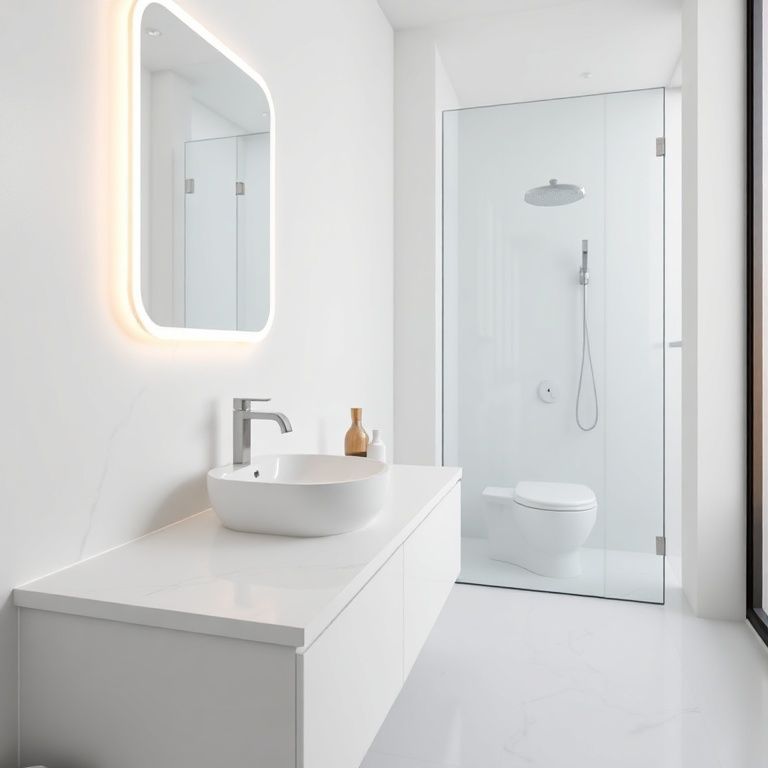
Bathrooms: In bathrooms, artificial marble is often used for vanities, sinks, and even bathtub surrounds. Its water resistance ensures that it remains looking pristine despite the frequent exposure to water and moisture. The variety of finishes available can give a bathroom a luxurious, high-end look.
Living Spaces: Beyond kitchens and bathrooms, artificial marble can be used in living spaces for elements like coffee tables, mantels, and decorative pieces. Its versatility allows it to blend seamlessly with different styles, from modern to traditional.
Renovation Projects
Artificial marble is not just limited to new builds; it’s also a popular choice for renovation projects, offering a modern and practical solution to outdated or damaged surfaces.
Upgrading Older Homes: For older homes that have worn-out countertops or bathroom surfaces, artificial marble provides a cost-effective way to update the space without the need for a full renovation. Its ease of installation and low maintenance requirements make it an attractive option for homeowners looking to refresh their homes.
Commercial Spaces: Artificial marble is also widely used in commercial spaces such as offices, restaurants, and retail stores. Its durability and resistance to stains make it perfect for areas that see heavy foot traffic and use. In commercial kitchens, artificial marble countertops can withstand the rigors of daily use while maintaining a pristine appearance.
Design Trends
The performance and versatility of artificial marble have led to its integration into various design trends.
Minimalism: The sleek, modern finish of artificial marble aligns well with minimalist design trends. Its clean lines and ability to come in a variety of neutral colors make it an excellent choice for minimalist interiors.
Luxury Design: Artificial marble’s ability to mimic natural marble’s luxurious look, combined with its practical benefits, makes it a favorite for high-end design projects. It allows designers to create spaces that feel luxurious without the high maintenance and cost associated with natural marble.
Sustainable Design: As sustainability becomes a more critical concern, artificial marble’s environmental benefits make it an attractive option for eco-conscious designers. Its use of recycled materials and lower carbon footprint align with the goals of sustainable design.
Installation and Maintenance
Understanding how to properly install and maintain artificial marble is essential to ensure its longevity and performance.
Installation: Artificial marble can be installed using various methods, depending on the specific application. For countertops, it can be set directly on a sub-frame or integrated into a cabinet structure. For flooring, it can be laid using traditional tiling methods. Proper installation ensures that the material will withstand the stresses of daily use.
Maintenance: As mentioned earlier, artificial marble is low maintenance. Regular cleaning with a damp cloth and mild soap is usually sufficient to keep the surface looking its best. Avoiding the use of harsh chemicals and abrasive cleaners can prevent scratches and damage to the surface.
Future Innovations
1. 更高的耐用性和抗污性: 未来的人造大理石可能会进一步增强其耐用性和抗污性能。通过改进制造工艺和添加新的功能性材料,可以使其更加耐磨、抗菌,甚至能够自清洁。这些改进将使人造大理石在更多恶劣环境中依然保持良好的性能。
2. 更多的颜色和纹理选择: 随着纳米技术和材料科学的发展,未来的人造大理石可能会提供更多的颜色和纹理选择。通过纳米粒子和先进的涂层技术,可以实现更加复杂和精细的设计,满足市场上越来越多样化的需求。
3. 智能化材料: 未来的人造大理石可能会融入智能化技术,例如温度感应、光变色、甚至能够发出轻微的光亮。这些智能化功能可以通过嵌入微电子元件实现,为建筑和家居带来更多的互动和智能化体验。
4. 可回收性和环保性: 随着环保意识的增强,未来的人造大理石材料可能会更加注重环保和可回收性。通过采用可再生材料和环保工艺,减少对环境的影响。回收和再利用技术的进步将使得旧的人造大理石材料能够被循环利用,减少废弃物。
5. 模块化和定制化: 未来的人造大理石制造可能会更加注重模块化和定制化。通过数字化设计和智能制造技术,可以快速生产符合特定需求的定制产品,满足个性化设计和小批量生产的市场需求。
6. 多功能材料: 除了传统的建筑和装饰用途,未来的人造大理石可能会应用于更多的领域,如医疗设备的外壳材料、电子设备的隔热材料等。其多功能性将进一步扩展其应用范围。
人造大理石在未来的发展中,将会在耐用性、美观性、环保性和智能化等方面取得更多的突破,从而满足更多的市场需求,并为建筑和家居设计带来更多的创新和可能性。