Introduction to Artificial Marble
In the realm of luxury home design, artificial marble stands as a beacon of elegance and innovation. Often mistaken for its natural counterpart, artificial marble is a meticulously crafted material that combines the timeless beauty of traditional marble with the practicality of modern materials. This synthetic marvel has revolutionized the way we perceive and utilize marble in interior design.
The Allure of Artificial Marble
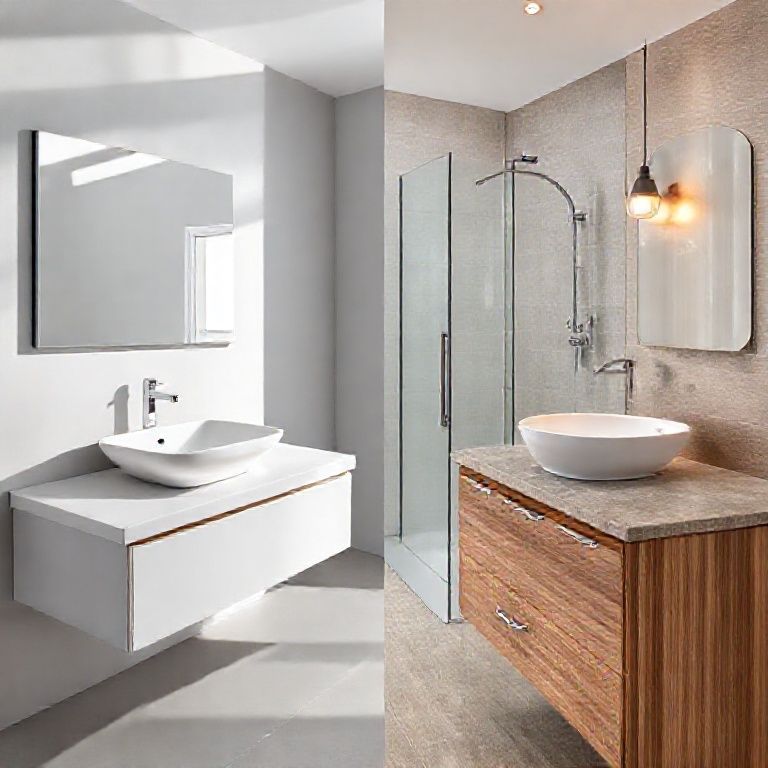
Artificial marble, also known as engineered stone, offers a spectrum of colors and patterns that rival the natural beauty of traditional marble. Its versatility allows designers to create unique and bespoke designs, catering to a wide range of aesthetic preferences. The appeal of artificial marble lies in its ability to mimic the intricate veining and rich hues of natural marble while providing superior durability and low maintenance.
Craftsmanship and Quality
The creation of artificial marble involves a meticulous process that starts with a blend of high-quality raw materials, including quartz, calcite, and other natural stones. These materials are fused together under intense heat and pressure, resulting in a stone that possesses the aesthetic qualities of marble but with the added benefits of strength and uniformity. The result is a product that not only looks stunning but also stands the test of time.
Versatility in Design Applications
One of the most remarkable aspects of artificial marble is its versatility. It can be used in various applications, from countertops and backsplashes to tabletops and flooring. The material’s ability to be molded into complex shapes and designs makes it an ideal choice for both modern and traditional interiors. Whether you’re looking to add a touch of sophistication to your kitchen or create a luxurious bathroom space, artificial marble offers endless possibilities.
Durability and Maintenance
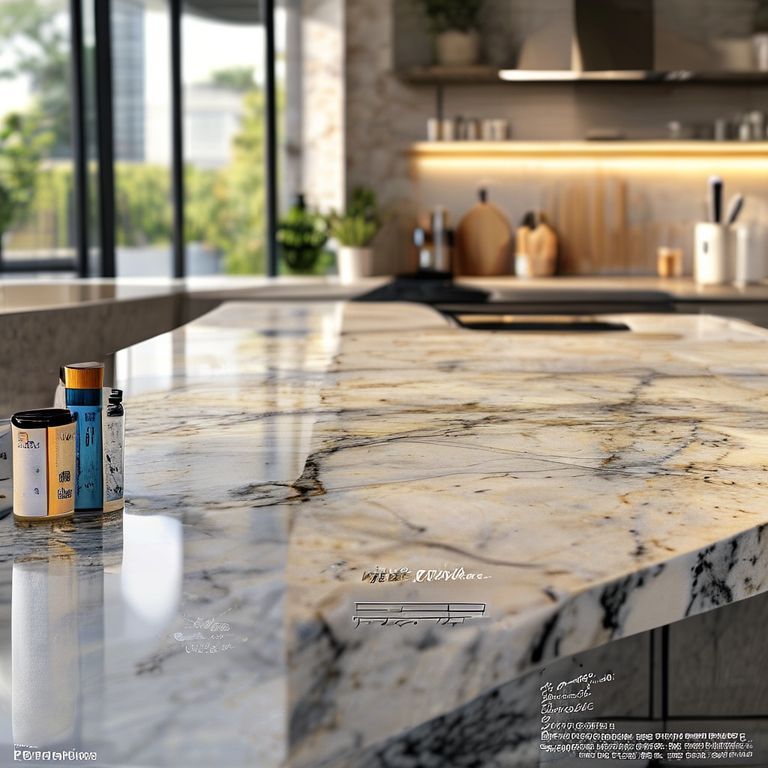
Artificial marble is renowned for its durability. Unlike natural marble, which is prone to staining and etching, artificial marble is resistant to most acids, making it an excellent choice for high-traffic areas where spills and stains are common. Moreover, its non-porous surface ensures that it remains clean and easy to maintain, requiring minimal effort to keep it looking pristine.
Environmental Impact
In an era where sustainability is paramount, artificial marble emerges as an eco-friendly choice. The production of natural marble involves significant environmental impact, including land disturbance and water usage. In contrast, artificial marble is manufactured in a controlled environment, reducing the ecological footprint associated with its creation. This makes it a responsible choice for environmentally conscious homeowners.
Case Studies in Modern Home Design
To appreciate the transformative power of artificial marble, one need only look at its application in contemporary home designs. Architects and designers worldwide are increasingly embracing artificial marble for its aesthetic versatility and practical benefits. Case studies reveal how artificial marble has been seamlessly integrated into luxurious homes, providing a sense of opulence and refinement.
Conclusion
In conclusion, artificial marble represents a harmonious blend of beauty and practicality, offering a luxurious yet low-maintenance option for modern home design. Its unparalleled versatility, combined with its durability and eco-friendly nature, makes it an ideal choice for those seeking to elevate their living spaces. As we continue to explore the possibilities of artificial marble, it is clear that this innovative material is set to redefine luxury in home design.
The Evolution of Artificial Marble
Historical Context and Technological Advancements
The journey of artificial marble is a testament to human ingenuity and technological advancement. While natural marble has been used for centuries in art and architecture, the concept of creating a synthetic alternative emerged in the 20th century. Early attempts at replicating marble involved simpler methods, but modern advancements have led to the creation of artificial marble that is virtually indistinguishable from its natural counterpart.
The Science Behind Artificial Marble
Artificial marble is created through a process known as sintering, where raw materials are combined and heated to extremely high temperatures. This process melts the materials together, allowing them to fuse into a single, cohesive unit. The result is a material that not only mimics the appearance of natural marble but also boasts enhanced properties such as increased strength and resistance to wear and tear.
Innovative Designs and Color Palettes
One of the most captivating aspects of artificial marble is the range of colors and designs it can achieve. Unlike natural marble, which comes in a limited palette of natural stone hues, artificial marble allows for virtually limitless possibilities. Designers can create custom colors and patterns, allowing for unique and personalized designs that cater to individual tastes. This flexibility has led to the creation of stunning, one-of-a-kind pieces that are truly remarkable.
Applications in Modern Interiors
Artificial marble’s versatility extends to a wide array of applications within modern interiors. From kitchen countertops to bathroom vanities, artificial marble can be found in spaces where durability and aesthetic appeal are paramount. Its ability to be molded into intricate shapes makes it an ideal choice for custom furniture pieces, decorative elements, and even large-scale installations. The material’s sleek, modern look complements a variety of design styles, from minimalist to contemporary to traditional.
Integrating Artificial Marble into Your Home
When considering the integration of artificial marble into your home, it is essential to understand its various benefits. The material’s resistance to stains and scratches makes it an excellent choice for high-traffic areas where maintenance can be a concern. Additionally, its ability to be polished and sealed ensures that it will maintain its pristine appearance over time. Whether you are renovating an existing space or designing a new home, artificial marble offers a luxurious and practical solution.
Sustainability and Ethical Considerations
In today’s environmentally conscious world, the choice of materials for home design has significant implications. Artificial marble stands out as a sustainable option due to its production process, which requires fewer natural resources compared to the extraction and processing of natural marble. Moreover, its durability reduces the need for frequent replacements, further minimizing its environmental impact. Choosing artificial marble is not only a stylish decision but also an ethical one.
Future Trends in Artificial Marble
As technology continues to advance, the future of artificial marble looks promising. Innovations in manufacturing processes are likely to enhance the material’s properties, making it even more durable and aesthetically versatile. Additionally, advancements in color and pattern customization will continue to push the boundaries of design possibilities. The ongoing evolution of artificial marble suggests that it will remain at the forefront of luxury home design for years to come.
Conclusion
In summary, artificial marble has emerged as a game-changer in the world of luxury home design. Its combination of aesthetic appeal, durability, and low maintenance has made it a preferred choice for architects, designers, and homeowners alike. As we continue to explore the endless possibilities of this innovative material, it is clear that artificial marble will continue to redefine the standards of elegance and sophistication in modern interiors.
Embrace the transformation that artificial marble can bring to your home, where luxury and practicality converge to create spaces that are not only beautiful but also sustainable and enduring.