Granite vs. Marble: Unveiling the Characteristics
When it comes to selecting natural stone for your home or commercial projects, two names often come up: granite and marble. These stones are celebrated for their beauty, durability, and versatility. However, despite their similarities, granite and marble have distinct characteristics that make them suitable for different applications.
What is Granite?
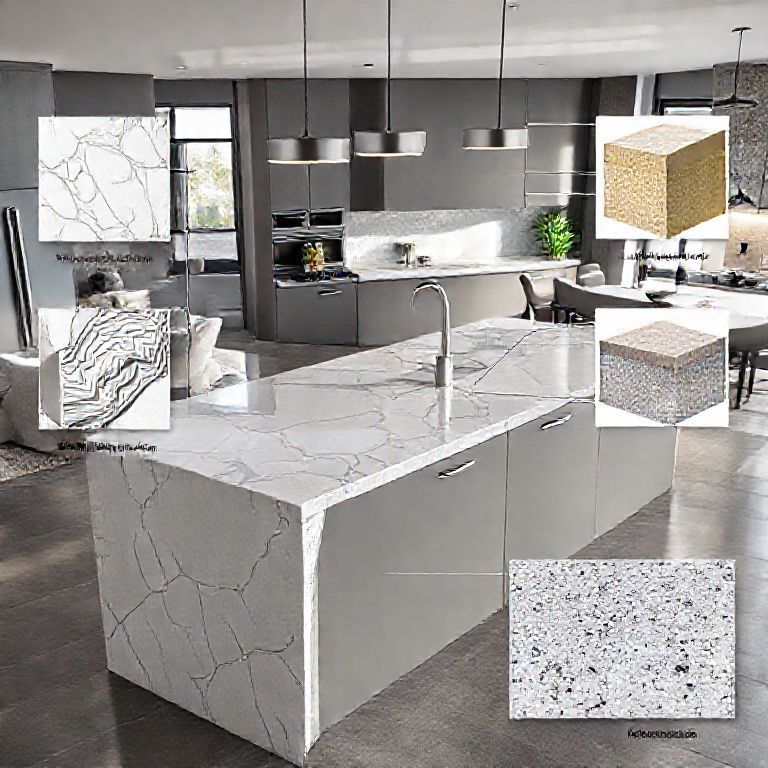
Granite is a coarse-grained igneous rock composed mainly of quartz, feldspar, and mica. It forms from the slow cooling of magma beneath the Earth’s surface, resulting in a robust and intricate mineral composition. Granite’s appeal lies in its striking colors, unique patterns, and impressive durability.
Composition and Varieties
Granite is a versatile rock with a wide range of colors and patterns. It typically includes:
Quartz: Adds strength and resistance to scratching. Feldspar: Contributes to the stone’s aesthetic appeal with various colors. Mica: Often gives granite its distinct, swirling patterns.
Different types of granite, such as Black Beauty, Imperial Gray, and Midnight, offer a diverse palette to choose from. Each type showcases unique veins and colors, making them suitable for various design styles.
Durability and Maintenance
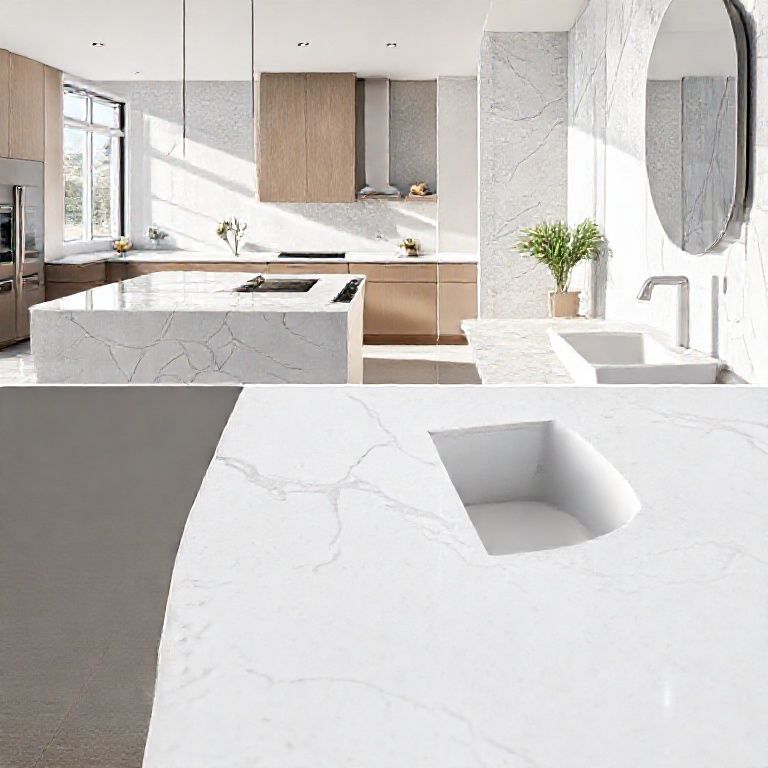
Granite is renowned for its exceptional durability and low maintenance. Its dense, crystalline structure makes it highly resistant to scratches, stains, and heat. However, to maintain its pristine appearance, granite surfaces should be sealed periodically to protect against staining. Regular cleaning with mild soap and water is recommended to keep the stone looking its best.
What is Marble?
Marble, on the other hand, is a metamorphic rock formed from the transformation of limestone under high pressure and heat. It is characterized by its beautiful, often luxurious patterns and colors, which range from white to black and everything in between.
Composition and Varieties
Marble consists primarily of calcium carbonate, which undergoes recrystallization under pressure, creating the veined and layered patterns that marble is famous for. Some popular varieties include:
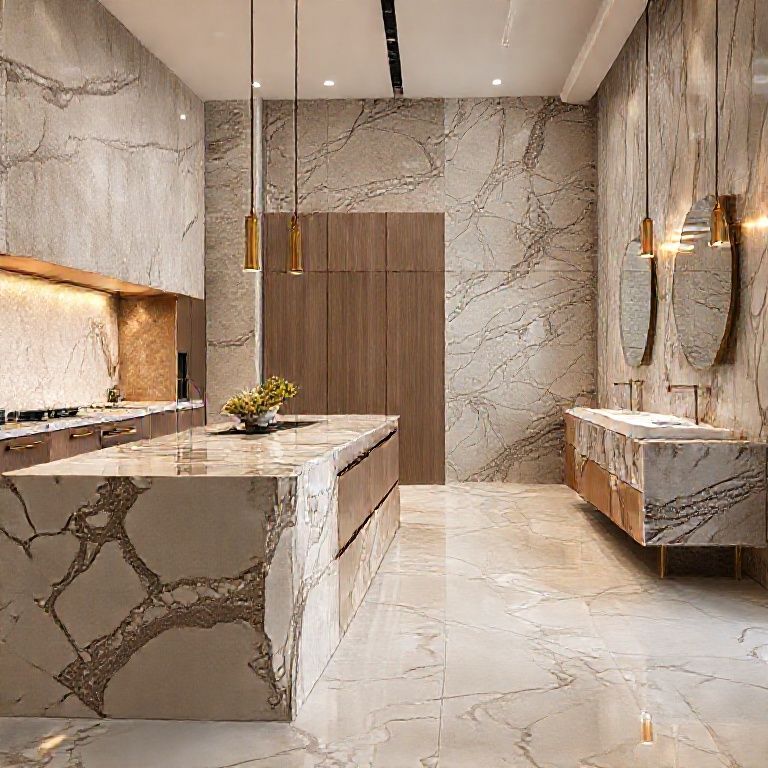
Travertine: Known for its unique, often intricate patterns. Calacatta: Offers a striking, veined appearance. Pizzoli: Features a dense, smooth texture with a creamy white hue.
Marble’s beauty comes from its natural veins and colors, which can be both a blessing and a challenge in terms of maintenance.
Durability and Maintenance
While marble is prized for its beauty, it is less durable than granite. Marble is relatively soft, which makes it prone to scratching, staining, and etching. Despite its beauty, marble requires more maintenance. Regular cleaning with a pH-neutral marble cleaner is essential to prevent discoloration. Additionally, sealing marble countertops with a high-quality marble sealant is recommended to protect against spills and stains.
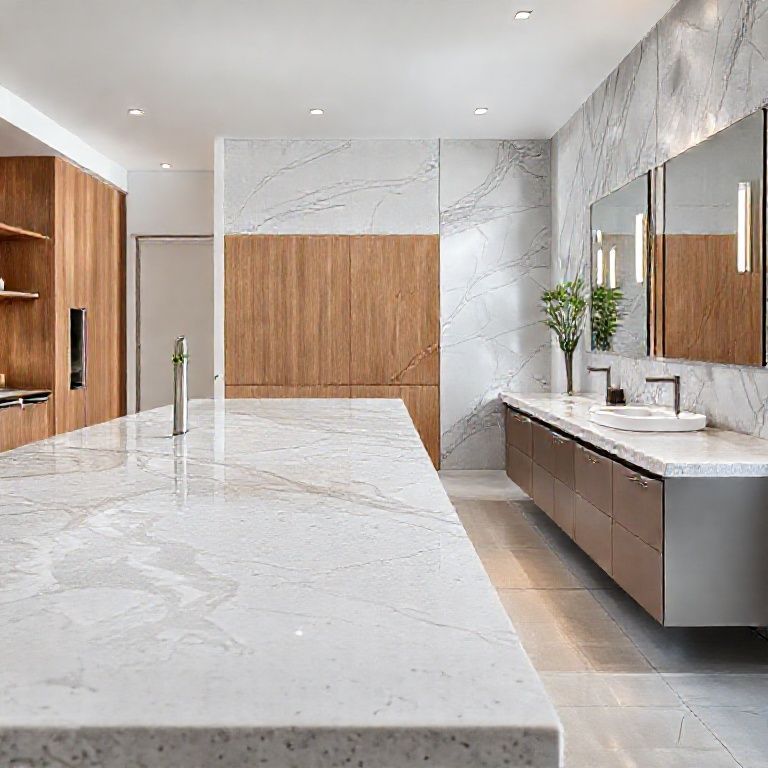
Applications of Granite and Marble
Granite Applications
Granite’s durability makes it an excellent choice for:
Countertops: Granite countertops are popular in kitchens and bathrooms due to their strength and aesthetic appeal. Flooring: Granite’s hardness makes it suitable for high-traffic areas. Facade Cladding: Its weather resistance makes it ideal for building exteriors. Monuments and Sculptures: Granite’s durability also makes it a preferred material for outdoor sculptures and monuments.
Marble Applications
Marble’s beauty makes it ideal for:
Countertops: Marble’s elegant patterns and colors make it a favorite for high-end kitchen and bathroom countertops. Flooring: While less durable than granite, marble is often used in less trafficked areas due to its aesthetic appeal. Interior Design: Marble is used in walls, fireplaces, and decorative elements to add a touch of luxury. Art and Architecture: Its classic beauty has made marble a staple in classical architecture and fine art.
Conclusion
Understanding the differences between granite and marble is essential for making an informed decision about which natural stone to use for your project. Granite’s durability and low maintenance make it a versatile choice for various applications, while marble’s beauty and elegance make it perfect for spaces where aesthetics are paramount. Whether you’re designing a modern kitchen or a luxurious bathroom, both granite and marble offer unique advantages that can enhance the beauty and functionality of your space.
Granite vs. Marble: Detailed Insights and Usage Tips
In the previous section, we delved into the fundamental characteristics and applications of granite and marble. Now, let’s explore more detailed insights into these two natural stones, their unique features, and provide specific usage tips to help you make the best choice for your project.
Detailed Insights on Granite
Natural Beauty and Versatility
Granite’s natural beauty comes from its rich colors and unique patterns, which are the result of the various minerals present during its formation. The interplay of quartz, feldspar, and mica creates a mesmerizing, often swirling appearance that can be customized to fit various design themes.
Thermal Resistance
One of granite’s most notable features is its exceptional thermal resistance. Granite can withstand high temperatures without cracking or warping, making it perfect for surfaces that are frequently exposed to heat, such as kitchen countertops. This makes granite a great choice for areas where hot pots and pans are commonplace.
Environmental Benefits
Granite is a natural stone that is formed over millions of years, which means it’s a sustainable resource. Quarrying granite does not deplete any natural resources but rather extracts a stone that has already formed. Additionally, granite is a non-toxic material that does not release harmful chemicals into the environment.
Detailed Insights on Marble
Unmatched Aesthetic Appeal
Marble’s beauty lies in its natural, veined patterns and colors, which create a sense of luxury and elegance. The way light plays across marble’s surface can transform any space, adding a touch of sophistication and refinement.
Chemical Resistance
While marble is prone to staining, it is highly resistant to most chemicals. This makes it suitable for applications where chemical resistance is important, such as in laboratories and industrial settings. However, it’s crucial to use appropriate cleaning products to avoid etching or damaging the stone.
Historical Significance
Marble has been used for centuries in architecture and art. Its use dates back to ancient civilizations, where it was employed for temples, sculptures, and buildings. Marble’s timeless beauty and historical significance make it a popular choice for those looking to add a touch of classical elegance to their spaces.
Usage Tips for Granite
Choosing the Right Granite
When selecting granite for your project, consider the following tips:
Color and Pattern: Choose a granite that complements your design aesthetic. Different colors and patterns can add unique character to your space. Quality: Opt for high-quality granite with a dense, uniform structure. This ensures better durability and resistance to scratches and stains. Sealing: Regular sealing is essential to protect granite from stains and maintain its appearance. Use a high-quality, food-grade sealant.
Installation Tips
Professional Installation: For countertops and flooring, it’s best to hire a professional installer to ensure proper alignment, sealing, and care. Sealing Maintenance: Granite countertops should be sealed every 6-12 months, depending on usage and exposure to liquids. Regular sealing keeps the stone looking fresh and prevents staining.
Usage Tips for Marble
Choosing the Right Marble
When selecting marble for your project, consider:
Color and Veining: Choose marble that has a color and veining pattern that fits your design vision. Marble comes in a wide range of colors and patterns, from classic white to rich black. Quality: Select high-quality marble with a dense structure to ensure durability. Marble that is too porous can be more prone to staining. Sealing: High-quality marble requires regular sealing to protect against stains and etching. Use a specialized marble sealant.
Installation Tips
Professional Installation: Like granite, it’s best to hire professionals for the installation of marble, especially for countertops and flooring, to ensure proper alignment and sealing. Maintenance: Regular cleaning with pH-neutral marble cleaner is essential. Avoid using abrasive cleaners or scrubbing pads that can scratch the surface. Sealing Maintenance: Seal marble countertops every 6-12 months to maintain their beauty and protect against stains. Always follow the manufacturer’s instructions for the best results.
Environmental and Economic Considerations
Sustainability
Both granite and marble are natural stones that are formed over millions of years, making them sustainable choices. However, the environmental impact of quarrying and transportation should be considered. Look for suppliers that practice sustainable quarrying methods and offer eco-friendly transportation options.
Cost-Effectiveness
While both granite and marble are premium materials, their cost can vary based on quality, color, and veining. Granite generally tends to be more affordable than marble, making it a cost-effective option for many projects. However, the long-term durability and low maintenance of granite can offset the initial cost, providing excellent value over time.
Conclusion
石材的耐用性和耐用性
耐磨性和耐污性
Granite: 由于其致密的晶体结构,花岗岩具有出色的耐磨性和耐污性。它能够很好地抵抗日常使用中的磨损和污渍。这使得花岗岩非常适合用于高流量和高使用频率的区域,如厨房和浴室。 Marble: 相比之下,大理石较软,容易被刮花和染色。因此,它通常不太适合高流量的区域。
通过定期的清洁和密封,大理石仍然可以在这些区域使用,但需要更多的维护。
美学特点
外观和纹理
Granite: 花岗岩的独特之处在于其多样的颜色和纹理。从深色到浅色,从单调到斑驳,花岗岩可以轻松适应各种设计风格。它的自然纹理使其看起来非常现代和时尚。 Marble: 大理石以其独特的天然花纹和丰富的颜色而闻名。它的外观通常更加柔和,给人一种高贵和经典的感觉。
这使得大理石特别适合用于需要展现奢华和优雅的空间。
安装和维护
安装复杂性
Granite: 花岗岩通常比大理石更容易安装。由于其较硬的特性,花岗岩不需要特殊的准备和处理,安装过程相对简单。 Marble: 大理石由于其较软的特性,需要更多的准备工作,如特殊的底层处理和定期的维护。安装大理石需要专业技能,以确保其耐用性和美观性。
维护要求
Granite: 花岗岩的低维护需求使其成为非常实用的选择。每隔几个月进行一次清洁即可保持其光泽和美观。定期密封可以增加其耐用性。 Marble: 大理石需要更多的维护。由于其容易被染色和刮花,需要经常进行清洁和密封。使用pH中性的清洁剂,并避免使用酸性和碱性清洁剂是非常重要的。
使用场景推荐
厨房和浴室
Granite: 花岗岩在厨房和浴室中的使用非常普遍。其耐用性和耐污性使其成为这些高使用频率区域的理想选择。 Marble: 大理石在浴室和厨房中的使用需要特别小心,通常仅限于墙面装饰或特定的装饰元素,而非主要使用材料。
地板和墙面
Granite: 花岗岩作为地板材料,其耐用性和耐磨性使其非常适合高流量区域。它还可以用于墙面装饰,特别是在现代和工业风格的设计中。 Marble: 大理石通常不适合作为地板材料,但在墙面装饰和精致的拱门、柱子等装饰元素中非常受欢迎。
环保和经济性
环保性
Granite: 作为一种天然石材,花岗岩具有较好的环保性。其开采和运输对环境的影响相对较小,但仍需关注采石场的可持续经营。 Marble: 大理石的环保性与花岗岩相似,但其开采和加工过程可能对生态系统造成更大的影响。
经济性
Granite: 由于其耐用性和低维护需求,花岗岩的长期成本较低,使其成为一种经济实惠的选择。 Marble: 大理石通常比花岗岩更昂贵,但其独特的美学价值使其在特定应用中具有更高的投资回报。
最终决策
在选择花岗岩和大理石时,最终的决策应基于你的项目需求、预算、美学偏好以及维护能力。如果你追求耐用性和低维护,花岗岩可能是更好的选择。而如果你希望展现奢华和优雅的设计感,大理石则是不二之选。无论选择哪一种,都建议与专业的石材供应商和安装人员进行详细咨询,以确保你的选择能够满足你的所有期望。