Granite vs. Marble – A Visual Comparison
When it comes to selecting natural stone for your home or commercial space, Granite and Marble are two of the most popular choices. Both materials boast timeless beauty and durability, but they have distinct differences that make each uniquely suited for different applications. In this part of our visual guide, we will delve into the core characteristics, origins, and uses of both Granite and Marble to help you make an informed decision.
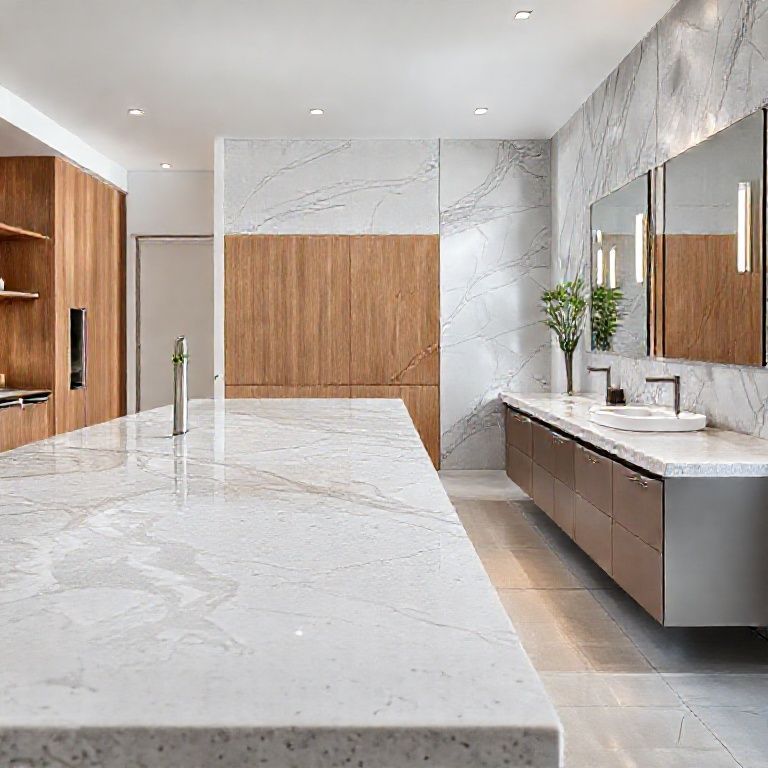
Granite: The Robust and Versatile Natural Stone
Origin and Composition Granite is an igneous rock formed through a slow cooling process of magma beneath the Earth’s surface. This cooling process creates a coarse-grained texture and a variety of colors, often featuring distinguishable mineral components like quartz, feldspar, and mica. The rich colors and patterns of granite are a result of its mineral composition, which can range from light gray to dark gray, and even include speckles of pink, red, green, or black.
Properties and Durability Granite is renowned for its exceptional durability and strength. Its high silica content contributes to its hardness, making it resistant to scratching, chipping, and staining. This durability makes granite an excellent choice for high-traffic areas such as countertops, flooring, and facades. Additionally, granite’s compressive strength ensures that it can withstand heavy loads and pressure without deforming.
Applications Due to its durability and aesthetic appeal, granite is widely used in various applications:
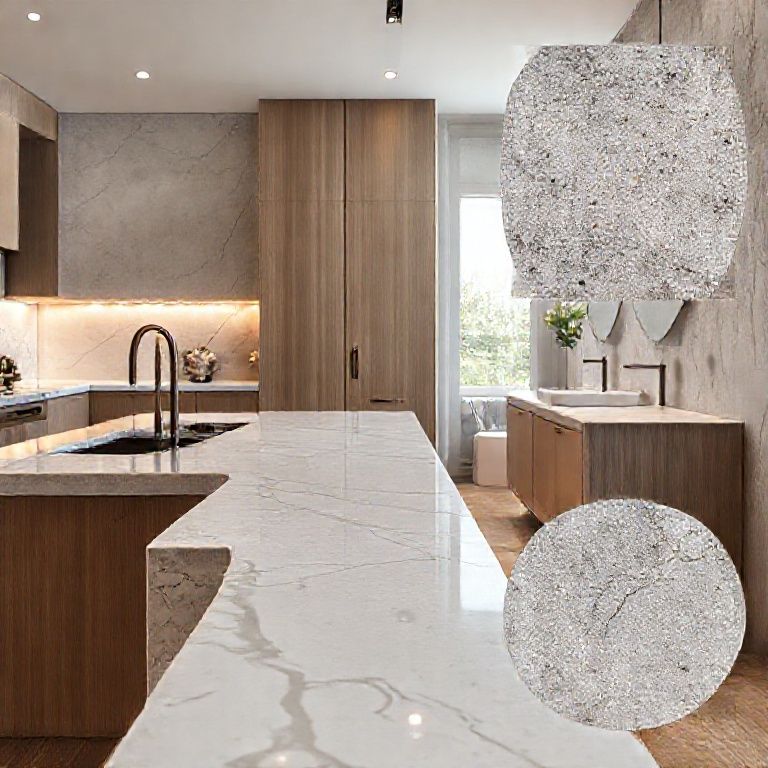
Countertops: Granite’s strength and beauty make it a top choice for kitchen and bathroom countertops. Flooring: Its resistance to wear and tear makes it ideal for high-traffic areas. Facades: Granite cladding provides a sleek, long-lasting finish for commercial and residential buildings. Monuments and Sculptures: Its durability and workability make granite a popular choice for monuments and sculptures.
Marble: The Elegant and Luxurious Natural Stone
Origin and Composition Marble is a metamorphic rock formed when limestone is subjected to intense heat and pressure over millions of years. This process causes the original limestone’s minerals to recrystallize, forming the intricate patterns and colors typical of marble. Marble is composed primarily of calcite or dolomite, which gives it its characteristic beauty and softness.
Properties and Durability While marble is highly prized for its elegance and beauty, it is less durable than granite. Marble’s softness makes it more susceptible to scratching, staining, and etching. It is essential to seal marble regularly to maintain its appearance and longevity. However, when properly maintained, marble’s unique veining and color variations offer a luxurious and timeless aesthetic.
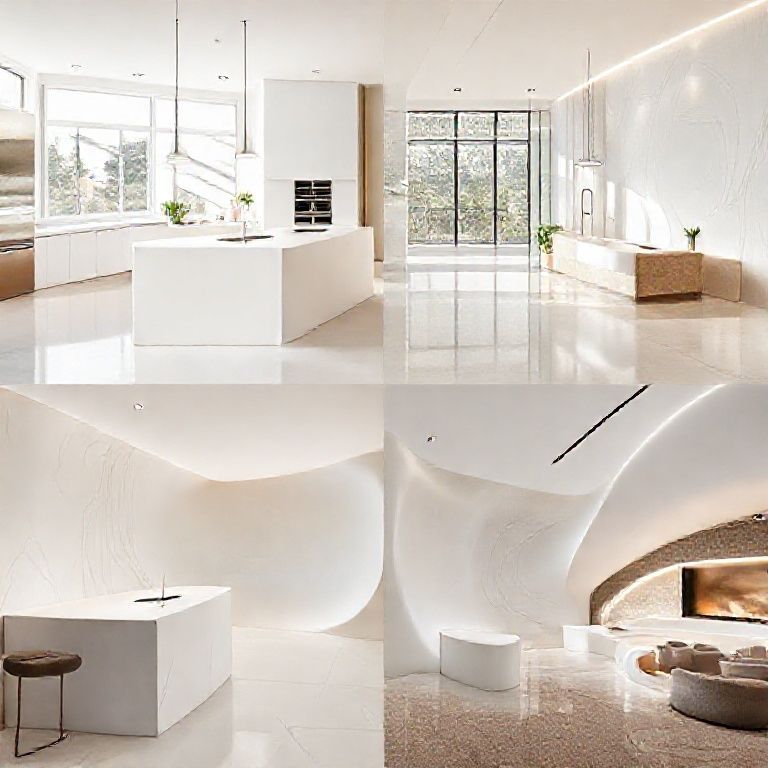
Applications Marble’s beauty and elegance make it ideal for a variety of high-end applications:
Flooring: Marble’s beauty can be showcased in elegant flooring, although it requires regular maintenance. Countertops: Marble is often used for kitchen and bathroom countertops for its luxurious look. Furniture: Marble tops are popular in dining tables, bar counters, and other furniture pieces. Interior Design: Marble’s stunning appearance makes it a favorite for interior design, including fireplaces, wall cladding, and decorative elements.
Comparative Visual Guide
To help you visualize the differences between Granite and Marble, we’ve created a comparative visual guide:
Color and Patterns
Granite: Granite comes in a wide range of colors and patterns. Its unique combination of minerals creates natural, striking designs that are often uniform across large slabs. Marble: Marble features intricate veining and color variations that are unique to each piece. The patterns are often swirling and can include colors such as white, cream, pink, and green.
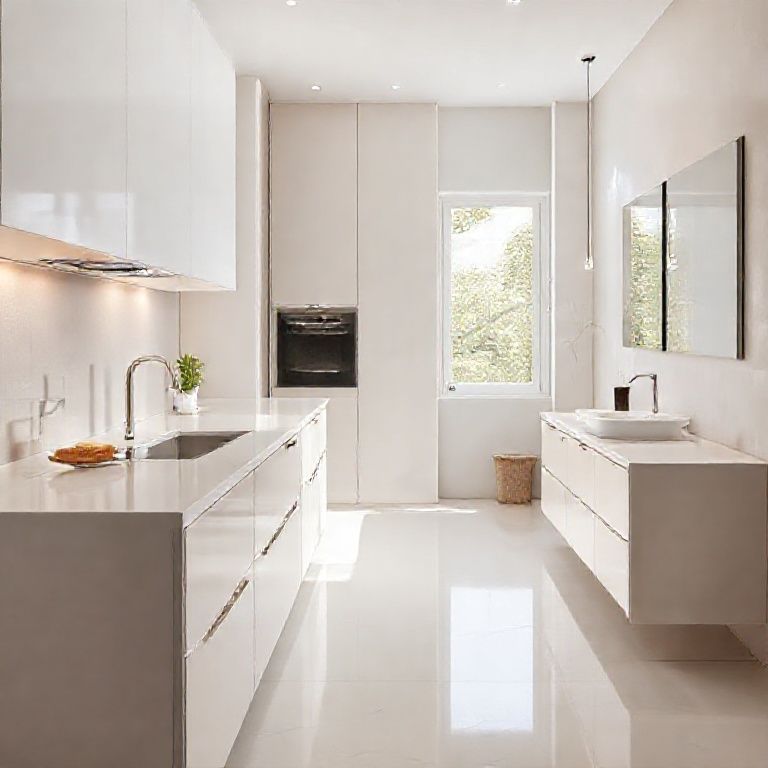
Texture and Finish
Granite: Granite has a coarse, uniform texture that is smooth to the touch but not overly polished. Its finish can range from matte to high-gloss. Marble: Marble’s texture is softer and more delicate than granite’s. Its surface can be polished to a high sheen, showcasing its beautiful patterns and colors.
Durability and Maintenance
Granite: Granite is highly durable and low maintenance. It requires minimal upkeep, primarily regular cleaning and occasional sealing to prevent staining. Marble: Marble’s beauty comes at the cost of durability. It requires regular sealing and careful cleaning to maintain its appearance, as it is more prone to scratches and stains.
Applications and Uses
Granite: Ideal for high-traffic areas due to its strength and low maintenance. Suitable for countertops, flooring, facades, and monuments. Marble: Best for areas where aesthetic appeal is paramount, such as luxury countertops, flooring, furniture, and interior design elements.
Conclusion
Both Granite and Marble offer unique advantages that cater to different design preferences and practical needs. Granite’s robustness and versatility make it a durable choice for functional spaces, while Marble’s elegance and beauty are perfect for luxurious and decorative applications. By understanding the key differences highlighted in this visual guide, you can make an informed decision that aligns with your design vision and functional requirements.
Stay tuned for the second part of our visual comparison where we will explore more in-depth details and additional visual aids to help you master the world of natural stone.
Granite vs. Marble – Detailed Insights and Applications
In the second part of our visual guide, we will delve deeper into the intricate details of Granite and Marble. From their formation processes to their specific applications in various industries, we’ll provide a comprehensive understanding of these two remarkable natural stones.
Formation Processes
Granite Formation Granite is formed through the slow cooling of magma deep within the Earth’s crust. This process, known as intrusive igneous activity, allows the minerals in the magma to crystallize over extended periods, resulting in a coarse-grained texture. The cooling rate is critical as it influences the size of the crystals formed, which in turn affects the stone’s appearance and strength.
Marble Formation In contrast, Marble is created through the metamorphic transformation of limestone. Over millions of years, intense heat and pressure cause the original calcite or dolomite in limestone to recrystallize. This process results in a fine-grained texture with distinct patterns and colors, unique to each piece of marble. The metamorphic process alters the mineral structure, giving marble its characteristic beauty and softness.
Chemical Composition and Mineral Content
Granite Composition Granite’s composition varies depending on its specific type, but it typically contains:
Quartz: Adds durability and gives granite its characteristic sparkle. Feldspar: Contributes to the stone’s color and texture. Mica: Provides color variations and can influence the stone’s overall appearance. Amphibole and Biotite: These minerals can also be present, adding to the stone’s unique patterns.
Marble Composition Marble is primarily composed of calcite or dolomite, which gives it its smooth, creamy appearance. The presence of impurities and varying mineral content can result in a wide range of colors and patterns:
Calcite: The primary mineral, contributing to marble’s beauty and softness. Dolomite: Less common but can be found in some marble varieties. Impurities: Minerals like iron can introduce colors ranging from pink to green.
Hardness and Durability
Granite Hardness Granite’s hardness makes it one of the most durable natural stones available. Its high silica content contributes to its resistance to scratching, chipping, and staining. This durability ensures that granite can withstand heavy use and pressure, making it ideal for high-traffic areas such as countertops, flooring, and facades.
Marble Hardness While marble’s beauty is undeniable, its hardness is significantly lower than granite’s. Marble’s softer composition makes it more susceptible to scratches, stains, and etching. Despite this, marble’s unique veining and color variations offer a luxurious aesthetic that is highly sought after in interior design and decorative applications.
Maintenance and Care
Granite Maintenance Granite’s durability and low maintenance requirements make it a popular choice for many applications. Regular cleaning with mild soap and water is sufficient to maintain its appearance. Occasional sealing is recommended to prevent staining, especially in high-traffic areas.
Marble Maintenance Marble’s beauty comes with a higher maintenance cost. Regular cleaning with a marble-specific cleaner is essential to prevent stains and etching. Due to its softness, marble should be sealed periodically to enhance its durability and maintain its appearance. It is also crucial to avoid using abrasive cleaners or harsh chemicals on marble surfaces.
Applications in Various Industries
Granite in Construction Granite’s strength and durability make it an excellent choice for various construction applications:
Flooring: Granite’s resistance to wear and tear ensures long-lasting flooring solutions. Countertops: Its durability and low maintenance make granite ideal for kitchen and bathroom countertops. Facades: Granite cladding provides a sleek, long-lasting finish for commercial and residential buildings. Monuments and Sculptures: Granite’s durability and workability make it a popular choice for monuments and sculptures.
Marble in Interior Design
Marble’s beauty and elegance make it a favorite in the interior design industry:
Flooring: Marble’s stunning appearance can be showcased in elegant flooring, though it requires regular maintenance. Countertops: Marble’s luxurious look makes it ideal for kitchen and bathroom countertops. Furniture: Marble tops are popular in dining tables, bar counters, and other furniture pieces. Interior Design: Marble’s striking appearance is perfect for fireplaces, wall cladding, and decorative elements.
Granite in Landscaping
Granite’s durability and aesthetic appeal also make it a popular choice for landscaping:
Pathways and Patios: Granite’s strength ensures that it can withstand heavy foot traffic and weather conditions. Garden Features: Granite can be used to create beautiful garden features such as fountains, benches, and walls. Water Features: Granite’s resistance to water makes it suitable for creating durable water features.
Marble in Sculpture and Art
Marble’s unique texture and beauty have made it a favored material for sculptors and artists throughout history:
Statues and Sculptures: Marble’s fine grain and ability to be finely carved make it ideal for creating detailed and lifelike sculptures. Art Installations: Marble is used in contemporary art installations to create stunning visual effects.
Environmental Impact and Sustainability
When considering natural stone for your projects, it’s important to think about the environmental impact and sustainability of the materials used.
Granite
Mining and Sourcing: Granite mining has a significant environmental footprint due to the large areas disturbed during extraction. However, responsible mining practices can help mitigate these impacts. Recyclability: Granite is a non-renewable resource but can be recycled in certain applications, such as road construction.
Marble
Mining and Sourcing: Like granite, marble mining can have a significant environmental impact. Sustainable practices are essential to reduce this footprint. Recyclability: Marble can also be recycled in some applications, but its recyclability is more limited compared to granite.
Sustainability Initiatives
Both granite and marble industries are working towards more sustainable practices, including:
Ethical Sourcing: Ensuring that stone is sourced from mines that adhere to ethical and environmental standards. Reduced Carbon Footprint: Implementing measures to reduce the carbon footprint associated with the production and transportation of natural stone.
Conclusion
Understanding the differences between Granite and Marble is crucial for making informed decisions about their use in various applications. Granite’s robustness and versatility make it ideal for high-traffic, functional areas, while Marble’s elegance and beauty are perfect for luxury and decorative applications. By considering their formation processes, chemical compositions, hardness, durability, maintenance, and environmental impact, you can choose the right natural stone that meets your design vision and practical needs.
For more detailed visual comparisons and additional insights, stay tuned for further updates in our series on Granite vs. Marble. Whether you’re a homeowner, architect, or design enthusiast, this comprehensive guide aims to provide you with the knowledge to make the best choice for your project.