Understanding the Basics of Marble Flooring Cost Calculation
In the world of luxury flooring, marble stands out as one of the most coveted materials. Known for its timeless elegance and natural beauty, marble flooring offers a sophisticated touch to any space. However, the allure of marble comes with a price tag that can vary significantly based on several factors. Understanding these variables is crucial for anyone planning to install marble flooring. Let’s delve into the basics of how to calculate the cost of marble flooring.

1. Material Selection: The Core of Pricing
The first and most significant factor in determining the cost of marble flooring is the type of marble chosen. Marble comes in various types, each with its unique color, texture, and price point. Here’s a brief overview:
Italian Marble: Known for its refined beauty and durability, Italian marble often commands a higher price due to its prestige and quality. Turkish Marble: Similar to Italian marble but generally more affordable, Turkish marble still provides excellent quality and aesthetic appeal. Indian Marble: Often used for its affordability, Indian marble offers a range of colors and patterns but may not match the durability of higher-end marbles. Other Varieties: There are numerous other types of marble, each with their unique attributes and price points.
The type of marble chosen will significantly influence the overall cost, with premium marbles costing significantly more than more economical options.

2. Quality and Grade
Within each type of marble, quality and grade play a pivotal role in pricing. Marble can be graded based on several factors:
Color Uniformity: Marble with consistent and rich colors typically costs more. Veining Patterns: Unique and intricate veining can increase the price. Defects and Flaws: Marble with fewer defects or imperfections is more expensive.
The quality and grade of the marble not only affect the initial cost but also its durability and lifespan, making it a worthwhile investment.

3. Thickness and Size
The thickness and size of marble tiles also impact the cost. Thicker tiles tend to be more durable and offer a more polished finish but are also more expensive. Similarly, larger tiles require more material and thus increase the overall cost. Custom sizes and shapes can add to the expense due to additional cutting and crafting.
4. Surface Finish
The finish of the marble can vary, including honed, polished, and tumbled finishes. Each finish has its own aesthetic appeal and maintenance requirements:
Honed Finish: This rough finish gives marble a rustic look and is less expensive than polished finishes. Polished Finish: A smooth, shiny finish that requires regular maintenance but offers a sleek and elegant look. Tumbled Finish: A semi-gloss finish that’s easy to clean and maintain but may cost more due to the specialized process.
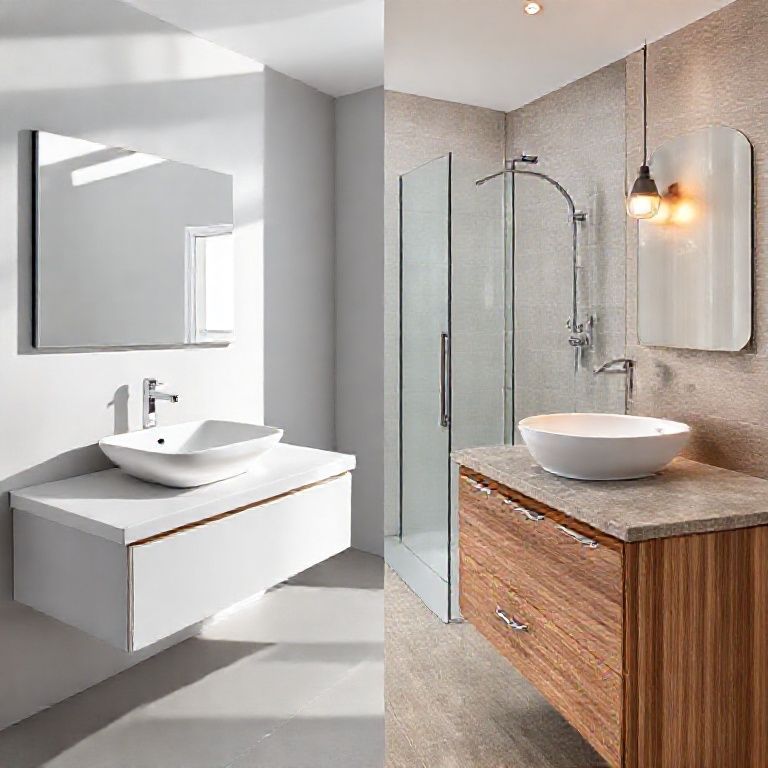
Choosing the right finish will not only affect the initial cost but also the long-term maintenance and care of the flooring.
5. Installation Costs
Labor costs for marble flooring installation can vary widely depending on several factors:
Complexity of Installation: Complex patterns or intricate designs will require more time and expertise, increasing labor costs. Location: Installation costs can differ based on geographic location due to varying labor rates and transportation costs. Experience of the Contractor: Highly experienced and reputable contractors may charge more due to their expertise and quality assurance.
6. Additional Costs
Several other factors can influence the overall cost of marble flooring:
Shipping and Handling: If the marble needs to be transported over long distances, shipping costs will add to the total expense. Permits and Fees: Some areas may require permits for the installation, adding to the overall cost. Waste and Scraps: Additional costs may arise from waste and scraps during the installation process.
Understanding these elements is the first step in accurately calculating the cost of marble flooring. With this foundational knowledge, we can move on to more detailed cost estimations in the next part of this guide.
Detailed Cost Estimation for Marble Flooring
Once you have a basic understanding of the factors influencing marble flooring costs, it’s time to dive into a detailed cost estimation. This step-by-step breakdown will help you accurately calculate the total expense for your marble flooring project, ensuring you stay within budget while achieving the desired aesthetic.
1. Square Footage Calculation
To begin with, determine the total square footage of the area where you plan to install the marble flooring. This can be done by measuring the length and width of the space and multiplying these values together. For irregular spaces, break the area into smaller, manageable sections and calculate each separately before summing them up.
2. Material Costs
With the square footage calculated, the next step is to determine the material costs. Use the following formula to estimate the number of tiles needed:
[ \text{Number of Tiles} = \left( \text{Total Square Footage} \times \text{Tile Size} \right) ]
For example, if the total area is 200 square feet and the tile size is 1 square foot (12” x 12”), you will need 200 tiles. To this number, add an additional 10% to account for cuts, breakages, and other waste during installation.
3. Cost per Square Foot
Once you know the number of tiles required, calculate the cost per square foot. This involves dividing the total cost of the marble by the total square footage:
[ \text{Cost per Square Foot} = \frac{\text{Total Cost of Marble}}{\text{Total Square Footage}} ]
For instance, if the total cost of the marble is $10,000 for 200 square feet, the cost per square foot is:
[ \text{Cost per Square Foot} = \frac{10,000}{200} = \$50 ]
4. Labor Costs
Labor costs are a significant component of the overall project cost. To estimate labor costs, consider the complexity of the installation:
Simple Installations: For straightforward, even surfaces, labor costs might range from $1 to $2 per square foot. Complex Installations: For intricate patterns, detailed designs, or uneven surfaces, labor costs can range from $3 to $5 per square foot.
5. Additional Costs
Don’t forget to factor in additional costs such as shipping, handling, permits, and potential waste. These costs can vary based on several factors, including the type of marble, distance from the supplier, and local regulations.
6. Total Cost Estimation
To get the total cost estimation, sum up the material costs, labor costs, and additional costs. Here’s a simple formula to use:
[ \text{Total Cost} = (\text{Material Cost}) + (\text{Labor Cost}) + (\text{Additional Costs}) ]
For example, if the material cost is $10,000, the labor cost is $2,000 (for a complex installation), and additional costs are $500, the total cost would be:
[ \text{Total Cost} = 10,000 + 2,000 + 500 = \$12,500 ]
7. Budgeting and Planning
With a detailed cost estimation, you can now create a comprehensive budget and plan for your marble flooring project. Consider setting aside a buffer of 10-15% of the total cost to cover unexpected expenses or changes. This ensures you’re financially prepared and can handle any unforeseen circumstances.
8. Comparing Quotes
To ensure you’re getting the best value for your money, compare quotes from multiple suppliers and contractors. Look for:
Transparent Pricing: Ensure the quote includes all costs, including materials, labor, and any additional fees. Experience and Reputation: Choose reputable suppliers and contractors with positive reviews and a proven track record. Warranties and Guarantees: Check for warranties or guarantees on the materials and installation to ensure quality and durability.
9. Final Considerations
Finally, consider the long-term benefits and maintenance costs associated with your marble flooring choice. Higher-end marbles may have a steeper initial cost but often provide superior durability and require less maintenance, making them a worthwhile investment in the long run.
By following this detailed cost estimation process, you can accurately calculate the cost of marble flooring and make informed decisions to achieve the perfect blend of beauty and value for your space.
In conclusion, calculating the cost of marble flooring involves understanding various factors, from material selection to labor costs and additional expenses. By breaking down these elements and following a detailed cost estimation process, you can ensure a smooth and successful installation that meets your aesthetic goals and budget constraints. Whether you’re a homeowner or a contractor, this comprehensive guide provides the insights needed to make informed decisions in your marble flooring project.当然,继续探讨如何更深入地理解和计算大理石铺装的总成本。
为了进一步明确这个过程,我们可以更具体地探讨每个步骤中可能涉及的细节和实际操作。
10. 精确测量和砌筑
为了确保精确的材料和劳动力成本,准确测量施工区域是必不可少的。这通常包括以下几个步骤:
测量尺寸: 使用卷尺、激光测距仪等工具,确保测量的准确性。 考虑墙面和角落: 测量时要特别注意墙面的高度和角落的尺寸,这些地方通常需要特别处理。 计算边缘和缝隙: 确定边缘和缝隙的尺寸,这些部分会增加材料的消耗量。
11. 预算细化
在测量完成后,可以对预算进行细化。这里我们详细列出每个部分的费用:
材料费用: 根据之前计算的材料数量,查询市场价格并计算总成本。 劳动力费用: 根据当地的劳动力市场情况,估算每小时的工人费用,然后乘以所需的工作小时数。 其他费用: 包括运输费用、安装工具租赁费用、可能需要的专业设备租赁费用等。
12. 施工计划
制定一个详细的施工计划,确保每个步骤都有明确的时间和人员安排。这包括:
准备阶段: 清理施工区域,准备铺设工具和材料。 切割和调整: 根据测量结果对大理石进行切割,以便完美贴合施工区域。 铺设阶段: 按照计划逐步进行大理石的铺设,包括粘合剂的准备和涂抹、大理石的放置和调整、缝隙的填充等。 后期处理: 包括清理工作区域、检查铺设效果、进行必要的修整和打磨。
13. 质量控制
在施工过程中,保持质量控制是至关重要的。这包括:
定期检查: 在施工过程中,定期检查每一个阶段的质量,确保符合预期。 反馈和调整: 根据检查结果,及时进行调整和修正,避免后期返工。 最终验收: 施工完成后,进行最终验收,确保所有工作都符合设计和质量要求。
14. 预算调整
在施工过程中,可能会遇到一些意外情况,导致成本发生变化。这时需要对预算进行调整:
记录变动: 记录每一个变动的原因和数值。 重新评估: 根据新的情况,重新评估总成本,确保在新的预算范围内完成工程。
15. 总结和反馈
施工完成后,进行总结和反馈:
成本总结: 对比实际花费和原先预算,总结成本控制中的得失。 客户反馈: 收集客户的反馈,了解工程质量和服务的满意度。 经验总结: 总结这次项目的经验,为未来的项目提供参考。
通过这些步骤,您将能够更全面、准确地计算和控制大理石铺装的总成本,同时确保施工质量和客户满意度。这不仅有助于项目的成功实施,也为未来类似项目提供宝贵的经验。