Understanding the Basics of Artificial Marble Pricing
Artificial marble has revolutionized the world of interior design with its stunning aesthetics, durability, and low maintenance. However, determining the price per square meter for artificial marble can be a complex task. This guide will break down the fundamental concepts and factors that influence the cost, making it easier for you to estimate your project’s expenses accurately.
What is Artificial Marble?
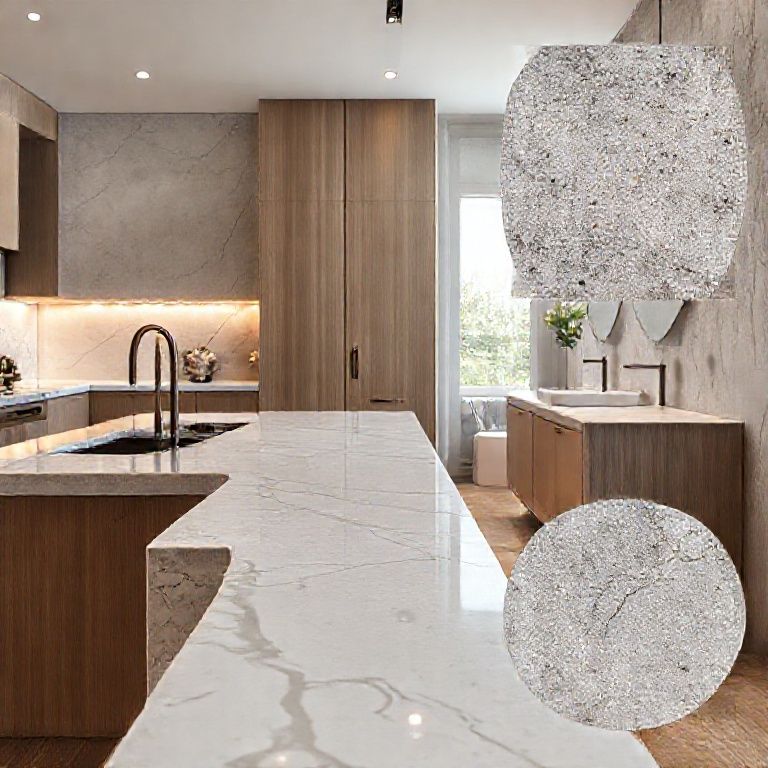
Artificial marble, often referred to as engineered stone, is a composite material made from natural stone powders, typically marble, and other additives. This material is bonded together using a resin-based binder to create a solid surface that closely mimics the appearance of natural marble. Its unique properties, such as resistance to stains, scratches, and high temperatures, make it an excellent choice for various applications, including countertops, tabletops, and wall cladding.
Key Factors Influencing Artificial Marble Pricing
To understand how to calculate the price per square meter for artificial marble, it’s essential to consider several key factors:
Material Quality and Composition: The quality and composition of the artificial marble significantly impact its cost. High-quality materials with superior stone powders and advanced resin binders will naturally be more expensive. Manufacturers often label their products with quality ratings, such as “A,” “B,” or “C,” to indicate the level of material used.
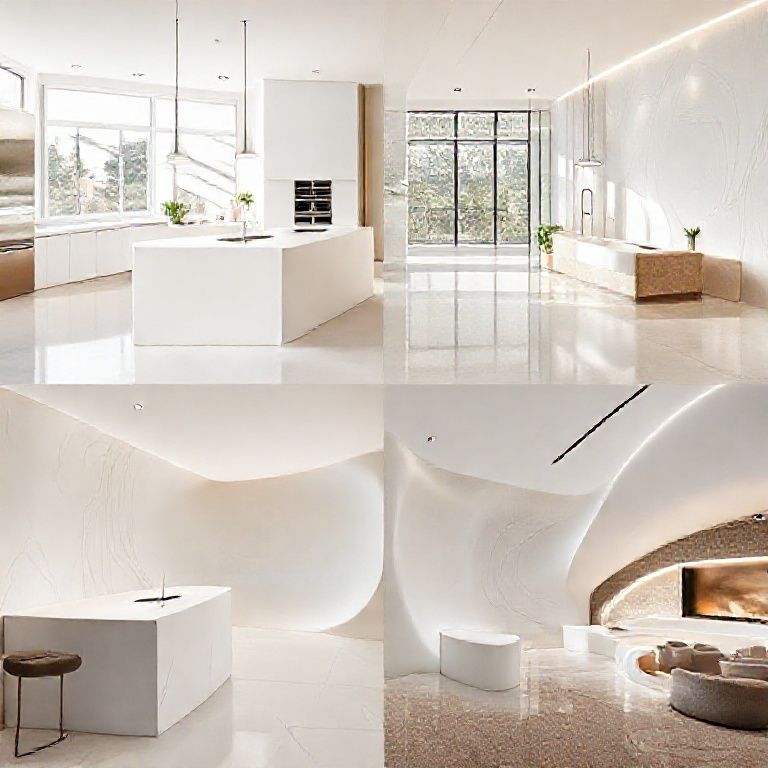
Design and Aesthetics: The design complexity and aesthetic appeal of the artificial marble also play a crucial role in pricing. Custom designs, intricate patterns, and unique textures will generally increase the cost compared to standard, uniform surfaces.
Surface Finish: The type of surface finish affects the material’s appearance and durability. Options include polished, honed, brushed, and textured finishes. Each finish type has its cost implications, with polished surfaces typically being the most expensive due to the additional labor required for the finishing process.
Installation Costs: The cost of labor for installation is a significant component of the overall price. Factors such as the complexity of the installation, the size of the area to be covered, and the experience of the installers will influence this cost. Professional installation ensures a flawless finish, but it also adds to the overall expense.
Location and Accessibility: The geographical location and accessibility of the manufacturing plant can affect transportation costs. Materials sourced from distant locations may incur higher shipping fees, thereby increasing the final price.
Customization and Orders: Custom orders, such as specific colors, sizes, or shapes, will invariably increase the cost. While customization allows for a perfect fit and unique design, it also requires additional processing time and resources.
Basic Calculation Method
To calculate the price per square meter for artificial marble, follow this straightforward formula:
[ \text{Total Cost} = \left( \text{Price per Square Meter} \times \text{Total Area in Square Meters} \right) + \text{Installation Costs} ]
Here’s a step-by-step breakdown of the calculation process:
Determine the Price per Square Meter: To find the price per square meter, you need to know the total cost of the artificial marble material and the total area to be covered in square meters. This information is typically provided by the manufacturer or supplier.
Calculate the Total Area: Measure the area in square meters that will be covered with artificial marble. For example, if you are installing artificial marble countertops in a kitchen measuring 5 meters by 3 meters, the total area is 15 square meters.
Include Installation Costs: Add the cost of professional installation to the total cost. This includes labor, any additional equipment required, and the expertise of experienced installers.
Practical Example
Let’s consider a practical example to illustrate the calculation process:
Material Cost: $50 per square meter Total Area: 20 square meters Installation Cost: $1,000
Using the formula:
[ \text{Total Cost} = \left( 50 \times 20 \right) + 1,000 = 1,000 + 1,000 = 2,000 ]
Thus, the total cost for installing artificial marble on a 20 square meter area, including installation, is $2,000.
Tips for Accurate Estimation
Get Multiple Quotes: Obtain quotes from several suppliers to compare prices and services. This will help you identify the best value for your budget.
Consider Hidden Costs: Be mindful of potential hidden costs, such as shipping, taxes, and any additional fees that may apply.
Understand Warranty and Maintenance: Some manufacturers offer warranties that cover the material and installation. Understanding these terms can provide peace of mind and potentially save money in the long run.
Consult Professionals: Engaging professionals for installation can ensure a high-quality finish and reduce the risk of costly mistakes.
By understanding the factors that influence the price per square meter for artificial marble and using the basic calculation method, you can make informed decisions and ensure accurate cost estimation for your project.
Advanced Considerations and Best Practices for Artificial Marble Pricing
Now that we’ve covered the basics of calculating the price per square meter for artificial marble, let’s delve into more advanced considerations and best practices to help you achieve a precise cost estimate and ensure a successful project outcome.
Advanced Factors Affecting Pricing
While the basic factors we discussed are essential, there are additional elements that can further influence the pricing of artificial marble:
Color and Design Variations: Different colors and designs can significantly impact the cost. Some colors may require additional processing or special formulations, increasing the overall price. Custom designs and unique color combinations can also add to the expense.
Thickness and Density: The thickness and density of the artificial marble can affect its durability and cost. Thicker and denser materials are generally more expensive due to the higher amount of stone powder used and the additional strength provided.
Custom Fabrication: Custom fabrication, such as creating custom shapes, sizes, or special features, will incur additional costs. This includes cutting to specific dimensions, creating intricate patterns, or designing unique features that go beyond standard offerings.
Environmental and Sustainability Factors: The environmental impact and sustainability of the manufacturing process can influence pricing. Materials that are eco-friendly, made from recycled materials, or produced using sustainable practices may have higher upfront costs but can offer long-term savings and appeal to environmentally conscious consumers.
Market Trends and Economic Factors: Market trends, economic conditions, and fluctuations in raw material costs can also affect pricing. Suppliers may adjust prices based on market demand, currency exchange rates, and changes in the cost of raw materials.
Advanced Calculation Techniques
To refine your cost estimation, consider these advanced calculation techniques:
Breakdown by Component Costs: Break down the total cost into component parts, such as material, design, surface finish, and installation. This detailed approach allows for a more accurate and transparent cost analysis.
Use of Online Calculators: Utilize online calculators and software tools designed for estimating material costs. These tools often provide detailed inputs and outputs based on specific project requirements, helping you to fine-tune your estimates.
Historical Data Analysis: Analyze historical data from previous projects to identify patterns and trends in material costs. This can help predict future pricing and make more informed budget planning.
Professional Consultation: Consult with professionals who specialize in artificial marble installation and pricing. Their expertise can provide valuable insights and help avoid common pitfalls in cost estimation.
Best Practices for Accurate Cost Estimation
Detailed Measurement: Measure the area to be covered meticulously. Include all edges, corners, and complex shapes to ensure an accurate total area calculation. Use measuring tools such as laser measures or tape measures for precision.
Transparent Communication: Maintain open and transparent communication with suppliers and contractors. Clarify all terms, conditions, and potential costs to avoid misunderstandings and unexpected expenses.
Consider Future Maintenance Costs: While the initial installation cost is a significant factor, consider future maintenance costs. Artificial marble is low maintenance but may require occasional cleaning and minor repairs. Factoring in these costs ensures a comprehensive budget.
Regular Price Updates: Stay updated on market trends and pricing fluctuations. Regularly check supplier websites, attend industry trade shows, and network with professionals to stay informed about the latest pricing and market conditions.
Budget Buffer: Include a buffer in your budget to account for unforeseen expenses or changes in project scope. A modest buffer can provide peace of mind and allow for adjustments without compromising the project’s quality.
Conclusion
Calculating the price per square meter for artificial marble involves a comprehensive understanding of various factors that influence the cost, from material quality and design complexity to installation and environmental considerations. By employing advanced calculation techniques and best practices, you can achieve precise cost estimations and ensure a successful project outcome.
Artificial marble offers a blend of继续我们的探讨,为了确保你对于计算人造大理石单价有一个全面的理解,让我们进一步探讨一些实际应用和案例,这将帮助你更好地把握这个过程。
实际应用和案例分析
案例一:厨房台面
材料成本: 假设你选择的是高质量的人造大理石,价格为$60/平方米。 总材料成本 = $60/平方米 × 10平方米 = $600。 设计和定制费用: 如果你选择了特殊的设计或颜色,可能需要额外的设计费用,这里假设为$50。 表面处理: 假设需要进行高质量的抛光处理,这将增加$20/平方米的成本。
表面处理费用 = $20/平方米 × 10平方米 = $200。 安装费用: 由于厨房台面的安装相对复杂,需要专业人员,假设安装费用为$30/平方米。 安装费用 = $30/平方米 × 10平方米 = $300。 总成本计算: 总成本 = 材料成本 + 设计费用 + 表面处理费用 + 安装费用 总成本 = $600 + $50 + $200 + $300 = $1,150。
案例二:浴室墙面
材料成本: 假设使用中等质量的人造大理石,价格为$40/平方米。 总材料成本 = $40/平方米 × 8平方米 = $320。 设计和定制费用: 假设没有特殊设计需求,设计费用为$0。 表面处理: 假设需要进行抛光处理,这将增加$15/平方米的成本。
表面处理费用 = $15/平方米 × 8平方米 = $120。 安装费用: 由于墙面安装可能涉及到防水处理,假设安装费用为$25/平方米。 安装费用 = $25/平方米 × 8平方米 = $200。 总成本计算: 总成本 = 材料成本 + 表面处理费用 + 安装费用 总成本 = $320 + $120 + $200 = $640。
总结
通过这些实际案例,我们可以看到,计算人造大理石的单价并不仅仅是简单的面积乘以单价。实际操作中,需要考虑到材料质量、设计复杂度、表面处理和安装费用等多个因素。了解这些因素并进行详细的成本计算,可以帮助你更好地控制预算,并做出更精准的决策。
希望这些信息能够帮助你更好地理解如何计算人造大理石的单价,如果你有任何其他问题或需要进一步的信息,请随时提问。