Understanding and Identifying Odor Sources in Artificial Stone Countertops
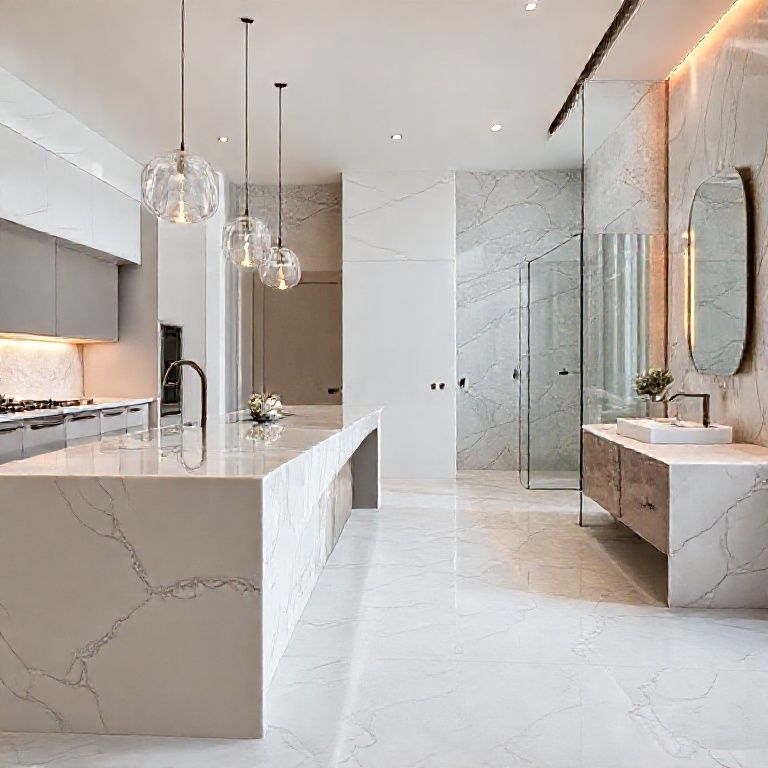
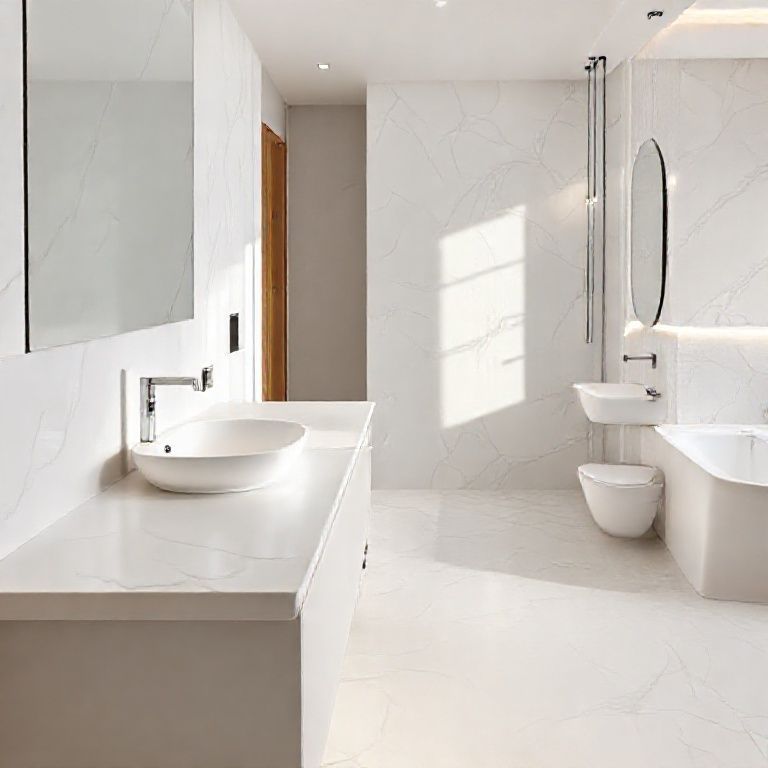
Artificial stone countertops have revolutionized modern kitchen and bathroom designs with their durability, beauty, and low maintenance. However, despite their advantages, artificial stone surfaces can sometimes develop unwanted odors. Understanding the root causes and knowing how to address them is essential for maintaining the pristine condition and inviting atmosphere of your space.
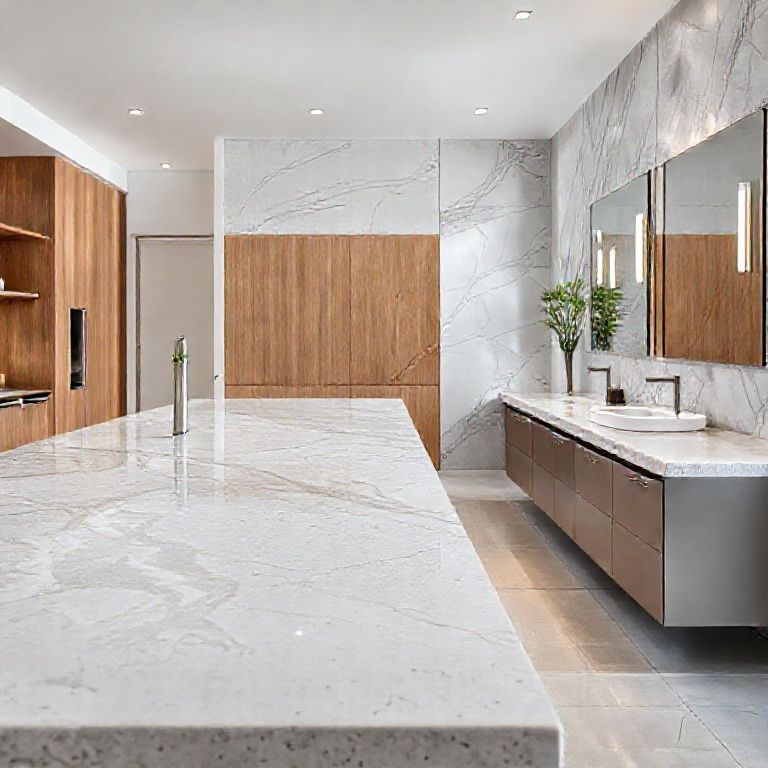
Common Sources of Odors
Residual Manufacturing Chemicals: When artificial stone is produced, it often involves a mixture of minerals, resins, and various chemicals. Although these substances are typically harmless and dissipate over time, some residual odors may linger, especially in smaller or poorly ventilated spaces.
Food Spills and Stains: Artificial stone is naturally resistant to stains and odors, but accidents happen. Food particles, oils, or acidic substances left on the surface can sometimes lead to the development of unpleasant smells. This is particularly common in kitchens where spills are frequent.
Bacterial Growth: Over time, bacteria can accumulate on artificial stone surfaces, especially if they are not cleaned properly. These bacteria can produce foul odors, particularly in humid environments or areas with frequent spills.
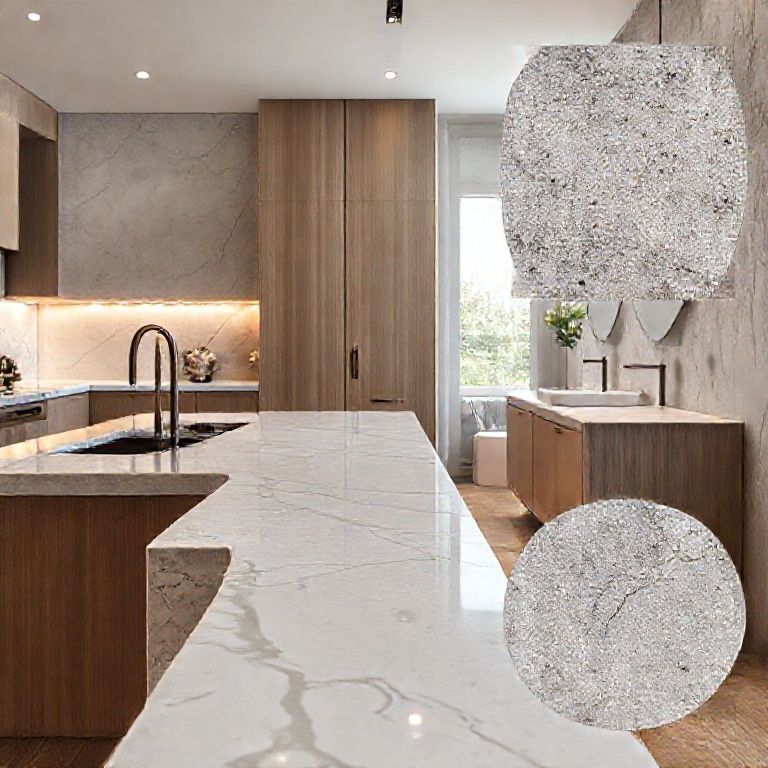
Environmental Factors: The surrounding environment can contribute to odors. For example, if your kitchen or bathroom is adjacent to a food storage area, it can pick up and retain odors from the food.
Identifying the Source of the Odor
To effectively address the problem, it’s essential to identify the source of the odor. Here are some steps to help you pinpoint the exact cause:
Inspect the Surface: Examine your artificial stone countertop closely for any visible signs of food particles, stains, or residue. Use a magnifying glass if necessary to detect minute details.
Check Ventilation: Ensure that your kitchen or bathroom is well-ventilated. Poor air circulation can trap odors, making them more noticeable.
Test Different Areas: Sometimes, the smell may not originate from the countertop itself but from nearby surfaces. Test areas around your countertop to see if the odor dissipates or changes location.
Use Odor-Detecting Products: There are commercial products designed to detect odors in various materials. These can help you identify if the smell is coming from your artificial stone countertop or another source.
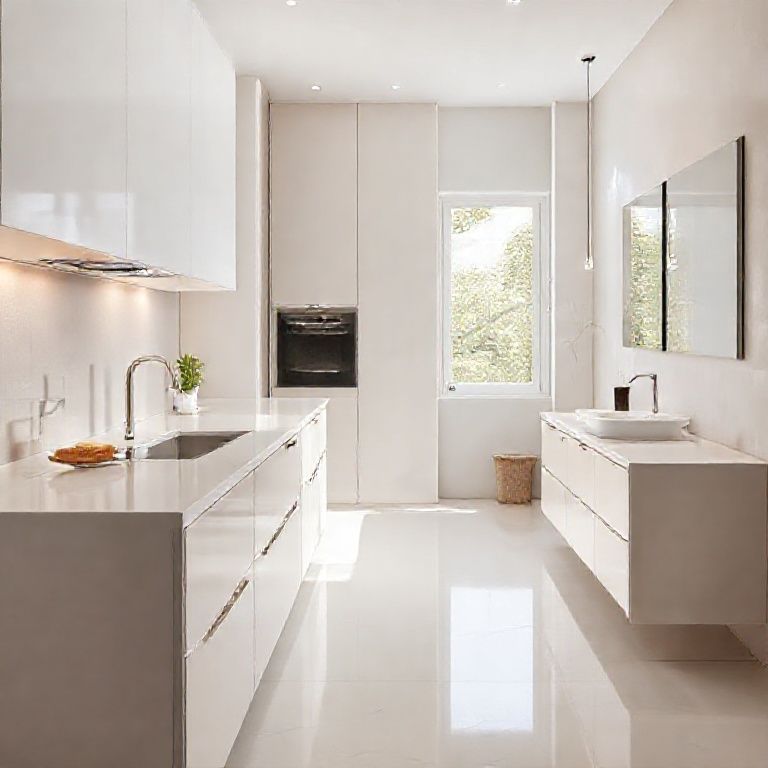
Initial Cleaning and Maintenance Tips
Before implementing more intensive solutions, try some basic cleaning and maintenance tips to see if they alleviate the odor:
Regular Cleaning: Use a mild, non-abrasive cleaner designed for artificial stone. Wipe the surface daily to remove any food particles or spills.
Avoid Harsh Chemicals: Avoid using bleach, ammonia, or other harsh chemicals that can damage the surface and potentially contribute to odors.
Proper Drying: After cleaning, ensure that the surface is thoroughly dried to prevent bacterial growth.
Use Coasters and Trivets: To protect your countertop from spills, use coasters for drinks and trivets for hot dishes.
Natural Remedies for Odor Elimination
Natural remedies can be effective in eliminating odors from artificial stone countertops without damaging the surface. Here are some practical and environmentally friendly options:
Baking Soda: Baking soda is a natural deodorizer and can be used to neutralize odors. Mix a few tablespoons of baking soda with water to form a paste. Apply the paste to the affected area, let it sit for 15-20 minutes, and then scrub with a soft cloth followed by a thorough rinse.
Vinegar: Vinegar is a powerful cleaning agent and can help remove odors. Mix equal parts of vinegar and water in a spray bottle and apply to the countertop. Let it sit for a few minutes before wiping clean with a damp cloth.
Essential Oils: Essential oils like tea tree, lavender, or eucalyptus have natural antibacterial and deodorizing properties. Add a few drops of your chosen essential oil to a spray bottle filled with water and mist the countertop. Wipe clean afterward.
Activated Charcoal: Activated charcoal is known for its ability to absorb odors. Place a few pieces of activated charcoal in a small container and leave it on the countertop for a few days. Replace the charcoal regularly until the odor is gone.
Professional Cleaning Solutions
If the odor persists despite your best efforts, it may be time to enlist the help of professionals. There are specialized cleaning solutions available that are safe for artificial stone and designed to eliminate stubborn odors. Here’s how to approach professional cleaning:
Research Reputable Companies: Look for companies with good reviews and a track record of successful odor removal from artificial stone surfaces.
Request a Quote: Get an estimate for the service and ensure it fits within your budget.
Prepare the Area: Clear the countertop of any items and ensure good ventilation before the professional treatment.
Follow Up: After the treatment, continue with your regular cleaning routine and monitor the countertop for any changes in odor.
Long-Lasting Solutions for Odor-Free Artificial Stone Countertops
Artificial stone countertops are known for their durability and low maintenance, but maintaining their pristine condition can sometimes be challenging, especially when it comes to eliminating persistent odors. This guide provides long-lasting solutions to ensure your countertops remain fresh and inviting.
Advanced Cleaning Techniques
Professional Grade Cleaners: Invest in professional-grade cleaners specifically formulated for artificial stone. These cleaners are designed to tackle tough stains and odors without damaging the surface.
Ultrasonic Cleaning: Ultrasonic cleaning uses high-frequency sound waves to remove impurities from surfaces. This method can be particularly effective for deep cleaning artificial stone countertops, ensuring that any lingering odors are eliminated.
Steam Cleaning: Steam cleaning involves using high-temperature steam to clean and sanitize the countertop. This method is effective at killing bacteria and removing odors without using harsh chemicals.
Preventive Maintenance
Preventing odors is often easier than eliminating them, which is why regular maintenance is key:
Consistent Cleaning Routine: Establish a cleaning routine that includes daily wiping down of the countertop with a mild, non-abrasive cleaner. This helps to remove any food particles or spills before they have a chance to cause odors.
Use of Coasters and Trivets: Protect your countertop from spills by using coasters for drinks and trivets for hot dishes. This simple practice can prevent food particles and liquids from coming into contact with the surface.
Regular Ventilation: Ensure that your kitchen or bathroom is well-ventilated. Proper air circulation helps to dissipate odors and prevent bacterial growth.
Avoid Overloading with Food: Avoid leaving food or dirty dishes on the countertop for extended periods. This reduces the likelihood of spills and stains that can contribute to odors.
Long-Lasting Deodorizing Solutions
To keep your artificial stone countertop fresh over the long term, consider these additional deodorizing solutions:
Activated Charcoal: Place a small container of activated charcoal on the countertop. Activated charcoal absorbs odors and can be replaced regularly to maintain freshness.
Essential Oil Diffusers: Use an essential oil diffuser in your kitchen or bathroom. The natural oils can help keep the air fresh and add a pleasant aroma to the space.
Odor-Absorbing Plants: Certain plants, such as spider plants, pothos, and peace lilies, can help absorb odors from the air. Place these in your kitchen or bathroom to naturally freshen the space.
Professional Maintenance Services
For those seeking a hassle-free approach, professional maintenance services can provide long-term solutions:
Scheduled Cleaning: Arrange for professional cleaning services on a regular basis. These services often use advanced techniques and products to ensure that your countertop remains spotless and odor-free.
Surface Protection: Professionals can apply a protective coating to your countertop. This coating helps to repel spills and stains, making it easier to maintain a clean and odor-free surface.
Full Overhaul: In cases where odors are deeply ingrained, a full overhaul might be necessary. Professionals can resurface or replace the countertop if it has become too damaged or odorous.
Natural Air Fresheners
自然空气清新剂
天然香薰蜡烛 薰香蜡烛不仅可以增添房间的香气,还能有助于净化空气。选择天然成分的蜡烛,如蜂蜡或大豆蜡,避免使用含有有害化学物质的产品。
香草精和薄荷油 将几滴香草精或薄荷油滴在干净的布上,放置在台面上或者用空气清新剂喷洒在台面上,可以有效地驱除异味。
盐和香料 在台面上撒上一些盐,并在其上面放几颗香料,如肉桂棒或丁香。盐具有吸附水分和异味的功能,而香料则能增添香气。
特殊清洁剂
专用人造石清洁剂 市面上有许多专门为人造石设计的清洁剂,这些产品不仅能有效清洁台面,还能保护其表面,防止异味的产生。
小苏打和柠檬汁 小苏打和柠檬汁是天然的清洁剂,可以有效地消除异味。将小苏打和柠檬汁混合成糊状,涂抹在台面上,然后用湿布擦拭干净。
白醋 白醋是一种强效的天然清洁剂。将白醋和水按1:1比例混合,用在台面上,能够有效去除异味和污渍。
日常保养
避免直接泼洒液体 尽量避免将大量液体直接倒在台面上,尤其是含有强酸、强碱的液体。这些物质可能会对人造石造成损害。
使用适当的清洁工具 使用软布或海绵清洁台面,避免使用刮刀或其他坚硬物品,以免划伤表面。
及时清理溢出物 在台面上进行烹饪或其他活动时,要注意及时清理溢出的食物和液体,以防其在台面上停留太久,导致异味产生。
环境控制
保持良好通风 保持厨房或浴室的良好通风,有助于减少异味的积累。可以通过开窗或使用排气扇来达到这一目的。
使用除湿器 如果你的房间湿度较高,可以使用除湿器来控制湿度,从而减少细菌和霉菌的滋生,从而避免异味的产生。
定期检查和维护
定期检查漏水和损坏 定期检查台面下方的水管和排水系统,确保没有漏水和损坏。如果发现问题,及时修理。
表面打蜡 虽然人造石表面不需要像天然石材那样打蜡,但适度的保养可以使其表面更加光滑,有助于减少污渍和异味的产生。
通过以上方法,你可以有效地保持人造石台面的清新和整洁,确保家居环境的舒适和健康。