How to Effectively Clean and Restore Your Countertops: A Comprehensive Guide to Fixing Blackened Artificial Stone Surfaces
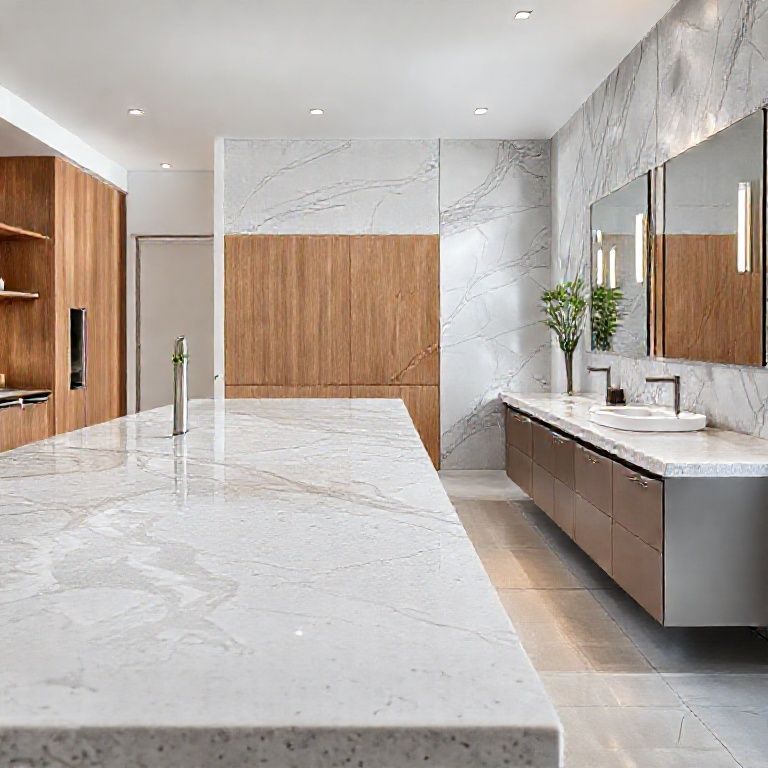
Artificial stone countertops have become a popular choice for modern kitchens and bathrooms due to their durability, low maintenance, and aesthetic appeal. However, despite their resilience, they can sometimes develop black spots or stains. This phenomenon often happens due to improper cleaning, spills, or exposure to certain chemicals. In this part of our guide, we will explore the causes of blackening and provide you with effective cleaning methods to restore your countertops to their original beauty.
Understanding the Causes of Blackening
Before diving into the cleaning process, it’s important to understand what causes artificial stone to turn black. Here are some common reasons:
Spills and Stains: Coffee, tea, red wine, and other dark liquids can seep into the pores of the stone, causing discoloration over time. Chemical Exposure: Household cleaners, especially those containing bleach or acidic substances, can react with the stone and cause it to darken. Improper Cleaning: Using abrasive tools or harsh chemicals without proper guidance can damage the surface, leading to blackening. Food Particles: Organic matter like food particles can accumulate and cause discoloration if not cleaned properly.
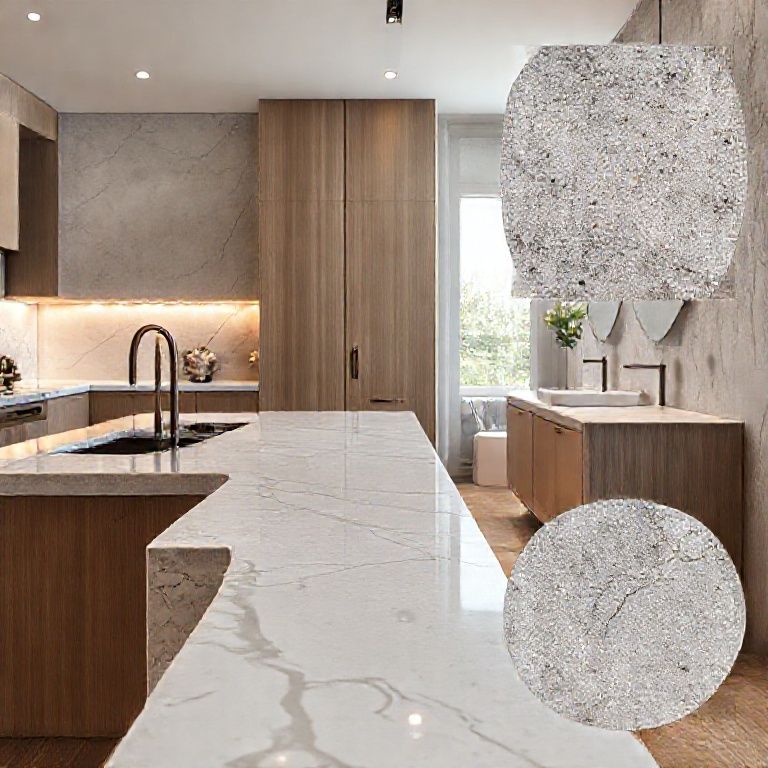
Step-by-Step Cleaning Method
To effectively clean and restore blackened artificial stone countertops, follow these step-by-step instructions:
Step 1: Gather Your Cleaning Supplies
Mild dish soap Baking soda White vinegar Soft cloths Soft-bristle brush Microfiber cloth
Step 2: Initial Cleaning Begin by wiping down the surface with a damp cloth and mild dish soap. This will remove any loose dirt and food particles.
Step 3: Baking Soda Paste For stubborn stains, create a paste using baking soda and water. Apply the paste to the blackened areas and gently scrub with a soft-bristle brush. Baking soda is a gentle abrasive that helps lift stains without damaging the stone surface.
Step 4: Vinegar Solution If the stains persist, mix equal parts of white vinegar and water to form a solution. Apply this solution to the affected areas using a soft cloth. Let it sit for 10-15 minutes to allow the vinegar to break down the stains. Wipe the area with a clean, damp cloth to remove the solution.
Step 5: Final Rinse Rinse the countertop with clean water to remove any residues from the cleaning agents. Use a microfiber cloth to dry the surface thoroughly.
Step 6: Polishing To give your countertop a fresh look, apply a small amount of artificial stone polish. Follow the manufacturer’s instructions for application. Use a clean cloth to buff the surface, which will not only polish but also add a protective layer to prevent future blackening.
Maintenance Tips
Preventing future blackening is easier than cleaning it off. Here are some maintenance tips to keep your artificial stone countertops looking pristine:
Use Coasters and Trivets: Protect your countertops from spills by using coasters and trivets when placing hot pots or mugs. Immediate Cleaning: Wipe up spills immediately to prevent them from seeping into the stone. Avoid Harsh Chemicals: Use mild, non-abrasive cleaners to avoid damaging the surface. Regular Polishing: Regularly polish your countertops to maintain their shine and protective layer.
By following these steps and tips, you can ensure that your artificial stone countertops remain beautiful and functional for years to come. In the next part of our guide, we will delve deeper into advanced cleaning techniques and explore how to address specific types of stains that might be more challenging to remove.
How to Effectively Clean and Restore Your Countertops: Advanced Techniques for Blackened Artificial Stone Surfaces
In the previous section, we covered the basic cleaning methods for blackened artificial stone countertops. Now, let’s dive deeper into advanced techniques to tackle more stubborn stains and ensure your countertops are impeccably clean. This part will cover specialized cleaning agents, professional cleaning services, and preventive measures to keep your stone surfaces in top condition.
Advanced Cleaning Techniques
While basic cleaning methods are effective for many stains, some spots might require more intensive treatment. Here are some advanced techniques to consider:
1. Specialized Cleaning Agents
Stone Cleaners: There are commercial cleaners specifically designed for artificial stone. These products are formulated to clean without damaging the stone’s surface. Follow the manufacturer’s instructions for the best results. Hydrogen Peroxide: For particularly tough stains, a solution of hydrogen peroxide and water can be effective. Mix equal parts and apply to the stain. Let it sit for a few minutes before wiping it off with a soft cloth.
2. Professional Cleaning Services
If home cleaning methods are not yielding satisfactory results, it might be time to call in the professionals. Specialized stone cleaning companies use advanced equipment and techniques to remove deep-seated stains and restore the appearance of your countertops.
3. Ultrasonic Cleaners
An ultrasonic cleaner uses high-frequency sound waves to remove dirt and stains from surfaces. This method is particularly useful for intricate designs and detailed areas where manual cleaning might be difficult.
Specialized Stain Removal
Certain types of stains might require specific treatments. Here’s how to address some common ones:
1. Coffee and Tea Stains
Coffee and tea stains are among the most common issues with artificial stone. To tackle these, use a combination of baking soda and vinegar, as described earlier. For tougher stains, a hydrogen peroxide solution can be very effective.
2. Grease and Oil Stains
Grease and oil can be particularly stubborn. To remove these stains, try using a degreaser or a mixture of dish soap and hot water. Scrub gently with a soft-bristle brush and rinse thoroughly.
3. Acidic Stains
Stains from acidic foods like tomatoes, citrus fruits, and vinegar can be challenging. A baking soda paste can help lift these stains, but for deeper discoloration, consider using a specialized stone cleaner.
Preventive Measures
Prevention is always better than cure. Here are some additional tips to keep your artificial stone countertops looking their best:
1. Use Cutting Boards and Mats
To prevent scratches and stains, always use cutting boards or mats when preparing food on your countertops.
2. Regular Maintenance
Regularly clean and polish your countertops to maintain their appearance and protective layer. A monthly maintenance routine can prevent minor issues from becoming major problems.
3. Proper Storage
Store items like pots and pans in a way that avoids direct contact with the countertops. Use pot holders and trivets to protect the surface from heat and spills.
4. Avoid Overexposure to Chemicals
Limit the use of harsh chemicals on your countertops. When necessary, use mild, non-abrasive cleaners and always follow the manufacturer’s instructions.
Conclusion
Maintaining the beauty and functionality of your artificial stone countertops requires regular care and attention. By understanding the causes of blackening and employing effective cleaning methods, you can keep your countertops looking pristine. Whether you opt for basic cleaning techniques or advanced methods, the key is consistency and proper care.
In summary, artificial stone countertops are a wonderful choice for modern kitchens and bathrooms, offering both durability and aesthetic appeal. With the right cleaning practices and maintenance routines, you can ensure that your stone surfaces remain clean, vibrant, and functional for years to come.
Stay tuned for our next guide where we’ll explore even more tips and tricks for maintaining your kitchen and bathroom countertops in perfect condition.