Cleaning Your Artificial Stone Countertops
Introduction to Artificial Stone Countertops Artificial stone countertops have become an increasingly popular choice for kitchens, bathrooms, and living spaces due to their durability, beauty, and low maintenance. These countertops combine the look of natural stone with the practicality of composite materials, offering a stunning aesthetic while being resistant to stains, scratches, and chips. However, maintaining their pristine appearance requires some effort and understanding of proper cleaning techniques.
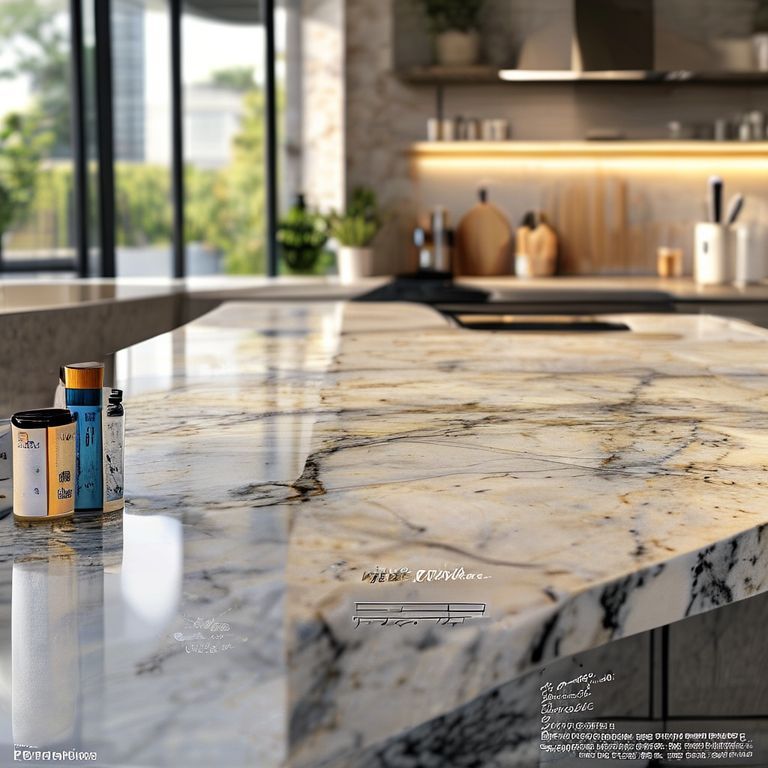
Common Cleaning Mistakes to Avoid Before diving into cleaning methods, it’s crucial to identify common mistakes that can damage artificial stone countertops. Avoid using abrasive cleaners or scrubbing too hard with metal sponges, as these can scratch the surface. Additionally, refrain from using high-pressure water jets, which can cause the surface to crack or deteriorate over time.
Basic Cleaning Routine To maintain the beauty of your artificial stone countertops, follow a simple yet effective cleaning routine:
Daily Cleaning: Use a mild, non-abrasive cleaner and a soft cloth or sponge to wipe away spills and everyday grime. For everyday use, a mixture of warm water and a small amount of dish soap works well. Avoid using acidic or highly alkaline cleaners as they can strip away the protective layer of the stone. Regular Deep Cleaning: Once a week, use a stone-specific cleaner designed for artificial surfaces. Apply the cleaner with a soft cloth, and gently wipe the entire surface to remove any embedded stains or residues. For tough spots, use a soft-bristle brush to gently scrub the area, taking care not to apply too much pressure.
Tackling Tough Stains While artificial stone is resistant to many stains, some can still leave marks if not addressed promptly. Here’s how to tackle different types of stains:
Coffee and Tea Stains: Immediately blot up any coffee or tea spills with a paper towel to remove as much of the liquid as possible. Mix a small amount of baking soda with water to create a paste. Apply the paste to the stain and gently scrub with a soft cloth. Rinse with clean water and dry thoroughly. Food Stains: For food-related stains, such as sauces or juices, act quickly by blotting up the spill and rinsing with warm water. Use a gentle cleaner with a touch of vinegar to help break down the stain, then wipe clean with a damp cloth. Grease and Oil Stains: For grease and oil, use a cleaner specifically designed for these types of stains. Apply the cleaner and let it sit for a few minutes before wiping clean. For stubborn grease, a mixture of equal parts vinegar and water can be used to dissolve the stain before rinsing thoroughly.
Preventative Measures Preventing stains and spills before they happen can save a lot of effort in cleaning. Here are some preventative measures to consider:
Use Coasters and Trivets: Always place coasters under drinks and trivets under hot dishes to prevent direct contact with the stone surface. Prompt Spill Management: Clean up spills immediately to prevent stains from setting in. Use paper towels or cloths to blot up spills, then rinse the area with water. Sealing the Surface: Although artificial stone doesn’t require sealing like natural stone, using a protective spray can add an extra layer of defense against minor spills and stains.
Conclusion Keeping your artificial stone countertops looking their best involves a combination of regular maintenance and prompt stain treatment. By avoiding common cleaning mistakes and following a consistent cleaning routine, you can ensure that your stone countertops remain beautiful and functional for years to come. In the next part, we’ll explore advanced maintenance tips and how to protect your artificial stone surfaces from long-term damage.
Advanced Maintenance and Protection for Your Artificial Stone Countertops
Introduction In the previous section, we covered basic cleaning methods to keep your artificial stone countertops looking pristine. Now, let’s delve into advanced maintenance tips and protective measures to ensure that your countertops not only look great but also withstand the test of time. Understanding how to properly care for your artificial stone can make a significant difference in its longevity and appearance.
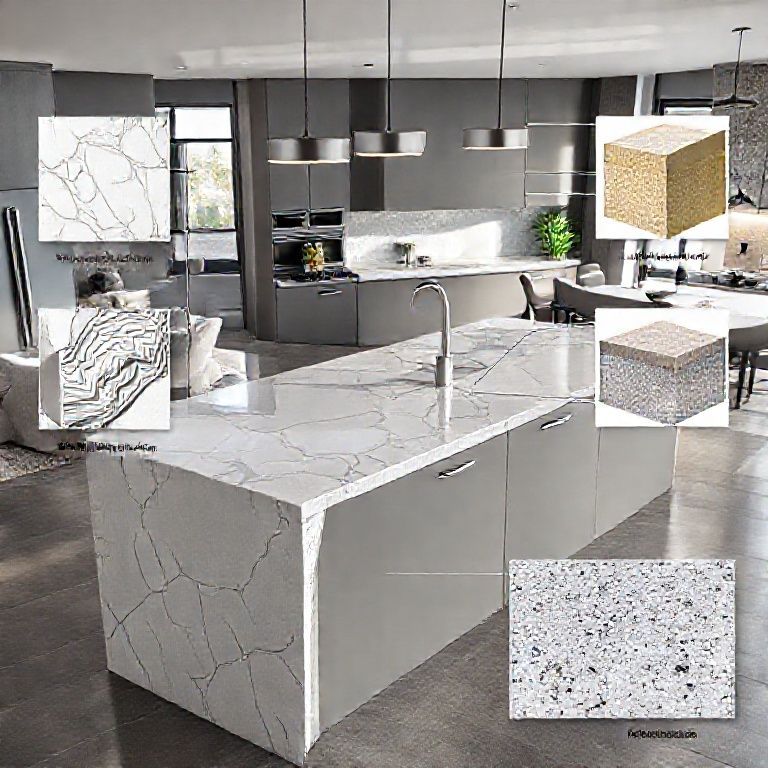
Advanced Cleaning Techniques While daily and weekly cleaning routines are essential, sometimes deeper cleaning is necessary to maintain the integrity and appearance of your stone countertops.
Deep Cleaning with Specialized Cleaners: Use a commercial stone cleaner formulated for artificial surfaces. These cleaners often contain mild abrasives that can safely remove tougher stains without damaging the stone. Follow the manufacturer’s instructions for application and rinsing to avoid any potential damage. Ultrasonic Cleaners: For particularly stubborn stains, an ultrasonic cleaner can be an effective option. Ultrasonic cleaners use high-frequency sound waves to dislodge embedded particles and clean the surface thoroughly. Always ensure that the ultrasonic cleaner is compatible with your artificial stone to avoid any risk of damage.
Protective Measures To prolong the life of your artificial stone countertops, it’s important to implement protective measures that guard against long-term damage.
Use Protective Mats and Pads: Place protective mats under heavy items like pots and pans to prevent scratches and dents. Silicone pads under cutting boards can also help minimize scratches. Regular Inspections: Conduct regular inspections of your countertops for any signs of damage, such as cracks or chips. Addressing minor issues early can prevent them from becoming more significant problems. If you notice any damage, seek professional advice on how to repair it properly without compromising the integrity of the stone. Temperature Control: Avoid placing hot items directly on the stone surface to prevent thermal shock, which can cause cracks. Always use trivets or heat-resistant pads for hot dishes. Be cautious with very hot liquids; allowing them to cool slightly before placing them on the countertop can help prevent damage.
Environmental Considerations The environment in which your artificial stone countertops are placed can significantly impact their longevity and appearance.
Humidity Control: High humidity can lead to mold and mildew growth on stone surfaces. Ensure proper ventilation in areas where the countertops are located to keep humidity levels in check. Chemical Exposure: Avoid exposing your stone countertops to harsh chemicals, such as bleach or strong acids, as these can damage the surface. Use mild cleaners and avoid soaking the stone in chemicals.
Professional Maintenance Services While regular maintenance can be done at home, professional cleaning and maintenance services can provide an extra level of care for your artificial stone countertops.
Professional Cleaning: Consider hiring a professional cleaning service that specializes in stone countertops. They can use specialized equipment and techniques to deep clean and restore the surface without causing damage. Resurfacing Options: If your countertops show significant wear and tear, a professional resurfacing service might be an option. Resurfacing can help restore the appearance of the stone and provide a fresh, clean surface.
Conclusion Maintaining your artificial stone countertops requires a combination of regular cleaning, advanced techniques, and protective measures. By following these guidelines, you can ensure that your countertops remain beautiful and functional for years to come. Proper care not only enhances the aesthetic appeal of your space but also preserves the durability and longevity of your artificial stone surfaces. With the right approach, your countertops can look as good as new, adding value and charm to your home.
In summary, keeping your artificial stone countertops clean and well-maintained involves a blend of daily care, regular deep cleaning, and protective measures. By following the tips outlined in this article, you can ensure that your stone surfaces remain pristine and beautiful, enhancing the overall look and feel of your home.