How to Effectively Remove Oil Stains from Artificial Marble
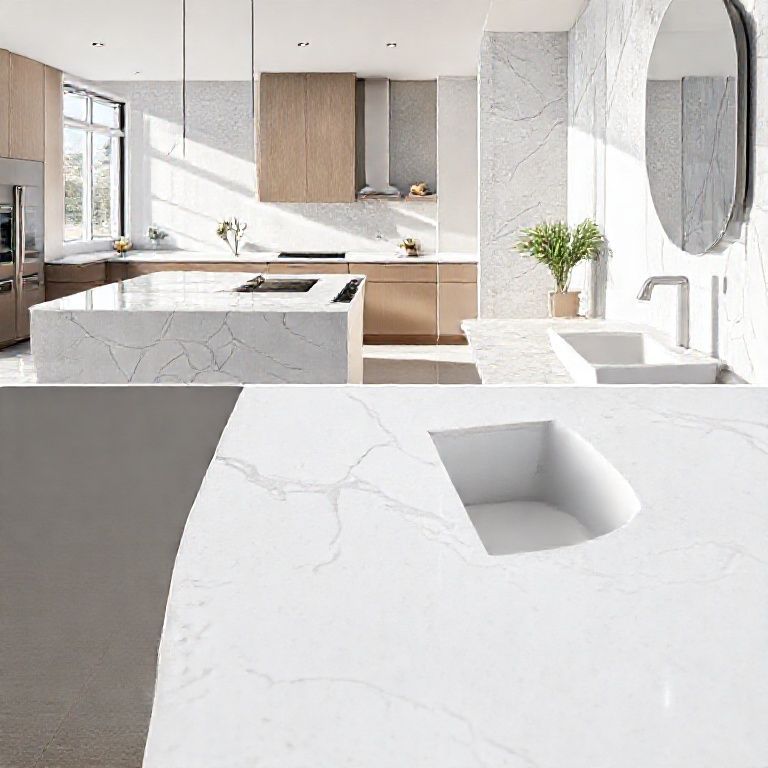
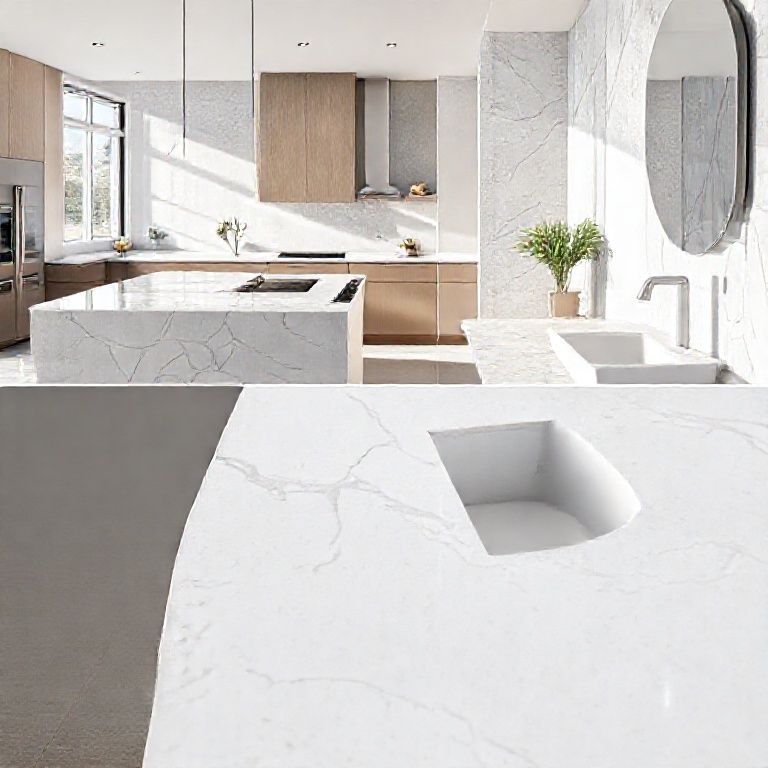
Artificial marble is a popular choice for countertops, sinks, and other surfaces due to its durability, affordability, and aesthetic appeal. However, like any surface, artificial marble can accumulate oil stains over time, which can detract from its pristine look. In this part of our guide, we will delve into the causes of oil stains on artificial marble and explore effective, practical methods to remove them.
Understanding Oil Stains on Artificial Marble
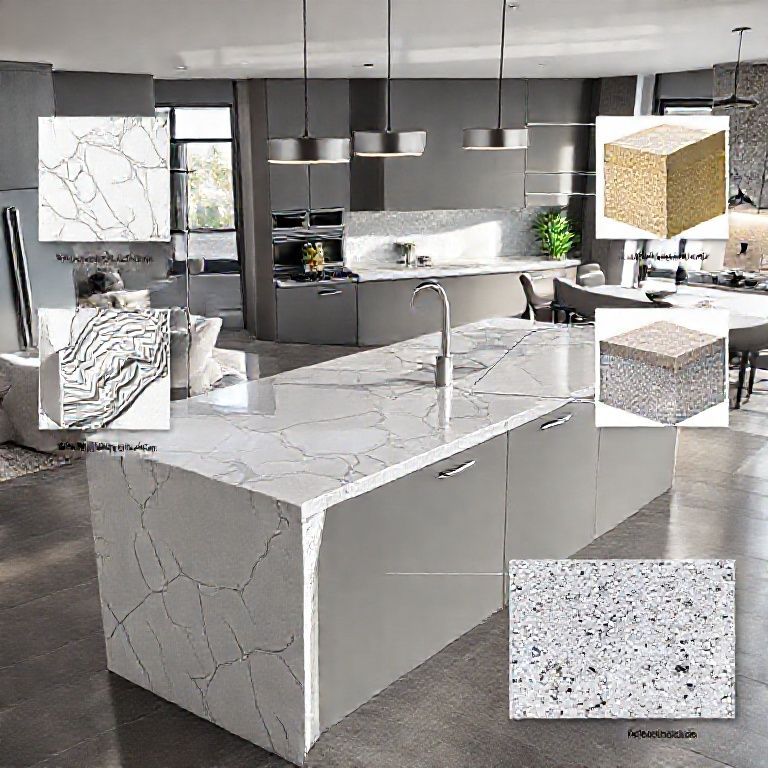
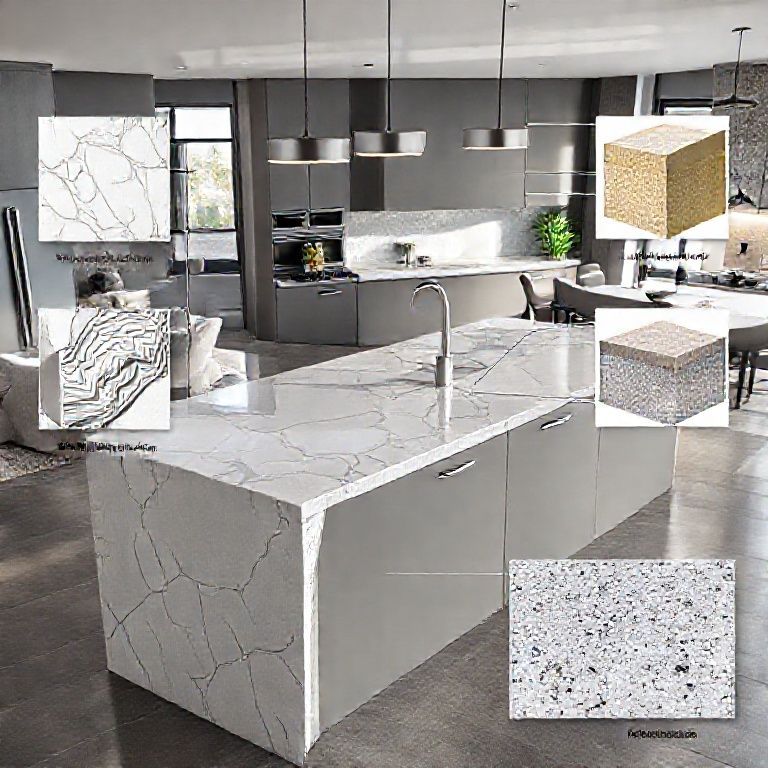
Oil stains on artificial marble usually result from cooking, cooking oil spills, or other oily substances that come into contact with the surface. Artificial marble is made from a composite of minerals and resins, which makes it highly resistant to many chemicals but can be susceptible to oil and grease. Over time, these stains can become ingrained, making them difficult to remove without proper techniques.
Causes of Oil Stains
Cooking Oil Spills: The most common cause of oil stains on artificial marble is from cooking oil spills. When hot oil spills onto the surface, it can seep into the material, creating a stain that is challenging to remove.
Daily Use: Regular use of cooking oils, butter, or other greasy substances can lead to gradual oil accumulation on the surface.
Environmental Factors: Oily substances from the environment, such as cleaning products containing oils, can also contribute to staining.
Preventive Measures
Preventing oil stains from the onset is always better than dealing with removal. Here are some preventive measures you can take:
Use Trivets and Coasters: When cooking, always use trivets and coasters to protect your artificial marble surface from direct oil contact.
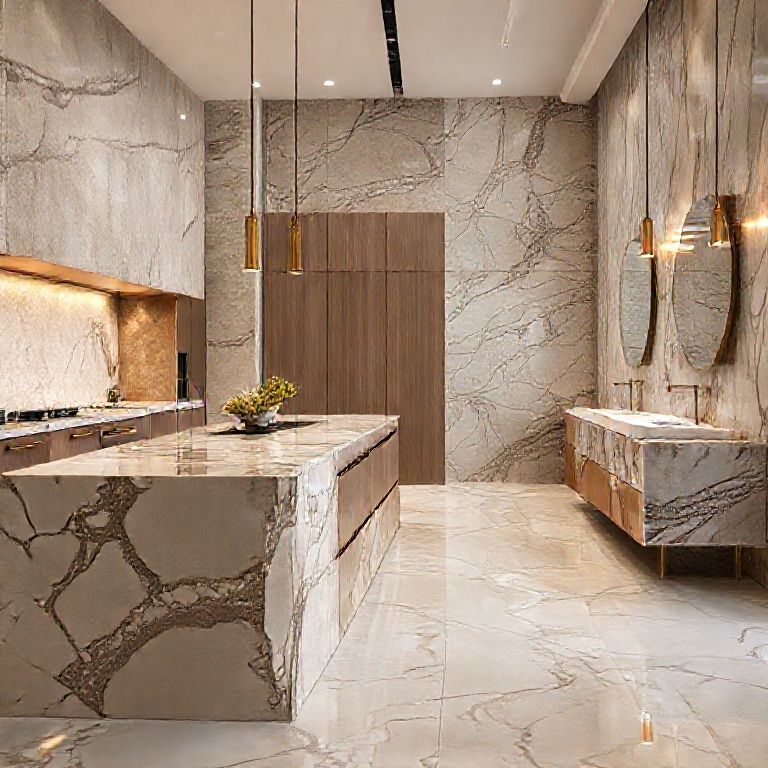
Immediate Cleaning: Clean up any spills immediately to prevent the oil from seeping into the surface.
Stain-Resistant Coatings: Consider applying a stain-resistant coating on your artificial marble surfaces to make future cleaning easier.
Effective Cleaning Methods
1. Baking Soda and Water
Baking soda is a versatile, natural cleaner that can tackle oil stains on artificial marble effectively.
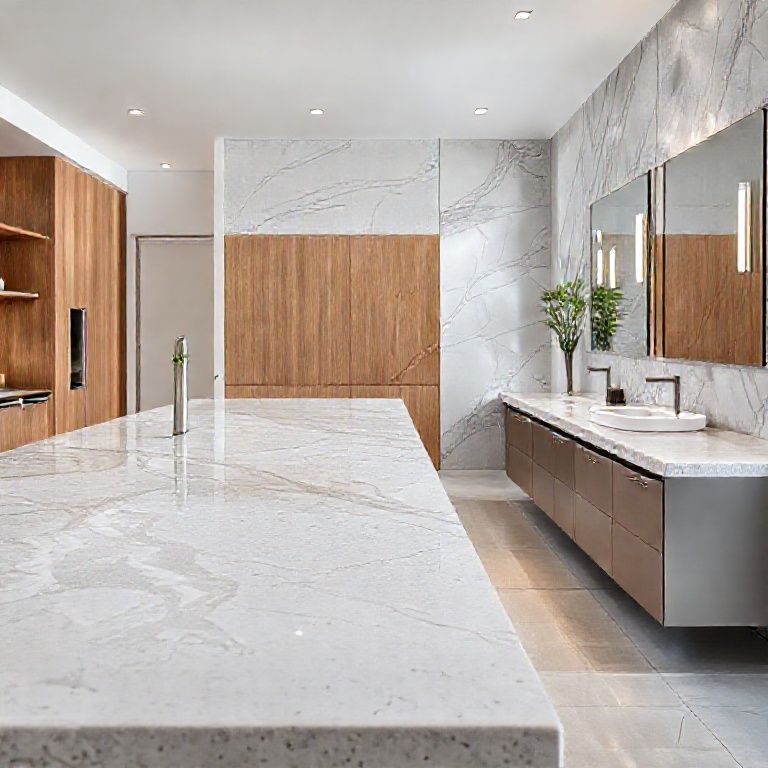
Materials Needed:
Baking soda Water Soft cloth or sponge
Instructions:
Mix a paste by combining baking soda and water until you get a smooth consistency.
Apply the paste onto the stained area and let it sit for 15-20 minutes.
Use a soft cloth or sponge to scrub the area gently in a circular motion.
Rinse with clean water and dry with a clean, soft cloth.
2. Vinegar and Water
Vinegar is another excellent, natural cleaner that can remove oil stains.
Materials Needed:
White vinegar Water Soft cloth or sponge
Instructions:
Mix equal parts of white vinegar and water in a spray bottle.
Spray the solution onto the stained area.
Let it sit for a few minutes, then scrub gently with a soft cloth or sponge.
Rinse with clean water and dry thoroughly.
3. Lemon Juice and Salt
Lemon juice, known for its acidic properties, can break down oil stains, while salt acts as an abrasive cleaner.
Materials Needed:
Lemon juice Salt Soft cloth or sponge
Instructions:
Squeeze fresh lemon juice into a bowl and add enough salt to form a paste.
Apply the paste to the stained area and rub gently in a circular motion.
Rinse with clean water and dry with a clean cloth.
Professional Cleaning Tips
For persistent oil stains, consider these professional cleaning tips:
Mild Detergent Solution: Mix a small amount of mild dish soap with warm water. Apply the solution to the stain and gently scrub with a soft cloth or sponge. Rinse thoroughly and dry.
Commercial Cleaners: Use commercial cleaners specifically designed for artificial marble. Always follow the manufacturer’s instructions for application and safety.
Avoid Harsh Chemicals: Avoid using harsh chemicals or abrasive cleaners that can damage the surface of the artificial marble.
Regular Maintenance
To keep your artificial marble looking its best, regular maintenance is key. Here are some tips:
Daily Cleaning: Wipe down the surface daily with a damp cloth to remove any residue.
Monthly Deep Cleaning: Perform a deeper clean once a month using one of the methods mentioned above.
Inspection: Regularly inspect the surface for any signs of wear or damage and address them promptly.
How to Effectively Remove Oil Stains from Artificial Marble
In the second part of our comprehensive guide, we will delve deeper into advanced cleaning techniques, alternative methods, and additional tips to ensure that your artificial marble remains pristine and beautiful. From using specialized products to understanding the importance of proper maintenance, this section covers all the bases to keep your artificial marble surfaces looking immaculate.
Advanced Cleaning Techniques
1. Oxygen Bleach Solution
Oxygen bleach is an effective cleaner that can break down tough stains, including oil, without damaging the surface of the artificial marble.
Materials Needed:
Oxygen bleach (e.g., OxiClean) Water Soft cloth or sponge
Instructions:
Mix the oxygen bleach with water according to the instructions on the product label.
Apply the solution to the stained area and let it sit for a few minutes.
Scrub gently with a soft cloth or sponge.
Rinse with clean water and dry thoroughly.
2. Microfiber Cloths
Microfiber cloths are excellent for cleaning artificial marble because they are gentle yet effective at removing stains and grime.
Materials Needed:
Microfiber cloths Mild soap (optional)
Instructions:
Dampen a microfiber cloth with water or a mild soap solution.
Gently wipe the surface of the artificial marble to remove oil stains.
For a deeper clean, use a slightly damp cloth with mild soap.
Rinse and dry the surface with a clean microfiber cloth.
Alternative Cleaning Methods
1. Dish Soap and Baking Soda Paste
Combining dish soap and baking soda can create a powerful cleaning paste for oil stains.
Materials Needed:
Dish soap Baking soda Water Soft cloth or sponge
Instructions:
Mix a small amount of dish soap with baking soda to form a paste.
Apply the paste to the stained area and let it sit for 15 minutes.
Scrub gently with a soft cloth or sponge.
Rinse with clean water and dry thoroughly.
2. Aloe Vera Gel
Aloe vera gel has natural cleaning properties and can help remove oil stains without damaging the surface.
Materials Needed:
Aloe vera gel Soft cloth or sponge
Instructions:
Apply a small amount of aloe vera gel to the stained area.
Gently rub the area with a soft cloth or sponge.
Rinse with clean water and dry thoroughly.
Specialized Products
For stubborn oil stains, specialized products designed for artificial marble can be very effective.
Marble Polishing Compounds: These compounds are formulated to clean and polish artificial marble without causing damage. Follow the manufacturer’s instructions carefully.
Microfiber Cleaning Pads: Specialized microfiber pads are designed to clean various surfaces, including artificial marble. They provide a thorough clean without scratching the surface.
Proper Maintenance and Care
To keep your artificial marble looking its best, proper maintenance is essential. Here are some additional tips:
Avoid Cutting on the Surface: Use cutting boards or trivets to protect the surface from scratches and stains.
Use Coasters and Placemats: Always use coasters and placemats to protect the surface from hot drinks and spills.
Regular Cleaning: Establish a regular cleaning routine to prevent the buildup of oil and grime. Wipe down the surface daily and perform a deep clean once a month.
Seal the Surface: Consider sealing the surface with a high-quality sealant designed for artificial marble. This can provide an extra layer of protection against stains and make cleaning easier.
Immediate Cleaning: Address spills and stains as soon as they occur to prevent them from setting in and becoming harder to remove.
Troubleshooting Common Issues
Sometimes, despite your best efforts, you might encounter some common issues:
Stains Not Coming Off: If stains persist, try using a slightly stronger cleaner or consult a professional cleaner. Avoid using abrasive materials that can scratch the surface.
Surface Damage: If you notice any signs of damage, such as discoloration or scratches, address it promptly. Use a repair kit designed for artificial marble if necessary.
预防与保护措施
使用保护垫和盖子:在切菜、烹饪或使用热锅时,应使用切菜板和锅盖。这样可以避免油污直接接触大理石表面。
避免使用过于粗糙的清洁工具:尽量避免使用金属刮刀或过于粗糙的海绵,以免刮花大理石表面。
即时清理:尽量在污渍未完全干燥时进行清理,以免污渍渗入材料内部。
定期抛光:使用专业的抛光剂定期对大理石表面进行抛光,可以使其恢复光泽并增加耐用性。
选择合适的清洁产品
中性清洁剂:使用中性清洁剂或专门的大理石清洁剂,避免使用强酸、强碱或氨水。
环保清洁剂:尽量选择环保、低毒性的清洁产品,不仅对人体健康有益,也对大理石表面更友好。
日常保养
定期打蜡:虽然人造大理石不需要像天然大理石那样打蜡,但定期涂抹一层保护性清洁剂可以增加其耐用性和光泽度。
避免强烈热源:尽量避免将热锅直接放在大理石表面,可以使用锅垫来隔离热量。
防护涂层:在厨房等高使用频率的区域,可以考虑在大理石表面涂一层专业的防护涂层,这样可以增加耐污性和耐刮性。
处理特殊情况
热汽油溅洒:如果大理石上有热汽油溅洒,立即用大量冷水冲洗,然后用中性清洁剂清洁。
酸性液体溅洒:酸性液体如柠檬汁、醋等会对大理石造成腐蚀,应尽量避免,如果已经溅到大理石上,用大量的水冲洗干净,然后用专业的大理石修复剂进行处理。
油渍和污渍:油渍和污渍可以使用专门的去油污清洁剂进行清理,特别是油渍,可以在油污处用干布擦拭一下以吸收多余的油污,再用清洁剂清洗。
专业维修
如果人造大理石表面出现明显的划痕或严重的污渍,建议及时寻求专业维修服务。专业人员有更多的工具和技术来修复和保护大理石表面。
通过以上的方法和建议,您可以更好地保养和维护您的人造大理石表面,让其长期保持光洁和美观。