Understanding and Addressing Stains on Artificial Marble Countertops
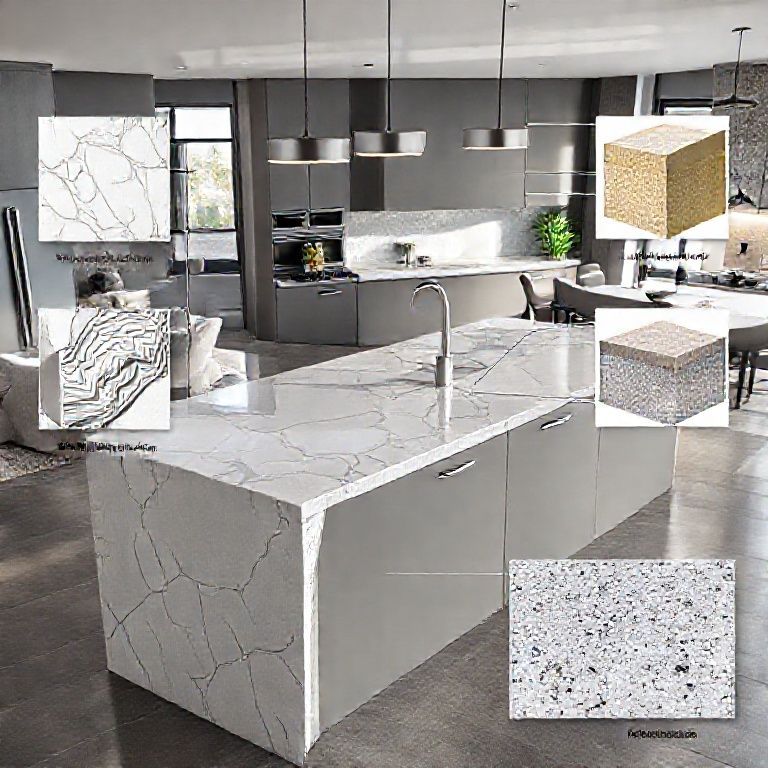
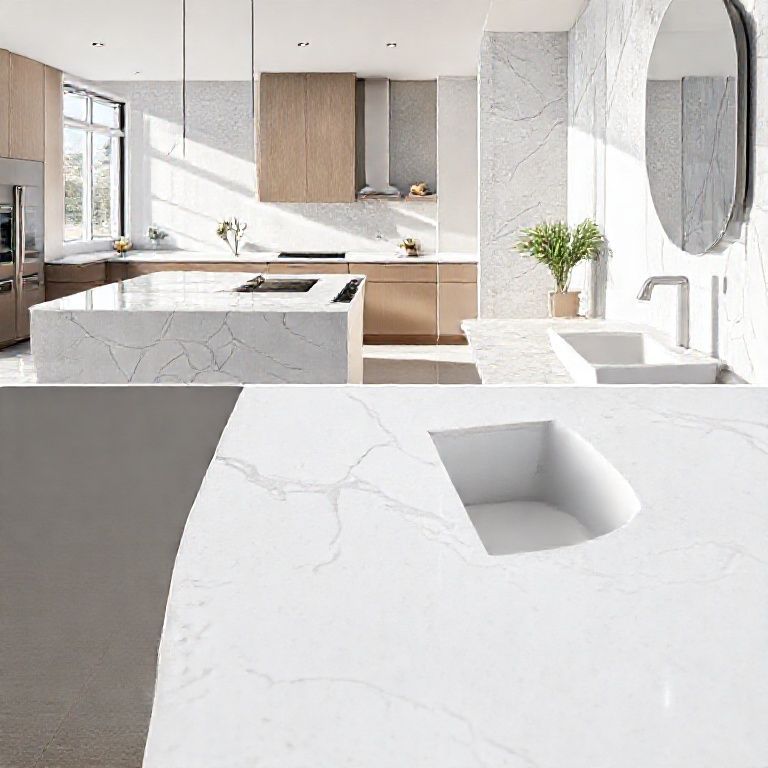
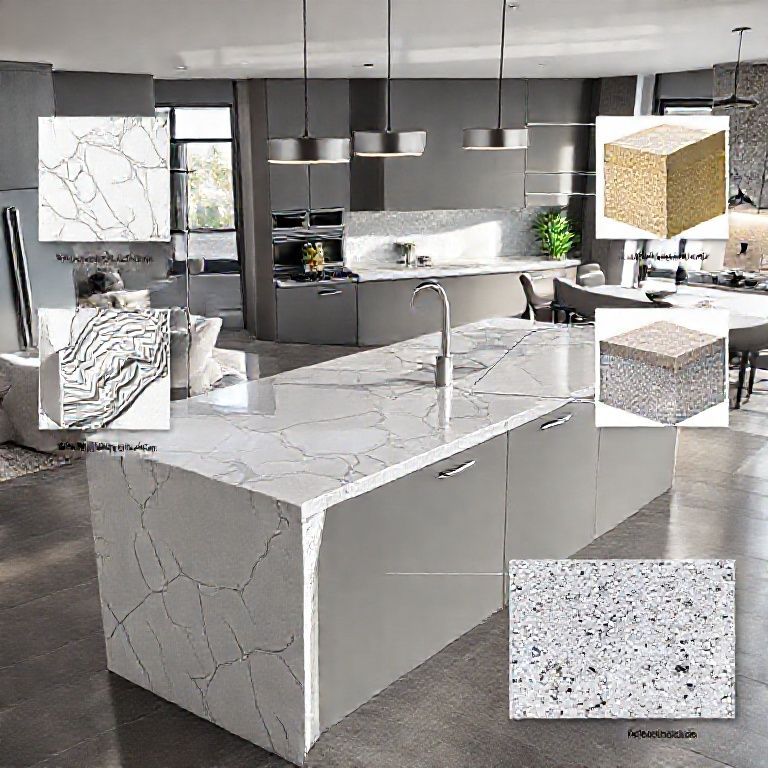
Artificial marble countertops have become a popular choice for both residential and commercial spaces due to their stunning aesthetic appeal and durability. However, like any other surface, they can develop stains over time, which can detract from their beauty and elegance. Understanding the nature of these stains and employing effective cleaning methods is essential to maintaining the pristine look of your artificial marble countertops.
Common Types of Stains on Artificial Marble Countertops
Artificial marble, often made from a combination of minerals, resins, and pigments, can be susceptible to a variety of stains. The most common types include:
Food and Beverage Stains: Juices, oils, and other food particles can leave unsightly marks on the surface. Soap and Cleaning Product Stains: Residue from cleaning agents can sometimes leave a dull or cloudy appearance. Water Spots: Although artificial marble is water-resistant, prolonged water exposure can cause spots and dullness. Hard Water Stains: Mineral deposits from hard water can leave white or yellow spots. Oxidation Stains: Metal objects left on the surface for extended periods can cause oxidation stains.
Identifying the Stain
Before you start cleaning, it’s crucial to identify the type of stain you’re dealing with. Different stains may require different cleaning methods. Here’s how to identify common types of stains:
Food and Beverage Stains: Often appear as dark spots or streaks. Soap and Cleaning Product Stains: Usually leave a white or cloudy residue. Water Spots: Often appear as small, white circles. Hard Water Stains: Typically appear as white or yellow patches. Oxidation Stains: Manifest as rust-colored marks from metal contact.
Basic Cleaning Techniques
Regardless of the type of stain, a good first step is a gentle, non-abrasive cleaning. Here’s a basic cleaning routine:
Initial Clean: Use a soft, damp cloth to gently wipe down the surface. For tougher spots, use a mild soap and water solution. Drying: Always dry the surface thoroughly with a clean, dry cloth to prevent water spots.
Specialized Cleaning Products
For tougher stains, specialized cleaning products are available that are formulated to clean without damaging the surface. Some effective products include:
Marble Cleaners: Designed specifically for cleaning marble, these products are often safe for artificial marble. Mild Acid-Based Cleaners: These can help remove mineral deposits but should be used sparingly. Anti-Bacterial Solutions: Useful for kitchen countertops to reduce the risk of bacterial growth.
Cleaning Procedures
Preparation: Before cleaning, ensure the countertop is free from any food particles or debris. Cleaning: Apply the cleaning solution to a soft cloth and gently rub the stained area. Avoid using abrasive pads or sponges which can scratch the surface. Rinsing: Rinse the area with clean water to remove any cleaning solution residue. Drying: Wipe the surface dry immediately to prevent water spots.
Preventing Future Stains
Prevention is always better than cure. Here are some tips to keep your artificial marble countertops stain-free:
Use Coasters and Trivets: To prevent hot drinks and dishes from staining the surface. Avoid Abrasive Cleaners: Stick to mild cleaning solutions and soft cloths. Regular Maintenance: Regularly clean the surface to prevent stains from setting in. Immediate Cleaning: Address spills and stains as soon as they occur to prevent them from becoming permanent.
By understanding the types of stains and employing the right cleaning techniques, you can keep your artificial marble countertops looking beautiful and pristine for years to come. In the next part of our guide, we’ll delve into more specific cleaning methods for different types of stains and advanced tips for maintaining your countertops.
Advanced Techniques and Maintenance for Artificial Marble Countertops
Building on the foundational knowledge from Part 1, this section delves deeper into advanced cleaning techniques and maintenance tips for artificial marble countertops. By mastering these methods, you can ensure your countertops remain spotless and beautiful, prolonging their lifespan and preserving their aesthetic appeal.
Advanced Stain Removal Techniques
While basic cleaning methods are effective for everyday use, some stains may require more specialized techniques. Here’s how to tackle some of the toughest stains:
Food and Beverage Stains:
Vinegar and Baking Soda: For stubborn juice or oil stains, mix equal parts of white vinegar and water. Apply to the stain and let it sit for a few minutes. Sprinkle baking soda over the area and scrub gently with a soft cloth. Rinse and dry thoroughly.
Oxygen Bleach: For tougher stains, oxygen bleach (like OxiClean) can be effective. Follow the product instructions carefully, as some bleaches may contain harsh chemicals that could damage the surface if left too long.
Soap and Cleaning Product Stains: Mild Acid Solution: If soap or cleaning product residue remains, a mild acid solution can help. Mix a small amount of white vinegar with water (1:1 ratio) and apply to the stain. Let it sit for a few minutes, then wipe with a clean cloth. Rinse and dry. Water Spots:
Rubbing Alcohol: For water spots, rub rubbing alcohol directly onto the spots with a soft cloth. This can help to remove the spots without scratching the surface.
Lemon Juice: Apply fresh lemon juice to water spots and let it sit for a few minutes before wiping clean.
Hard Water Stains:
Vinegar and Baking Soda Paste: Mix equal parts of baking soda and water to form a paste. Apply the paste to the stained area, let it sit for a few minutes, then scrub gently with a soft cloth. Rinse and dry.
Commercial Calcium Removers: For severe hard water stains, specialized commercial calcium removers can be effective. Follow the product instructions carefully.
Oxidation Stains: Abrasive Paste: For oxidation stains from metal contact, use a mild abrasive paste designed for marble. Apply to the stain and gently scrub with a soft cloth. Rinse and dry.
Regular Maintenance Tips
Maintaining your artificial marble countertops on a regular basis will help prevent future stains and extend the life of your countertops.
Daily Cleaning: Wipe down the countertops daily with a damp cloth to remove any spills or residue. Use a mild soap and water solution if necessary.
Weekly Deep Clean: Perform a more thorough cleaning weekly. Use a marble cleaner or a mild soap and water solution, and pay special attention to corners and crevices where grime can accumulate.
Monthly Deep Clean: For a deeper clean, mix a solution of equal parts white vinegar and water. Dampen a cloth with the solution and wipe the surface thoroughly. Rinse and dry.
Protective Coatings: Consider applying a protective coating or sealant periodically to help prevent stains and scratches. Follow the manufacturer’s instructions for application and curing.
Cleaning Tools and Safety
When cleaning your artificial marble countertops, it’s important to use the right tools to avoid damaging the surface.
Soft Cloths and Sponges: Always use soft, non-abrasive cloths or sponges to clean the surface. Microfiber cloths are particularly effective as they are gentle yet thorough.
Avoid Abrasive Pads: Never use abrasive pads or scrubbing pads with steel wool, as these can scratch the surface.
Proper Ventilation: When using chemical cleaners, ensure the area is well-ventilated to avoid inhaling fumes.
Test Cleaning Solutions: Before using any new cleaning solution, test it on a small, inconspicuous area to ensure it doesn’t damage the surface.
Long-Term Maintenance
To ensure the longevity and beauty of your artificial marble countertops, regular maintenance is key.
Avoiding Harsh Chemicals: Refrain from using harsh chemicals or cleaners that contain bleach, ammonia, or other strong chemicals that could damage the surface.
Regular Inspections: Regularly inspect your countertops for any signs of damage or wear. Address minor issues promptly to prevent them from becoming more serious.
Proper Storage: When storing kitchenware or other items on the countertops, use coasters and trivets to protect the surface from heat and spills.
特别注意事项
避免使用钢丝球或钢刷:这些工具虽然在清洁其他表面时很有效,但在人造大理石台面上使用会导致严重的划痕。使用软布和温和的清洁剂即可。
避免酸性食物和饮品:人造大理石虽然耐用,但仍然不能长期暴露在酸性食物(如柠檬汁、醋、橙汁等)或饮品中,这些物质可能会导致表面褪色或损坏。
使用防溅垫:在厨房台面上使用防溅垫可以有效防止油污和水渍溅到台面上。
清洁频率
日常清洁:每天使用后用湿布擦拭干净,特别是在有油污或食物残渣的情况下。 每周深度清洁:每周用温水和中性清洁剂进行一次深度清洁,以确保没有残留的污渍和油污。 每月维护:每月进行一次全面清洁和检查,确保表面无明显划痕或污渍。
特殊污渍处理
咖啡和茶渍:用温水和少量的洗洁精立即擦拭,避免渍点晾干,否则会更难清除。
油污和烹饪污渍:用热水和少量的洗洁精清洁,可以加入一些小苏打在清洁剂中,增强清洁效果。然后用干净的布擦干。
醋渍:用温水和少量的洗洁精清洁,然后用纯净水冲洗干净,最后用干布擦干。
防止划痕和损坏
使用切菜板:在人造大理石台面上切菜时,一定要使用木质或塑料切菜板,而不是金属或玻璃切菜板。
避免放置热水瓶:热水瓶长时间放置在台面上会导致局部热膨胀,从而产生小划痕。
使用碗盘垫:在人造大理石台面上放置碗盘时,最好使用碗盘垫或垫片,以防止碗盘直接接触台面,避免划伤。
特殊护理
定期打蜡:虽然人造大理石不需要像天然大理石那样定期打蜡,但可以使用专门的人造石顺滑剂来保持其光泽和防水性能。
使用磨损胶布:在清洁台面时,可以使用磨损胶布来清理油污,但要避免过度摩擦,以免对表面造成损害。
维修和更换
如果发现台面有明显的划痕或损坏,可以考虑以下几种方法:
专业修复:可以找专业人员进行修复,比如使用填充剂修复小划痕。
更换台面:如果损坏严重,可能需要更换整个台面。确保新的台面与原始材质和颜色匹配。
通过以上的保养和维护措施,你的人造大理石台面将能够长时间保持美观和功能性。如果有更多问题或需要进一步的建议,请随时告知。