Understanding the Causes and Preventive Measures for Color Changes in Artificial Stone Countertops
${part1}
Artificial stone countertops have become a popular choice for kitchens and bathrooms due to their durability, low maintenance, and aesthetic appeal. However, despite their many benefits, these countertops are not immune to color changes over time. In this section, we will explore the common causes behind color changes in artificial stone countertops and discuss effective preventive measures.
Common Causes of Color Changes
Chemical Exposure Cleaning Products: Many household cleaning products contain harsh chemicals that can cause artificial stone to fade or discolor. Even mild detergents can gradually alter the color if used frequently. Food and Beverage Spills: Spills from acidic foods and drinks, such as tomato sauce or citrus juices, can leave stains and alter the appearance of the countertop. Heat Damage Hot Pots and Pans: Placing hot pots or pans directly on the surface without a trivet can cause localized heating, leading to discoloration. Cooking Appliances: Heat from ovens or microwaves that are left too close to the countertop can also cause color changes. Abrasive Wear Rough Cleaning Tools: Using abrasive sponges or pads can scratch the surface, leading to discoloration over time. Heavy Items: Placing heavy objects on the countertop without a protective mat can create abrasions that change the color of the stone. Environmental Factors UV Exposure: Prolonged exposure to direct sunlight can cause the surface to fade, especially if the stone contains pigments that are sensitive to UV rays.
Preventive Measures
Use Appropriate Cleaning Products Opt for mild, pH-neutral cleaners specifically designed for stone surfaces. Avoid abrasive cleaners that can scratch and damage the stone. Protect the Surface Use trivets or heat-resistant pads when placing hot items on the countertop. Keep heavy objects off the surface or place them on protective mats to prevent scratches and discoloration. Proper Maintenance Regularly clean and polish the countertop to maintain its appearance. Use a soft cloth or a dedicated stone countertop cleaner. Avoid leaving acidic or colored substances on the surface for extended periods. Limit Exposure to Direct Sunlight Place curtains or blinds to reduce direct sunlight exposure, especially in areas where the countertop is most visible.
Expert Tips for Maintaining Your Artificial Stone Countertop
Regular Inspections: Check for any signs of discoloration or damage regularly and address minor issues before they become more serious. Immediate Cleaning: Clean up spills immediately to prevent stains and discoloration. Use a damp cloth with a mild cleaner to wipe away any residue. Professional Servicing: Consider periodic professional cleaning and servicing to restore the countertop’s original look and ensure its longevity.
By understanding the causes of color changes and implementing effective preventive measures, you can keep your artificial stone countertops looking pristine and prolong their lifespan. In the next part of our guide, we will explore various repair techniques and solutions to fix color changes in artificial stone countertops.
Repair Techniques and Solutions for Color Changes in Artificial Stone Countertops
${part2}
Having explored the causes and preventive measures of color changes in artificial stone countertops, it’s time to delve into the repair techniques and solutions that can restore their original beauty. Whether it’s a minor discoloration or more severe fading, this section will provide you with detailed steps and expert advice to fix color changes in artificial stone countertops.
Understanding Repair Techniques
When color changes occur, it’s essential to determine the extent of the damage and select the appropriate repair method. Here are some common techniques used to fix color changes in artificial stone countertops:
Surface Polishing Mechanical Polishing: This method involves using a polishing machine with abrasive pads to remove the discolored surface layer. It’s effective for minor scratches and discoloration. Chemical Polishing: Chemical solutions can be applied to the surface to dissolve the discolored layer. This method is often used for more severe discoloration. Re-sealing Sealant Application: Re-sealing the countertop can help restore its color and protect it from future stains. Choose a high-quality, UV-resistant sealant specifically designed for artificial stone. Color Matching and Restoration Color Matching: If the color change is localized, professional color matching services can be used to match the original color of the stone. Restoration Techniques: For more extensive damage, advanced restoration techniques like laser resurfacing or micro-abrasion can be employed to restore the countertop’s original appearance.
Step-by-Step Repair Process
Assessment and Preparation Inspection: Carefully inspect the countertop to determine the extent of the discoloration. Cleaning: Thoroughly clean the surface to remove any dirt, grease, or residues that may interfere with the repair process. Surface Polishing Machine Setup: Set up the polishing machine with the appropriate abrasive pads or chemicals. Polishing: Gently polish the discolored areas, moving in the direction of the stone’s grain. Avoid applying too much pressure to prevent further damage. Inspection: After polishing, inspect the surface to ensure the discoloration has been adequately addressed. Re-sealing Sealant Application: Apply a UV-resistant sealant using a brush or spray. Follow the manufacturer’s instructions for best results. Curing: Allow the sealant to cure according to the recommended time to ensure maximum protection. Color Matching and Restoration Color Matching: If color matching is required, consult with a professional stone restoration expert who can provide accurate color matching services. Restoration Techniques: For advanced restoration, such as laser resurfacing, consult with a professional service that specializes in stone countertop repair.
Expert Tips for Repairing Artificial Stone Countertops
Professional Help: For extensive damage, it’s often best to seek professional help to ensure the repair is done correctly and lasts. Avoid DIY: While some minor repairs can be done at home, avoid attempting advanced techniques without proper training to prevent further damage. Regular Maintenance: Regular maintenance and cleaning can prevent color changes and extend the life of your countertop, reducing the need for extensive repairs.
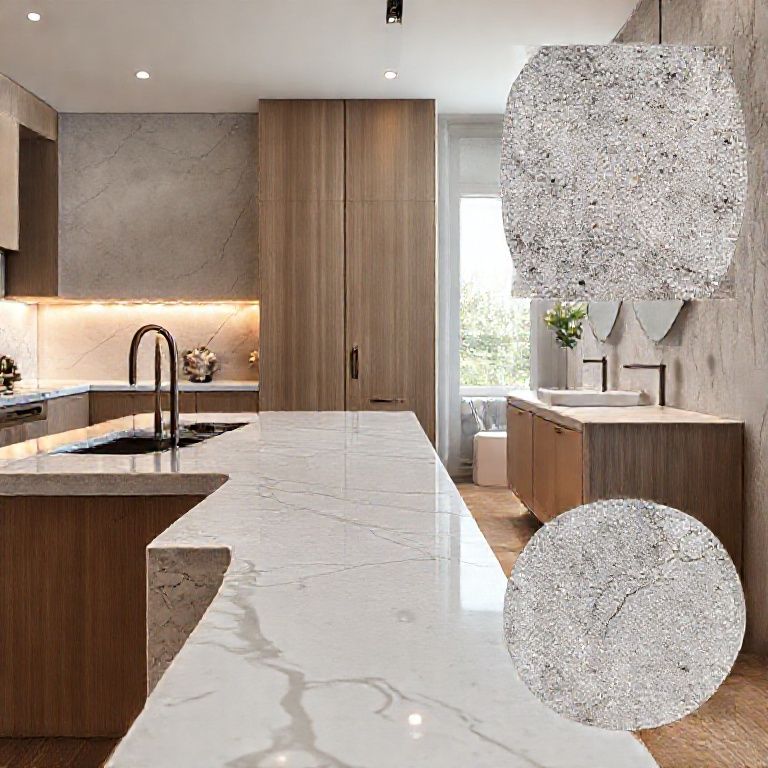
Visual Insights: Our Repair Video
To provide you with a visual guide on fixing color changes in artificial stone countertops, we have created an informative video. In this video, you will see step-by-step demonstrations of the repair techniques mentioned above. From surface polishing to re-sealing and color matching, our experts will guide you through each process to ensure you achieve the best results.
Conclusion
Color changes in artificial stone countertops can be a frustrating issue, but with the right knowledge and techniques, they can be effectively addressed. By understanding the causes, implementing preventive measures, and utilizing appropriate repair methods, you can restore the beauty and functionality of your countertops. Watch our video for expert advice and visual insights to help you fix color changes in artificial stone countertops like a pro.
By following these guidelines, you can ensure that your artificial stone countertops remain a beautiful and durable feature in your home for years to come.