How to Fix Yellowing on Artificial Stone Countertops: A Comprehensive Video Guide
Artificial stone countertops are popular for their durability, low maintenance, and aesthetic appeal. However, they can sometimes suffer from yellowing, which can detract from their sleek and modern look. In this first part of our comprehensive video guide, we will cover the initial diagnosis, cleaning methods, and basic restoration techniques to bring your artificial stone countertops back to their original glory.

Understanding the Causes of Yellowing
Before diving into the cleaning and restoration process, it’s essential to understand what causes artificial stone countertops to yellow. Common culprits include:
Moisture: Water and humidity can lead to mold and mildew, causing yellowing spots. Soap and Detergents: Residue from soaps and detergents can accumulate over time, leading to discoloration. Food and Drink Spills: Grease, coffee, tea, and other liquids can stain the surface. Sunlight: Prolonged exposure to UV rays can fade and discolor the stone.
Initial Diagnosis
The first step in addressing yellowing on artificial stone countertops is to determine the extent and cause of the discoloration. Here’s how you can conduct an initial diagnosis:
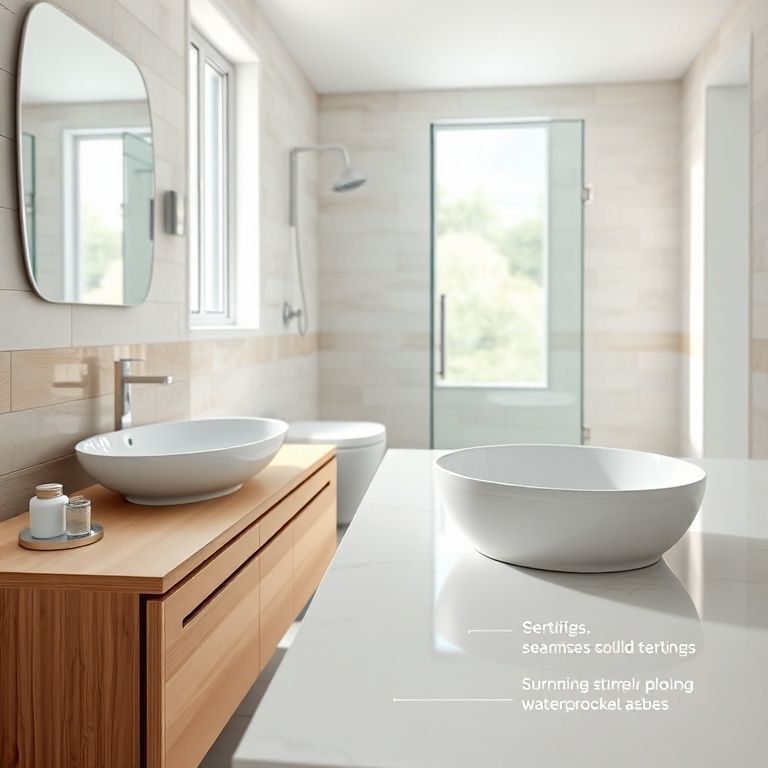
Examine the Surface: Check for mold, mildew, or any other visible signs of moisture. Test Cleaning Products: Use different cleaning solutions to see which one best removes the stains without damaging the surface. Identify Patterns: Determine if the yellowing is localized or spread across the entire countertop.
Basic Cleaning Methods
Once you’ve identified the issue, it’s time to clean your artificial stone countertop. Here are some basic cleaning methods you can try:
Mild Soap and Water: Mix a small amount of mild dish soap with warm water. Use a soft cloth to gently scrub the affected area. Rinse thoroughly and dry with a clean towel.
Baking Soda Paste: Create a paste with baking soda and water. Apply it to the yellowed area and let it sit for 15-20 minutes before scrubbing gently with a soft cloth. Rinse and dry.
White Vinegar Solution: Vinegar is a natural disinfectant and can help remove stains. Mix equal parts of vinegar and water, apply it to a cloth, and gently wipe the surface. Rinse and dry immediately to prevent any potential damage from prolonged exposure to vinegar.
Commercial Countertop Cleaners: Use a cleaner specifically designed for artificial stone. Follow the manufacturer’s instructions for application and cleaning.
Basic Restoration Techniques
If the yellowing persists, you may need to employ some basic restoration techniques. Here are a few methods to try:
Buffing: Using a buffing pad and a mild abrasive cleaner, gently scrub the yellowed areas. Start with a light touch to avoid scratching the surface. Buffing can often bring back the original color.
Polishing: If buffing doesn’t work, you can try polishing the countertop with a polishing compound. Apply a small amount to a cloth and gently rub the surface in a circular motion. Wipe off any residue with a clean cloth and dry thoroughly.
Professional Cleaning Services: If home remedies fail, consider hiring a professional cleaning service that specializes in artificial stone countertops. They have specialized equipment and cleaning solutions that can effectively restore the countertop’s color and shine.
Preventive Measures
To prevent future yellowing, follow these preventive measures:
Regular Cleaning: Clean your countertops regularly with mild soap and water to remove any residue that could lead to discoloration.
Use Coasters and Trivets: Protect your countertops from spills by using coasters for drinks and trivets for hot dishes.
Avoid Harsh Chemicals: Limit the use of harsh cleaning chemicals that could damage the surface.
Immediate Cleanup: Wipe up spills immediately to prevent stains from setting in.
How to Fix Yellowing on Artificial Stone Countertops: Advanced Techniques and Maintenance Tips
In the first part of our comprehensive video guide, we covered the initial diagnosis, basic cleaning methods, and basic restoration techniques for yellowing on artificial stone countertops. Now, in the second part, we will delve into advanced restoration techniques and provide detailed maintenance tips to ensure your countertops remain pristine and beautiful for years to come.
Advanced Restoration Techniques
If basic methods didn’t completely resolve the yellowing issue, it’s time to move to more advanced techniques. Here’s how to go about it:
Chemical Restoration: For stubborn stains, specialized chemical restoration treatments can be very effective. These treatments often contain mild acids or other chemical compounds designed to lift stains without damaging the surface. Follow the product instructions carefully and test a small area first to ensure it doesn’t cause any adverse reactions.
Power Washing: For extensive discoloration, a power washer with a soft nozzle can be very effective. The pressure helps to lift the stains without damaging the surface. Ensure you use a nozzle setting that provides gentle pressure.
Sanding: In extreme cases, a light sanding with fine-grit sandpaper can help remove discoloration. This method should only be used if other techniques have failed and should be done carefully to avoid scratching the surface. After sanding, you may need to apply a new sealant to restore the countertop’s finish.
Professional Restoration Services: If you’re not comfortable performing advanced restoration techniques or if the yellowing is severe, consider hiring a professional restoration service. These experts have the tools and expertise to effectively restore your countertops to their original state.
Detailed Maintenance Tips
Proper maintenance is key to preventing future yellowing and keeping your artificial stone countertops looking their best. Here are some detailed maintenance tips:
Regular Cleaning Routine: Establish a regular cleaning routine. Clean the countertops daily with a mild soap and water solution. Use a soft cloth to avoid scratching the surface.
Use Appropriate Cleaners: Always use cleaners specifically designed for artificial stone. Avoid harsh chemicals that can damage the surface.
Protective Mats and Pads: Use protective mats under cutting boards and pads under hot pots to prevent direct contact with the countertop surface.
Immediate Spill Cleanup: Wipe up spills immediately to prevent them from setting into the surface and causing stains.
Seal the Countertops: While artificial stone doesn’t always require sealing like natural stone, it can still benefit from a good quality countertop sealant. This helps to protect the surface from stains and spills. Apply the sealant according to the manufacturer’s instructions and reseal every 6-12 months depending on usage.
Avoid Heat and Grease: Keep hot pots and pans on heat-resistant trivets to prevent direct contact with the surface. Grease can seep into the stone and cause discoloration over time.
UV Protection: If your countertop is exposed to direct sunlight, consider using UV-resistant sealants or placing it in a location with indirect sunlight to prevent fading and yellowing.
Long-term Care and Maintenance
To ensure long-term care and maintenance of your artificial stone countertops, follow these guidelines:
Regular Inspections: Regularly inspect your countertops for any signs of wear, damage, or discoloration. Early detection can prevent minor issues from becoming major problems.
Professional Inspections: Schedule annual inspections with a professional to check for any underlying issues that you may not notice.
Cleaning Schedule: Maintain a regular cleaning schedule to keep the surface free from stains and spills. Use a microfiber cloth to clean the surface gently.
Avoid Cutting on Countertops: Use a cutting board or a dedicated cutting surface to prevent scratches and stains from food particles.
Proper Storage: Store kitchenware and other items properly to avoid placing heavy or sharp objects directly on the countertops.
By following these detailed steps and maintaining a consistent cleaning and care routine, you can keep your artificial stone countertops looking beautiful and extend their lifespan. Remember, prevention is always better than cure, so regular maintenance and prompt attention to spills and stains are key to preserving the pristine look of your countertops.
In conclusion, restoring and maintaining the beauty of your artificial stone countertops involves understanding the causes of yellowing, using appropriate cleaning and restoration techniques, and following a diligent maintenance routine. With the right approach, you can ensure your countertops remain a stunning feature in your kitchen or bathroom for years to come. Don’t let yellowing ruin your aesthetic; take action today to restore the beauty of your artificial stone countertops!