How to Handle Color Changes in Artificial Marble: A Comprehensive Guide
Artificial marble, a popular choice for countertops, sinks, and other decorative surfaces, is renowned for its durability and aesthetic appeal. However, like all materials, it can sometimes suffer from color changes due to various factors. This comprehensive guide will delve into the causes of color changes in artificial marble and provide you with effective solutions to handle and prevent these issues.
Understanding the Causes of Color Change in Artificial Marble
Artificial marble, often made from a combination of melamine resin, quartz, and pigments, is designed to mimic the appearance of natural marble. Despite its superior durability, it can still undergo color changes due to several reasons:
Chemical Exposure: Household cleaners, especially those containing bleach or acidic components, can strip away the protective layer of artificial marble, leading to discoloration.
Heat: High temperatures can cause the pigments within the artificial marble to break down, resulting in color shifts.
Stains and Spills: Food, drink, and other liquid spills can seep into the surface, causing permanent stains and changes in color.
Aging: Over time, the surface layer of the artificial marble can wear away, exposing the underlying pigments and causing color variations.
UV Exposure: Prolonged exposure to direct sunlight can cause fading and color changes, especially if the marble has been exposed to outdoor conditions.
Preventive Measures to Avoid Color Changes
Prevention is always better than cure. Here are some proactive measures to keep your artificial marble looking pristine:
Use Gentle Cleaners: Opt for mild, non-abrasive cleaners specifically designed for artificial surfaces. Avoid using bleach, vinegar, or acidic cleaners which can damage the marble.
Immediate Cleanup: Promptly clean up spills and stains to prevent them from penetrating the surface and causing long-term discoloration.
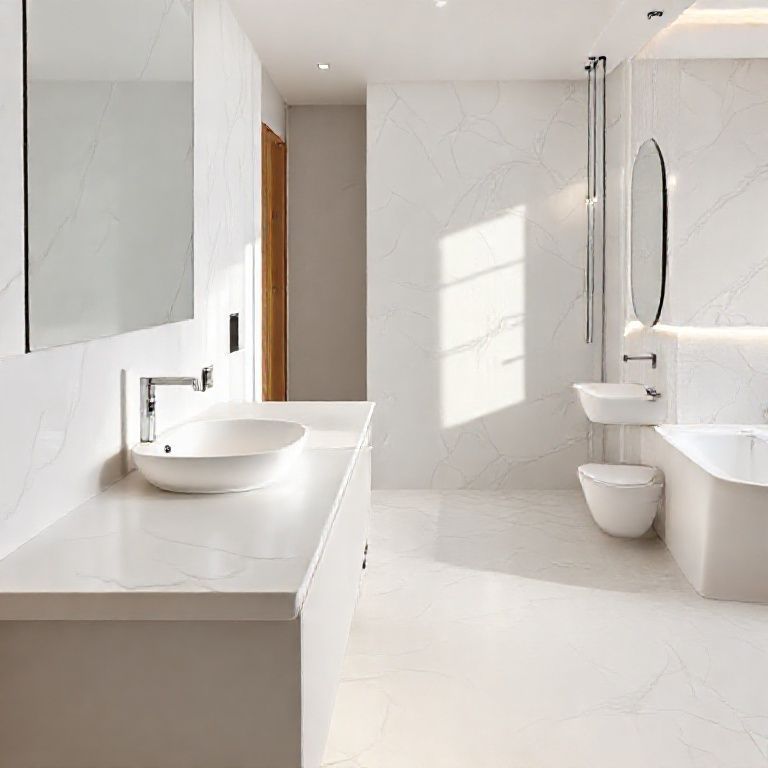
Protect from Heat: Avoid placing hot pots, pans, or other hot items directly on the surface. Use trivets or heat-resistant pads to protect the marble.
Shield from UV: If your artificial marble is exposed to direct sunlight, consider using curtains or UV-protective films to minimize fading.
Regular Maintenance: Routine cleaning and maintenance can help prolong the life of your artificial marble. Use a soft cloth and a gentle cleaner to wipe down the surface regularly.
Immediate Steps to Handle Color Changes
If your artificial marble has already experienced color changes, don’t worry. There are several steps you can take to address and correct these issues.
Assess the Damage: Determine the extent of the discoloration. Is it a minor spot or a larger area? This will help you decide on the appropriate course of action.
Remove Surface Stains: For minor stains, use a soft cloth dampened with a mild cleaner. Gently rub the affected area. Avoid using abrasive materials that can scratch the surface.
Deep Cleaning: If the stain persists, consider using a specialized marble cleaner or a mild soap solution. Apply the cleaner to a soft cloth and gently scrub the affected area. Rinse thoroughly with clean water and dry with a soft towel.
Polishing: In some cases, polishing can help restore the color. Use a marble polish or a product specifically designed for artificial marble. Apply according to the manufacturer’s instructions and buff the surface with a clean, soft cloth.
Professional Help: If the discoloration is severe and home remedies do not work, it may be time to consult a professional. Specialists can use advanced techniques to restore the color and protect the surface.
Advanced Restoration Techniques
For those looking to go beyond basic maintenance and restoration, here are some advanced techniques to consider:
Powder Coating: Powder coating is a process where a fine powder is applied to the surface and then baked to fuse it in place. This method can help restore color and add a protective layer to the marble.
Re-pigmentation: In cases where the color has faded, re-pigmentation involves applying a new layer of color to the surface. This can be done by a professional who has the expertise to blend the new color with the existing one seamlessly.
Surface Treatment: For surfaces that have suffered significant damage, a surface treatment can help. This involves sanding down the affected area and applying a new protective layer to restore the original appearance.
Conclusion
Color changes in artificial marble can be distressing, but with the right knowledge and proactive measures, you can handle and prevent these issues effectively. By understanding the causes and employing preventive and corrective strategies, you can ensure that your artificial marble remains a stunning focal point in your home or business.
Stay tuned for the second part of this guide, where we will delve deeper into advanced restoration techniques and additional tips to keep your artificial marble looking its best.
How to Handle Color Changes in Artificial Marble: A Comprehensive Guide (Part 2)
In the first part of this guide, we explored the causes of color changes in artificial marble and discussed preventive measures and immediate steps to address discoloration. Now, we’ll dive deeper into advanced restoration techniques and provide additional tips to maintain the pristine beauty of your artificial marble surfaces.
Advanced Restoration Techniques
For those who have tried basic maintenance and restoration methods but are still dealing with stubborn discoloration, advanced techniques can offer a more effective solution.
Powder Coating: Process: Powder coating involves applying a fine powder to the surface of the artificial marble. The powder is then fused onto the surface using a heat gun, creating a smooth, durable finish. Benefits: This method can restore the original color and add a protective layer that resists future stains and scratches. Application: It’s best to have this done by a professional, as it requires specialized equipment and expertise to achieve the best results. Re-pigmentation: Process: Re-pigmentation involves applying a new layer of color to the surface of the artificial marble. This can be done through spraying or brushing a pigment solution onto the marble and then fusing it in place. Benefits: This technique can effectively restore faded colors and provide a uniform appearance. Application: Professionals use advanced tools to blend the new pigment with the existing surface, ensuring a seamless finish. Surface Treatment: Process: For surfaces that have suffered significant damage, surface treatment may involve sanding down the affected area. This removes the damaged layer and allows for the application of a new protective coating. Benefits: This method can restore the original look and add a fresh protective layer that prevents future discoloration. Application: This should be done by professionals who have the right equipment and expertise to avoid damaging the marble further.
Additional Tips for Maintaining Artificial Marble
In addition to the advanced techniques, here are some extra tips to help you maintain the beauty and longevity of your artificial marble surfaces:
Use Protective Pads: Place protective pads under hot pots, pans, and other heat-generating items to prevent direct heat exposure, which can cause color changes. Avoid Harsh Chemicals: Stick to gentle, non-abrasive cleaners that are specifically formulated for artificial marble. Avoid using bleach, vinegar, or any acidic cleaners that can strip the surface and cause discoloration. Regular Polishing: Regular polishing can help maintain the shine and color of your artificial marble. Use a marble polish or a mild soap solution to clean and polish the surface regularly. Seal the Surface: Applying a clear sealant can provide an additional layer of protection against stains and discoloration. Follow the manufacturer’s instructions for the best results. Clean Spills Immediately: Promptly clean up any spills to prevent stains from setting in. Use a soft cloth and a gentle cleaner to wipe up liquid spills immediately. UV Protection: If your artificial marble is exposed to direct sunlight, use UV-protective films or curtains to shield it from prolonged UV exposure, which can cause fading. Professional Inspections: Regular inspections by a professional can help identify potential issues early. They can also provide tailored advice and maintenance tips specific to your artificial marble.
Final Thoughts
Maintaining the beauty and integrity of your artificial marble surfaces requires a combination of preventive measures, immediate corrective actions, and advanced restoration techniques when necessary. By understanding the causes of color changes and employing the right strategies, you can keep your artificial marble looking stunning for years to come.
Remember, while DIY solutions can often suffice for minor issues, professional help is invaluable for severe damage. Always consult a professional for complex restoration needs to ensure the best results and longevity of your artificial marble.
Thank you for joining us in this detailed exploration of handling color changes in artificial marble. Stay tuned for more tips and guides to help you keep your home and business spaces looking their best.
This comprehensive guide should provide you with the necessary information and strategies to handle and prevent color changes in artificial marble effectively.