How to Handle Staining on Artificial Marble: Understanding the Causes
When it comes to the beauty and functionality of your home, artificial marble is a popular choice due to its durability, aesthetic appeal, and low maintenance requirements. However, like any material, it can be prone to staining, which may detract from its visual allure. Understanding the causes of staining on artificial marble is the first step towards effectively addressing and preventing these issues.
1. Types of Stains:
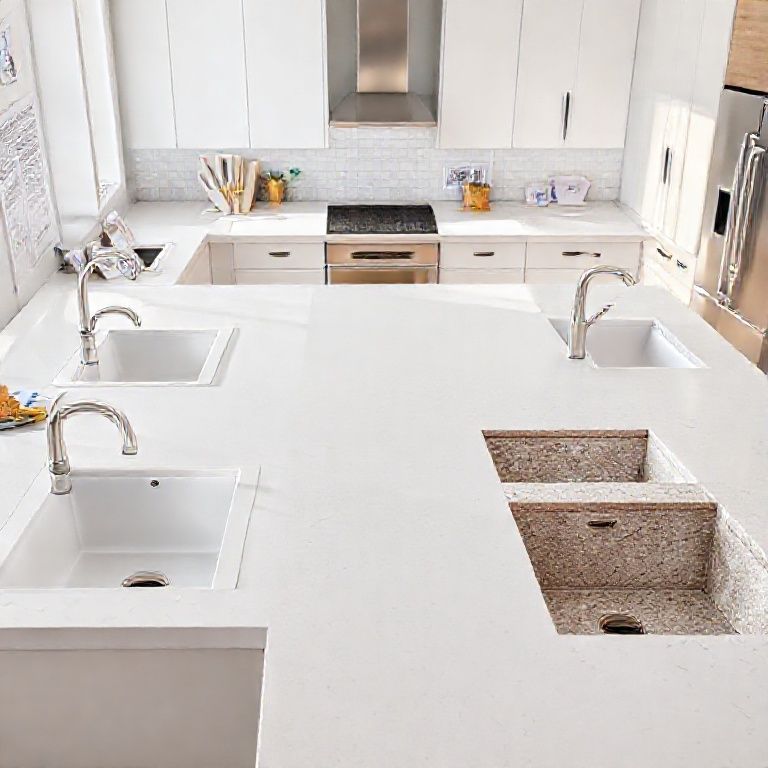
Artificial marble can be susceptible to various types of stains, including those caused by liquids, chemicals, and everyday use. Common culprits include:
Liquid Stains: Coffee, tea, wine, and other beverages often leave dark, unsightly marks on artificial marble. These stains occur when the liquid seeps into the material, causing discoloration. Chemical Stains: Cleaning agents, oils, and certain acidic foods can react with the surface of the artificial marble, leading to discoloration or etching. Wear and Tear Stains: Over time, the surface can become dull or develop stains from regular use, particularly in high-traffic areas.
2. Material Composition:
Artificial marble is composed of various minerals and resins bonded together under high pressure and temperature. While this creates a durable surface, it also means that certain stains can penetrate the material, leading to color infiltration. Understanding the specific composition of your artificial marble is crucial for choosing the right cleaning and repair methods.
3. Preventive Measures:
Preventing staining on artificial marble involves a combination of proper maintenance and protective measures:
Immediate Cleaning: Always clean spills immediately to prevent stains from setting in. Use a soft cloth and a mild, non-abrasive cleaner. Protective Covers: Use cutting boards, coasters, and mats to protect the surface from direct contact with liquids and sharp objects. Avoid Harsh Chemicals: Refrain from using harsh cleaning agents that can etch or discolor the surface.
4. Recognizing Staining Issues:
Being able to recognize when your artificial marble is stained is key to addressing the issue promptly. Look out for:

Discoloration: Any change in color that does not fade after cleaning. Etching: Tiny scratches or grooves that appear on the surface, often caused by acidic substances. Dullness: A loss of shine or glossiness that indicates wear and tear.
5. When to Seek Professional Help:
If stains persist despite your best efforts, it may be time to seek professional assistance. A specialist can use advanced techniques to restore the appearance of your artificial marble without causing further damage.
How to Handle Staining on Artificial Marble: Effective Remedies and Restoration Techniques
Once you’ve understood the causes of staining on artificial marble, it’s time to delve into the practical solutions for addressing these issues. This comprehensive guide will cover everything from initial cleaning steps to advanced restoration techniques to bring back the pristine beauty of your artificial marble surfaces.
1. Initial Cleaning Steps:
Before attempting more complex restoration methods, start with a thorough cleaning to remove surface stains and prepare the material for further treatment:
Mild Cleaner: Use a mild, non-abrasive cleaner specifically designed for artificial stone. Avoid products containing bleach, vinegar, or harsh abrasives. Soft Cloth: Gently wipe the stained area with a clean, soft cloth to remove surface dirt and debris. Rinse Thoroughly: Rinse the area with clean water to eliminate any residual cleaner.
2. Deep Cleaning Solutions:
For more stubborn stains, consider these deep cleaning solutions:
Baking Soda Paste: Create a paste using baking soda and water. Apply it to the stained area and let it sit for 10-15 minutes before scrubbing gently with a soft cloth. Hydrogen Peroxide: For bleaching stains, mix equal parts of hydrogen peroxide and water. Apply the solution to the stain and let it sit for a few minutes before wiping clean. Commercial Cleaners: If the stains persist, use commercial cleaners designed for artificial marble. Follow the manufacturer’s instructions carefully to avoid damaging the surface.
3. Professional Cleaning Services:
If home remedies do not yield satisfactory results, consider hiring a professional cleaning service. Professionals have access to advanced cleaning equipment and techniques that can effectively remove deep stains without harming the material.
4. Restoration Techniques:
For more severe staining issues, restoration techniques may be necessary:
Polishing: Using a diamond polishing pad, gently polish the stained area. This method can help restore shine and remove minor discoloration. Color Matching: If the stain has caused significant color infiltration, a color-matching restoration service might be required. Specialists can use specialized dyes and resins to match the original color of the artificial marble. Surface Refinishing: In extreme cases, a complete surface refinishing may be necessary. This involves removing the top layer of the artificial marble and applying a new one to restore the surface.
5. Maintenance Tips for Long-Term Protection:
To prevent future staining and maintain the beauty of your artificial marble, follow these maintenance tips:
Regular Cleaning: Clean your artificial marble surfaces regularly using mild cleaners to prevent the buildup of dirt and grime. Use Protective Covers: Always use coasters, cutting boards, and mats to protect the surface from spills and scratches. Avoid Exposure to Harsh Chemicals: Limit the use of cleaning agents that contain harsh chemicals, which can etch or discolor the material. Routine Inspections: Regularly inspect your artificial marble surfaces for signs of wear, discoloration, or damage to address issues promptly.
6. Choosing the Right Products:
Selecting the right cleaning and maintenance products is crucial for preserving the integrity of your artificial marble. Opt for products specifically formulated for artificial stone to ensure they are gentle yet effective.
Conclusion:
Handling staining on artificial marble requires a combination of understanding the causes, employing effective cleaning methods, and utilizing restoration techniques when necessary. By following these guidelines and maintaining regular care, you can ensure that your artificial marble surfaces remain beautiful and durable for years to come. Remember, prompt action is key to preventing stains from setting in and causing permanent damage. With the right approach, you can restore your artificial marble to its original splendor.