How to Handle Cracks on Your Countertops: A Comprehensive Guide (Part 1)
Countertops are more than just functional surfaces; they are a central feature in your kitchen or workspace, often adding aesthetic value to the room. Over time, however, even the most resilient materials can develop cracks, leading to a range of concerns from cosmetic issues to potential structural problems. This guide will walk you through the steps necessary to handle cracks on your countertops effectively, ensuring that your surfaces remain pristine and functional.

Understanding the Types of Cracks
The first step in addressing countertop cracks is to identify the type of crack you are dealing with. Different materials require different repair methods, so knowing the nature of the crack is crucial.
1. Hairline Cracks: These are minor, thin cracks that often appear on the surface of the material. Hairline cracks are typically cosmetic and do not pose a significant threat to the structural integrity of the countertop.
2. Deep Cracks: These cracks extend deeper into the material, often branching out. Deep cracks can compromise the strength of the countertop and may require more extensive repair.

3. *Chips and Splinters:* Small pieces broken off from the countertop surface can indicate underlying structural damage and may need addressing to prevent further deterioration.
Identifying the Material
Knowing the material of your countertop is essential because different materials have unique repair requirements.
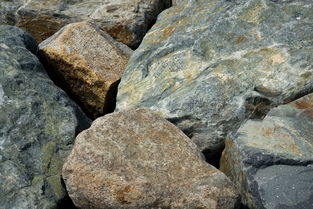
Granite: Granite is a durable and natural stone often used for countertops. While it is resistant to scratches, it can develop cracks, especially if subjected to excessive pressure or impact.

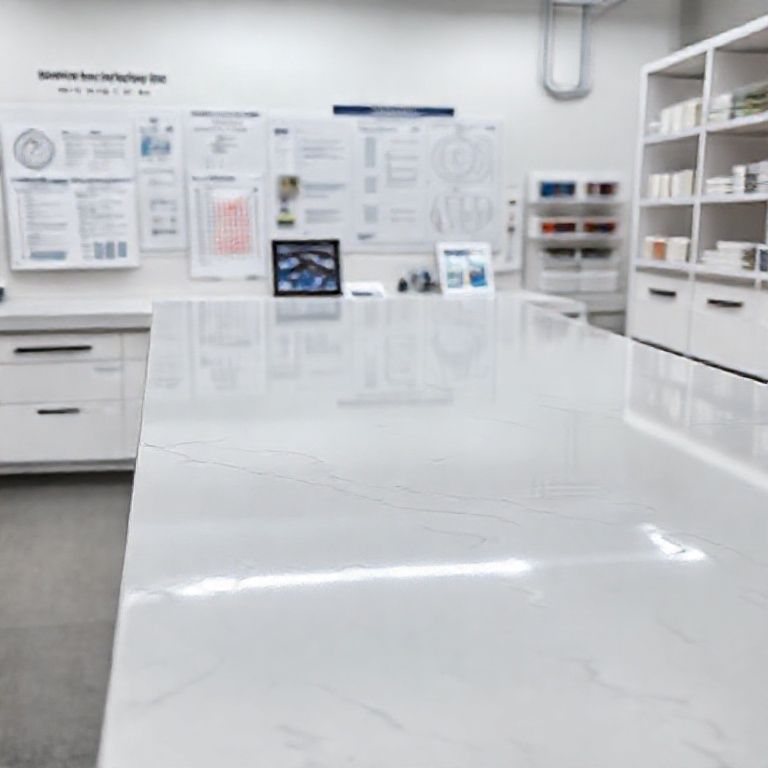
Quartz: Quartz countertops are known for their durability and resistance to stains and scratches. However, they can still develop hairline cracks or chips.
Marble: Marble is a beautiful, yet delicate, natural stone. It is prone to cracking from even minor impacts due to its soft nature.
Laminate: Laminate countertops are made from multiple layers of material bonded together. They are affordable and easy to install but can develop cracks and chips over time.
Initial Steps in Repair
Regardless of the material, some initial steps can help in assessing and addressing the damage.
1. Clean the Area: Before attempting any repair, clean the cracked area to remove any dust, debris, or oils. This ensures that the repair material adheres properly.
2. Assess the Damage: Carefully examine the crack to determine its depth, length, and whether it has branched out. This will guide you in choosing the appropriate repair method.
3. Dry the Area: Ensure the area is completely dry before proceeding with any repair. Moisture can interfere with the adhesive properties of the repair material.
Choosing the Right Repair Method
Selecting the right repair method depends on the type and severity of the crack, as well as the material of your countertop. Here are some common methods for different types of countertops:
1. *Epoxy Resin for Granite and Quartz:* Epoxy resin is an excellent choice for repairing cracks in granite and quartz countertops. It is strong, durable, and can be matched to the color of the countertop for a seamless repair.
Steps:
Clean and dry the crack. Mix the epoxy resin according to the manufacturer’s instructions. Apply the epoxy resin into the crack using a syringe or a small brush. Use a toothpick or a small stick to spread the resin evenly and to fill any gaps. Allow the resin to cure as per the manufacturer’s recommendation.
2. *Polyurethane for Marble:* Polyurethane resin can be used for repairing cracks in marble. It is less aggressive than epoxy and provides a softer repair.
Steps:
Clean and dry the crack. Mix the polyurethane resin. Apply the resin into the crack using a syringe or a small brush. Use a toothpick to spread the resin evenly. Allow the resin to cure as per the manufacturer’s instructions.
3. *Laminating Film for Laminate:* Laminate countertops can be repaired using laminating film or laminate repair kits. This method is less about filling the crack and more about covering it to make it less visible.
Steps:
Clean and dry the crack. Apply the laminating film or repair tape over the crack. Use a heat gun or a hair dryer to activate the adhesive and fuse the tape to the countertop. Trim any excess tape.
Preventive Measures
Preventing cracks from forming in the first place is always better than repairing them. Here are some tips to keep your countertops crack-free:
1. *Use Cutting Boards:* Avoid cutting hard foods like meats and vegetables directly on your countertop. Use a cutting board to protect the surface.
2. *Place Trivets and Coasters:* Place trivets under pots and coasters under glasses to prevent heat damage.
3. *Clean Up Spills Immediately:* Spills can cause stains and, over time, weaken the material of the countertop.
4. *Avoid Sharp Objects:* Do not use sharp objects to scrape off food or clean the surface, as this can cause chips and cracks.
5. *Proper Maintenance:* Regularly clean and maintain your countertops to ensure they remain in good condition.
In the next part of this guide, we will explore advanced repair techniques for more significant cracks and provide tips on how to maintain your repaired countertops to extend their lifespan. Stay tuned for more detailed instructions!
How to Handle Cracks on Your Countertops: A Comprehensive Guide (Part 2)
In the first part of this guide, we covered the basics of identifying cracks and choosing the appropriate repair method for different countertop materials. Now, we will delve deeper into advanced repair techniques for more significant cracks and provide tips on how to maintain your repaired countertops to ensure they remain in pristine condition for years to come.
Advanced Repair Techniques for Significant Cracks
For cracks that are deep or have branched out, traditional repair methods may not be enough. Here are some advanced techniques for dealing with more severe damage.
1. *Crack Filling for Large Cracks:* For large, deep cracks, a more substantial filling material might be required. Here’s how to tackle these:
Steps:
Granite and Quartz:
Clean and dry the crack thoroughly. Use a high-quality countertop repair filler specifically designed for granite or quartz. Apply the filler into the crack using a putty knife or a small spatula. Smooth the filler to create a flat surface. Allow the filler to cure as per the manufacturer’s instructions. Once cured, polish the area to blend the filler with the countertop surface.
Marble:
Clean and dry the crack. Use a high-density polyurethane filler suitable for marble. Apply the filler into the crack. Smooth and shape the filler. Allow it to cure. Once cured, polish the area to blend the filler with the marble.
2. *Replacing Damaged Sections:* In some cases, the best solution is to replace the damaged section of the countertop. Here’s how to do it:
Steps:
Granite and Quartz:
Remove the damaged section using a saw if possible. Cut a new piece of granite or quartz to fit the space. Apply a strong adhesive to the new piece and the countertop. Press the new piece into place and secure it with clamps if necessary. Allow the adhesive to cure as per the manufacturer’s instructions. Grind and polish the new piece to blend it seamlessly with the countertop.
Marble:
Remove the damaged section carefully. Cut a new piece of marble to fit. Use a strong adhesive suitable for marble. Press the new piece into place and secure it. Allow the adhesive to cure. Grind and polish the new piece to blend it with the existing marble.
3. *Using Countertop Repair Kits:* There are specialized kits available for repairing countertops that include all the necessary materials and tools. These kits are user-friendly and can be used for minor to moderate repairs.
Steps:
Follow the instructions provided with the repair kit. Clean and prepare the cracked area. Apply the repair materials as directed. Allow the repair to cure. Polish and finish the area as needed.
Maintaining Your Repaired Countertops
Proper maintenance is key to ensuring that your repairs last as long as possible and that your countertops continue to look their best.
1. *Regular Cleaning:*
Use a gentle, pH-neutral cleaner to clean your countertops regularly. Avoid using abrasive cleaners or scrubbing too hard, as this can scratch the surface.
2. *Spill Management:*
Clean up spills immediately to prevent stains and potential damage. For water-based spills, blot with a dry cloth to avoid prolonged contact with the surface.
3. *Protective Covers:*
4. *避免过重物品:* 放置在台面上的物品不应该太重,以免压坏修复处。如果必须放置重物,最好使用桌布或垫子来保护台面。
5. *正确存放锋利物品:* 刀具、玻璃器皿等锋利物品应存放在橱柜或专用容器中,而不是直接放在台面上,以避免再次造成损坏。
6. *定期检查:* 定期检查修复后的台面,确保没有新的裂痕或损坏。一旦发现新的损坏,应立即进行修复。
7. *防止热损伤:* 热源如炉灶或烤箱周围的台面应使用耐热垫或其他保护材料,以防止热损伤。
8. *使用适当的清洁工具:* 在清洁台面时,尽量使用柔软的布或海绵,避免使用刮刀或其他硬质工具,这可能会对修复处造成损害。
修复后的特别护理
不同材料的台面在修复后可能需要不同的护理方法:
对于石材台面(如花岗岩、大理石):
定期抛光: 石材台面需要定期抛光,以保持其光泽和防止污渍渗入。 使用防护涂层: 一些高端的防护涂层可以提高石材台面的耐用性,但要选择专门针对石材设计的涂层产品。
对于人造石台面(如石英石):
避免强烈热源: 尽量避免直接暴露在强烈热源下,可以在使用前在小区域进行测试。 定期保养: 石英石台面通常需要定期清洁和抛光,以保持其光泽和美观。
对于金属台面:
防止生锈: 金属台面需要定期清洁,并且在使用后及时擦干,以防止生锈。 避免酸碱物品: 金属台面对酸碱物品非常敏感,应避免直接接触。
专业维护
1. *专业修复公司:* 许多公司提供专门的台面修复服务,他们有经验和工具来处理各种类型的损坏。
2. *家居翻新公司:* 一些大型的家居翻新公司也提供台面修复和更换服务,他们可以根据您的整体需求提供方案。
3. *制造商技术支持:* 如果您的台面是某个品牌的产品,联系该品牌的技术支持可能会得到专业的建议和服务。
预防未来的损坏
1. *安装防护垫:* 在台面下方安装防护垫,尤其是在厨房等高使用频率的地方。
2. *使用桌布和保护垫:* 在台面上放置桌布和保护垫,可以有效防止物品直接接触台面。
3. *适当的储存方式:* 确保所有物品都有合适的存放位置,避免随意摆放。
通过以上方法,您可以更好地保护和维护您的台面,确保其长期保持美观和功能性。如果有任何问题或需要进一步的建议,请随时提问。