Understanding the Basics of Waterproofing Artificial Stone
Waterproofing Artificial Stone: A Comprehensive Guide
Artificial stone, known for its durability, aesthetic appeal, and versatility, is a popular choice for countertops, sinks, and other household surfaces. However, to ensure its longevity and functionality, effective waterproofing is crucial. In this part, we delve into the fundamentals of waterproofing artificial stone, offering you the knowledge needed to protect your investment against water damage.
What is Artificial Stone?
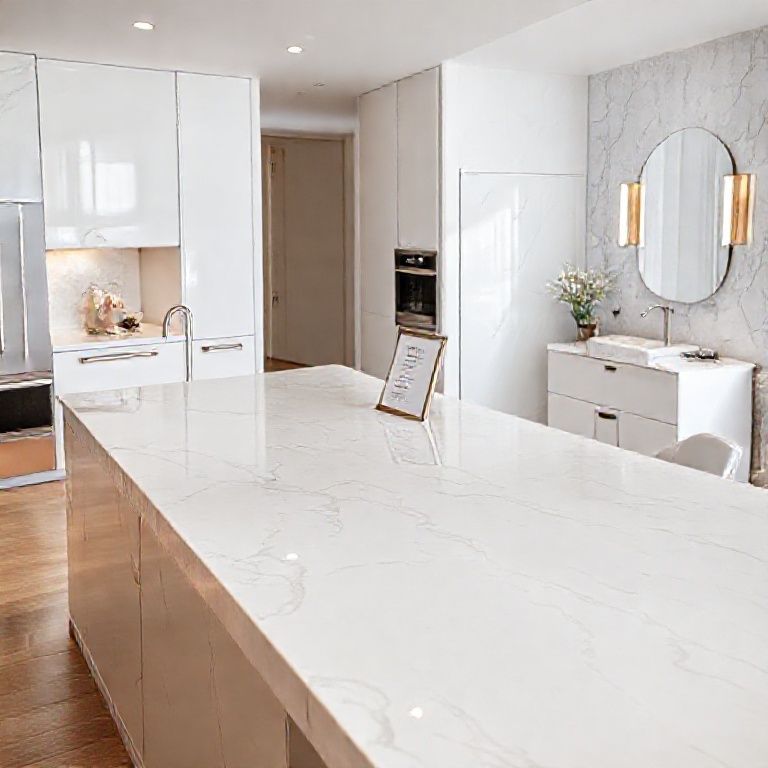
Artificial stone, also known as cultured stone, is a composite material made from a combination of natural stone, polymers, and other additives. It is designed to mimic the look and feel of natural stone while offering superior strength and resistance to chipping and cracking. Despite its robustness, artificial stone can still be susceptible to water damage if not properly treated and maintained.
Why Waterproofing is Essential
Waterproofing artificial stone is not just about aesthetics; it’s about preserving its integrity and functionality. Water can penetrate the surface of artificial stone, leading to staining, warping, and degradation over time. Proper waterproofing prevents these issues, ensuring that your artificial stone remains as beautiful and functional as the day it was installed.
Key Components of Artificial Stone
To understand how to effectively waterproof artificial stone, it’s important to know its key components:
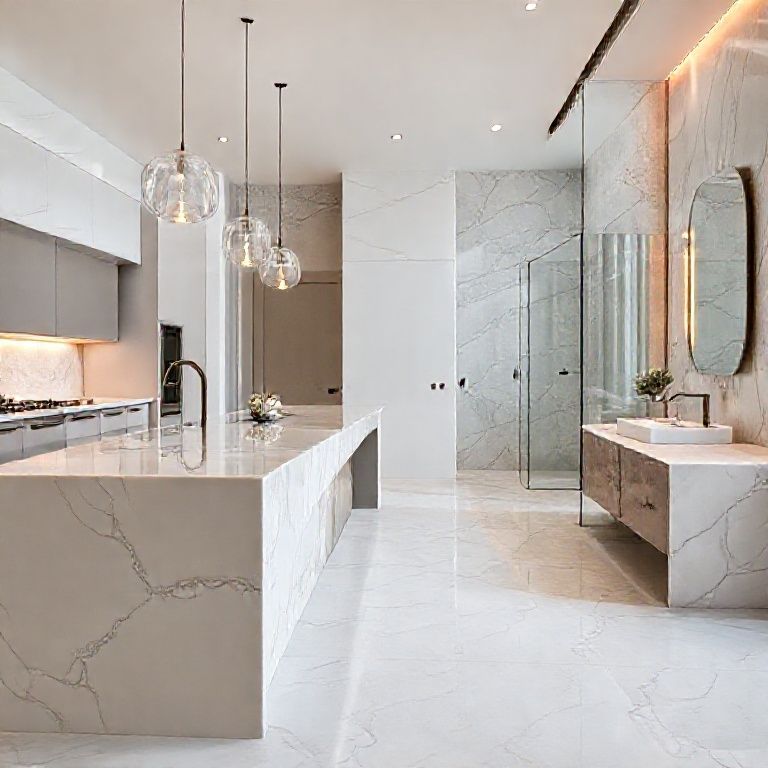
Natural Stone Aggregate: Provides the stone-like appearance. Polymers: Bind the aggregate together and contribute to the stone’s strength. Colorants: Impart the desired color and finish.
Understanding these components helps in selecting the right waterproofing techniques and products.
Methods to Waterproof Artificial Stone
1. Surface Sealants:
Surface sealants are one of the most common methods for waterproofing artificial stone. These are typically made from silicone-based or polymer-based formulas that create a protective barrier on the surface.
Application: Apply the sealant using a roller, brush, or spray. Ensure even coverage to avoid pooling. Curing Time: Allow sufficient time for the sealant to cure as per the manufacturer’s instructions. Reapplication: Regular reapplication is necessary to maintain a durable protective layer.
2. Impregnation:
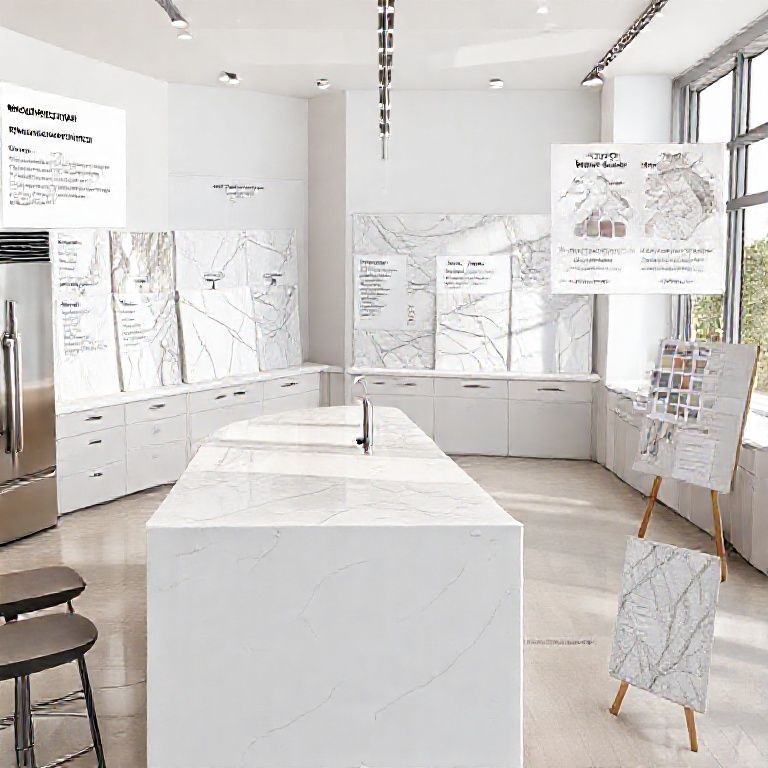
Impregnation involves penetrating the stone’s surface with a waterproofing agent that fills the pores and capillaries.
Application: Use a vacuum impregnation machine to ensure the agent penetrates deeply into the stone. Curing Time: This process usually requires longer curing times to ensure full penetration. Maintenance: Regular maintenance may be needed to keep the impregnation effective.
3. Coatings:
Waterproof coatings provide an additional layer of protection by creating a barrier on the surface.
Application: Apply the coating with a brush or spray for even coverage. Curing Time: Follow the curing instructions to ensure the coating bonds properly with the stone. Durability: High-quality coatings can offer long-lasting protection against water damage.
Preparing Your Artificial Stone for Waterproofing
Preparation is key to successful waterproofing. Here are the steps to ensure your artificial stone is ready for treatment:
1. Cleaning:
Surface Cleaning: Remove any dirt, grease, or debris using a mild detergent and water solution. Rinse thoroughly and allow the surface to dry completely. Deep Cleaning: For heavily soiled surfaces, use a stone-specific cleaner to ensure a thorough clean.
2. Surface Evaluation:
Inspect for Damage: Check for any cracks, chips, or other damage that may affect the waterproofing process. Repair if Necessary: Small repairs can be made with stone repair kits; larger repairs may require professional intervention.
3. Surface Smoothing:
Sanding: Lightly sand the surface to remove any roughness and ensure better adhesion of the waterproofing agent. Polishing: Polish the surface to create a smooth finish, which helps in applying the waterproofing agent evenly.
Choosing the Right Waterproofing Product
Selecting the right waterproofing product is crucial for the longevity of your artificial stone. Here are some tips to guide you:
1. Product Compatibility:
Check Compatibility: Ensure the product is compatible with the type of artificial stone you have. Different stones may require different treatments. Consult Manufacturer: If in doubt, consult the manufacturer’s recommendations for the best waterproofing solution.
2. Quality:
High-Quality Products: Invest in high-quality products that offer superior protection and durability. Read Reviews: Look for reviews and testimonials to gauge the effectiveness of the product.
3. Application Method:
Ease of Application: Choose a product that is easy to apply, whether it’s a sealant, impregnation agent, or coating. Safety: Ensure the product is safe for use around food and water sources if applicable.
Conclusion
Waterproofing artificial stone is a vital step in maintaining its beauty and functionality. By understanding the basics of artificial stone, the importance of waterproofing, and the methods available, you can ensure that your investment remains protected against water damage. In the next part, we will explore advanced techniques and additional tips to further enhance the waterproofing of your artificial stone.
Advanced Techniques and Maintenance Tips for Waterproofing Artificial Stone
Advanced Techniques and Maintenance Tips for Waterproofing Artificial Stone
In this second part, we will explore advanced techniques for waterproofing artificial stone and provide detailed maintenance tips to ensure that your stone remains protected and beautiful over time. By combining these methods with regular care, you can extend the lifespan of your artificial stone and enjoy its aesthetic appeal and functionality.
Advanced Waterproofing Techniques
1. Hybrid Waterproofing:
Hybrid waterproofing combines different methods to provide comprehensive protection.
Combination Approach: Use surface sealants and impregnation together. Start with impregnation to penetrate the stone’s surface, then apply a sealant to create a barrier on the surface. Enhanced Protection: This dual approach offers superior protection against water infiltration and surface stains.
2. UV-Resistant Waterproofing:
UV-resistant waterproofing agents protect artificial stone from the harmful effects of sunlight.
Formulation: Look for products that contain UV stabilizers to prevent fading and degradation. Application: Apply the UV-resistant sealant or coating as a top layer after impregnation.
3. Chemical-Free Waterproofing:
For environmentally-conscious applications, chemical-free waterproofing agents are available.
Natural Ingredients: These products use natural ingredients to provide effective waterproofing without harmful chemicals. Application: Follow the same application process as traditional products but ensure they are safe for your specific use.
Specialized Waterproofing for Different Uses
1. Kitchen Countertops:
Kitchen countertops are subject to frequent exposure to water and grease.
High-Density Sealant: Use a high-density, food-safe sealant to protect against spills and stains. Regular Maintenance: Clean and reseal regularly to maintain protection.
2. Bathroom Fixtures:
Bathroom fixtures are often exposed to high moisture levels.
Waterproof Coating: Apply a waterproof coating designed for bathroom use to prevent mold and mildew. Moisture Control: Use dehumidifiers and proper ventilation to reduce moisture levels.
3. Outdoor Applications:
Outdoor artificial stone needs extra protection against weather elements.
Weatherproof Impregnation: Use weatherproof impregnation agents that offer long-lasting protection against rain and snow. Regular Inspection: Inspect for any signs of weather damage and reseal as needed.
Maintenance Tips for Long-Lasting Waterproofing
1. Regular Cleaning:
Daily Cleaning: Wipe surfaces with a damp cloth to remove everyday spills and stains. Deep Cleaning: Use a stone-specific cleaner monthly to remove tough stains and maintain shine.
2. Periodic Reapplication:
Sealants and Coatings: Reapply sealants and coatings every 6-12 months, depending on usage and exposure. Impregnation: Reimpregnate every 1-2 years to maintain deep protection.
3. Proper Usage:
Avoid Harsh Chemicals: Use mild cleaners and avoid harsh chemicals that can damage the waterproofing layer. Protective Utensils: Use non-abrasive pads and non-metallic utensils to prevent scratches and chips.
4. Immediate Repairs:
Cracks and Chips: Repair any cracks or chips promptly to prevent water from seeping into the stone. Professional Help: For extensive damage, seek professional repair services to maintain the integrity of the stone.
Troubleshooting Common Waterproofing Issues
1. Water Spots and Stains:
Cause: Water spots and stains can occur if the waterproofing layer is compromised. Solution: Reapply the waterproofing agent and clean the surface with a stone-specific cleaner.
2. Peeling or Fading:
Cause: Peeling or fading can result from UV exposure or improper application. Solution: Apply a UV-resistant sealant and ensure proper application techniques are followed.
3. Mold and Mildew:
5. 定期检查和维护:
定期检查: 定期检查人工大理石表面是否有任何划痕、裂缝或其他损伤,这些问题可能会影响防水性能。每季度进行一次全面检查是个不错的主意。 清洁和保养: 使用温和的清洁剂和水清洁人工大理石表面。避免使用含有酸性或碱性成分的清洁剂,这些成分可能会损害表面的涂层。
6. 使用合适的清洁工具:
软布和海绵: 使用软布或海绵而不是硬刷或刮刀清洁表面,以避免造成划痕。 非玻璃化工具: 使用非玻璃化的工具(如塑料或木制)来清洁和维护人工大理石,以防止刮伤。
7. 防止溢出物:
及时清理: 当液体溢出或洒在人工大理石表面时,应及时清理干净,以避免液体渗入材料内部造成损害。 防溢措施: 在使用容器时,确保容器底部平整,以避免液体溢出。
8. 环境控制:
湿度控制: 保持环境的湿度在适中水平,过高或过低的湿度都可能对人工大理石产生不利影响。 通风: 确保环境良好的通风,特别是在潮湿或高温环境下,以防止湿气积聚。
9. 专业维护:
专业清洁: 每年请专业清洁人员进行深度清洁和维护,以确保防水层的持久性和表面的光洁度。 修复服务: 如果发现严重的损坏或划痕,请及时联系专业修复服务,以避免问题恶化。