Introduction to Artificial Marble
Artificial marble, often referred to as engineered stone or synthetic stone, has gained immense popularity in recent years for its durability, aesthetic appeal, and cost-effectiveness. Unlike traditional natural marble, which is a naturally occurring material, artificial marble is a composite material created through a combination of various minerals and resins. This innovative product has become a staple in both residential and commercial spaces due to its impressive look and low maintenance requirements.
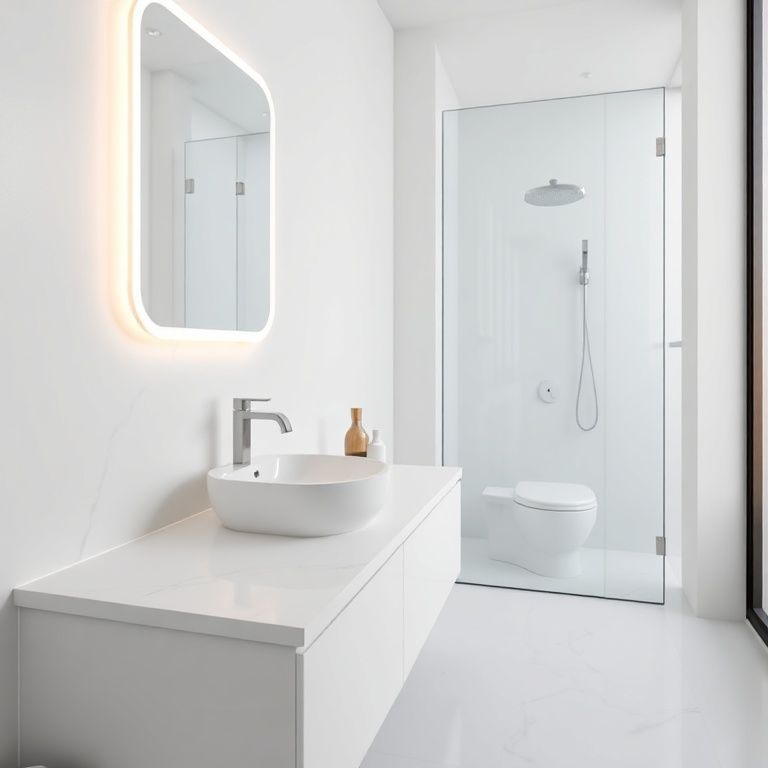
Material Composition of Artificial Marble
The primary components of artificial marble include a base of quartz, which is a naturally occurring mineral, along with a variety of other minerals like feldspar and mica, and synthetic resins that act as binders to hold everything together. The manufacturing process involves mixing these components at high temperatures and pressures, resulting in a solid, stone-like material that can mimic the appearance of natural marble.
While the appearance and durability of artificial marble are undeniable, concerns often arise regarding the potential health risks associated with its components. Let’s explore the specific materials used and their possible effects on human health.
Quartz and Other Minerals
Quartz, the main component of artificial marble, is generally considered safe when it is in a solid, non-dusting form. However, during the manufacturing process, quartz dust can be generated, which has been classified by the International Agency for Research on Cancer (IARC) as a Group 1 carcinogen when inhaled as dust. This raises concerns about the safety of workers in factories producing artificial marble.
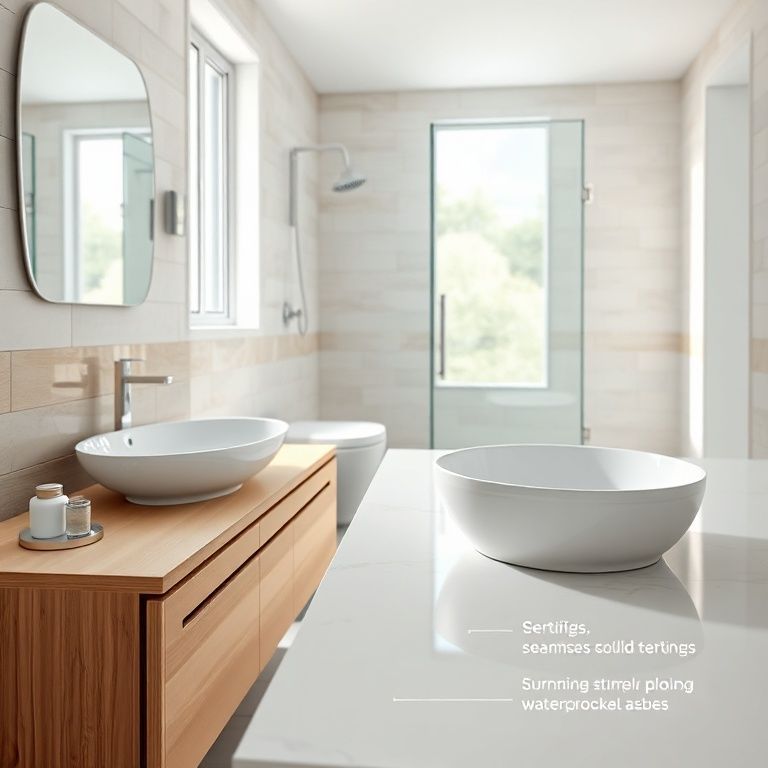
Synthetic Resins
The resins used to bind the minerals together in artificial marble are another area of interest. These resins can include urea formaldehyde, melamine, and other synthetic compounds. When these resins break down, they can release volatile organic compounds (VOCs). VOCs are known to contribute to indoor air pollution, potentially causing respiratory issues, headaches, and other health problems.
Volatile Organic Compounds (VOCs)
One of the primary concerns regarding artificial marble is the release of VOCs during and after its manufacturing process. These chemicals can evaporate easily into the air and may pose health risks when inhaled over prolonged periods. Common VOCs include benzene, formaldehyde, and toluene. While the emission levels have been regulated in many countries, it’s still crucial to consider the potential long-term effects of exposure to these chemicals.
Health Risks of Artificial Marble
The potential health risks associated with artificial marble primarily stem from exposure to its chemical components. Here are some of the primary concerns:
Respiratory Issues: Inhalation of dust containing quartz and synthetic resins can lead to respiratory problems. Prolonged exposure to dust from the manufacturing process has been linked to conditions like silicosis, a severe lung disease caused by inhaling silica particles.
Allergic Reactions: Some individuals may experience allergic reactions to the resins and other chemicals used in the production of artificial marble. Symptoms can include skin irritation, respiratory discomfort, and eye irritation.
Long-term Health Effects: While the immediate risks of exposure to VOCs are well-documented, the long-term health effects are less clear. Studies on the chronic effects of low-level exposure to VOCs are ongoing, and more research is needed to fully understand their impact on human health.
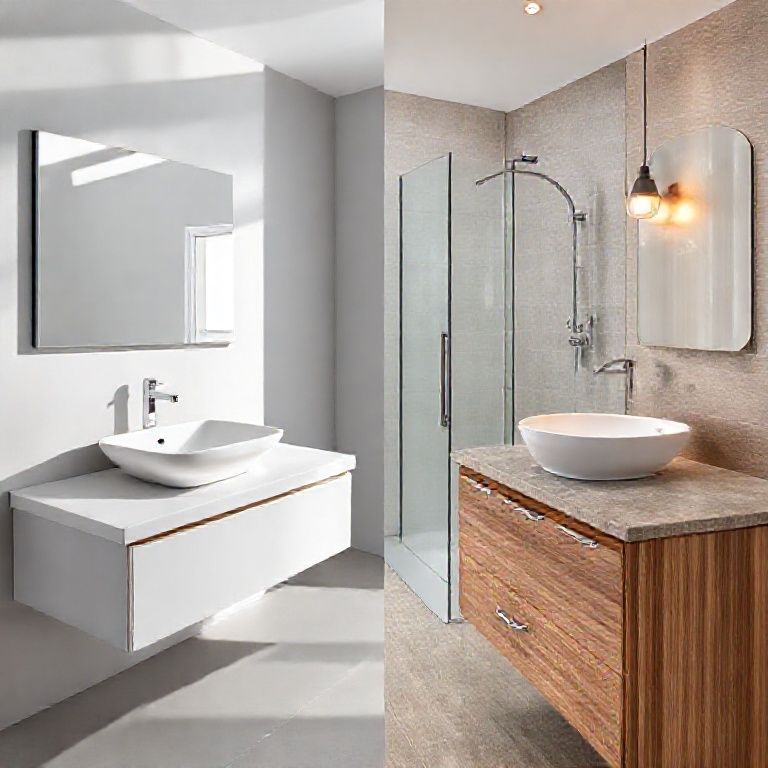
Mitigation Strategies
To mitigate the potential health risks associated with artificial marble, several strategies can be employed:
Proper Ventilation: Ensuring adequate ventilation in areas where artificial marble is used or manufactured can help reduce the concentration of VOCs in the air. Proper airflow can help dissipate harmful chemicals more quickly.
Quality Control: Selecting high-quality artificial marble from reputable manufacturers who adhere to strict safety standards can minimize exposure to harmful substances. Products that meet recognized safety standards, such as those from ISO or other global standards, are generally safer.
Surface Treatments: Applying protective coatings or sealants to artificial marble surfaces can help reduce the release of VOCs. These treatments can also enhance the durability and longevity of the material.
Regular Maintenance: Regular cleaning and maintenance of artificial marble surfaces can help reduce dust accumulation and minimize exposure to potentially harmful particles.
Conclusion
Artificial marble offers many benefits, including durability, aesthetic versatility, and ease of maintenance. However, it is essential to understand its composition and the potential health risks associated with its materials. By taking appropriate precautions and choosing high-quality products, the risks associated with artificial marble can be significantly minimized, allowing you to enjoy its benefits without undue health concerns.
In the next part of this article, we will delve deeper into specific safety measures, alternative materials, and further insights into the long-term impacts of artificial marble on human health.
Advanced Safety Measures
To ensure the safe use of artificial marble, especially in living and working environments, several advanced safety measures can be taken:
Low-VOC Formulations: Opt for artificial marble formulations with low or no VOCs. Many manufacturers are now producing eco-friendly versions that minimize harmful emissions, offering a safer alternative without compromising on aesthetics or durability.
Health Monitoring: Regular health monitoring in manufacturing facilities can help identify and mitigate potential exposure risks early. Implementing strict safety protocols and regular health check-ups for workers can reduce the likelihood of adverse health effects.
Use of Protective Gear: Workers involved in the manufacturing and installation of artificial marble should use appropriate protective gear, including masks, gloves, and goggles, to minimize direct contact with harmful substances.
Alternative Materials
While artificial marble is popular, it’s worth exploring alternative materials that offer similar benefits with potentially fewer health risks:
Natural Stone: Natural stone, such as granite, marble, and quartzite, offers a timeless and durable option. However, it is essential to ensure proper sealing and maintenance to prevent dust and moisture damage.
Solid Surface Materials: Alternatives like Corian (acrylic), Silestone (quartz), and other solid surfaces provide a combination of durability and aesthetics. These materials often have lower VOC emissions compared to traditional artificial marble.
Wood Composites: For those seeking a more natural look, wood composites offer a blend of aesthetics and durability. While they may require more maintenance, they generally have fewer associated health risks.
Research and Long-term Impact Studies
Recent research has focused on understanding the long-term impacts of artificial marble and its components on human health. Here are some key findings from recent studies:
Chronic Exposure: Studies are exploring the chronic effects of low-level exposure to VOCs and other chemicals used in artificial marble. Early findings suggest that prolonged exposure may lead to cumulative health effects, though more research is needed to draw definitive conclusions.
Environmental Impact: Research is also examining the environmental impact of producing and disposing of artificial marble. Understanding the lifecycle of this material can help in developing more sustainable manufacturing processes and disposal methods.
Regulatory Standards: Regulatory bodies are increasingly setting standards for the production and use of artificial marble to ensure safer practices. Compliance with these standards can help mitigate health risks associated with the material.
Practical Advice for Consumers
For consumers looking to incorporate artificial marble into their homes or workplaces, here are some practical tips:
Choose Certified Products: Look for artificial marble products that have been certified by reputable organizations. Certifications from ISO, GREENGUARD, or other recognized bodies can indicate adherence to safety standards.
Installation by Professionals: Ensure that artificial marble is installed by qualified professionals who understand the material and can minimize dust and chemical exposure during installation.
Post-Installation Ventilation: After installation, maintain proper ventilation in the area where artificial marble is used. This can help reduce the concentration of VOCs in indoor air.
Regular Cleaning: Regular cleaning of artificial marble surfaces can help minimize dust accumulation and reduce potential exposure to harmful particles.
Conclusion
While artificial marble offers numerous advantages, understanding its composition and potential health risks is crucial for safe usage. By employing advanced safety measures, exploring alternative materials, and staying informed about the latest research, we can enjoy the benefits of artificial marble while minimizing health risks.
In summary, the key to safely using artificial marble lies in informed choices, proper maintenance, and adherence to best practices. With the right precautions, you can leverage the beauty and durability of artificial marble without compromising on health and safety.
This detailed exploration provides a comprehensive understanding of artificial marble, its composition, potential health risks, and the steps you can take to ensure its safe use. By staying informed and adopting best practices, you can make educated decisions that prioritize both your well-being and your aesthetic preferences.