Introduction to Artificial Marble
Artificial marble, often referred to as cultured stone or synthetic stone, has revolutionized the world of interior design and construction. This material, which mimics the appearance and durability of natural marble, has become increasingly popular due to its cost-effectiveness and ease of maintenance. However, with its rise in popularity, questions have arisen regarding its safety and potential harmful effects on human health. In this part of our exploration, we will delve into the composition of artificial marble, its manufacturing process, and initial insights into its potential impact on human health.
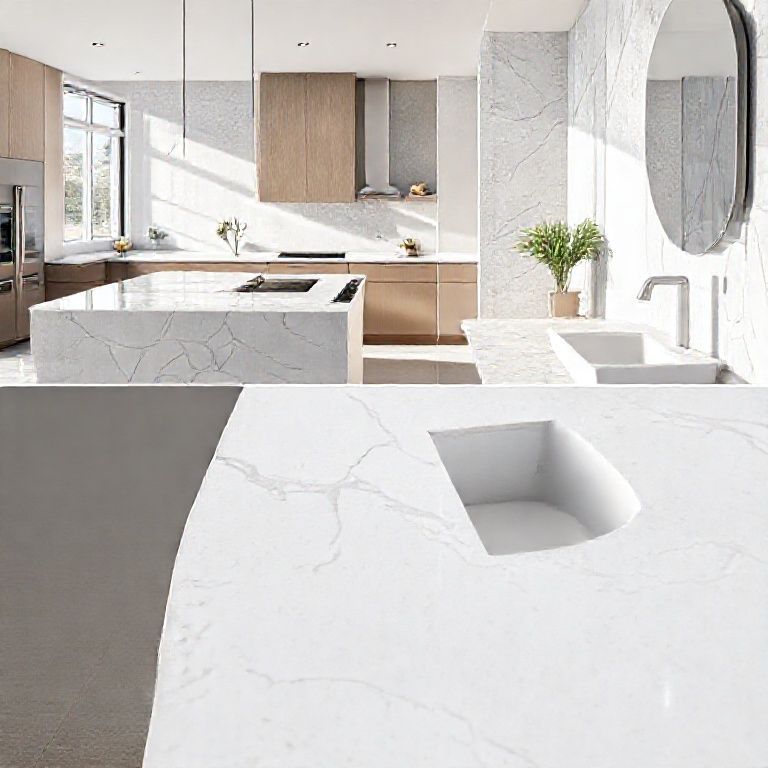
Composition of Artificial Marble
Artificial marble is primarily composed of a mixture of quartz, resin, and pigments. The manufacturing process involves pressing and heating these ingredients at high temperatures to form a solid, marble-like stone. This material is then polished to achieve its characteristic luster and texture. The key components include:
Quartz: Quartz is a naturally occurring mineral that provides the structural integrity and hardness of artificial marble. It is chosen for its resistance to scratches and stains.
Resin: A polymer resin acts as a binding agent, holding the quartz particles together and giving the material its cohesive strength. Epoxy resins, polyester resins, and acrylic resins are commonly used.
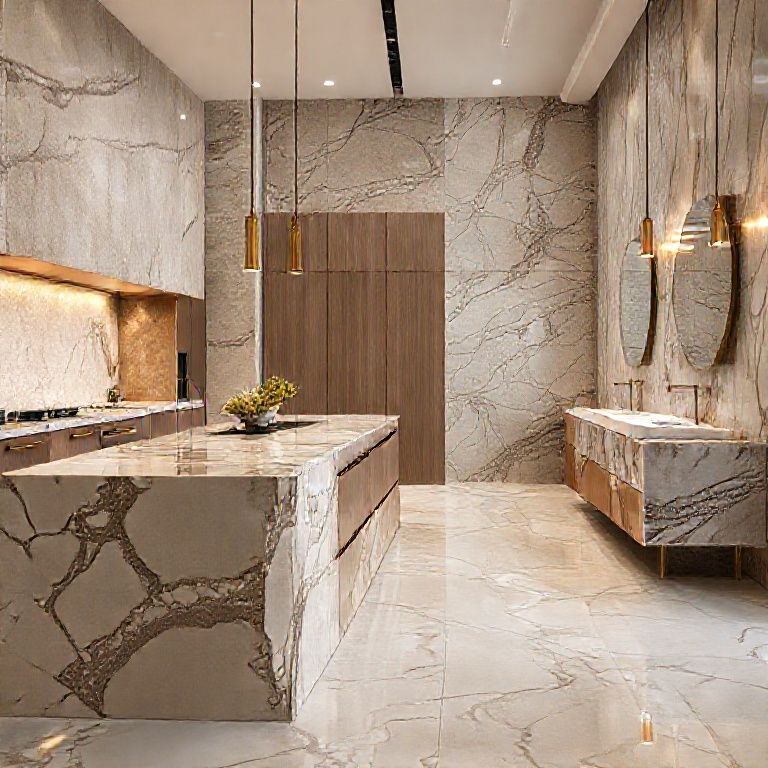
Pigments: To replicate the aesthetic of natural marble, various pigments are added to the mixture. These pigments can include calcium carbonate, talc, and other minerals that impart the desired color and veining.
Manufacturing Process
The creation of artificial marble involves several meticulous steps:
Mixing: The quartz particles, resin, and pigments are thoroughly mixed to ensure uniform distribution of all components.
Molding: The mixture is poured into molds that shape it into the desired form, such as countertops, sinks, or tabletops.
Curing: The material is then subjected to high heat and pressure to cure the resin and solidify the structure. This process can take several hours and requires precise control to achieve the desired hardness and durability.
Polishing: Once cured, the material is polished to give it a smooth, shiny surface that closely resembles natural marble.
Initial Health Concerns
While artificial marble offers many advantages, there are several initial concerns regarding its potential impact on human health:
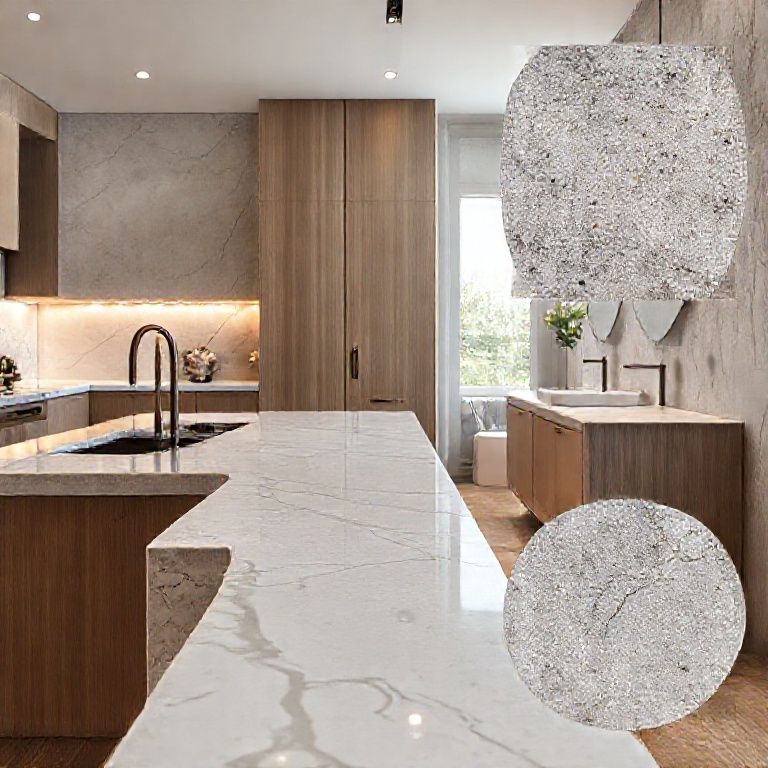
Volatile Organic Compounds (VOCs): During the manufacturing process, resins and other chemicals used in artificial marble can release volatile organic compounds (VOCs). These chemicals can contribute to indoor air pollution and may cause respiratory issues, headaches, and other health problems, especially in poorly ventilated spaces.
Heavy Metals: Some pigments and binders used in the creation of artificial marble may contain heavy metals such as lead, cadmium, or chromium. Although the manufacturing process aims to minimize these contaminants, trace amounts can still be present.
Chemical Leaching: In some cases, chemicals from the resin or pigments might leach into water or food, potentially posing a health risk if used in kitchen or bathroom settings.
Indoor Air Quality
One of the primary concerns related to artificial marble is its impact on indoor air quality. During the manufacturing and curing processes, various chemicals are released, which can affect the air quality in the surrounding environment. Some studies have highlighted the potential for these VOCs to contribute to poor indoor air quality, leading to symptoms such as:
Headaches Dizziness Respiratory issues
To mitigate these effects, it is crucial to ensure proper ventilation during the installation and curing of artificial marble. Additionally, choosing high-quality materials and products that adhere to safety standards can significantly reduce the release of harmful chemicals.
Conclusion
Artificial marble is a fascinating and versatile material that offers numerous benefits for modern construction and design. However, understanding its composition and potential health risks is essential for making informed decisions. In the next part of this exploration, we will delve deeper into specific safety concerns, long-term health impacts, and expert recommendations to ensure the safe use of artificial marble in your living spaces.
Long-Term Health Impacts and Safety Recommendations
Understanding Long-Term Health Impacts
While the initial production phase of artificial marble raises several health concerns, understanding the long-term impacts of using this material is equally important. Here, we will explore the ongoing effects of artificial marble on human health, the role of maintenance, and expert recommendations for safe usage.
Ongoing Chemical Exposure
Chronic Exposure Risks: Continuous exposure to low levels of VOCs and other chemicals over extended periods can have cumulative effects on health. Although the concentrations of these chemicals might be low during normal usage, prolonged exposure in poorly ventilated areas can still pose risks.
Respiratory Health: Long-term exposure to VOCs is linked to various respiratory issues, including asthma, chronic bronchitis, and other chronic obstructive pulmonary diseases (COPD). Ensuring good ventilation and reducing indoor air pollution are crucial steps in mitigating these risks.
Neurological Effects: Some studies suggest that prolonged exposure to certain VOCs can affect the central nervous system, leading to symptoms such as headaches, dizziness, and cognitive impairment.
Maintenance and Safety Practices
Proper maintenance and adherence to safety practices can significantly reduce the health risks associated with artificial marble:
Regular Cleaning: Regular cleaning of artificial marble surfaces can help prevent the buildup of dust and grime that might harbor bacteria and allergens. Using pH-neutral cleaners can help maintain the integrity of the material without causing damage.
Avoiding Abrasive Cleaners: Using abrasive materials or harsh chemicals can scratch and damage the surface, potentially releasing trapped chemicals. Opting for non-abrasive, specially formulated cleaners is recommended.
Ventilation: Ensuring adequate ventilation in areas where artificial marble is used, especially in kitchens and bathrooms, can help disperse VOCs and other airborne contaminants.
Expert Recommendations
Choose High-Quality Products: Opt for artificial marble products from reputable manufacturers that adhere to safety standards and provide detailed information about their materials and manufacturing processes.
Read Labels: Check product labels for information on VOC content and any warnings regarding potential health risks. Products with low VOC emissions are generally safer.
Professional Installation: Having artificial marble installed by qualified professionals can ensure that the material is cured properly and that any potential health risks are minimized during the installation process.
Regular Monitoring: Periodically checking indoor air quality and consulting with healthcare professionals can help identify any potential health issues related to the use of artificial marble.
Alternatives and Safer Materials
For those concerned about the potential health impacts of artificial marble, several alternatives offer safer options:
Natural Stone: Natural marble, granite, and quartzite are natural materials that do not release VOCs during use. However, they require careful maintenance and can be more expensive.
Low-VOC Materials: There are various low-VOC alternatives to artificial marble, including some types of engineered stone and other synthetic materials that are designed to minimize chemical emissions.
Sustainable Materials: Some manufacturers offer sustainable and eco-friendly alternatives that use less harmful materials and processes. These options can be both safe and environmentally friendly.
Conclusion
Artificial marble presents a blend of benefits and potential risks, making it essential to approach its use with careful consideration of health and safety. By understanding the material’s composition, recognizing the potential long-term health impacts, and following expert recommendations, you can make informed choices that prioritize both aesthetics and well-being. In our next segment, we will explore specific case studies and real-world examples to provide further insights into the safe and responsible use of artificial marble.
Final Thoughts
Artificial marble is a remarkable material that has transformed the landscape of modern design. However, its safety and impact on human health cannot be overlooked. By staying informed, choosing high-quality products, and adhering to best practices for maintenance and installation, you can enjoy the beauty and durability of artificial marble while minimizing potential health risks. As always, when in doubt, consulting with healthcare and safety professionals can provide additional guidance tailored to your specific needs and circumstances.