Understanding Artificial Marble and Its Composition
Artificial marble, also known as synthetic marble or cultured stone, has surged in popularity as a durable and cost-effective alternative to natural stone. Its appeal lies in its aesthetic versatility, ease of maintenance, and the ability to replicate the look of traditional materials like granite and quartz. However, as with any material used extensively in homes and workplaces, questions about its safety and health impact arise.
The Making of Artificial Marble
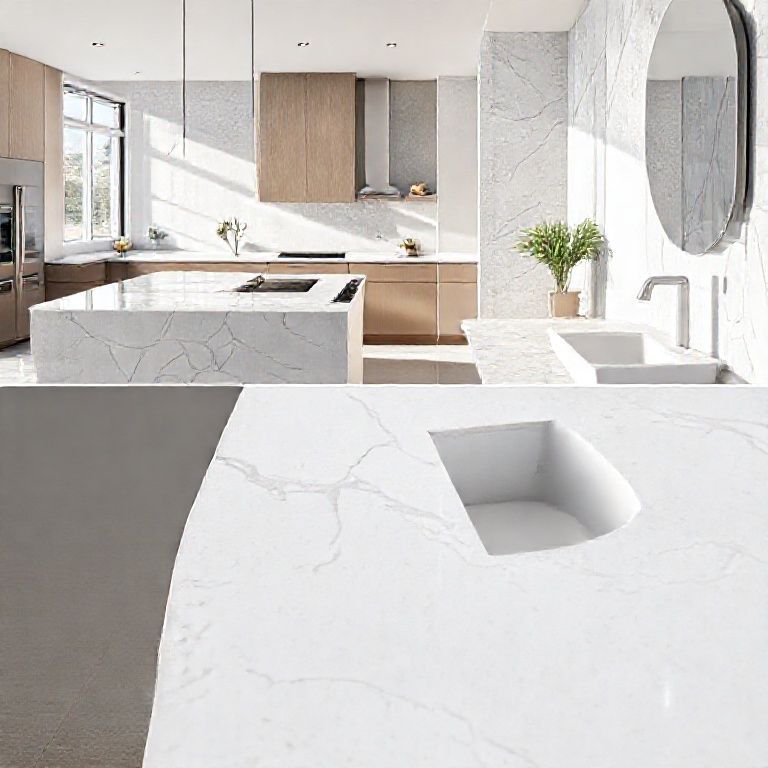
Artificial marble is primarily composed of a mixture of minerals, resins, and pigments. Manufacturers begin by selecting a base resin, often acrylic or polyester, which forms the structural backbone of the material. To this mixture, they add minerals such as calcite, talc, and clay, which give the artificial marble its characteristic texture and color. Pigments are then mixed in to create the desired hue. Once all components are thoroughly blended, the mixture is poured into molds and cured under heat and pressure to form solid blocks.
Health Implications of Ingredients
When discussing the safety of artificial marble, it’s crucial to scrutinize its ingredients. Acrylic and polyester resins are the central components, and their potential health implications are a significant point of concern. While these materials are widely used in various industries and are generally recognized as safe by many regulatory bodies, some studies suggest that prolonged exposure to certain chemicals used in their manufacture might pose risks.
Potential Chemical Leaching
One of the primary concerns with artificial marble is the potential for chemical leaching. Over time, and especially under conditions of heat and moisture, some of the chemicals used in the manufacturing process could potentially leach out. These chemicals include phthalates, which are used as plasticizers to make the resin more flexible, and formaldehyde, which acts as a preservative and cross-linking agent in the resin. Both phthalates and formaldehyde have been scrutinized for their potential health effects, including endocrine disruption and carcinogenic properties.
Regulatory Oversight and Safety Standards
To address these concerns, regulatory bodies such as the Environmental Protection Agency (EPA) and the Consumer Product Safety Commission (CPSC) in the United States have established guidelines to ensure the safety of consumer products. These guidelines often involve stringent testing protocols to limit the presence of harmful chemicals in finished products. While artificial marble manufacturers are required to adhere to these safety standards, the effectiveness of these regulations can vary based on the specific manufacturing practices and the quality of oversight in different regions.
Usage in Daily Life
The primary use of artificial marble is in countertops, sinks, and other kitchen and bathroom surfaces. Its durability and resistance to stains make it an attractive choice for homeowners and designers. However, the surfaces can sometimes be porous, especially if not properly sealed, which could allow for the absorption of water and other liquids. This absorption could potentially lead to the leaching of chemicals over time, although the risk is generally considered low if the material is correctly maintained.
Comparative Safety with Natural Stone
When comparing artificial marble to natural stone like granite or quartz, it’s important to note that natural stone also contains minerals that could pose health risks if they are released in powder form, particularly for individuals with respiratory conditions. However, the primary concern with natural stone is often the dust created during cutting and polishing, which can contain crystalline silica. This silica dust has been classified as a carcinogen by several health organizations, including the International Agency for Research on Cancer (IARC).
Conclusion
In summary, while artificial marble offers many practical benefits, including its durability and aesthetic versatility, it is not entirely free from health concerns. The potential for chemical leaching, particularly of substances like phthalates and formaldehyde, cannot be overlooked. However, regulatory oversight and adherence to safety standards significantly mitigate these risks. Understanding these nuances allows for more informed decision-making when choosing materials for home and workplace environments.
Environmental and Long-term Health Impacts of Artificial Marble
Having laid the groundwork on the composition and immediate health concerns of artificial marble, we now turn our attention to its broader environmental and long-term health impacts. This examination will delve deeper into the ecological footprint of artificial marble production, its durability versus natural stone, and the potential long-term effects of exposure.
Ecological Impact of Production
Artificial marble, despite its benefits, has a significant ecological footprint due to the resources required for its production. The process involves substantial energy consumption for heating and pressing the resin and mineral mixtures, which often leads to high carbon emissions. Additionally, the manufacturing process can generate waste materials that may not always be disposed of in an environmentally friendly manner.
Resource Consumption
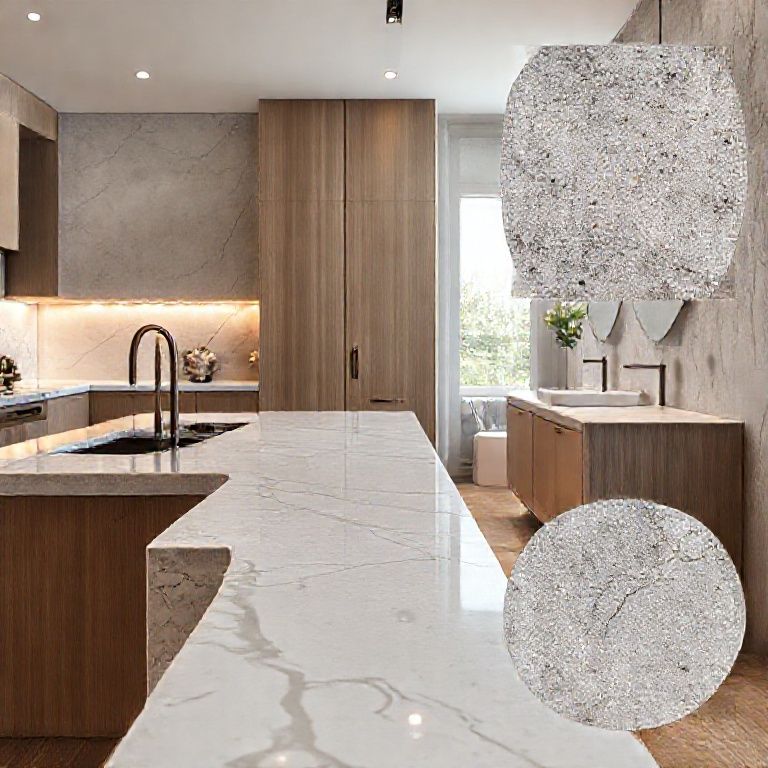
The production of artificial marble relies heavily on petrochemicals, which are derived from non-renewable fossil fuels. This dependency contributes to the depletion of these finite resources. Moreover, the extraction and processing of minerals like calcite and talc can lead to environmental degradation, including habitat destruction and water pollution. In contrast, natural stone like granite and quartz has a more localized environmental impact, as it involves mining activities that can disrupt local ecosystems but use less energy-intensive processes.
Durability and Longevity
One of the main selling points of artificial marble is its durability. When properly maintained, artificial marble can last for many years, potentially outlasting many natural stone options. However, its longevity can be compromised if it is not sealed correctly, leading to the absorption of water and chemicals, which could affect its structural integrity over time. Natural stone, while more prone to staining and scratching, often has a longer-lasting aesthetic appeal and requires less frequent maintenance.
Long-term Health Effects
The long-term health effects of artificial marble are still an area of ongoing research. While the immediate risks of chemical leaching are relatively well-documented, the cumulative exposure over many years remains a concern. Phthalates and formaldehyde, for instance, have been linked to various health issues when exposed to them over extended periods. Studies suggest that prolonged exposure to these chemicals could contribute to chronic health problems, including respiratory issues, hormonal disruptions, and even cancer.
Emerging Research and Safety Innovations
Recent advancements in material science have led to the development of safer alternatives within the realm of artificial marble. Researchers are exploring low-VOC (volatile organic compounds) resins and non-toxic pigments to minimize health risks. Some manufacturers are now producing artificial marble with reduced chemical content, which promises to offer the aesthetic and practical benefits without compromising safety.
Consumer Choices and Responsible Sourcing
Consumers play a vital role in driving the demand for safer and more environmentally friendly materials. By opting for products that are certified by reputable organizations, such as those that adhere to ISO standards or are labeled as low-VOC, individuals can make more informed choices. Additionally, supporting manufacturers who prioritize sustainable practices and transparent sourcing can help reduce the overall environmental impact of artificial marble production.
Conclusion
In conclusion, while artificial marble presents many advantages in terms of durability and aesthetic versatility, it is not without its environmental and health concerns. The ecological footprint of its production, the potential for chemical leaching, and the long-term health effects associated with prolonged exposure are critical factors that need to be considered. By staying informed and advocating for safer, more sustainable alternatives, consumers can make choices that balance the benefits of artificial marble with the imperative of safeguarding both human health and the environment.