Unveiling Artificial Marble: Composition and Production
Artificial marble, also known as composite stone, is a modern marvel in the world of countertop materials. Unlike natural marble, which is a metamorphic rock composed primarily of calcite or dolomite, artificial marble is a man-made product. It is typically created by combining various minerals, such as calcite, quartz, and feldspar, with resin binders to form a solid surface. This innovative material has gained immense popularity due to its durability, aesthetic appeal, and cost-effectiveness.
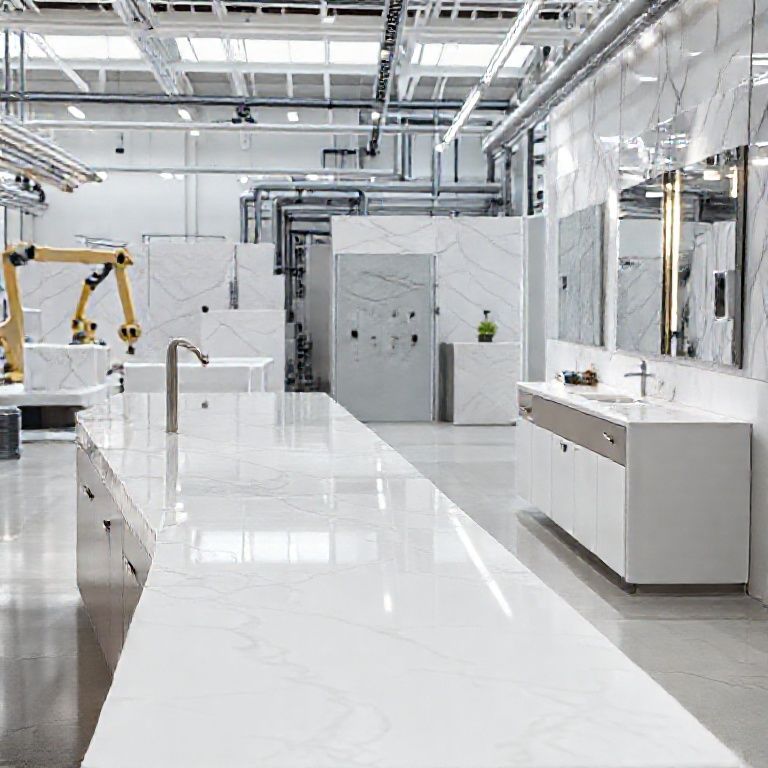
The Composition of Artificial Marble
Artificial marble is composed of natural minerals that are bonded together with resins. The primary minerals include:
Calcite: A form of calcium carbonate often used due to its aesthetic and coloring properties. Quartz: Known for its strength and durability. Feldspar: Adds hardness and a natural look to the stone.
The resin binders, usually made from melamine or acrylic, serve as the glue that holds the minerals together. This composite material is then polished to achieve the desired finish.
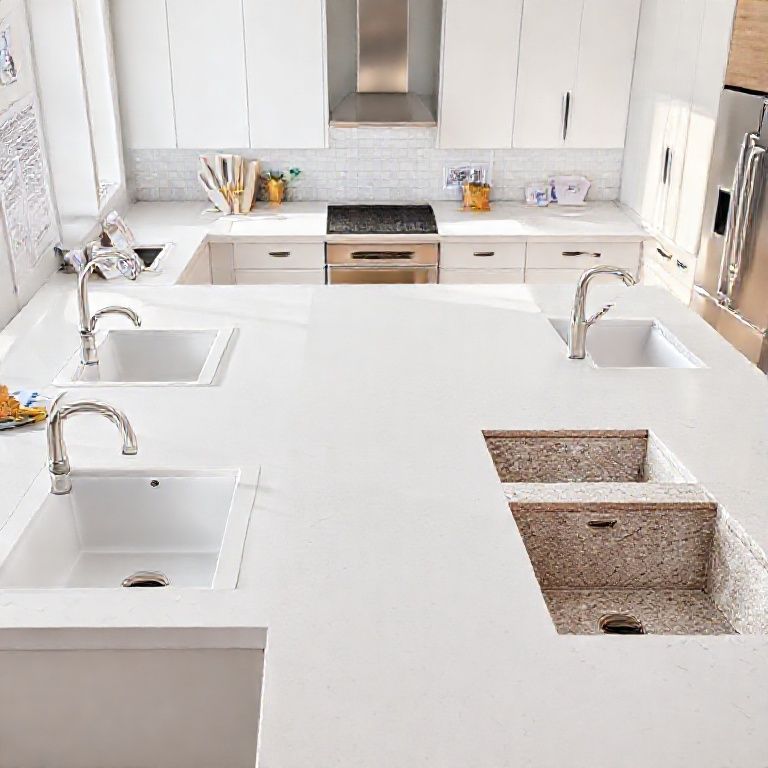
Production Process
The production of artificial marble involves several stages:
Mixing: Minerals and resins are mixed thoroughly to ensure a homogeneous composition. Molding: The mixture is poured into molds and subjected to high pressure and temperature to cure. Cutting and Polishing: Once cured, the blocks are cut into desired shapes and polished to a smooth finish.
Safety and Non-Toxicity
One of the most frequently cited benefits of artificial marble is its non-toxic nature. Unlike natural stone that can contain trace amounts of heavy metals, artificial marble does not leach harmful substances into the environment or human body. Modern manufacturing processes ensure that the resins used are non-toxic and safe for indoor use.
Potential Concerns
Despite its many advantages, some concerns have been raised regarding the safety of artificial marble. These concerns mainly focus on the following areas:
Volatile Organic Compounds (VOCs): During the production and curing process, some resins might emit volatile organic compounds. However, advancements in manufacturing have significantly reduced VOC emissions, making modern artificial marble much safer in this regard.
Heat Resistance: While artificial marble is generally heat-resistant, it can crack or break if subjected to extremely high temperatures. This is not unique to artificial marble but is something to keep in mind for any countertop material.
Regulatory Standards
To ensure consumer safety, artificial marble products are subject to various regulatory standards. Organizations such as the American National Standards Institute (ANSI) and the International Organization for Standardization (ISO) have established guidelines for the production, labeling, and performance of synthetic stone products.
Health Implications and Practical Considerations
When considering the health implications of using artificial marble, it is crucial to weigh the benefits against any potential risks. This section will explore the scientific research surrounding artificial marble, its impact on indoor air quality, and practical considerations for its use in everyday environments.
Scientific Research on Artificial Marble
Recent studies have focused on understanding the health implications of artificial marble, particularly regarding its chemical composition and emissions. Here are some key findings:
Low Leaching of Toxic Substances: Research has shown that artificial marble has a minimal risk of leaching toxic substances. The primary materials used—minerals and resins—are non-toxic when properly processed. Studies conducted by various health and safety organizations have found no significant levels of harmful chemicals in the emissions from artificial marble.
VOC Emissions: While older manufacturing processes may have emitted higher levels of VOCs, current production methods have minimized these emissions. Modern resins used in artificial marble are formulated to release minimal VOCs, making it a safer option compared to some other synthetic materials.
Indoor Air Quality
The indoor air quality is a significant concern for any material used in home or commercial spaces. Artificial marble, when manufactured and installed correctly, poses minimal risk to air quality. The primary concern regarding indoor air quality relates to the manufacturing process and the initial outgassing of VOCs.
Initial Outgassing: When artificial marble is first installed, there might be a brief period where VOCs are released into the air. This is typically minimal and diminishes over time as the material cures and the resins harden. Proper ventilation during installation can help mitigate any temporary increase in indoor VOC levels.
Long-Term Use: Over time, artificial marble surfaces become fully cured and stable, posing negligible risk to indoor air quality. Regular maintenance, such as cleaning with appropriate non-abrasive products, ensures that the surface remains safe and hygienic.
Practical Considerations
When using artificial marble in your home or workplace, several practical considerations can enhance its safety and longevity:
Installation: Proper installation by skilled professionals is crucial to avoid any issues with heat resistance and surface integrity. Ensuring that the installation process adheres to manufacturer guidelines will help in maintaining the material’s properties.
Maintenance: Regular cleaning and maintenance are essential to keep the artificial marble surface in optimal condition. Using non-abrasive cleaners and avoiding sharp objects can prevent scratches and damage.
Heat Management: While artificial marble is heat-resistant, it is not indestructible. Avoiding direct exposure to high heat sources, such as ovens and stovetops, can prevent potential cracking or breaking.
Conclusion
In conclusion, artificial marble is a safe and practical material when used and maintained correctly. The non-toxic nature of its components and the stringent regulatory standards in place ensure that it poses minimal health risks. While there are some initial concerns regarding VOC emissions and heat resistance, modern manufacturing processes have addressed these issues effectively.
By understanding the composition, production, and practical considerations of artificial marble, you can make informed decisions about its use in your environment. Ultimately, artificial marble offers a blend of beauty, durability, and safety, making it a popular choice for countertops and other interior surfaces.
This comprehensive exploration aims to provide clarity and confidence in the use of artificial marble, emphasizing its safety and practical benefits.