Understanding Artificial Marble and Its Composition
Artificial marble, also known as composite stone or engineered stone, has revolutionized the world of countertops and decorative materials. Unlike traditional natural marble, artificial marble is made from a mixture of minerals, quartz, and resin. It is often touted for its durability, affordability, and aesthetic appeal, making it a popular choice in both commercial and residential settings.
The Making of Artificial Marble
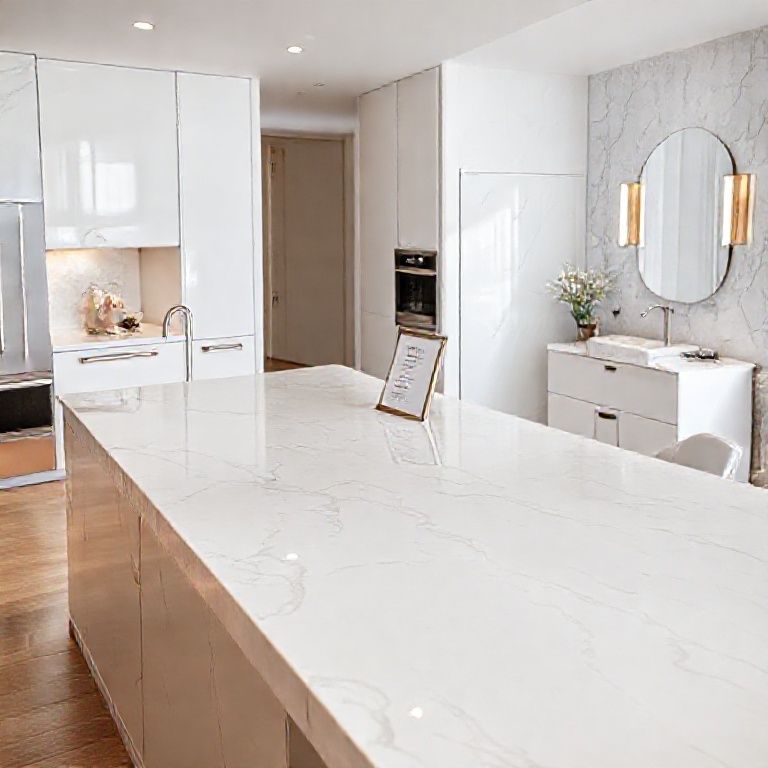
Artificial marble is created through a meticulous process that involves combining crushed quartz with a resin binder. This mixture is then compressed and heated, resulting in a stone-like material that closely mimics the appearance of natural marble. The process ensures uniformity, eliminating the natural variations found in natural stone.
Why People Choose Artificial Marble
Durability: Artificial marble is renowned for its strength and resistance to scratches, stains, and heat. This makes it an excellent choice for high-traffic areas where durability is paramount.
Cost-Effectiveness: One of the biggest draws of artificial marble is its affordability. It provides a luxurious look at a fraction of the cost of natural marble, making it accessible to a wider range of consumers.
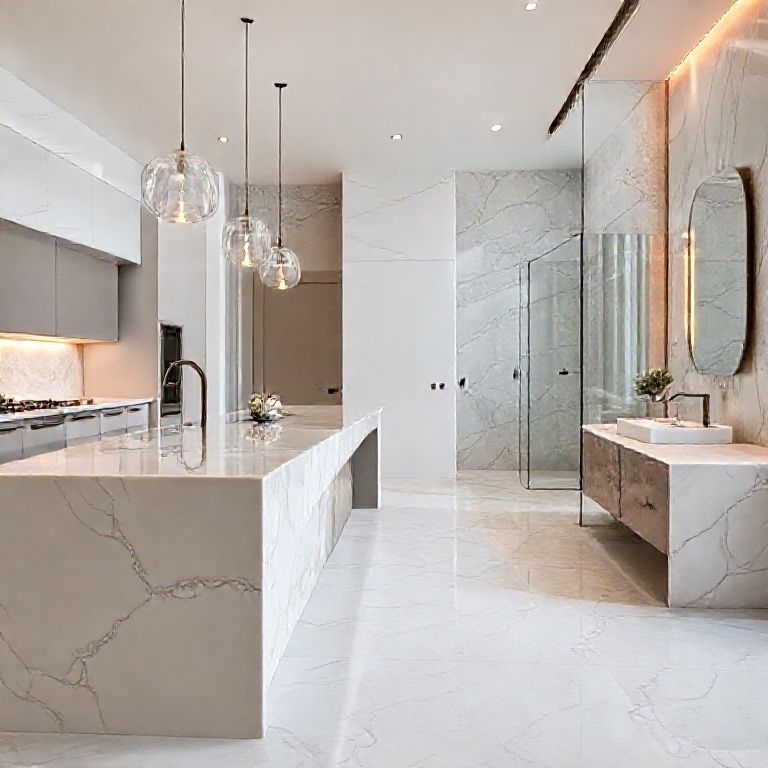
Customization: Artificial marble allows for extensive customization in terms of color, texture, and design. It can be molded to fit virtually any aesthetic preference, offering a level of flexibility not found in natural stone.
Potential Health Concerns
Despite its many advantages, there are concerns about whether artificial marble could pose health risks. The primary concern revolves around the release of toxic substances during manufacturing and use. Let’s delve deeper into this topic to separate fact from fiction.
Manufacturing Process and Emissions
During the production of artificial marble, the mixing and bonding of quartz and resin can release volatile organic compounds (VOCs). VOCs are chemicals that easily vaporize at room temperature and can include formaldehyde, benzene, and toluene. These substances are known to have adverse health effects, including respiratory issues, skin irritation, and potential links to cancer.
However, it is important to note that the production process is heavily regulated. Manufacturers are required to adhere to strict safety standards to minimize the emission of harmful substances. As a result, the levels of VOCs released during manufacturing are significantly reduced compared to older production methods.
Long-Term Exposure and Safety
When it comes to long-term exposure, the concern primarily stems from the durability and longevity of artificial marble. Unlike natural stone, which undergoes natural weathering processes, artificial marble is a synthetic product. This raises questions about whether the resin binders and other components might degrade over time, potentially releasing toxic substances.
However, extensive testing has shown that when properly manufactured and installed, artificial marble does not pose significant health risks. The resin used in artificial marble is designed to bond tightly with the quartz particles, reducing the likelihood of harmful substances leaching into the environment or coming into direct contact with users.
Myths and Misconceptions
There are several myths surrounding artificial marble that can cause undue concern. One common misconception is that artificial marble is inherently toxic and unsafe for use in homes. While it is true that improper manufacturing processes can release harmful chemicals, modern production techniques have addressed these issues effectively.
Another myth is that artificial marble is less durable than natural stone. On the contrary, artificial marble is often more durable than many types of natural stone, offering superior resistance to scratches, stains, and heat.
Conclusion
In conclusion, when properly manufactured and installed, artificial marble is a safe and reliable choice for countertops and other decorative applications. The potential health concerns associated with its production are significantly mitigated through stringent manufacturing regulations and modern production techniques. As with any material, it is important to choose reputable manufacturers and ensure proper installation to maximize its benefits and minimize any potential risks.
Stay tuned for the second part of our exploration into artificial marble, where we will delve into the environmental impact, maintenance tips, and more to help you make an informed decision about this versatile material.
Environmental Impact, Maintenance, and Final Thoughts on Artificial Marble
In the second part of our exploration into artificial marble, we will address the environmental impact, maintenance considerations, and provide final insights to help you make an informed decision about this versatile material.
Environmental Impact
Sustainable Production Practices
One of the key advantages of artificial marble is its potential for sustainable production practices. Unlike natural stone, which requires the extraction of raw materials from quarries, artificial marble can be produced using recycled materials. This reduces the environmental footprint associated with quarrying and mining, contributing to a more sustainable building industry.
Reduction in Waste
The production of artificial marble also leads to a reduction in waste. Since it can be manufactured in controlled environments, the material can be precisely tailored to the required specifications, minimizing excess and waste. This contrasts with natural stone, where material waste is often a byproduct of the extraction process.
Lifecycle Considerations
When evaluating the environmental impact of artificial marble, it is essential to consider its entire lifecycle. From production to disposal, the environmental benefits become more apparent. Artificial marble has a longer lifespan compared to many other materials, which means less frequent replacement and a reduced need for new resources. However, it is important to dispose of artificial marble responsibly at the end of its life to avoid environmental harm.
Maintenance and Care
Durability and Low Maintenance
Artificial marble is known for its durability and low maintenance requirements. Its resistance to scratches, stains, and heat makes it ideal for high-traffic areas. Unlike natural stone, which often requires sealing to prevent staining, artificial marble maintains its appearance without the need for frequent maintenance.
Cleaning Tips
To keep artificial marble looking its best, follow these simple cleaning tips:
Use Mild Cleaners: Avoid using harsh chemicals that can damage the surface. Instead, opt for mild soap and water or a dedicated marble cleaner.
Avoid Abrasives: Do not use abrasive sponges or pads that can scratch the surface. A soft cloth is sufficient for cleaning.
Immediate Spot Cleaning: Address spills and stains immediately to prevent them from setting into the material.
Regular Maintenance: Regularly clean the surface to maintain its shine and prevent the buildup of grime and debris.
Potential for Repairs
While artificial marble is durable, it is not indestructible. Minor chips and scratches can occur, but these can often be repaired. Many manufacturers offer repair services or provide kits for minor repairs, ensuring that your artificial marble surfaces remain pristine.
Health and Safety Considerations
Long-Term Safety
As discussed earlier, modern manufacturing processes have significantly reduced the release of toxic substances during the production of artificial marble. When properly installed and maintained, artificial marble does not pose significant health risks.
Regulations and Standards
The production of artificial marble is subject to strict regulations and standards designed to ensure safety and quality. Manufacturers must comply with guidelines set by health and safety authorities to minimize any potential health hazards associated with the material.
Choosing the Right Artificial Marble
Quality and Certification
When selecting artificial marble, it is crucial to choose high-quality materials from reputable manufacturers. Look for products that are certified by recognized safety and quality standards. Certifications such as ISO, FSC (Forest Stewardship Council), and other relevant standards can indicate that the product meets rigorous safety and environmental criteria.
Consultation and Expertise
If you are unsure about the safety and quality of artificial marble, consult with professionals who specialize in material selection and installation. They can provide expert advice on choosing the best product for your specific needs and help ensure that it is installed correctly to maximize its benefits.
Final Thoughts
In conclusion, artificial marble is a versatile and durable material that offers many advantages over traditional natural stone. When properly manufactured, installed, and maintained, it poses minimal health risks and has a lower environmental impact. Its durability, customization options, and cost-effectiveness make it an appealing choice for a wide range of applications.
By understanding the composition, manufacturing processes, and maintenance requirements of artificial marble, you can make an informed decision that aligns with your health, safety, and environmental goals. Whether you are renovating your kitchen, bathroom, or any other space, artificial marble provides a practical and aesthetically pleasing solution that stands the test of time.
Thank you for joining us on this comprehensive exploration of artificial marble. Stay informed and make choices that enhance both your home and your well-being.