Composition and Common Concerns
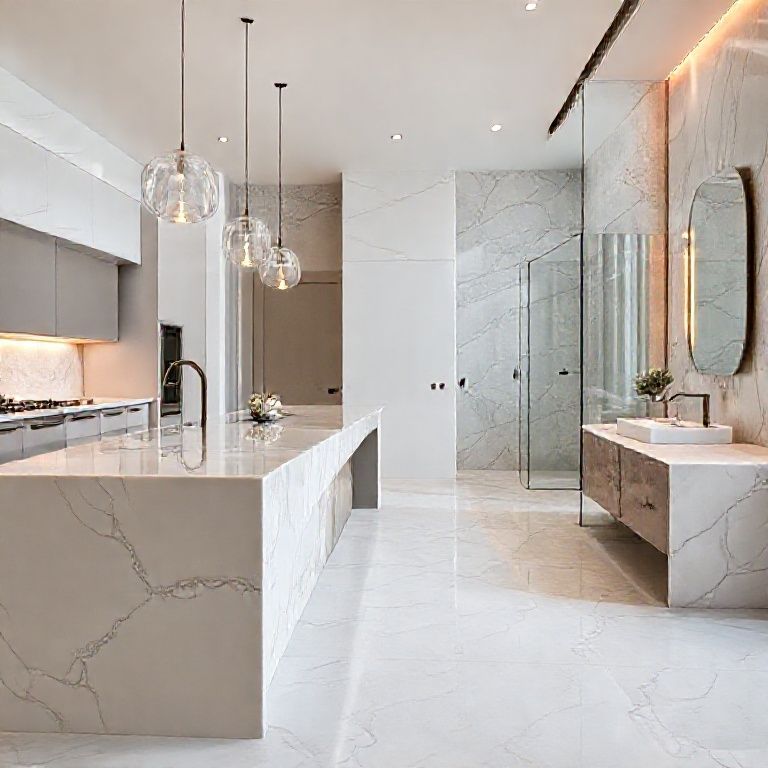
Artificial marble, often referred to as engineered stone, has emerged as a popular choice for countertops, flooring, and decorative surfaces in both residential and commercial settings. Unlike natural marble, which is a genuine stone composed of calcium carbonate, artificial marble is a composite material typically made from a combination of quartz (usually 70-95%) and resins. The process of creating artificial marble involves mixing these materials at high temperatures and pressures, resulting in a product that mimics the appearance and durability of natural marble but is far less prone to cracking and staining.
The Composition of Artificial Marble
At its core, artificial marble is an amalgamation of natural quartz and synthetic resins. Quartz, a mineral composed of silicon dioxide, is abundant in nature and prized for its durability and aesthetic appeal. The resins used in artificial marble serve as binding agents, holding the quartz particles together to form a solid, cohesive material. The manufacturing process is meticulous and ensures that the final product is a robust, aesthetically pleasing alternative to traditional natural stone.
Benefits of Artificial Marble
The allure of artificial marble lies in its myriad benefits:
Durability: Unlike natural marble, which can easily chip or crack, artificial marble boasts exceptional resistance to scratches, stains, and thermal damage. This makes it an ideal choice for high-traffic areas where durability is paramount.
Cost-Effectiveness: Artificial marble tends to be more affordable than many natural stone options. This makes it accessible to a broader range of consumers without compromising on quality or aesthetics.
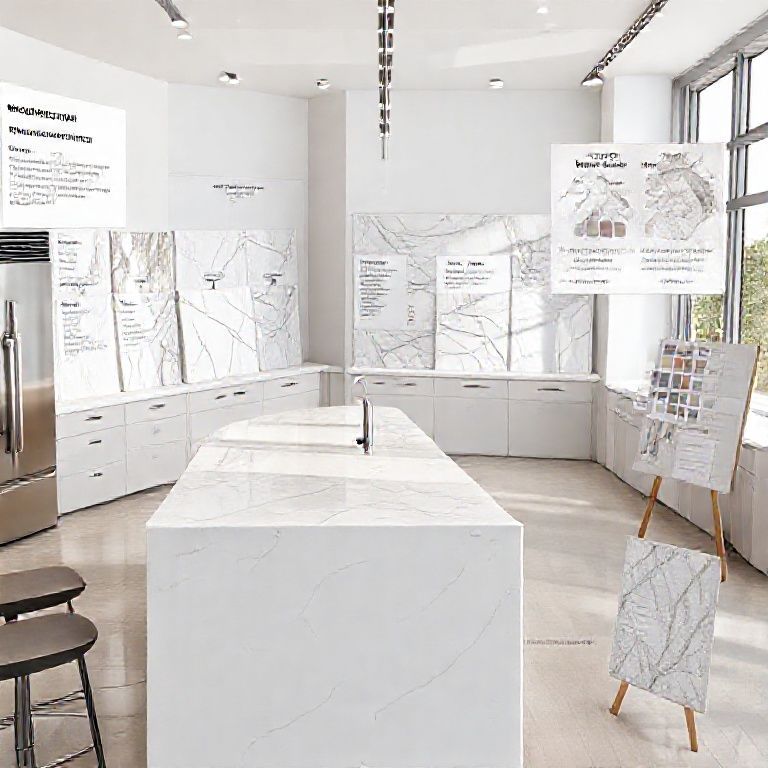
Design Flexibility: The manufacturing process allows for an unparalleled variety of colors, patterns, and textures. This means that artificial marble can be tailored to suit virtually any design vision, from traditional to modern, allowing for endless creative possibilities.
Environmental Impact: While the environmental footprint of artificial marble is still a topic of debate, its production process generally involves fewer emissions and less water usage compared to natural stone quarrying.
Common Concerns and Misconceptions
Despite its advantages, artificial marble is not without its critics. One of the most common concerns revolves around its safety and potential health risks. Skeptics often question whether the resins and other chemicals used in its creation could pose a hazard over time. Let’s address these concerns more thoroughly in the next section.
Chemical Composition and Safety
The primary components of artificial marble are quartz and resins. Quartz is a naturally occurring mineral that is generally considered safe. However, the resins used in the manufacturing process can raise questions about their safety. These resins are typically made from petrochemicals and include materials like melamine and formaldehyde. Formaldehyde, in particular, is a known carcinogen and is used in various industrial applications due to its preservative properties.
During the manufacturing process, formaldehyde can be released as a volatile organic compound (VOC). This has led some to worry about indoor air quality and long-term health effects. However, the levels of formaldehyde released during normal usage of artificial marble are generally minimal and well below the thresholds considered harmful by health and safety organizations.
Regulatory Standards and Certifications
To address these concerns, manufacturers of artificial marble often adhere to stringent regulatory standards. For instance, products may be certified by organizations like the American National Standards Institute (ANSI) or the European Committee for Standardization (CEN). These certifications ensure that the materials used in artificial marble meet specific safety and environmental criteria. Additionally, manufacturers frequently conduct independent tests to verify that their products comply with health and safety regulations.
Conclusion
In conclusion, artificial marble is a complex material with a blend of benefits and potential concerns. Its durability, cost-effectiveness, and design flexibility make it an attractive option for many consumers. While questions about its chemical composition and potential health risks exist, the regulatory frameworks and safety certifications in place offer reassurance. In the next part of our exploration, we will delve deeper into the environmental impact and broader implications of using artificial marble, providing a balanced view of its pros and cons.
Environmental Impact and Broader Implications
In the previous section, we explored the composition and common concerns surrounding artificial marble. Now, let’s delve deeper into its environmental impact and broader implications, offering a comprehensive view of the pros and cons associated with its use.
Environmental Impact of Artificial Marble
When considering the environmental impact of artificial marble, it’s essential to examine both the production process and the lifecycle of the material.
Production Process
The production of artificial marble involves significant energy consumption due to the high temperatures and pressures required to fuse quartz particles with resins. This energy-intensive process can contribute to greenhouse gas emissions, particularly if the energy sources are fossil-fuel based. However, advancements in manufacturing technology and the adoption of renewable energy sources are gradually mitigating these effects.
Natural Stone Quarrying vs. Artificial Marble Production
It’s important to compare the environmental impact of artificial marble to that of natural stone quarrying. Natural marble extraction is often associated with significant environmental degradation, including habitat destruction, soil erosion, and water pollution. Quarrying also poses risks to local communities and ecosystems. In contrast, the production of artificial marble, while energy-intensive, generally involves fewer ecological disruptions.
Waste and Recycling
One of the notable advantages of artificial marble is its potential for recycling. Unlike natural stone, which cannot be recycled, artificial marble can often be repurposed or recycled into new products. This reduces waste and the need for virgin materials, contributing to a more sustainable lifecycle.
Longevity and Maintenance
The durability of artificial marble plays a crucial role in its environmental impact. Given its resistance to scratches, stains, and thermal damage, artificial marble requires less frequent replacement compared to natural stone. This longevity reduces the overall demand for new materials and minimizes waste.
Health and Safety Considerations
As we continue to explore the broader implications of artificial marble, it’s essential to address health and safety considerations more comprehensively.
Volatile Organic Compounds (VOCs)
During the manufacturing process, some chemicals used in artificial marble can release VOCs, including formaldehyde. While the levels released during normal usage are generally low, concerns about indoor air quality and long-term health effects persist. To mitigate these risks, manufacturers often use low-VOC resins and ensure proper ventilation during installation. Additionally, some manufacturers offer products that are certified as “low-emission” or “VOC-free,” providing an alternative for health-conscious consumers.
Radon Gas
Another concern often raised is the potential release of radon gas from artificial marble. Radon is a naturally occurring radioactive gas that can accumulate in homes and pose health risks. However, studies have shown that the levels of radon released from artificial marble are negligible compared to natural stone and are well within safe limits.
Alternative Materials
As consumers become increasingly aware of environmental and health concerns, the demand for sustainable and safe alternatives to artificial marble is growing. Natural stone remains a popular option, although it comes with its own set of environmental and ethical considerations. Other alternatives include:
Ceramic Tile: Made from clay and other minerals, ceramic tile offers durability and a variety of designs. However, its production process can be energy-intensive, and concerns about VOCs and chemical emissions exist.
Concrete: Concrete countertops are increasingly popular due to their durability and affordability. While they are resistant to scratches and stains, the production of concrete contributes to greenhouse gas emissions.
Wood: Natural wood offers a unique aesthetic and is a renewable resource. However, it is susceptible to damage from moisture, insects, and pests, requiring regular maintenance.
Sustainable Practices in Manufacturing
The future of artificial marble lies in sustainable manufacturing practices. Innovations in material science and manufacturing technology are paving the way for greener alternatives. For instance, researchers are exploring the use of biodegradable resins and renewable energy sources in the production process. Additionally, advancements in recycling technologies are making it easier to reclaim and reuse materials, reducing the overall environmental footprint.
Conclusion
In conclusion, artificial marble presents a complex interplay of benefits and challenges. Its durability, cost-effectiveness, and design flexibility make it an attractive choice for many. However, concerns about its chemical composition, environmental impact, and health risks cannot be ignored. By understanding these factors and exploring sustainable alternatives, consumers can make informed decisions that balance their design aspirations with environmental and health considerations. As the industry continues to evolve, the potential for more sustainable and safer options remains promising, offering hope for a future where beauty and sustainability go hand in hand.